Journal
Plant medicine path
Herbal wisdom, formula guides, and seasonal remedies, notes from our clinical herbalist on how to live closer to the earth.
Spearmint Flower Essence: What It Is, Who It Fits, How to Take It
There is a specific kind of tired that sleep does not fix. It shows up after something: a long caregiving stretch, an illness, a job that took more than it gave. This is the essence for that season.
Peppermint Flower Essence: What It Is, Who It Fits, How to Take It
You open the laptop to do one thing and ninety minutes later you have touched eleven things and finished none. The problem is usually not a shortage of energy. It is a shortage of one place to put it.
Goldenrod Flower Essence: What It Is, Who It Fits, How to Take It
Goldenrod is the plant most people have walked past ten thousand times and blamed for something it did not do. In essence work it is the plant for the person who disappears in a group.
Lavender Flower Essence: What It Is, Who It Fits, How to Take It
Most people meet lavender as an essential oil, decide it did nothing much, and never look at the essence. They are two different medicines. Here is what the essence is actually for.
The Depleted Caregiver: Herbs for When You're the One Who Holds Everyone Else
It is 6 PM. The person you care for is content for twenty minutes. You usually spend that window doing laundry. Here is what your body has actually been carrying.
Resentment Fatigue: When You've Said Yes Too Many Times
It is 9:30 PM. You are washing the dishes alone. Your shoulders ache in a specific way. The fatigue is not from the task; it is from the cumulative yes.
The Sunday Scaries: When the Week Hasn't Even Started and You're Already Tired
It is Sunday at 4 PM. The light is shifting. The week has not started and you are already tired. Here is what is actually happening and what to do about it.
Stop Walking Into Rooms and Forgetting Why: A Clinical Herbalist's Mental Clarity Protocol
Brain fog is not one thing. It is five patterns that look like one symptom. Here is how a clinical herbalist tells them apart and what to do.
Mom Brain Is Real: The 18-Month Postpartum Cognitive Hangover
Fourteen months postpartum. Three calendars. You still missed the pediatrician appointment. This is not laziness. The brain is remodeling.
The 5 a.m. Wake With Tomorrow's To-Do List Already Running
It is 4:48 a.m. The alarm is set for 6:30. Your mind is already running tomorrow's meeting. This is not the insomnia you have been treating.
The Mind That Won't Sit Still But Also Won't Focus: Herbs for ADHD-Adjacent Adults
Seven tabs open. Twenty minutes into something that should have taken five. The mental tabs are louder than the actual ones. Here is what plant medicine can do for that pattern, and what it cannot.
Perimenopause Brain Fog: When Names and Words Start Slipping at 42
She is mid-sentence and the name of someone she has known for twenty years simply will not surface. The pattern is real and it is common. Here is what is actually happening, and what to do about it.
The 3 p.m. Brain Fog That Coffee Stopped Fixing
It is 2:45 in the afternoon. The morning's clarity is gone. The fourth coffee buys twenty minutes of sharpness, then a steeper drop. Here is what is actually happening, and what to do about it.
A Slow Herbal Protocol for the Burnout We Haven't Recovered From Yet
We did not recover. We adapted. Most adults are still running a burnout pattern that started years ago. Here is the slow protocol that actually rebuilds the baseline.
Back-to-School Immune Protocol: Herbal Support for the September Wave
Schools open, viruses circulate, the family runs a chain of colds for three months. Here is the herbal kit that breaks the chain.
A Clinical Herbalist's Holiday Stress Survival Kit
Holidays compress everything into a few weeks: more travel, more family, less sleep, more sugar, more obligations. Here's the herbal kit I pack for it.
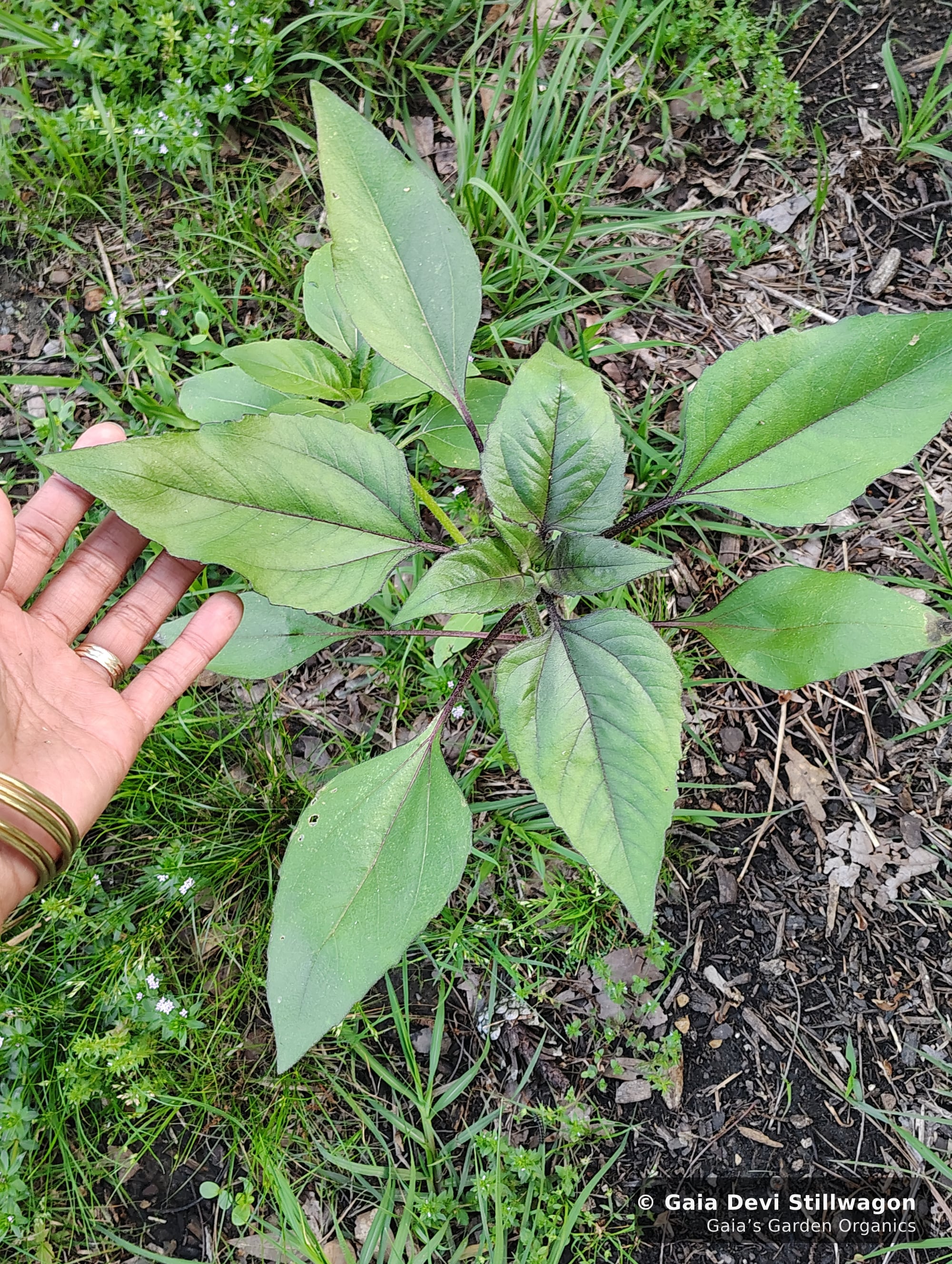
A Natural Spring Allergy Protocol: What a Clinical Herbalist Reaches For
Spring allergies are predictable. Build the protocol before they start. Here are the four herbs that actually move the dial.
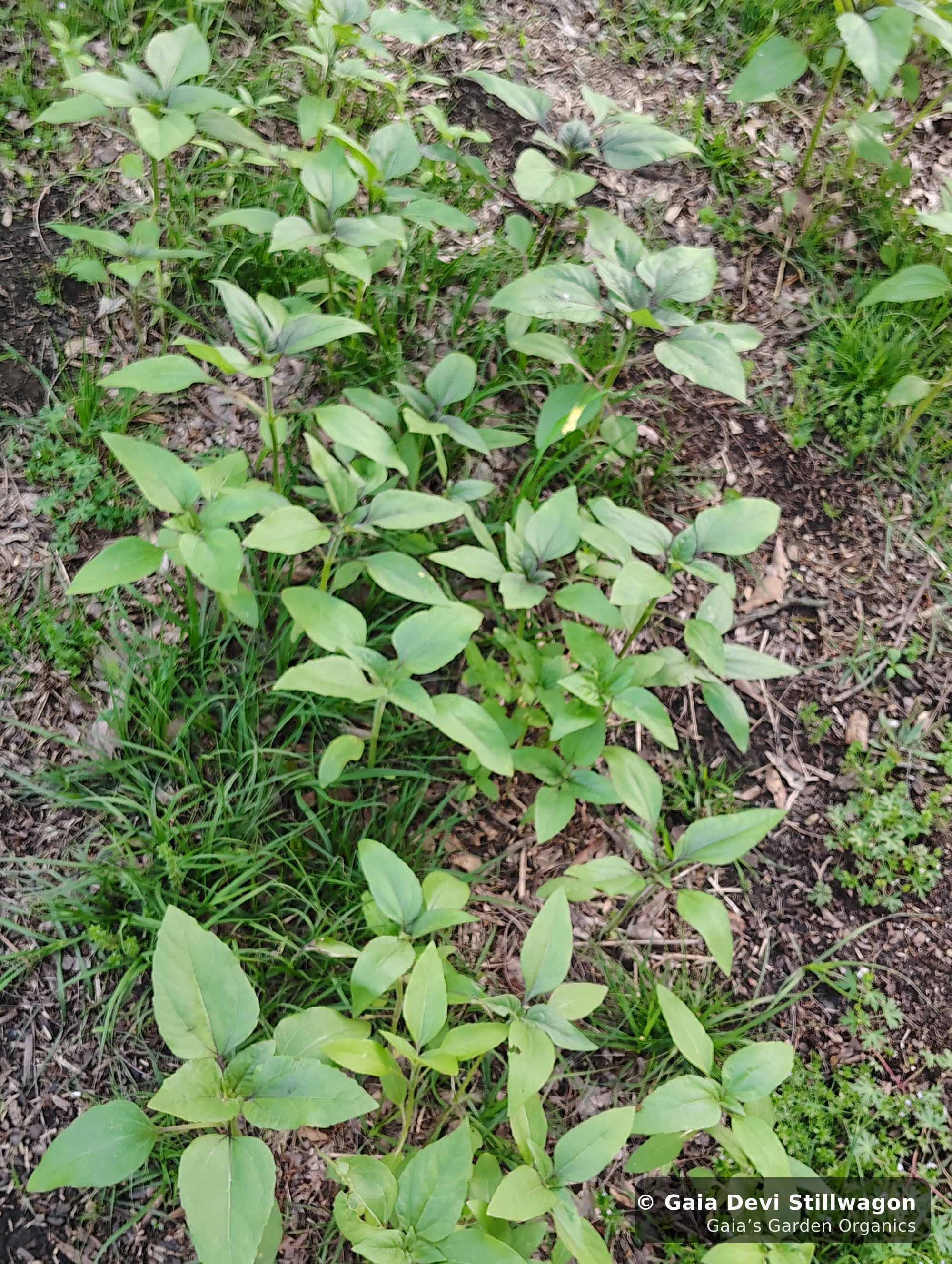
Hawthorn vs Motherwort: Which Heart Herb For Which Picture
Both work the heart. They reach different patterns. Here's how a clinical herbalist chooses, and when to layer them.
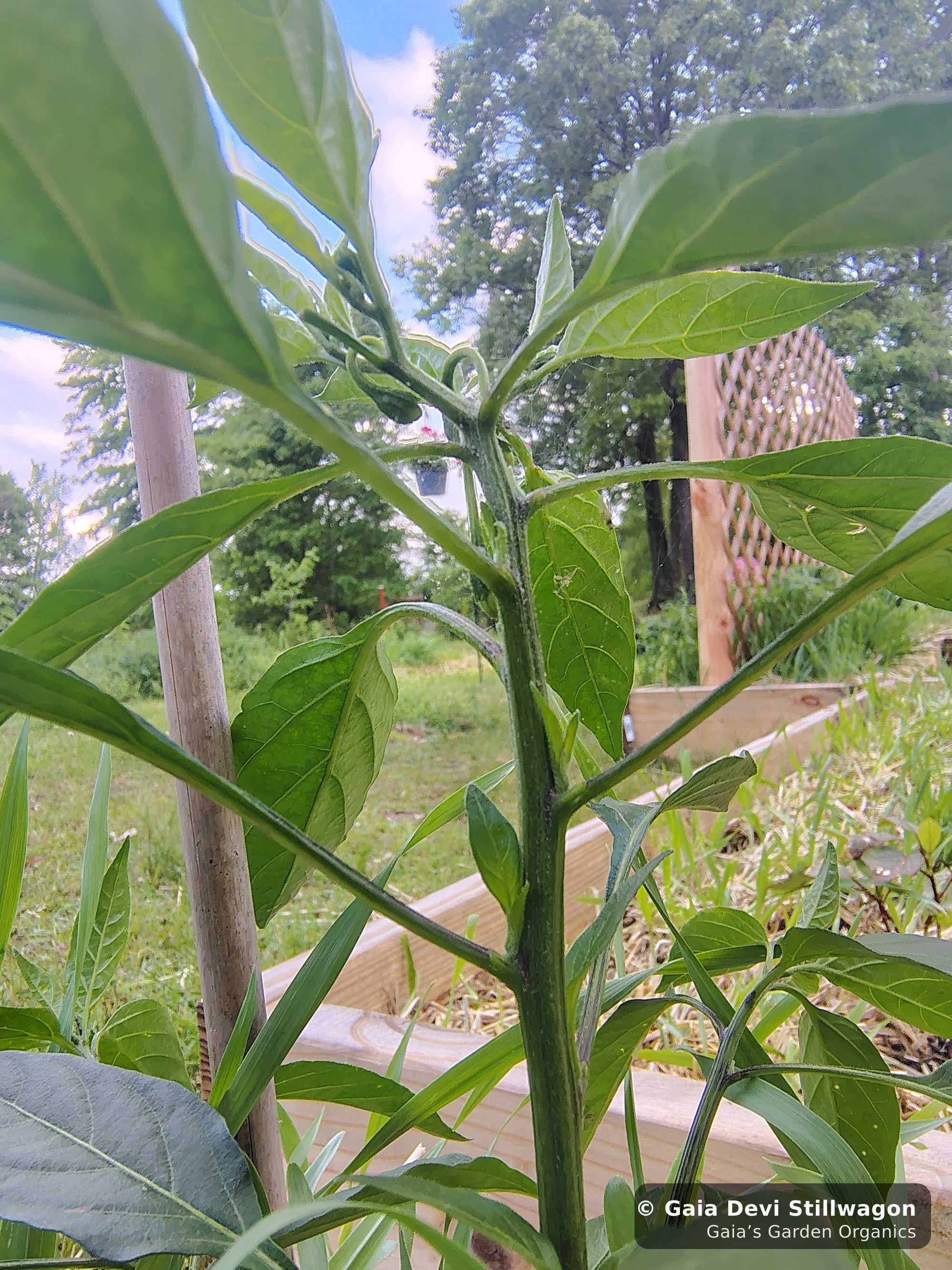
Herbs and Flower Essences for Grief After Pet Loss
Losing an animal companion is grief, real and unwitnessed. Here is the herbal support I formulate for the months after.
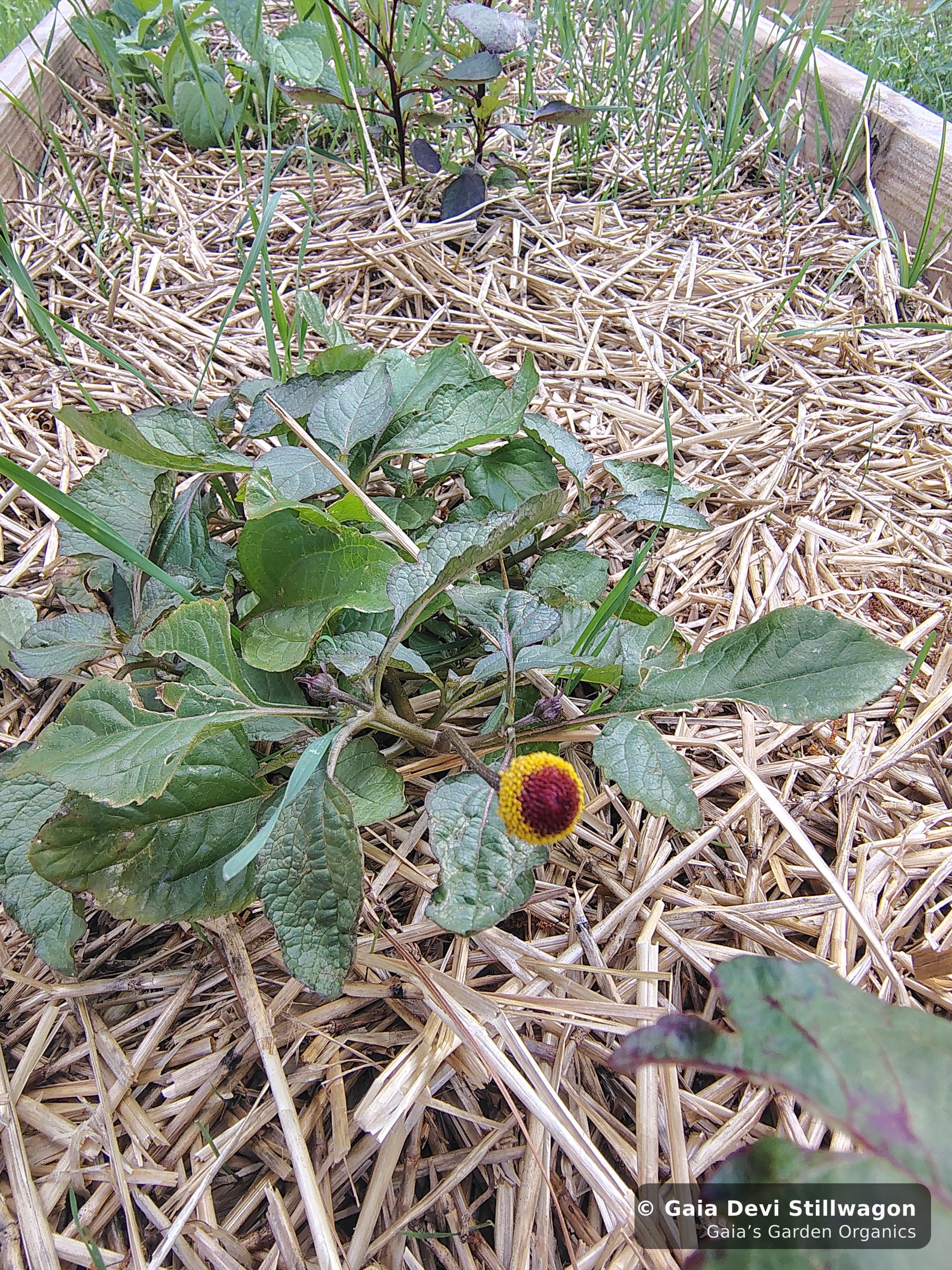
Are Flower Essences Real? A Skeptic's Guide From a Clinical Herbalist
The RCT evidence on flower essences is mixed. The clinical observation across nearly a century is consistent. Here is the honest tension.
Passionflower vs Chamomile vs Skullcap: Three Anxiety Herbs Compared
All three are gentle nervines. They are not interchangeable. Here's how a clinical herbalist matches each one to a specific pattern.
Herbs for Perimenopause: When Anxiety, Sleep, and Hormones All Shift at Once
Perimenopause is not just hormones. It is your nervous system trying to recalibrate while the hormones move under it. The herbs that help are the ones that steady both layers.
Spearmint Tea for PCOS, the Surprisingly Strong Evidence
Spearmint has stronger clinical trial evidence for women's hormonal health than most things in the wellness aisle. Here is what it actually does for PCOS.
Mullein Tea Benefits, Beyond the TikTok Trend
Mullein is a real respiratory herb with two centuries of clinical use. The TikTok claims about it overshoot in some directions and miss in others. Here is the honest breakdown.
Why a Valerian-Free Sleep Tincture (And What We Use Instead)
Valerian works for some people. For about 10 percent it paradoxically agitates. For everyone, the smell and the vivid dreams are real. Here's the gentler three-herb alternative.
The Gentle vs. The Potent: Flower Essences and Herbal Tinctures for Anxiety
Flower essences work the emotional layer. Tinctures work the physiological layer. Here's how a clinical herbalist matches each to the picture.
The Skin That Flares With Stress: A Daily Cup for the Glow
Topical skincare works the surface. Internal herbal medicine works the system. Here is what a daily cup actually does for your skin.
Seed to Bottle: Why Handcrafted Herbal Medicine Matters
Most herbal products are made in factories you'll never see. Here is what changes when each bottle is made by a clinical herbalist's hands.
The Morning Ritual: A Clinical Herbalist's 10-Minute Wellness Routine
Most morning routines are aspirational. This one takes ten minutes, uses three herbs, and actually fits a normal life.
The Closed Heart, the Cards Stop Coming: Rose for Heart Grief
Rose has been the heart's medicine for two thousand years. Here's what it actually does and who it's genuinely for.
For the Person Who Already Has Everything: Herbal Gifts
Most wellness gifts are pleasant but not useful. Here are the herbal gifts that match specific needs, and the right pick for each person on your list.
What Is Your Ayurvedic Dosha? A Beginner's Guide to Vata, Pitta, and Kapha
Ayurveda has been mapping human constitutions for 3,000 years. Here is the plain-English version that actually helps you make daily choices.
Building a Home Apothecary: A Clinical Herbalist's Starter Kit
Most herbal medicine cabinets have 30 bottles you never use. Here are the five that cover most of what comes up in a normal household year.
How to Take Herbal Tinctures: A Clinical Herbalist's Guide to Dosage, Timing, and Absorption
Most tinctures don't fail because of the herb. They fail because of how they were taken. Here is the dosing framework that actually works.
The Bach Method: Why We Preserve Flower Essences in Brandy and Mountain Water
The Bach method has been the standard for flower essence preparation for nearly a century. Here is what makes it the clinical gold standard and why we work to it.
How Long Do Flower Essences Take to Work? A Clinical Herbalist Answers
Flower essences work on the emotional layer, not the body's biochemistry. The timeline reflects that. Here is the honest arc.
Herbal Tea vs. Herbal Tincture: Which Format Is Right for You?
Tea is daily ritual medicine. Tincture is concentrated acute medicine. Here is how a clinical herbalist picks between them.
When the Spark Is Gone but Caffeine Won't Fix It: A Daily Tea
Coffee gives you energy and takes it back with interest. Here's what natural, sustained vitality actually looks like and the herbs that support it.
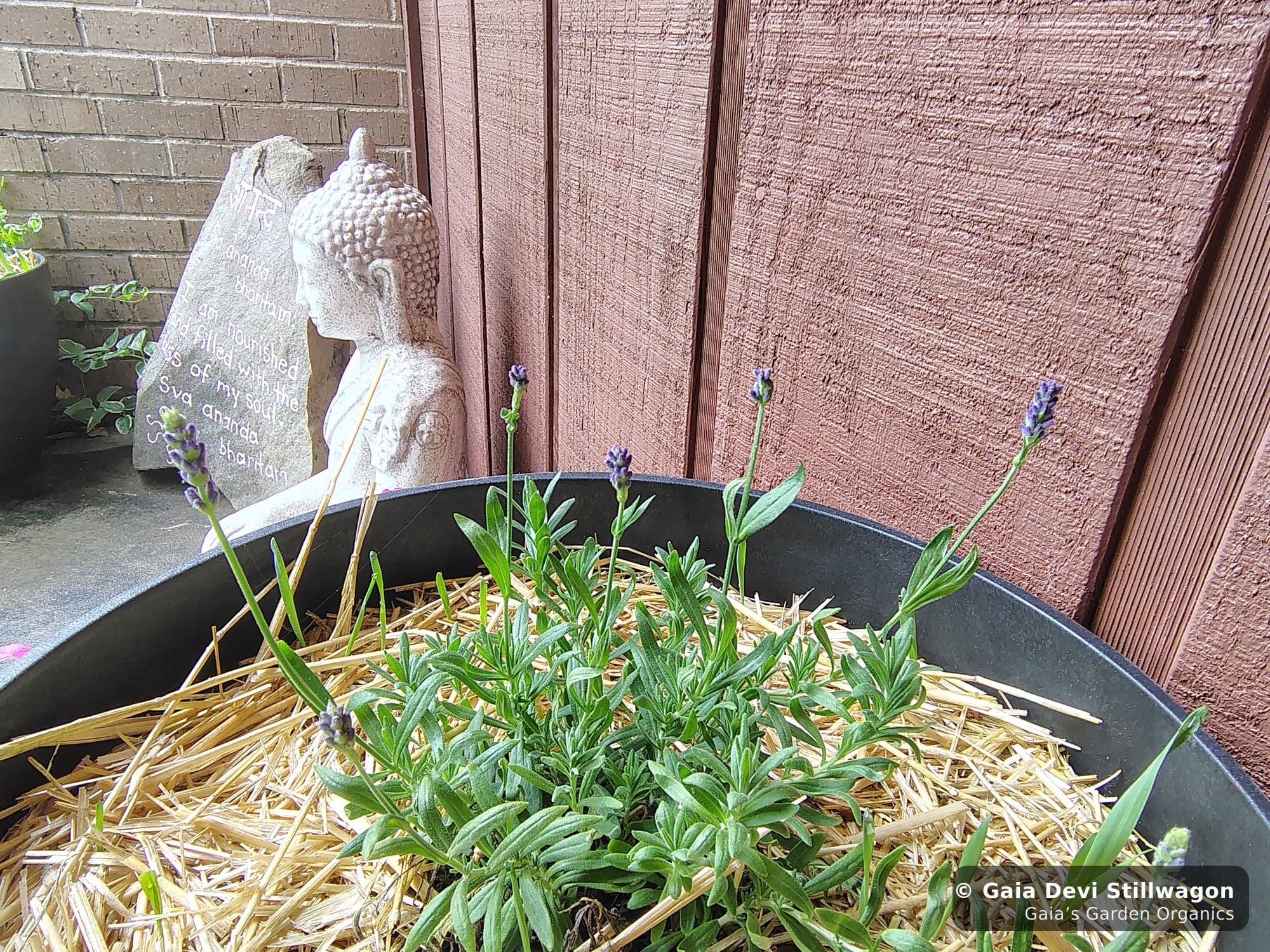
The Chest That Won't Soften: Anxiety That Lives Below the Words
There's a kind of anxiety that lives in the heart, not the head. Tranquility Essence is the lavender preparation I reach for when a client describes that pattern.
When the Nervous System Won't Stand Down: A Clinical Tincture
When a client walks in with chest tightness, racing heart, and the can't-shut-off mind, this is the formula I reach for first.
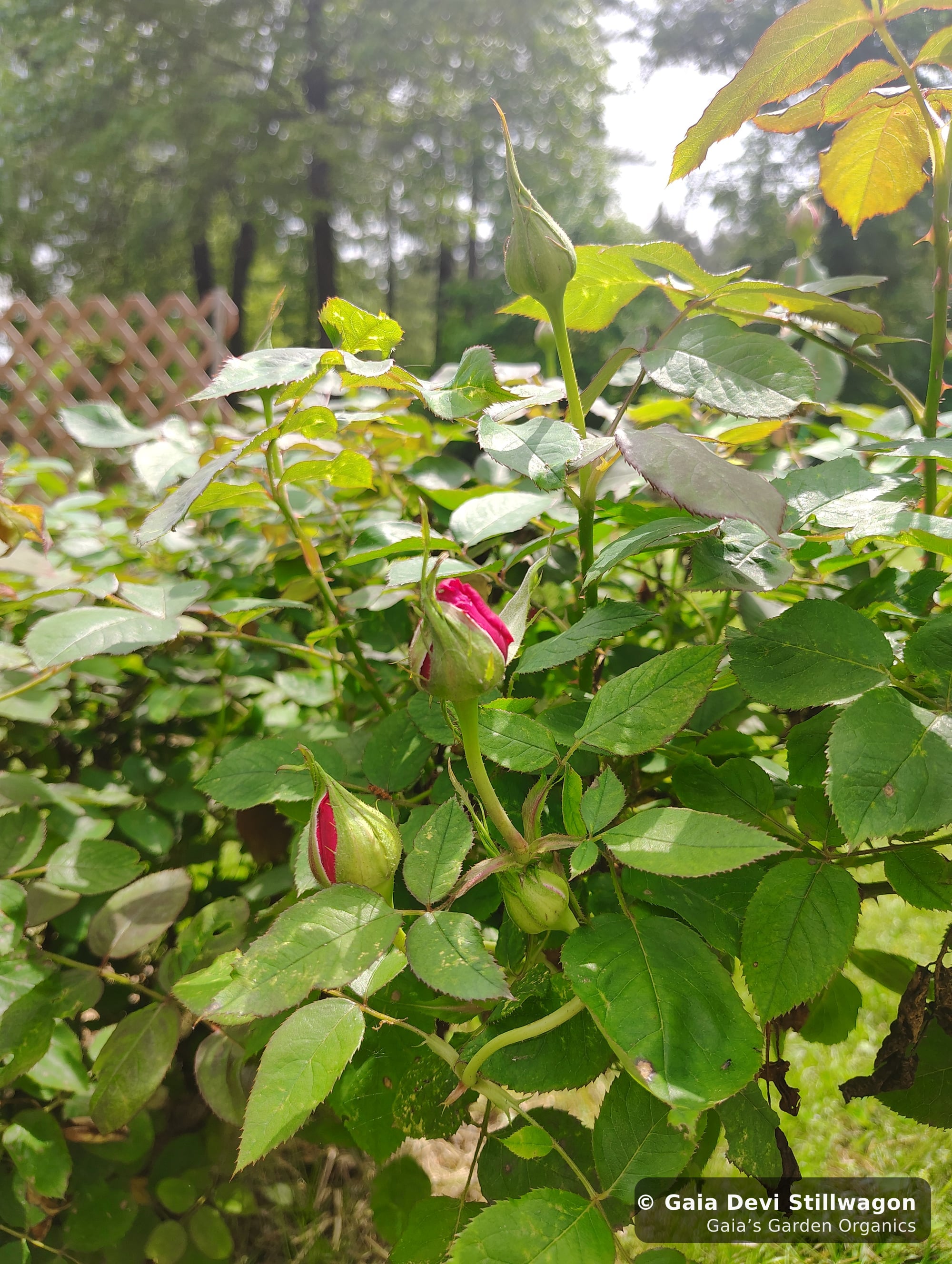
The Heart That Beats Too Fast, Too Hard, Too Long: Daily Tea
Hawthorn lowers blood pressure modestly. Hibiscus lowers it more. The right tea for your heart depends on which side of the cardiovascular picture you're on.
The Sniffle Before the Cold: A Daily Cup for Immune Defense
Your immune system runs on sleep, stress regulation, and nutrient availability. A daily tea supports all three. Here is what mine contains and why.
Chronic Stress & Adaptogens: How Herbs Help Your Body Recover from Burnout
Burnout is not a character flaw. It is a measurable shift in how the body responds to stress. Adaptogens are the herbs that walk it back.
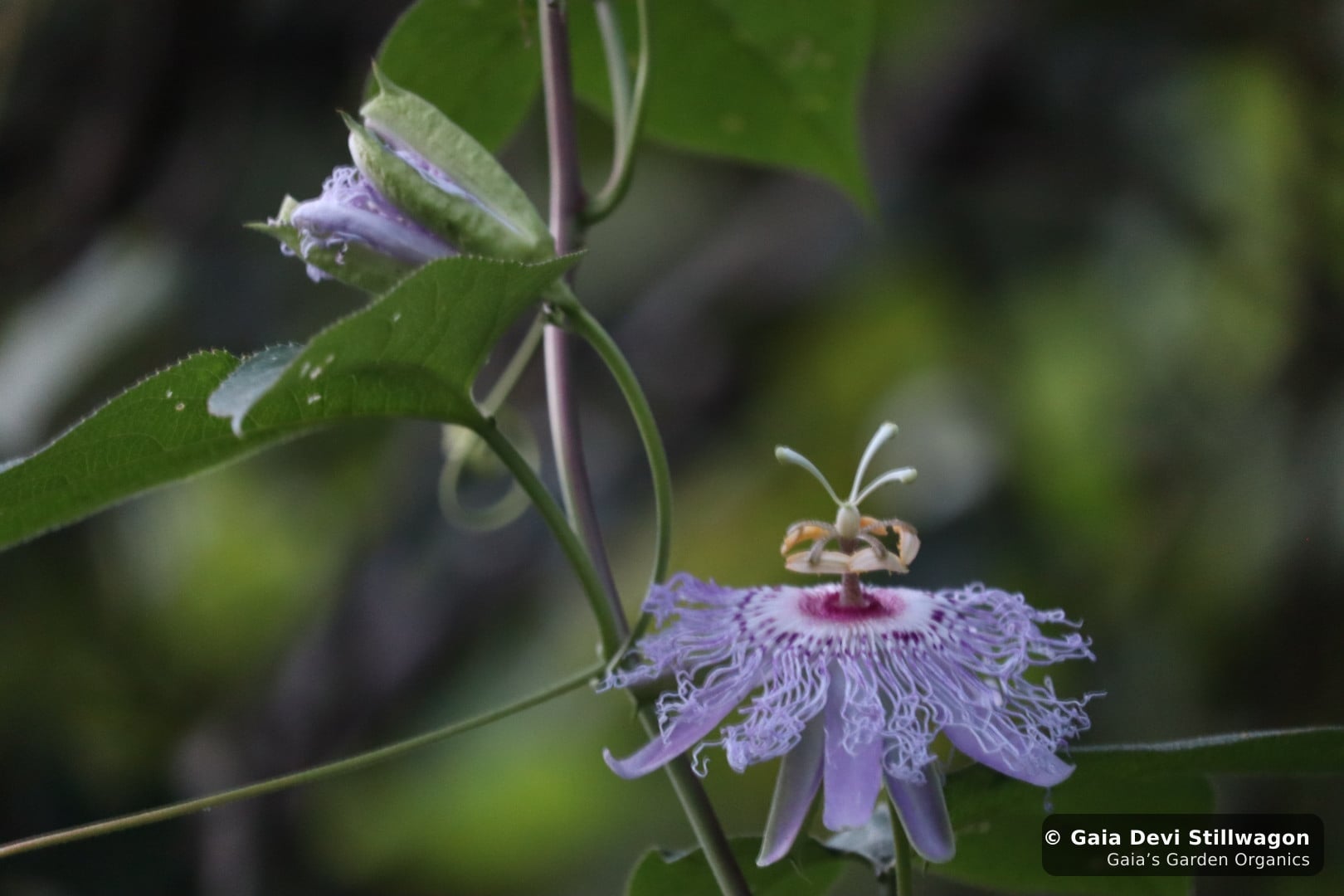
The 11 p.m. Wind-Down That Won't Come: Tea for Sleep
Sleep teas in the grocery store have too many herbs at too-small doses. Here's what an actually-effective bedtime infusion looks like.
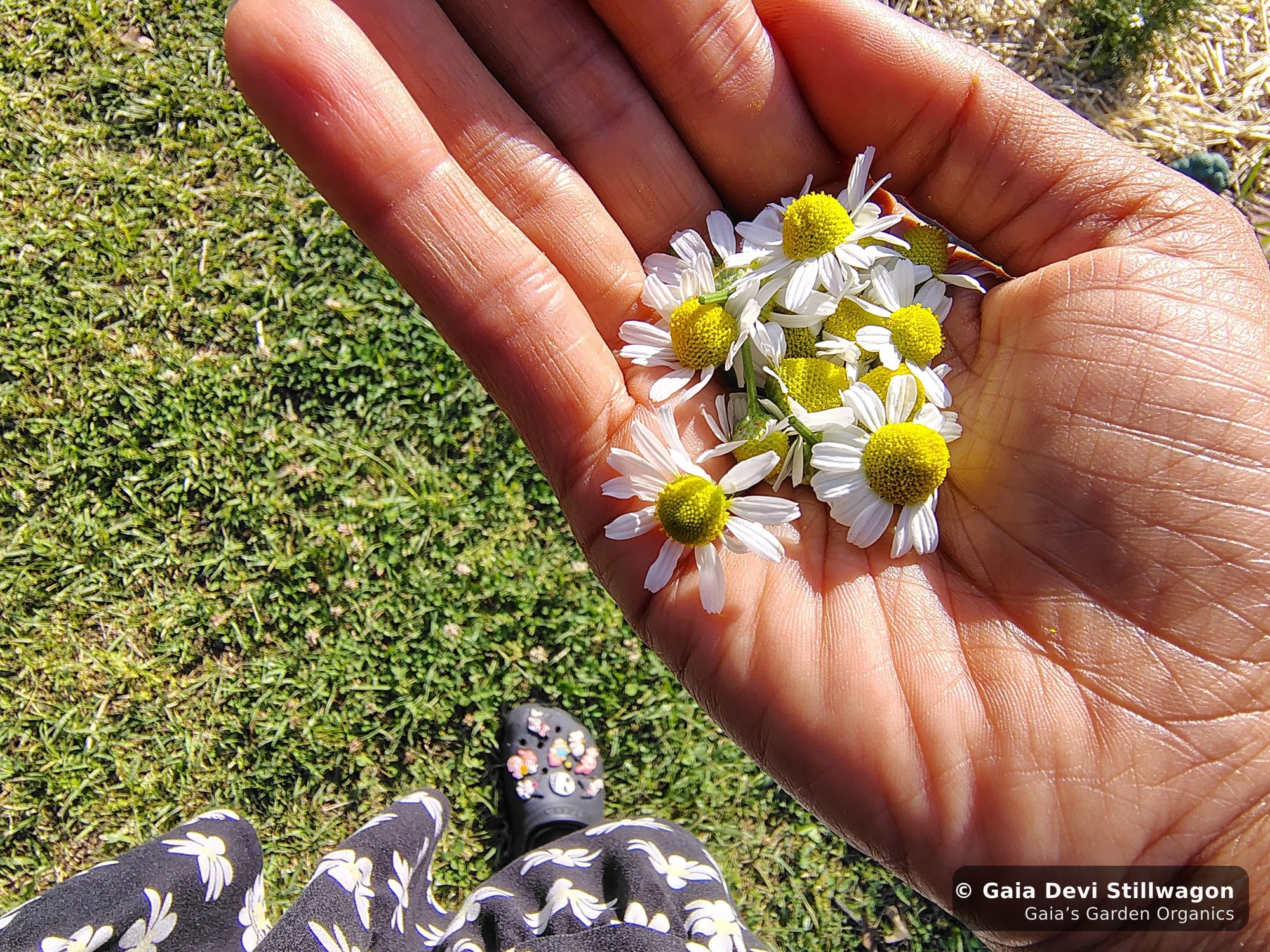
The Gut That Tightens After Meals: A Daily Cup for Digestion
Most gut symptoms come from the same handful of patterns. The herbs that match those patterns are the same handful, and they fit in a daily cup.
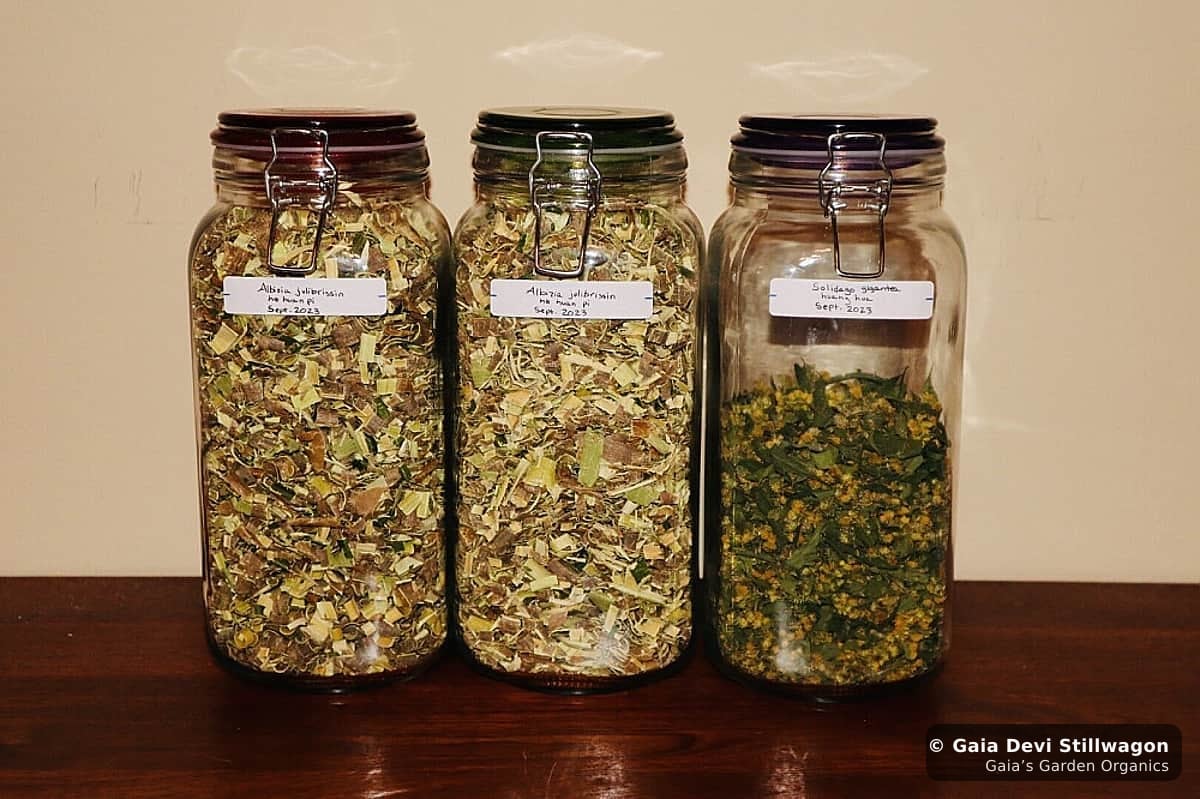
When You Can't Say No: Flower Essences for the Boundary Pattern
She is a senior nurse. She runs a household. She tells me she does not know what she actually wants for dinner. This is the pattern goldenrod is for.
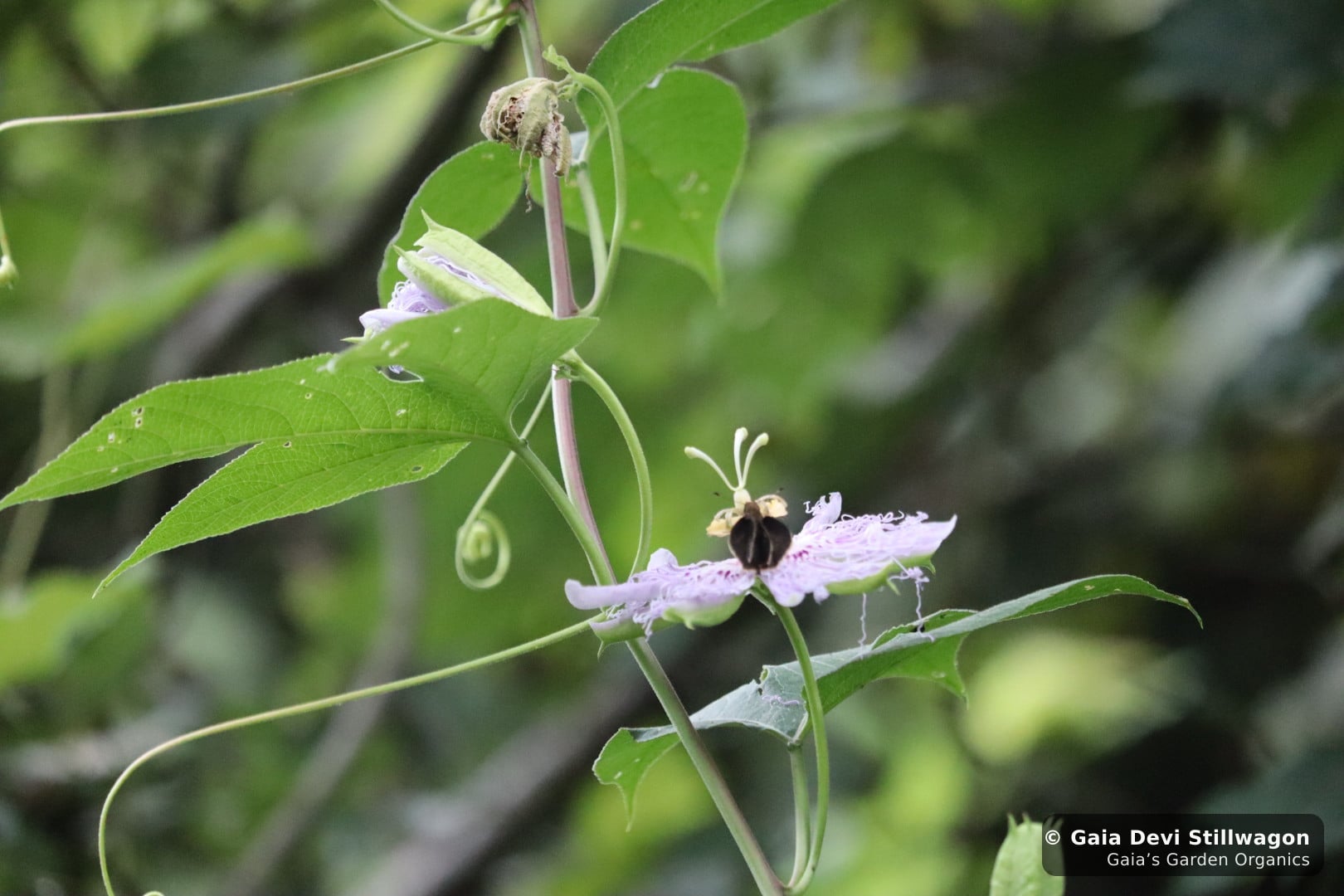
Flower Essences vs. Essential Oils: Complete Comparison Guide
Both come from flowers. One you smell. One you take. They are not the same medicine, and they do not work on the same layer.
When the Grief Won't Lift: Flower Essences for the Heart in Mourning
Grief is not a problem to solve. It is a season to move through. Heartful Essence is what I formulate for the months after, when the heart has armored itself to survive.
The Night Weaver: Herbal Tinctures for Sleep and Anxiety
You've tried melatonin, sleep apps, and three different teas. Here's why a herbal tincture works on the actual problem and how to build the evening ritual around it.
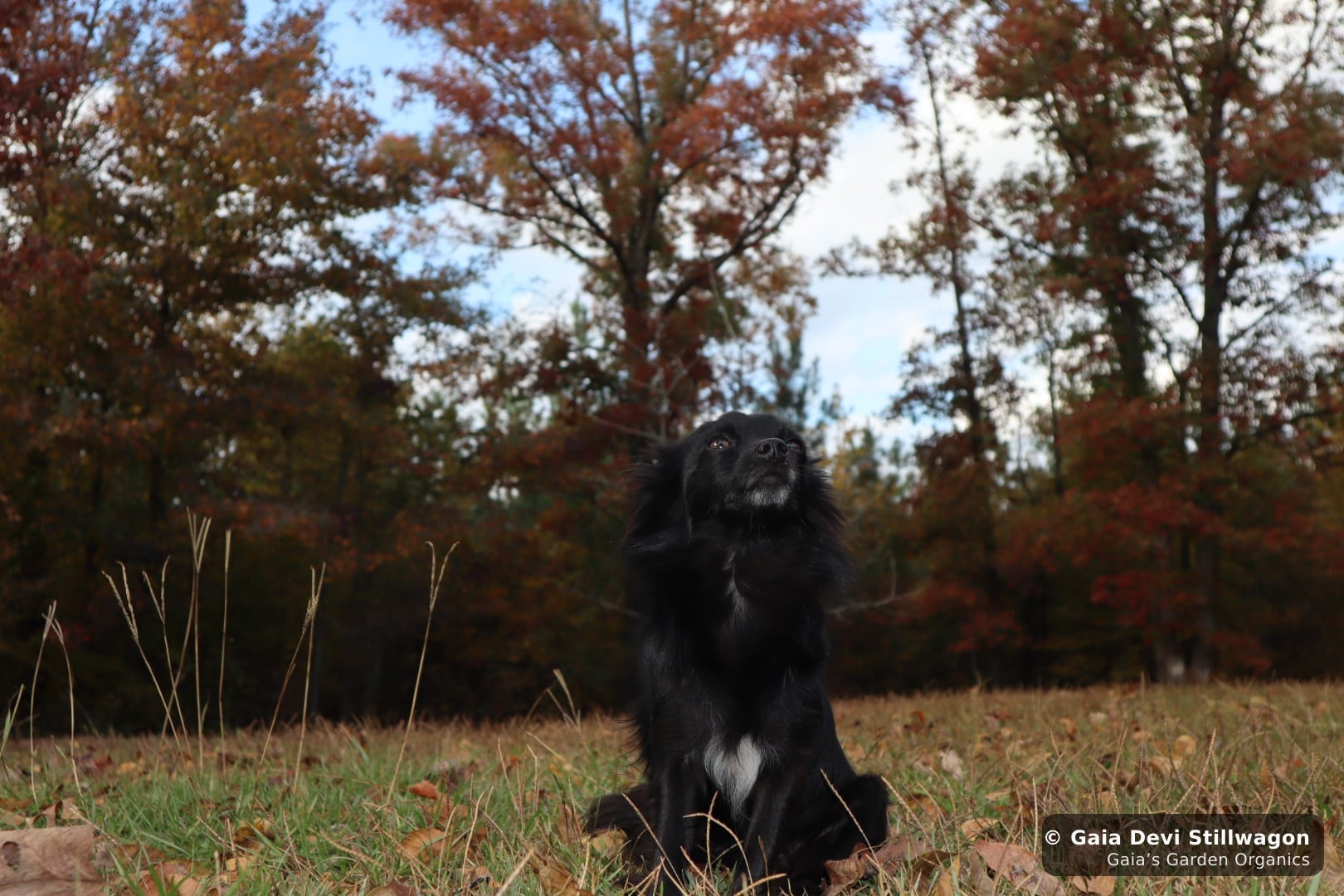
Flower Essences for Senior Dogs: Comfort, Confusion, and the Final Chapter
The aging dog who paces at night, who seems lost in familiar rooms, who is coming to the end of a long life. A clinical herbalist's protocol for the senior years.
The Lingering Cough That Won't Clear: Tea for the Lungs
Your lungs are the most directly-exposed organs in your body. Here is the daily tea that supports them.
The 2 a.m. Mind That Won't Shut Off: Insomnia and Racing Thoughts
Melatonin stopped working. The Calm app helps for one night. You're up at 2am with a racing mind. This is the most common sleep pattern I see in clinic.
When Your Pet Can't Settle: A Gentle Path to Calm for Animals
Flower essences work for pets the same way they work for humans, on the emotional layer rather than the body's biochemistry. Here is the introduction.
When the First Cold Goes Through the House: Tincture Protocol
Tea handles the daily baseline. Tincture handles the acute moments. Here is the seasonal immune protocol that uses both formats well.
The Science of Sublingual Absorption
Tinctures work because of what happens under the tongue. Here is the actual physiology, in plain English.
When Anxiety Lives in the Body, Not the Mind: Flower Essences
A flower essence is not a sedative. It is not an oil. It is the energetic imprint of a flower in water, and it changes the emotional baseline of the anxious nervous system over weeks.
Confidence Essence for Shy, Fearful, or Rescue Dogs: Goldenrod's Quiet Strength
The dog who flinches, who hides behind your legs, who has come to you with a history. A clinical herbalist's protocol for using Confidence Essence with shy and rescue dogs.
Flower Essences for Dog Travel Anxiety: Car Rides, Long Trips, and Boarding
The dog who throws up every time the car starts moving. The dog who refuses to walk into the boarding kennel. A clinical herbalist's protocol for the travel-anxious dog.
The Post-Workout Ritual: Integrating Comfort & Ease
Recovery is half the workout. Here is the simple post-workout ritual that lowers tension-pattern soreness and supports the body through training.
When You Leave and the Pet Falls Apart: Essences for Separation
Your dog destroys things when you leave. Your cat scratches the door. Here are the essences that match the separation-anxiety pattern and how to use them.
What's Actually in Your Cup: A Clinical Look at Tea Herbs
Herbal tea ingredients have changed less than you'd think across the past few hundred years. Here are the classical herbs that anchor most clinical tea formulas, and why they last.
Flower Essence for Dog Vet Anxiety: Pre-Visit Calm and During-Exam Support
The annual exam, the unexpected emergency, the recurring follow-ups. A clinical herbalist's protocol for using Tranquility Essence to help an anxious dog through veterinary visits.
Calming Thunder Phobia: Flower Essences for Fear of Loud Noises
Your dog hides under the bed when the storm rolls in. Here is the flower essence protocol I use in clinic for the thunder-and-fireworks fear pattern.
The Sacred Pause - Organic Herbal Tea
A daily tea ritual is not about a single mug. It is about the pause built around it. Here is why the pause is half the medicine.
When the Soreness Won't Let Go: Post-Workout Tension Patterns
Reaching for ibuprofen after every hard training session? Your body is telling you something more specific than 'I'm sore.'
When the Mood Won't Settle: Flower Essences for the Heart
A beginner's guide to the gentlest form of plant medicine I work with in clinic. What essences are, how they actually work, and how to pick yours.
Simple Herbal Remedies You Can Make at Home
You do not need a fancy apothecary to start making your own herbal medicine. Five simple preparations and a kitchen are enough.
Multi-Dog Household Tension: Flower Essences for Dog-Dog Friction
When the household isn't quite peaceful. The new puppy stressing the senior dog, the two dogs who can't seem to settle around each other. A clinical herbalist's protocol.
The Day-After Ache: Supporting the Post-Workout Body
Most adult soreness has two layers: real muscle fatigue, and the tension pattern the body added on top. The herbs that help target the second layer.
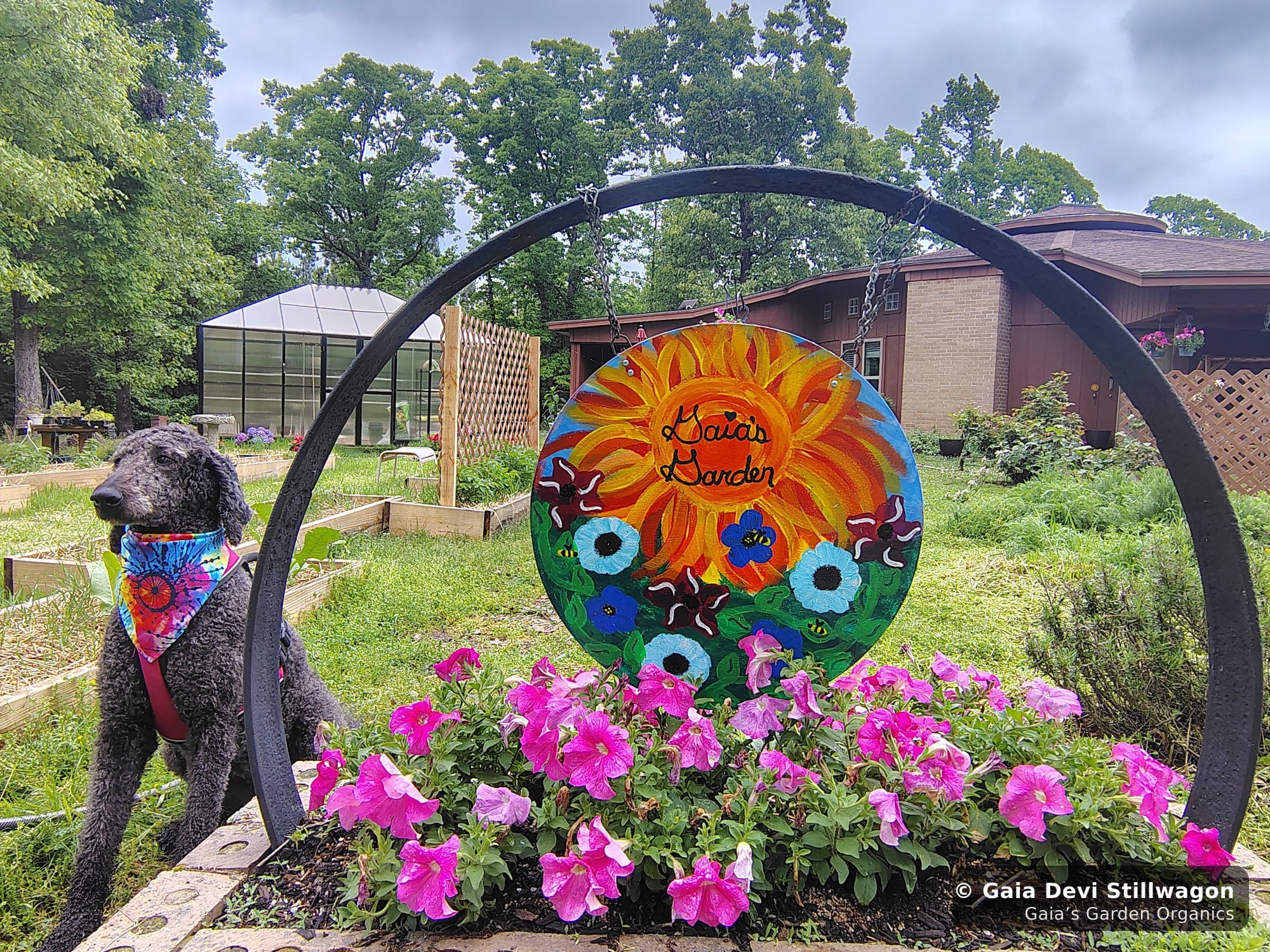
How to Give Your Dog Flower Essences: 4 Methods That Work
The four reliable methods for getting flower essences into your dog's life, ranked by reliability and ease, with notes on when to choose each one.
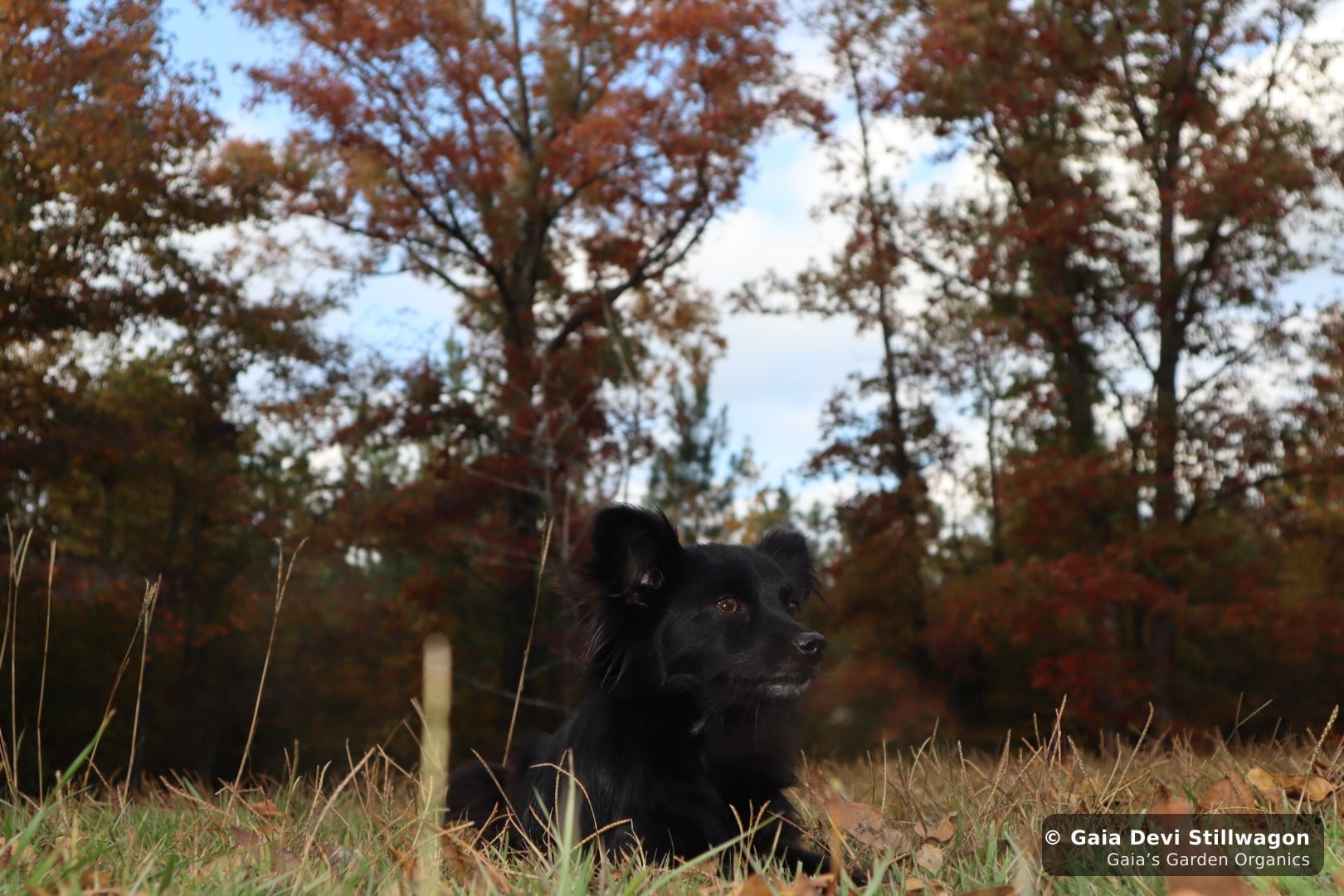
Are Flower Essences Safe for Dogs? The Brandy Question Honestly Answered
The most-asked question we get from dog owners: isn't there alcohol in flower essences? A clinical herbalist's honest answer about brandy, dilution, and why dogs do well on Bach-method preparations.
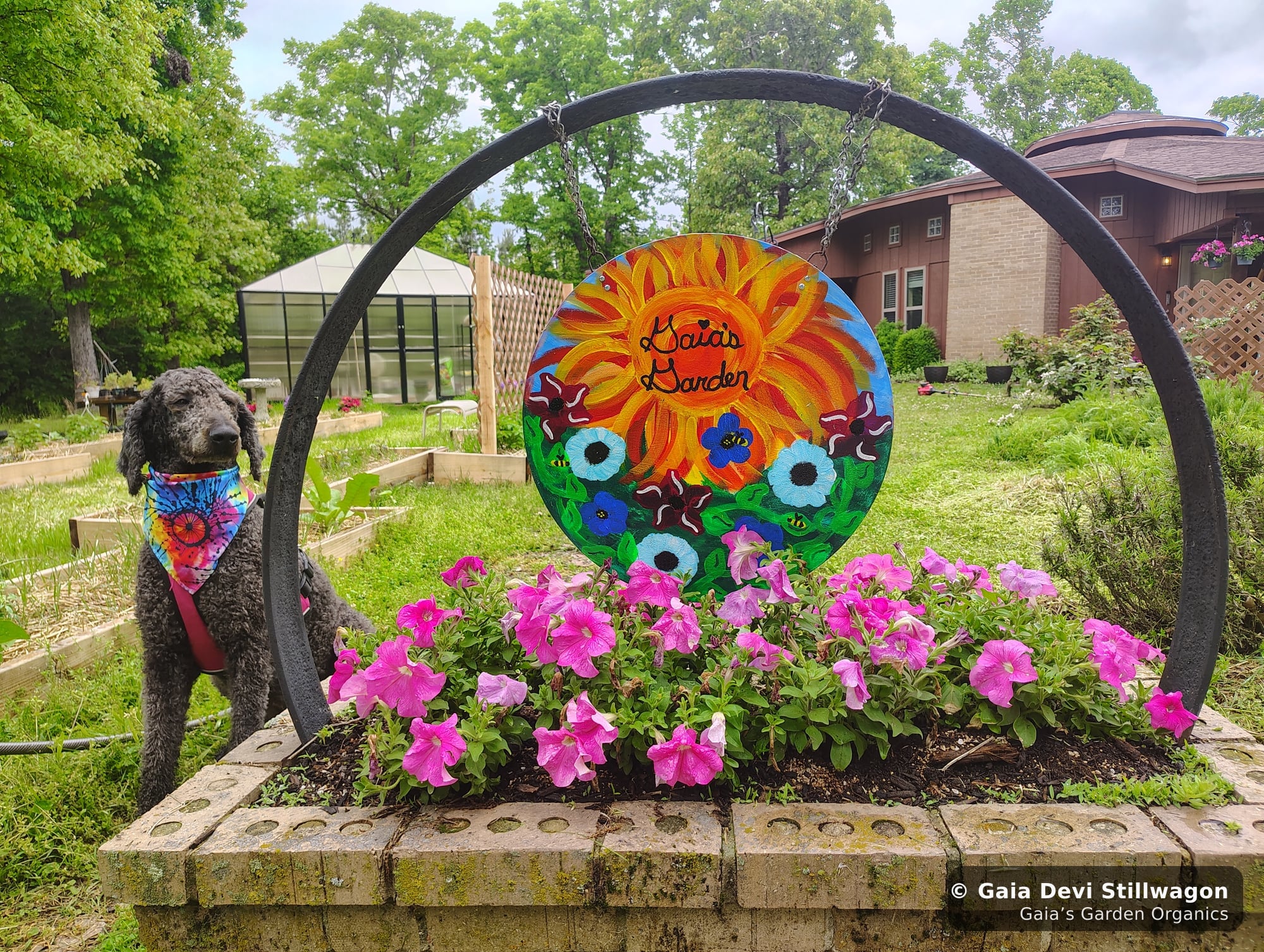
Bach Flower Essences vs Dog Calming Drops: What's the Real Difference?
Dog calming drops are everywhere now. Bach flower essences are a 90-year-old tradition. A clinical herbalist's honest comparison of the two and when to choose each for your dog.
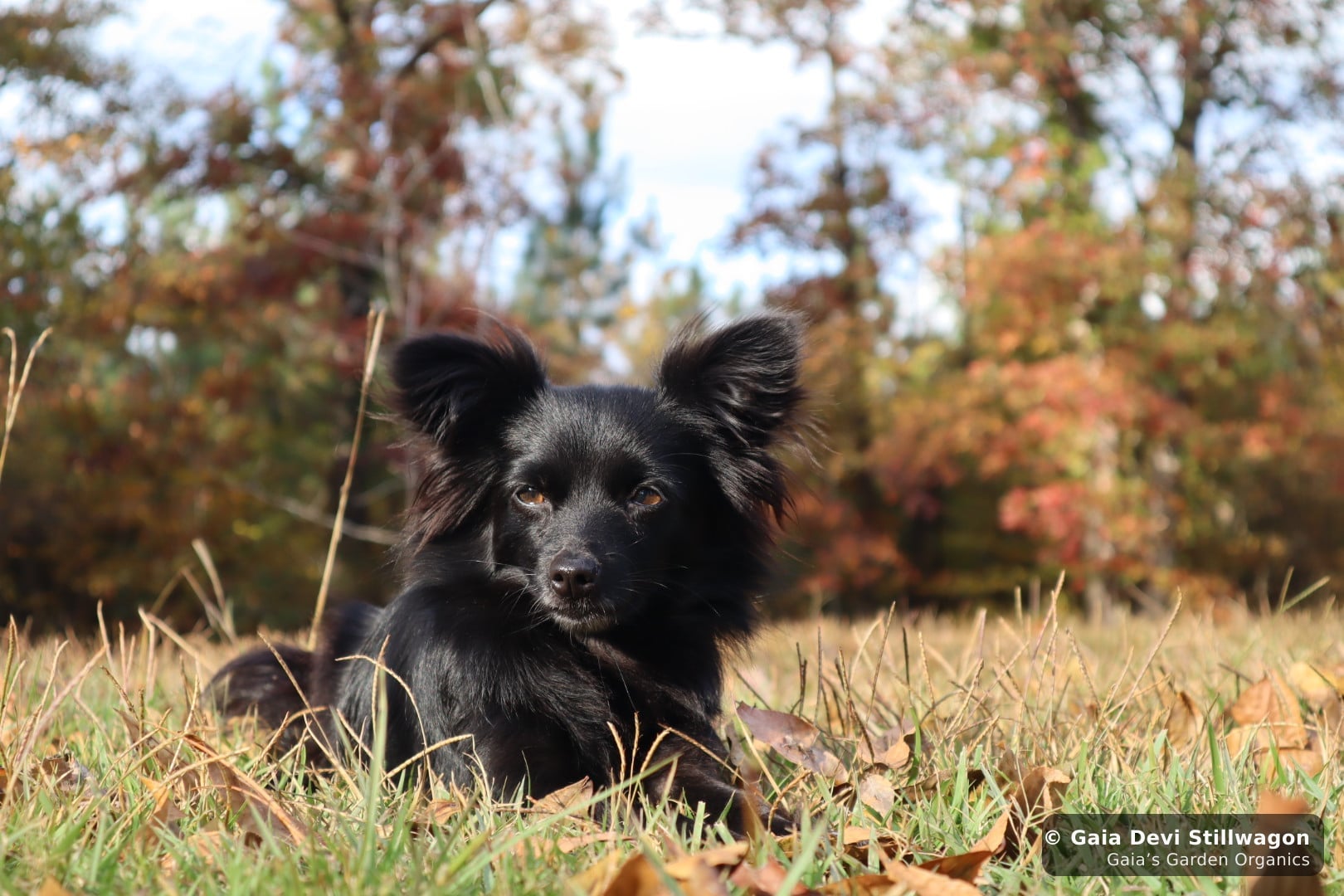
Flower Essence for a Grieving Dog: When the Other Animal is Gone
The dog who searches the house for a companion who isn't coming back. The senior dog who stops eating after losing his bonded sister. A clinical herbalist's protocol for the surviving dog.