In this article (6)▾
Flower essences are one of the most-underused tools in veterinary herbal medicine. They are safe across species, have no measurable drug interactions, work on the emotional and dispositional layer that pet behavioral medicine often misses, and cost a fraction of prescription alternatives. This guide is the introduction I wish someone had written for pet owners new to the format.
If your pet is new to this kind of support, my overview of how flower essences work is a gentle place to begin.
What a flower essence is
A flower essence is a sun-infused water preparation of fresh blossoms, preserved with high-proof brandy. The Bach method, developed in 1930s England, captures what Bach called the "vibrational pattern" of the flower. The finished essence contains no measurable plant matter; the active component is energetic rather than pharmacological.
What this means for pets: there is no drug-interaction risk, no toxicity at any practical dose, no liver or kidney metabolism concern. The essence is the gentlest form of plant medicine in clinical use.
How essences work on pets
Pets have emotional patterns the same way humans do: chronic fearfulness, attachment-driven anxiety, grief after losing a housemate, boundary-erosion with overbearing humans, the depleted spark of a chronically stressed animal. Each pattern responds to a matched essence in the same way the human pattern would.
Animals often respond faster than humans because they have fewer learned defenses against feeling the shift. A grieving dog after losing its housemate often softens noticeably within 2-3 weeks of daily Heartful Essence.
Matching the essence to the pet
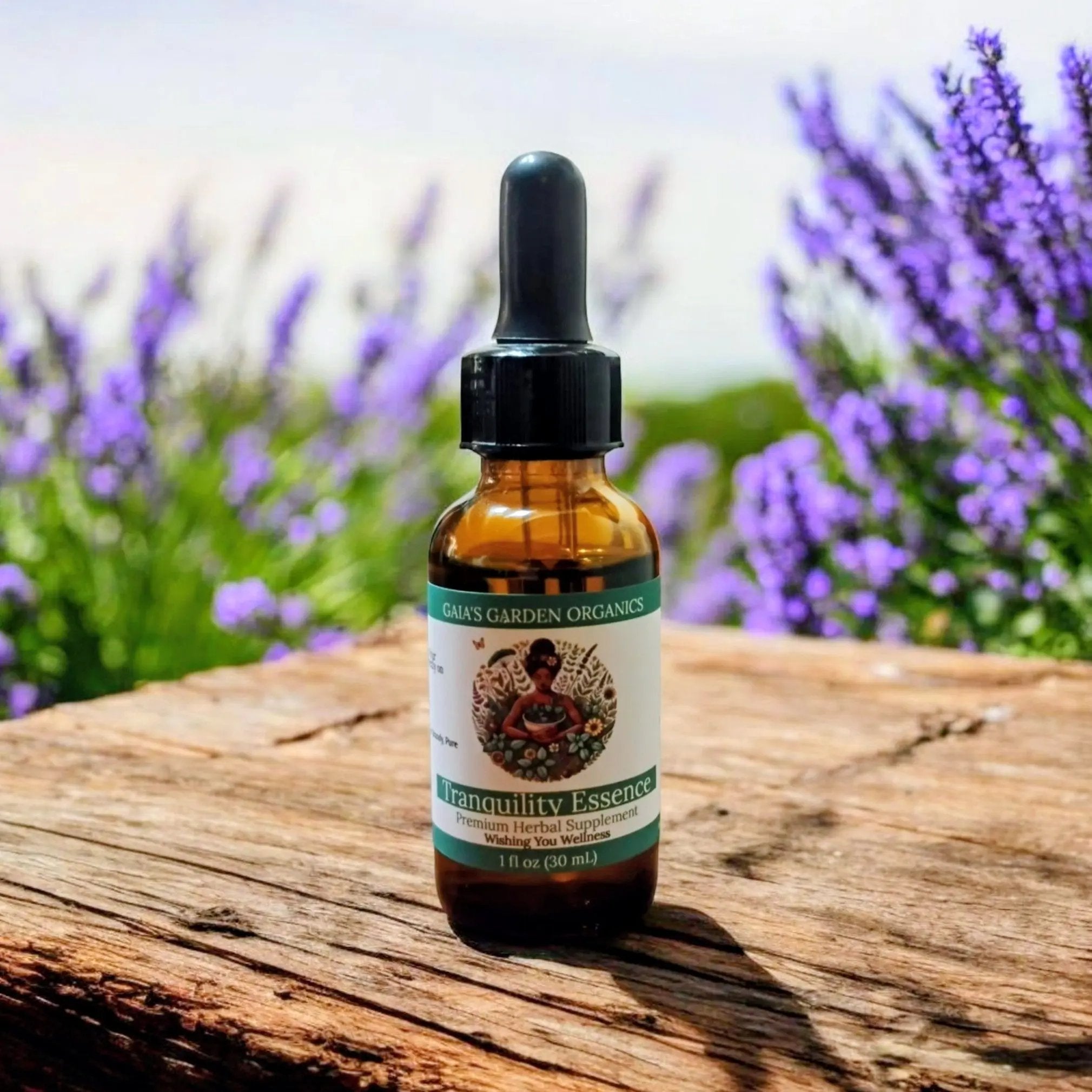
- Tranquility (lavender): General anxiety, thunder phobia, fireworks fear, separation anxiety, fearful rescues. The most common pet essence and the broadest starting point.
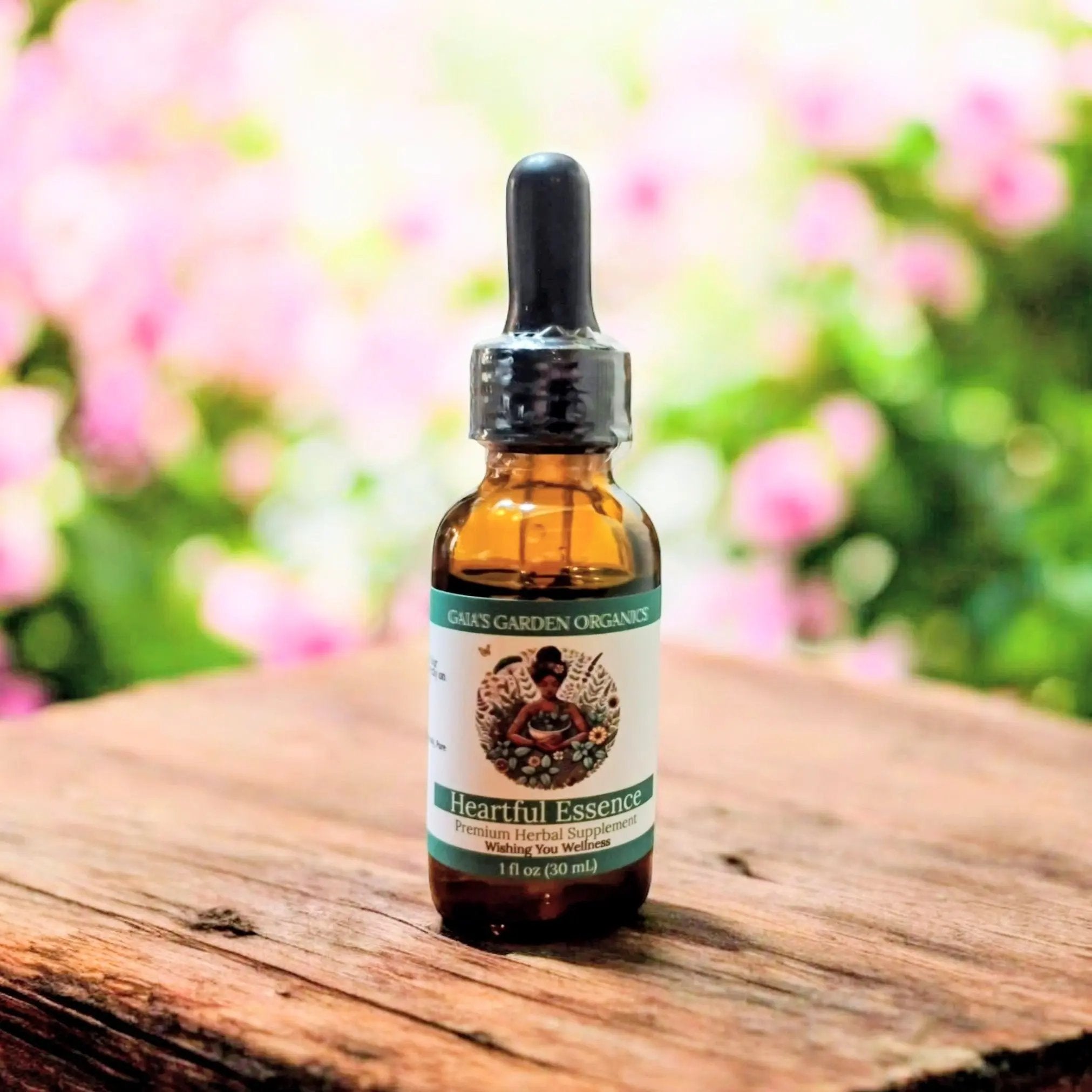
- Heartful (rose): Grief after losing a housemate (human or animal), trauma history, pets who have been surrendered, the closed-off and defended pattern.
- Confidence (goldenrod): Pets who shadow their humans constantly, lack independent self, panic at any separation. The "I don't know who I am without you" pattern.
- Clarity (peppermint): Older pets with cognitive decline or sundowning; pets recovering from illness who seem foggy.
- Vitality (spearmint): Depleted spark, chronically stressed or overworked pets, post-illness recovery, working dogs in mental fatigue.
How to dose
- Standard: Four drops in the water bowl, twice daily. The dose is the same regardless of pet size; the essence is energetic, not weight-dependent.
- Acute moments: A few drops on the gums or in a small treat. Effects begin within 20-30 minutes.
- Cats: If the cat is sensitive to the alcohol scent in the water bowl, dilute the drops in a tablespoon of water and offer separately, or rub on the ear flap.
- Long-term: Most pets need essence support for 4-8 weeks to establish the new emotional baseline, then taper to as-needed.
What essences cannot do
- They do not replace training. The behavioral component is what teaches new behavior; the essence supports the emotional layer.
- They do not treat physical conditions. A pet with hyperthyroidism, pain, or neurological disease needs veterinary diagnosis and treatment.
- They do not work as one-time interventions. Daily use across weeks is what creates the shift.
- They are not substitutes for severe behavioral medicine. Pets with self-harm or aggression need veterinary behavioral support; the essence can run alongside.
Where to go from here
- Step 1 (free): Match your dog's essence in 7 questions. Take the dog essence quiz.
- Step 2 (30-night guarantee): Browse all five flower essences or start with Tranquility Essence if your pet's pattern is general fear and anxiety. The same bottles work for human and pet use.
- Step 3 (coming soon): Harmony Within, my Yoga Nidra book.
This guide is general pet-wellness support. Severe behavioral or physical issues should be evaluated by your veterinarian.
Products from this article
Handcrafted in Umpire, Arkansas by Gaia Devi, clinical herbalist.
Explore our apothecary
Learn more
Flower Essences for Pets
Drop-dose flower essences for dogs, cats, and sensitive companion animals.
Find your match
The Anxiety-Type Quiz
5-question clinical-herbalist diagnostic that names your anxiety pattern and matches a practice + plant pairing.
Shop the apothecary
Pet Wellness Essences
All 5 flower essences, framed for animal use, with per-situation dosing.
Sources & further reading
Authoritative references consulted in writing this article. Open in a new tab.
- The Bach CentreWhat are the sun and boiling methods?
- Bach FlowerAn Overview of the Bach Flower Essences
- PubMed (2022)Effects of flower essences on nursing students' stress symptoms: a randomized clinical trial
- PubMed (Thaler et al., 2009)Bach Flower Remedies for psychological problems and pain: a systematic review
- Chestnut School of Herbal MedicineFlowering Herbs (article archive)