In this article (7)▾
A client asks me, "Should I be taking the essence or the tincture?" It is the most common question I get when someone has just discovered both formats exist. The honest answer is, in clinic, most people end up using both. They are not the same medicine; they are two different layers of the same problem.
This guide is the framework I use to choose between them, or to layer them, for the anxious nervous system.
What each format actually is
The two formats live at different points on the spectrum from physiological to energetic medicine.
- Herbal tincture: An alcohol extract of fresh or dried plant material. Contains measurable plant compounds (alkaloids, flavonoids, glycosides). Acts physiologically: the active compounds bind to receptors, modulate neurotransmitter levels, change muscle tone. Onset 15-30 minutes sublingually. Duration 3-5 hours per dose.
- Flower essence: A sun-infused water preparation of fresh blossoms, preserved with brandy. Contains no measurable plant matter in the finished bottle. Acts energetically: it works on the emotional and dispositional layer rather than the body's biochemistry. Onset is more gradual (days to weeks for the felt shift). Duration is cumulative across daily use.
Both are real plant medicine. They just operate at different tiers of the system.
When to reach for an essence
Use a flower essence when the anxiety pattern is layered with an emotional disposition or stuck feeling. Signs:
- The anxiety has a quality of long-running emotional posture (defensiveness, accommodation, closed-heartedness, fear of loss).
- You can identify a felt emotional pattern alongside the body symptoms.
- You want a daily anchor that supports a long-arc emotional reorganization.
- The anxiety responds inconsistently to physiological interventions (breath work, exercise, supplements).
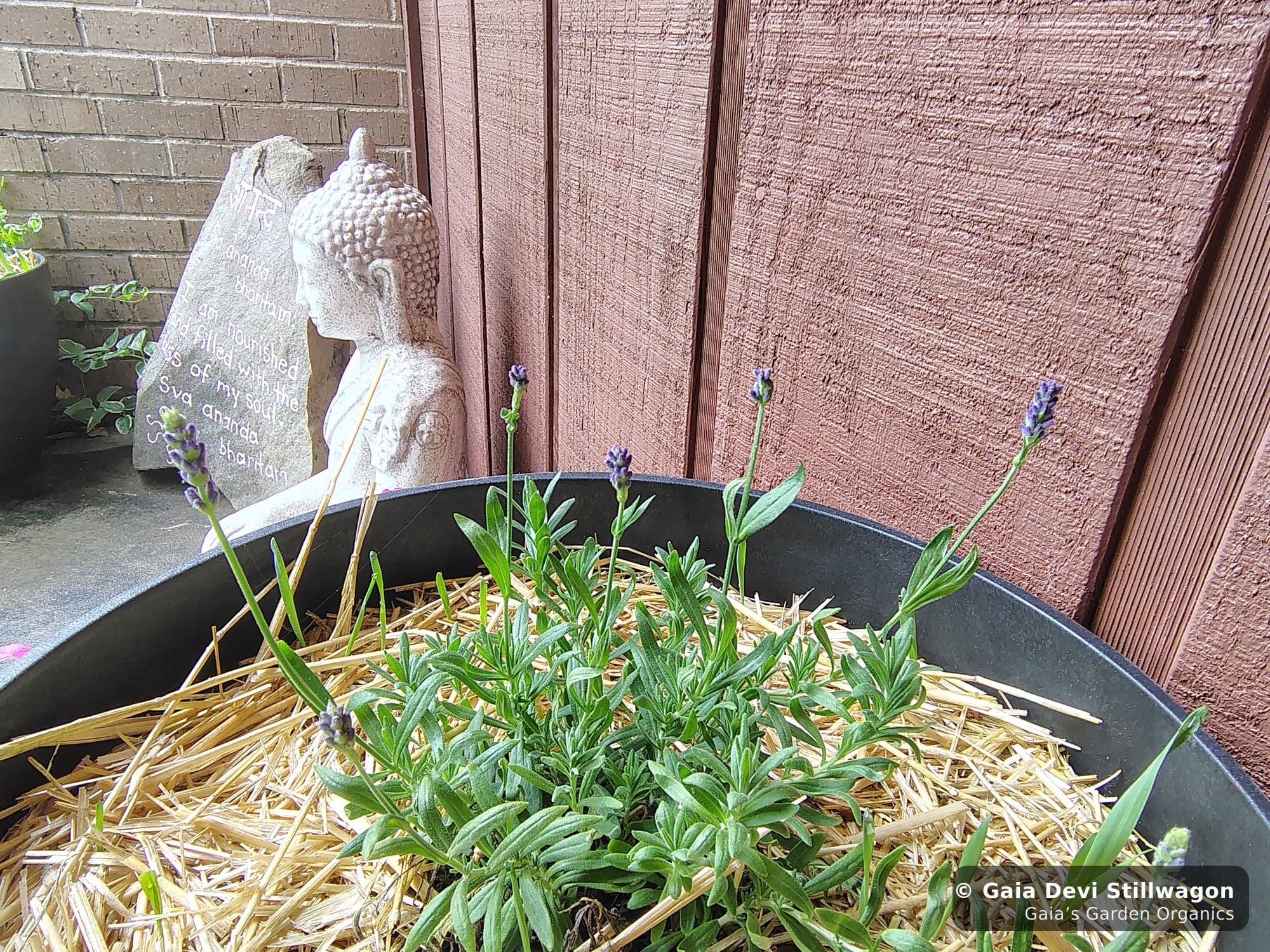
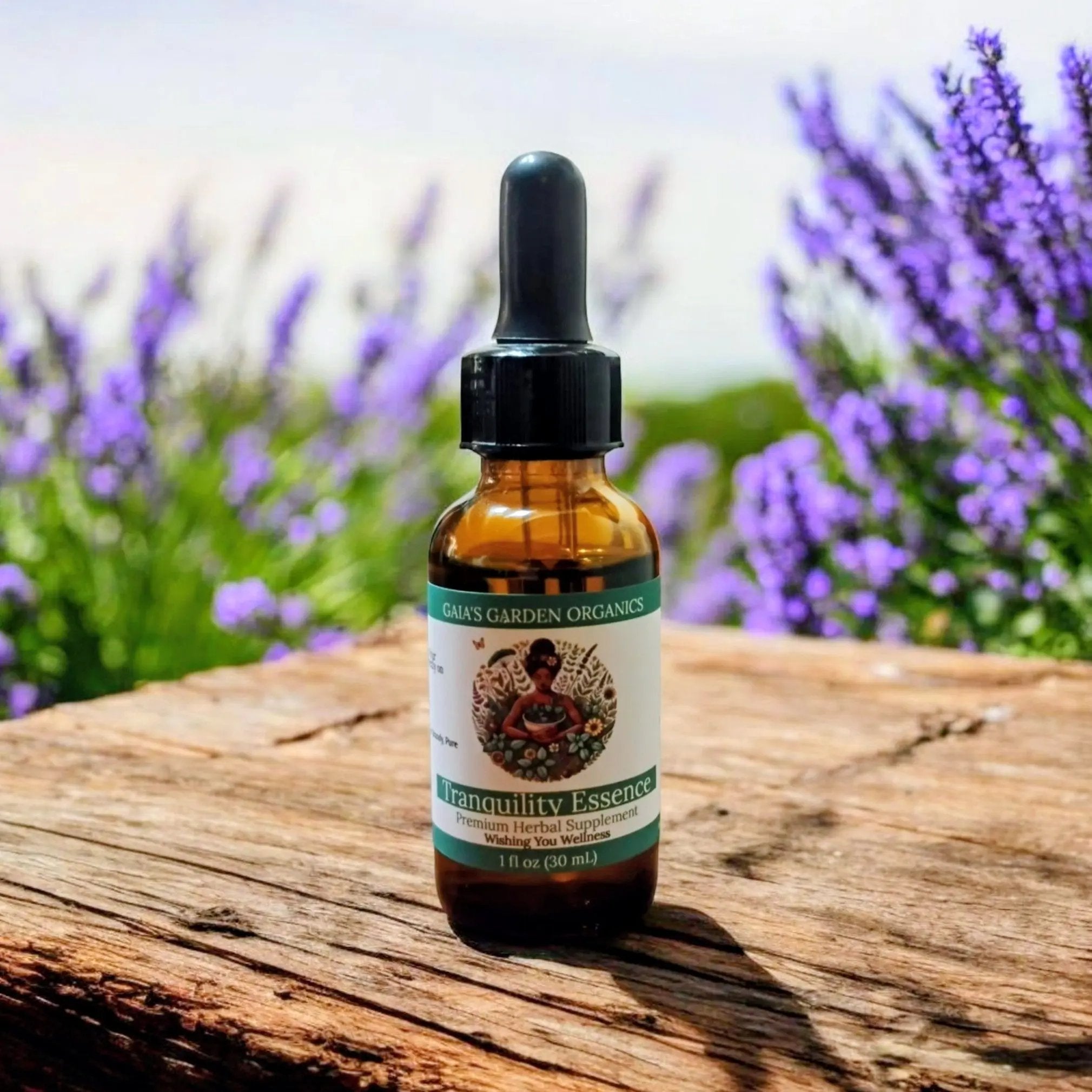
Tranquility (lavender essence) is the everyday anxious-heart essence. Heartful (rose essence) is for closed-heart anxiety layered with grief. Confidence (goldenrod essence) is for the over-accommodating, boundary-loss anxiety pattern.
For the deeper picture on the potent side of this comparison, read my guide to herbal tinctures for anxiety.
When to reach for a tincture
Use an herbal tincture when the anxiety pattern is dominated by acute body signals. Signs:
- Racing heart, chest tightness, jaw clenching, shallow breath, digestive upset on demand.
- The anxiety spikes hard and fast, often without an identifiable emotional thread.
- You need something that lands inside 30 minutes, not over 30 days.
- The pattern is more "nervous system stuck on" than "stuck feeling underneath."
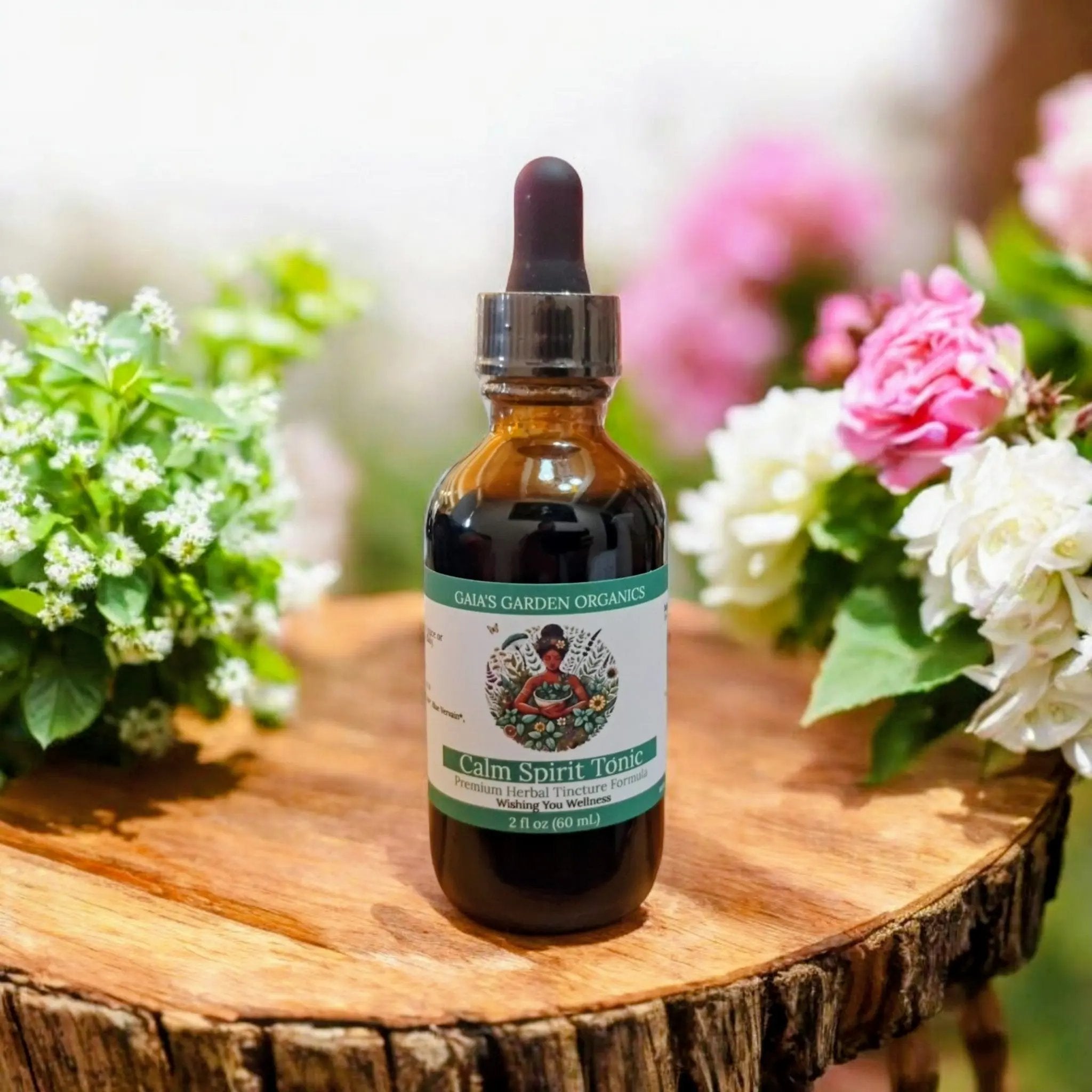
Calm Spirit Tonic is the four-herb anxiety tincture (Tulsi, Rose, Blue Vervain, Motherwort) that covers chronic baseline plus acute relief. Dreamweaver Tonic is the matched bedtime sleep-anxiety tincture.
Why most clinic clients end up using both
Pure pattern-match is rare. Most adults present with both layers: a chronic emotional disposition (essence territory) and an active nervous-system dysregulation (tincture territory). A clean clinical protocol layers them.
- Morning essence dose: Four drops of Tranquility under the tongue. Sets the emotional baseline.
- Acute moments: One to two droppersful of Calm Spirit Tonic during a spike. Handles the body in real time.
- Evening: Either essence dose for emotional integration, or Dreamweaver Tonic if bedtime is the hardest part of the day.
- Over time: The essence shifts the underlying pattern, the tincture handles the body during the shift. The two run together.
What this looks like in numbers
In my clinic, the typical anxiety-care client uses two essences for the emotional disposition (one primary, one secondary) plus one tincture for the body. Across a six-month arc, the essence keeps running daily; the tincture often tapers from daily to as-needed once the chronic body pattern softens.
Common mistakes
- Choosing only the tincture: Quick relief but the chronic emotional layer keeps generating new spikes. The work feels endless.
- Choosing only the essence: The emotional layer slowly shifts but the active body symptoms keep eroding quality of life during the transition. Many people give up before the essence has time to work.
- Switching back and forth: Both formats want consistency. Pick a starting protocol and run it for at least 30 days before changing.
Where to go from here
- Step 1 (free): The 7-Day Calm Protocol PDF, our free clinical-herbalist guide that walks the daily ritual one day at a time. Get the protocol.
- Step 2 (30-night guarantee): Start with the layer your body is asking for loudest. Tranquility Essence for the emotional layer. Calm Spirit Tonic for the active body layer. Both together in The 30-Day Calm Reset Kit.
- Step 3 (coming soon): Harmony Within, my Yoga Nidra book.
This guide is general nervous-system education and is not a substitute for medical or psychological care.
Products from this article
Handcrafted in Umpire, Arkansas by Gaia Devi, clinical herbalist.
Explore our apothecary
Learn more
Flower Essences 101
A clinical herbalist's plain-English guide to what flower essences are and how to take them.
Find your match
The Anxiety-Type Quiz
5-question clinical-herbalist diagnostic that names your anxiety pattern and matches a practice + plant pairing.
Shop the apothecary
Herbal Tinctures
Clinical weight-to-volume tinctures for nervous-system, sleep, and recovery work.
Sources & further reading
Authoritative references consulted in writing this article. Open in a new tab.
- The Bach CentreWhat are the sun and boiling methods?
- PubMed (Ernst, 2010)Bach flower remedies: a systematic review of randomised clinical trials
- PubMed (Amsterdam et al., 2009)A randomized, double-blind, placebo-controlled trial of oral Matricaria recutita (chamomile) extract therapy for generalized anxiety disorder
- PubMed (Akhondzadeh et al., 2001)Passionflower in the treatment of generalized anxiety: a pilot double-blind randomized controlled trial with oxazepam
- NCCIHDietary and Herbal Supplements