In this article (8)▾
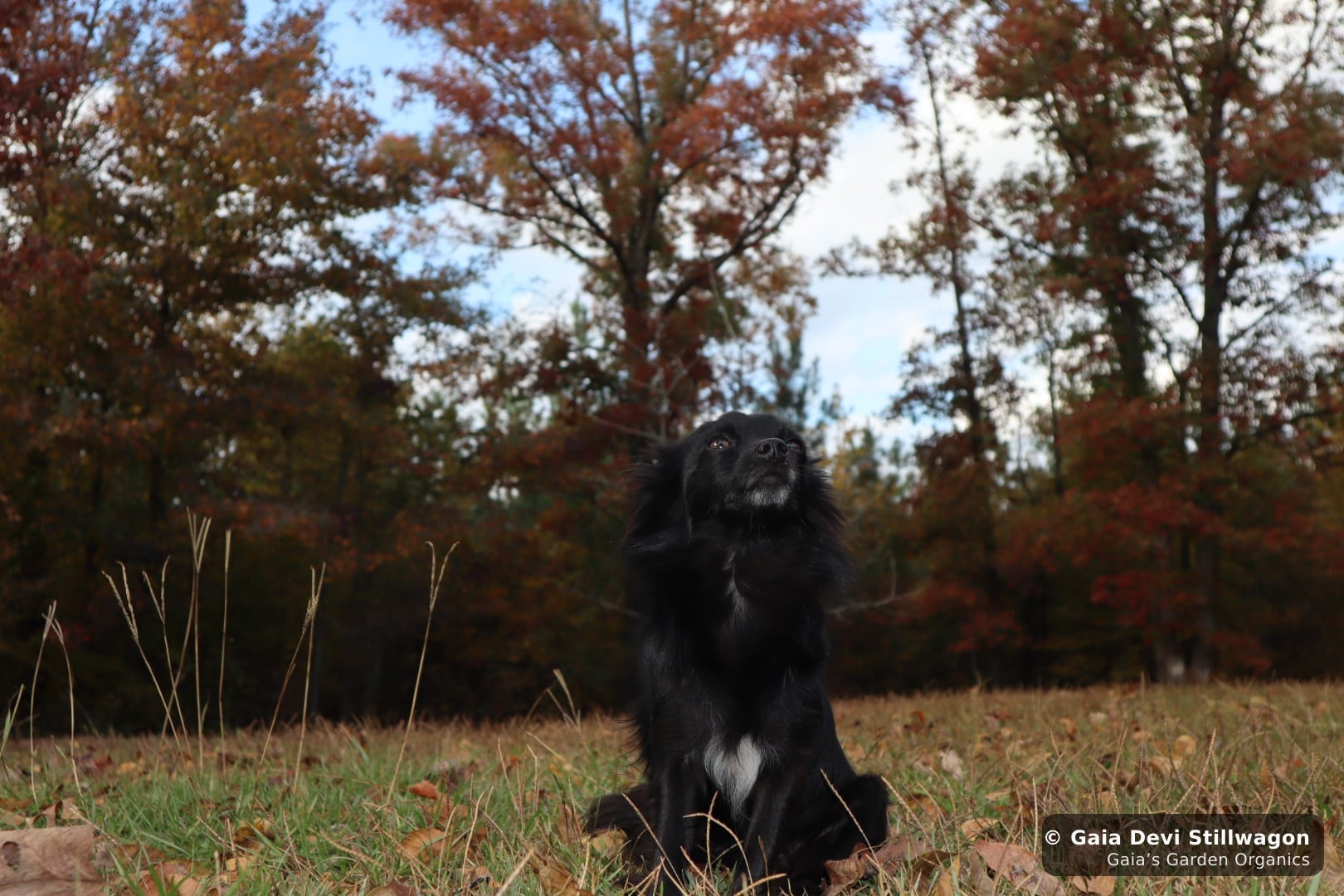
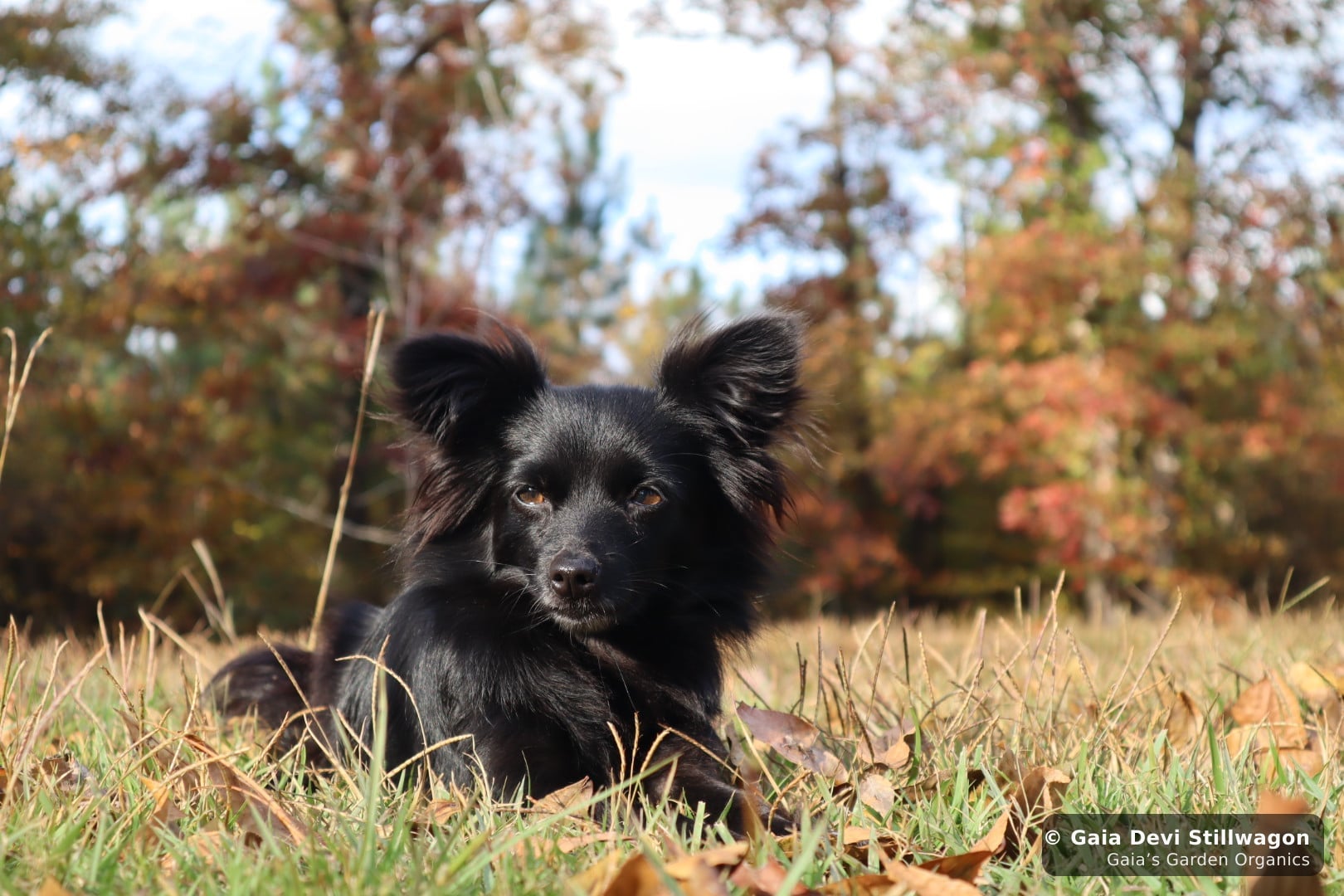
The dog who walks the house at night, room by room, looking for a companion who is not there. The senior dog who lies in the spot where his bonded brother used to lie, and stays there for hours. The dog who stops eating in the days after the household lost the other dog. The puppy who searches under every piece of furniture for the cat who passed away.
Dogs grieve. The clinical evidence for it is overwhelming, and peer-reviewed companion-animal research (including Walker et al.'s 2016 study in the Journal of Veterinary Behavior on bereavement behaviors after the loss of a household companion) confirms what every multi-pet household has always observed. The American Kennel Club's reference on grief in dogs is also a useful read for owners new to this picture.
This post is for the surviving dog. The essence is Heartful Essence (rose), and the work is gentle and slow.
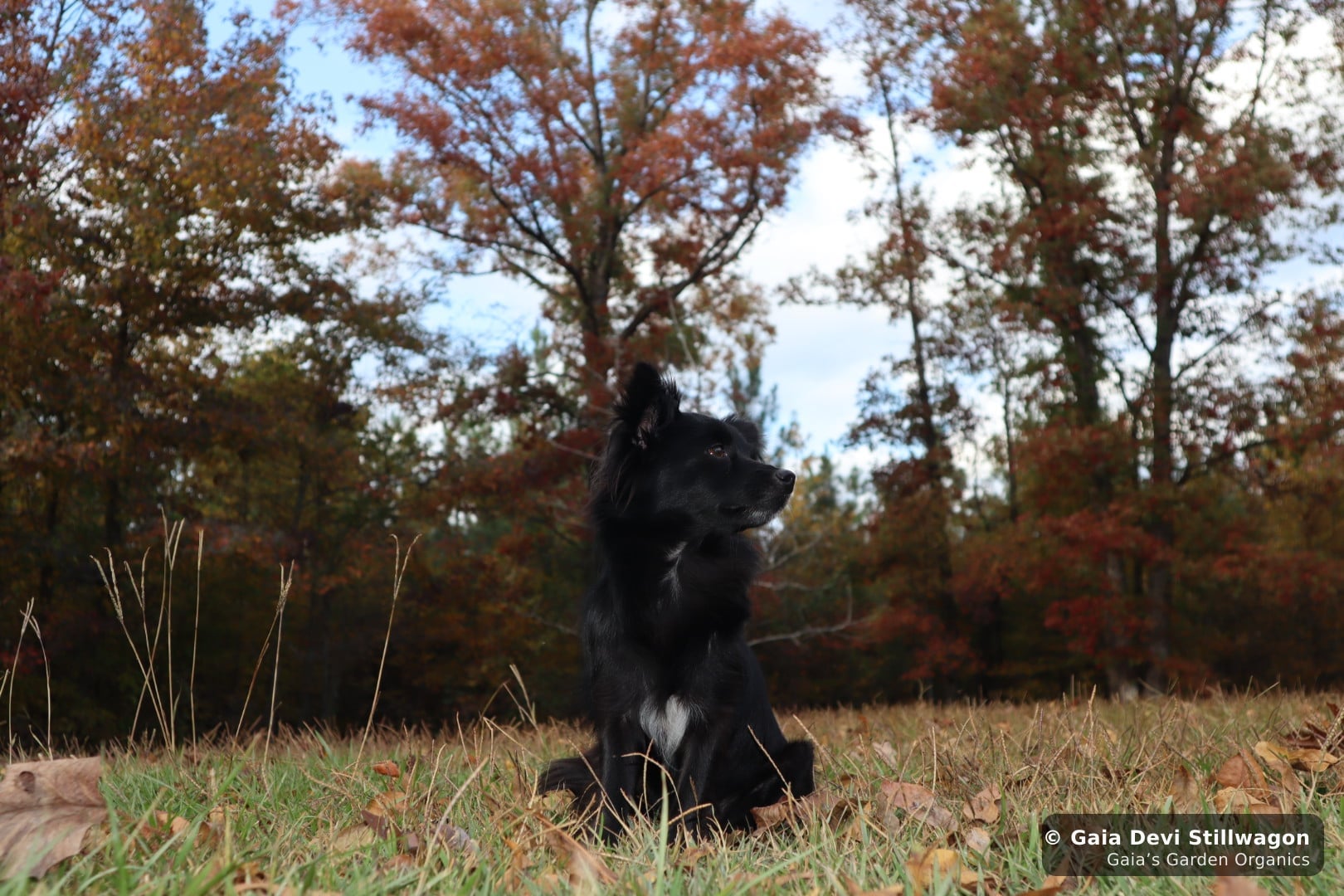
What grief looks like in dogs
The signals are familiar to anyone who has paid attention to a grieving dog:
- Searching behavior (going room to room, looking under furniture, returning to the spots the lost companion used)
- Vocalizing more than usual (howling, whining, low-grade pacing-with-noise)
- Reduced appetite, sometimes complete refusal to eat for a day or two
- Sleeping more than usual, often in unusual spots
- Hesitation or stiffness at the place where the lost companion used to sleep
- Withdrawal from human contact, or alternatively, increased clinginess
- Sometimes, a complete change in personality (the playful dog becomes quiet, the social dog becomes reclusive)
None of this is anthropomorphism. The dog is processing a real change in their social world. The bonds between dogs (and between dogs and other household animals) are real, and so is the loss of those bonds.
Why Heartful
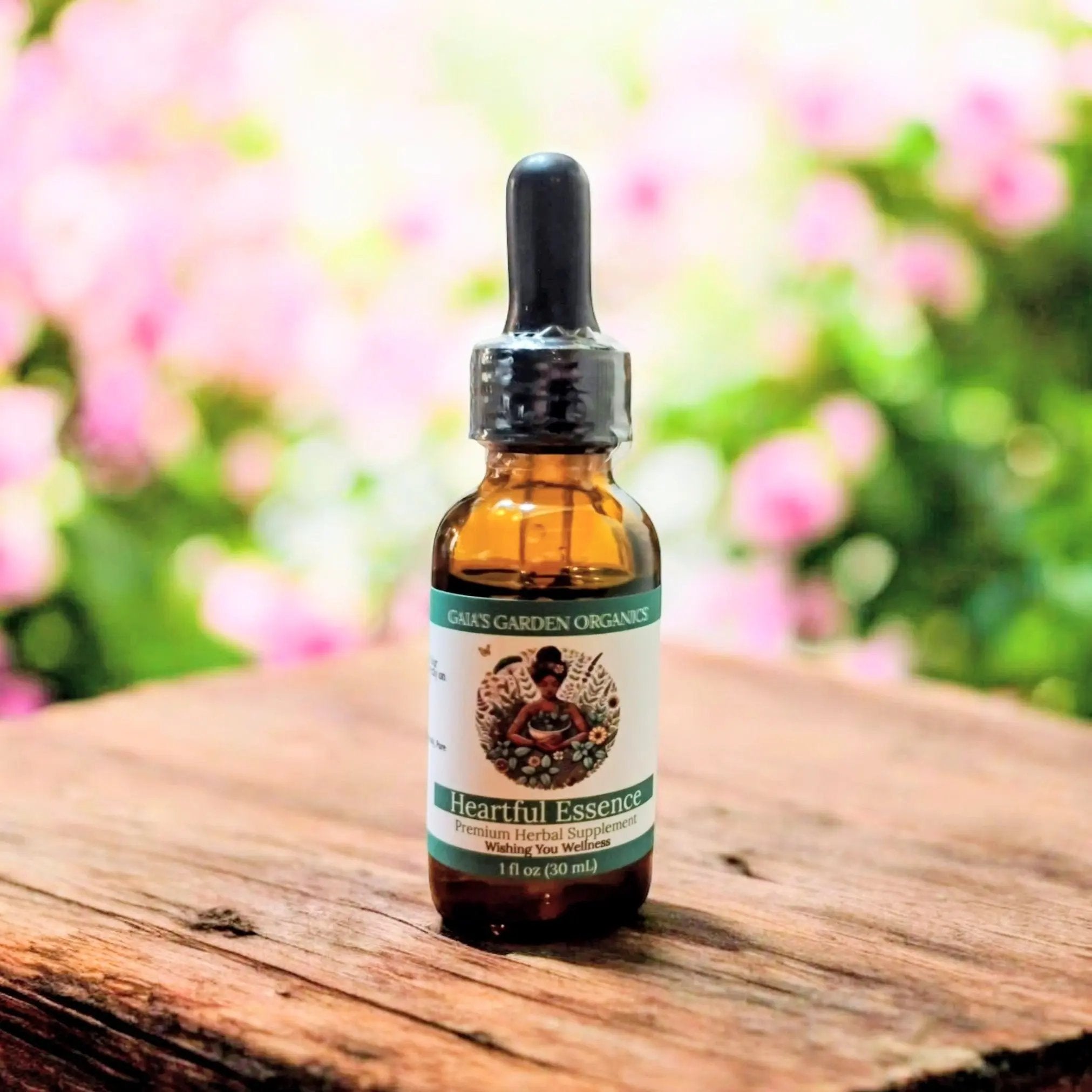
Rose has been the heart's herb across Western herbal traditions for three thousand years. The Bach-tradition flower essence holds that energetic signature in its most distilled form. When the picture is "the heart needs softening, not sedation," rose is the right plant.
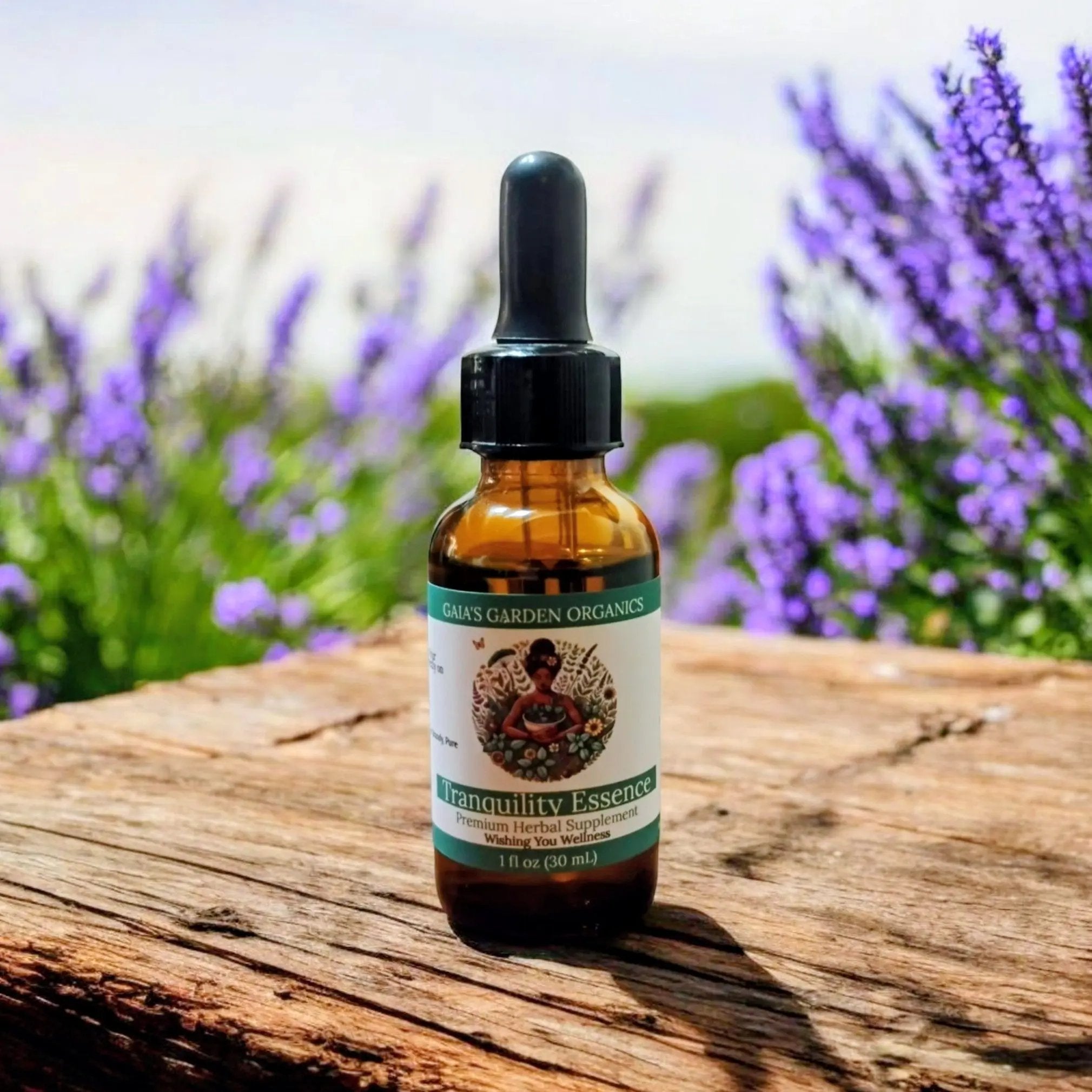
For grieving dogs, the picture is exactly that. The dog is not in acute panic; they are in the slow, heavy work of integrating a loss. They do not need the nervous-system-settling action of Tranquility (lavender). They need the heart-holding action of Heartful (rose). Some dogs benefit from both layered together, but Heartful is the central work.
We covered the broader picture of rose flower essence in our deep dive on Heartful Essence, and the human-and-dog protocol for grief in our guide to herbs for pet loss grief. This post zooms in specifically on the surviving dog.
The first week
The first week after the loss is acute. Your dog is processing the immediate change: the missing routine, the missing presence, the missing other. This is the most visibly hard week.
The essence protocol:
- A few drops of Heartful in the water bowl, refreshed daily
- A drop on the bedding where the surviving dog sleeps
- A drop on the bedding the lost companion used (if you are still keeping it accessible)
- A drop rubbed gently into the fur over the heart, once a day
Don't rush your dog through this week. Don't try to distract them out of grief. Sit with them. Be present. Maintain routines that are still possible (walks, feeding times, normal household rhythms) but allow that your dog may not engage with them at full level for several days.
Weeks two through four
The acute phase eases. The dog starts eating closer to normal. The searching behavior decreases. Your dog may begin to seek human contact again, sometimes more than usual (taking the comfort that used to come partly from the bonded animal).
Continue the daily Heartful protocol. The essence is now doing slower work: helping your dog integrate the loss into a new sense of normal. This is not "getting over it"; it is finding a way to keep going while carrying the change.
Add Tranquility to the water bowl if your dog is showing acute anxiety on top of the grief (panting, pacing, more anxious than is typical even in grief). Tranquility plus Heartful is a clean combination; they work at different layers.
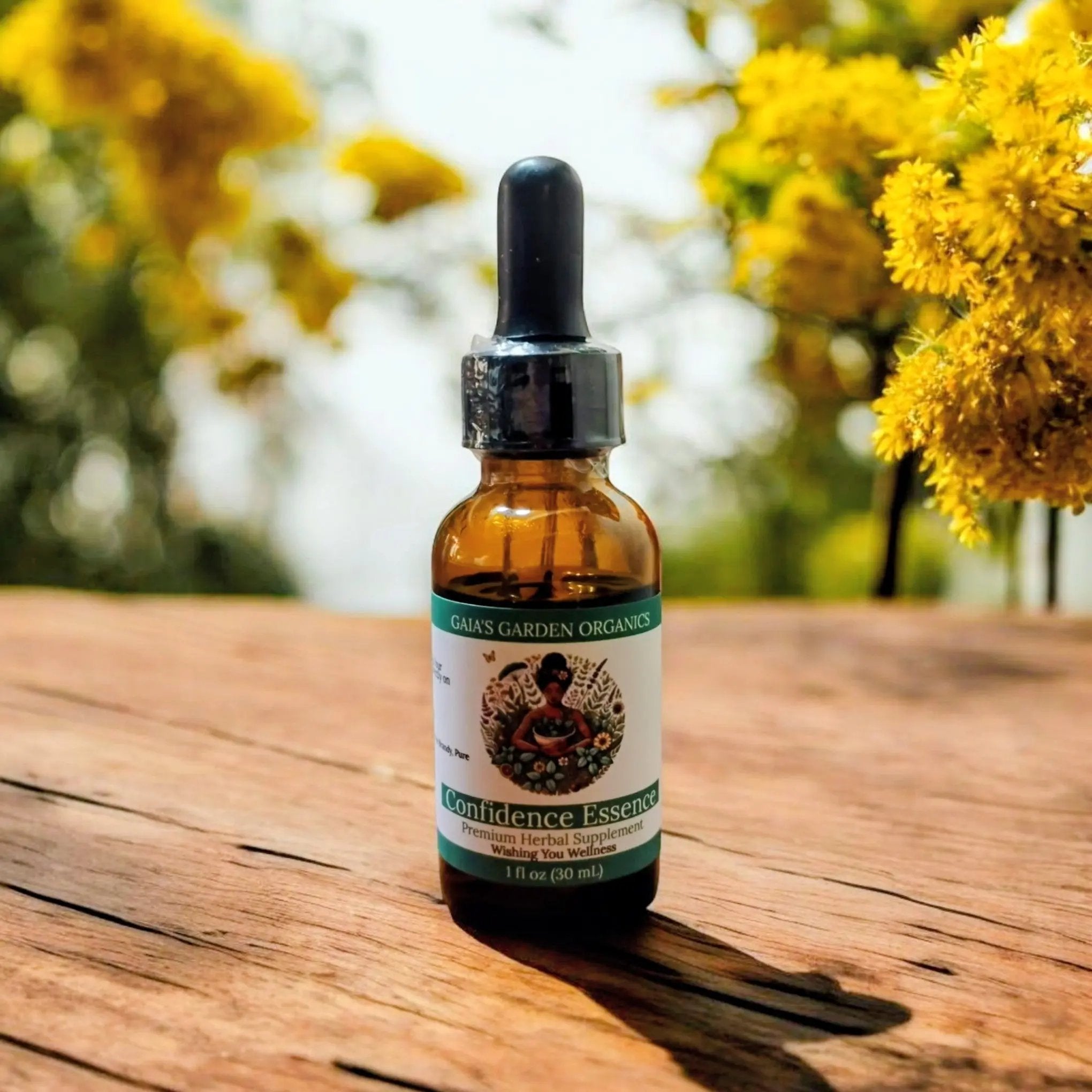
For dogs who become withdrawn or depressed, Confidence Essence (goldenrod) can help with the "I am not sure how to be in the world without my companion" layer. Run it alongside Heartful for two to three weeks.
The longer arc
Bonded dogs who have shared many years of life process the loss in their own arc, often months long. The acute phase is over by week four or five for most dogs, but a quiet, lower-grade form of grief can persist much longer. This is not a problem to be solved; it is the love of the relationship being honored by the body.
Continue Heartful in the water bowl for as long as your dog's behavior suggests it is still useful. For some dogs that is six weeks; for others it is six months. Trust the signals. When the searching behavior has fully stopped, when appetite is normal, when your dog is engaging with life at full level again, the essence has done its work and can be discontinued or moved to occasional use.
Considering a new companion
Most behaviorists recommend waiting at least four to six weeks before introducing a new dog to a grieving household. The surviving dog needs time alone first to find their new shape. Bringing in a new dog too soon asks the surviving dog to bond with a stranger while still mourning, which is too much.
When you do introduce a new dog, run the protocol from our post on multi-dog household tension. Heartful continues to be appropriate during the introduction; it holds the layer of "I am being asked to share space with someone new while still missing someone old."
The human grief layer
Almost always, the human in this picture is also grieving. The household lost a member; the human and the surviving dog are both processing the same loss in different ways. Run Heartful for yourself simultaneously. The essence is appropriate for both species, and the shared grief work between human and dog often becomes part of how both of you find the way forward.
This is the gentlest essence work we do. Slow, quiet, heart-centered, witnessed. The medicine is mostly the act of paying attention. The flower essence is the supporting layer underneath the attention.
If you want to start, Heartful Essence is the right first reach for a grieving dog. A 1 fl oz dropper bottle covers about a month of consistent water-bowl support. Hand-prepared from the rose blooms in our Arkansas medicine garden.
Frequently asked
Do dogs really grieve for their companions?
Yes. The behavioral signs are well-documented: searching the house for the missing companion, vocalizing, refusing food for a few days, sleeping more than usual, hesitating at the spot where the lost animal used to sleep. Bonded dogs grieve in observable ways. Peer-reviewed studies on companion-animal bereavement (such as Walker et al. in the Journal of Veterinary Behavior) confirm what every multi-pet household has always seen.
How long does grief last in a dog?
It varies enormously. Acute grief in dogs typically lasts two to four weeks; the lower-grade ongoing grief can persist for months. Dogs who lost a bonded companion they were with for many years often carry the change permanently in some form, the way humans do. The acute phase eases; the deeper imprint stays.
When should I worry that grief has tipped into something medical?
If your dog has not eaten in more than two days, has lost significant weight, is hiding completely, or is showing physical symptoms (vomiting, lethargy beyond what grief alone explains), see your vet. Some grief signs overlap with medical issues, and the safer path is to rule out medical causes during a hard emotional period.
Should I get a new companion dog to ease the grief?
Most behaviorists recommend waiting until the surviving dog has worked through acute grief (at least four to six weeks) before introducing a new dog. Bringing a new dog in too soon often produces more stress, not less, because the surviving dog is asked to bond with a stranger while still mourning the lost companion. Use the time to support the surviving dog alone first.
Can I use Heartful Essence alongside what my vet prescribed?
Yes. Heartful does not interact with medications. If your vet has prescribed an appetite stimulant for the not-eating phase, or a mild anti-anxiety medication for severe distress, run Heartful Essence concurrently in the water bowl. The medication addresses the acute symptoms; the essence supports the emotional layer underneath.
Products from this article
Handcrafted in Umpire, Arkansas by Gaia Devi, clinical herbalist.
Explore our apothecary
Learn more
Flower Essences for Pets
Drop-dose flower essences for dogs, cats, and sensitive companion animals.
Find your match
The Heart-Type Quiz
5-question clinical yoga therapist's diagnostic for the quietly grieving heart. Matches a 4-week rhythm to your pattern.
Shop the apothecary
Pet Wellness Essences
All 5 flower essences, framed for animal use, with per-situation dosing.