In this article (8)▾
A woman comes to my clinic. Her doctor told her she's "borderline" hypertensive. Numbers in the mid-130s over upper-80s. He says lifestyle first, medication later if the numbers don't budge. She is here because she wants to know what "lifestyle first" actually looks like at the herbal level, and which tea is real medicine versus marketing.
This guide is for that exact question. Four herbs with real cardiovascular evidence (hawthorn, hibiscus, rose, and tulsi), what each one does, what the research actually says, and how to build the daily tea ritual that supports your heart over months and years.
What "heart-healthy tea" means clinically
Heart health is a three-layer picture: structural (the heart muscle and blood vessels), functional (blood pressure, rhythm, contraction strength), and energetic (the emotional layer, what we mean when we say "heartbreak"). Different herbs target different layers.
- Hawthorn: The classical herb for cardiac muscle support and mild congestive heart failure. Studied in HERB CHF and the Pittler 2008 Cochrane review.
- Hibiscus: The evidence-strongest herb for mild blood pressure reduction, with multiple RCTs and a 2021 meta-analysis.
- Rose: The classical herb for the heart's emotional layer. Useful for grief, heartbreak, and emotional cardiovascular stress.
- Tulsi (Holy Basil): The adaptogenic layer. Modulates the stress-cardiovascular axis over weeks.
Hawthorn (Crataegus): the heart muscle's tonic
Hawthorn berries, leaves, and flowers have been used in European herbal tradition for cardiac support for over a thousand years. Modern research has focused on standardized hawthorn leaf-and-flower extract for chronic mild heart failure. The HERB CHF trial (2009) and the Pittler 2008 Cochrane review both demonstrate modest but consistent improvements in cardiac function for patients with mild congestive heart failure.
Hawthorn is a slow herb. The mechanism is gentle inotropic support (improving the heart's contraction efficiency) and modest blood-vessel dilation. Effects build over 4-8 weeks of daily use. It is not an acute heart medicine; it is a long-arc tonic.
Important: if you take cardiovascular medications, especially digoxin, hawthorn may amplify the effect. Always discuss hawthorn with your cardiologist before starting daily use.
Hibiscus (Hibiscus sabdariffa): the blood pressure work
Hibiscus has the strongest evidence base for blood pressure reduction of any herbal tea. The McKay et al. 2010 RCT showed daily hibiscus tea reduced systolic blood pressure by an average of 7 mmHg in prehypertensive and mildly hypertensive adults. A 2021 meta-analysis of multiple RCTs confirmed the effect across studies.
The mechanism appears to be a combination of ACE-inhibitor-like activity (the same pathway as some prescription blood pressure medications, but milder) and antioxidant flavonoid content. Effects build over 4-6 weeks. The numbers are modest (5-10 mmHg systolic) but real and sustainable.
Important: hibiscus can compound the effect of prescription antihypertensives. If you are on blood pressure medication, talk to your prescriber before adding daily hibiscus tea; the combined effect can drop your numbers further than intended.
Rose: the heart's emotional layer
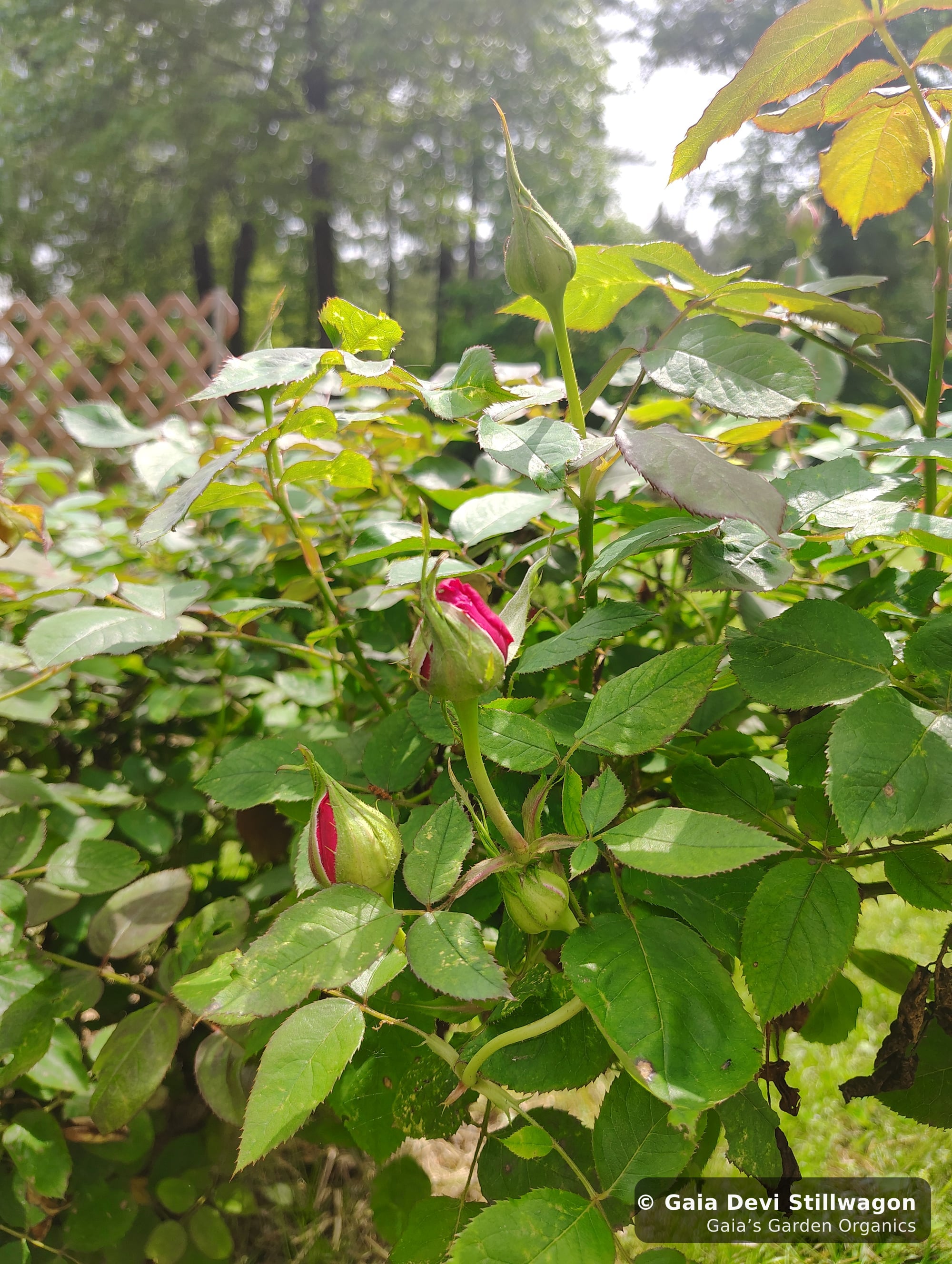
Rose petals have been used for the heart in every herbal tradition we have records of. Persian medicine used rose for emotional inflammation; Chinese medicine uses rose for "stuck liver qi" (emotional stagnation); the European tradition uses rose for grief and heartbreak.
What rose does cardiovascularly is subtle. It is not a blood-pressure medication. It is a heart-rhythm medicine in the felt sense: the chest softens, the breath deepens, the emotional armor around the heart loosens. For people whose cardiovascular stress is layered with grief, heartbreak, or chronic emotional bracing, rose addresses the underneath. It pairs well with hawthorn or hibiscus on the physiological side.
Tulsi: the adaptogenic layer
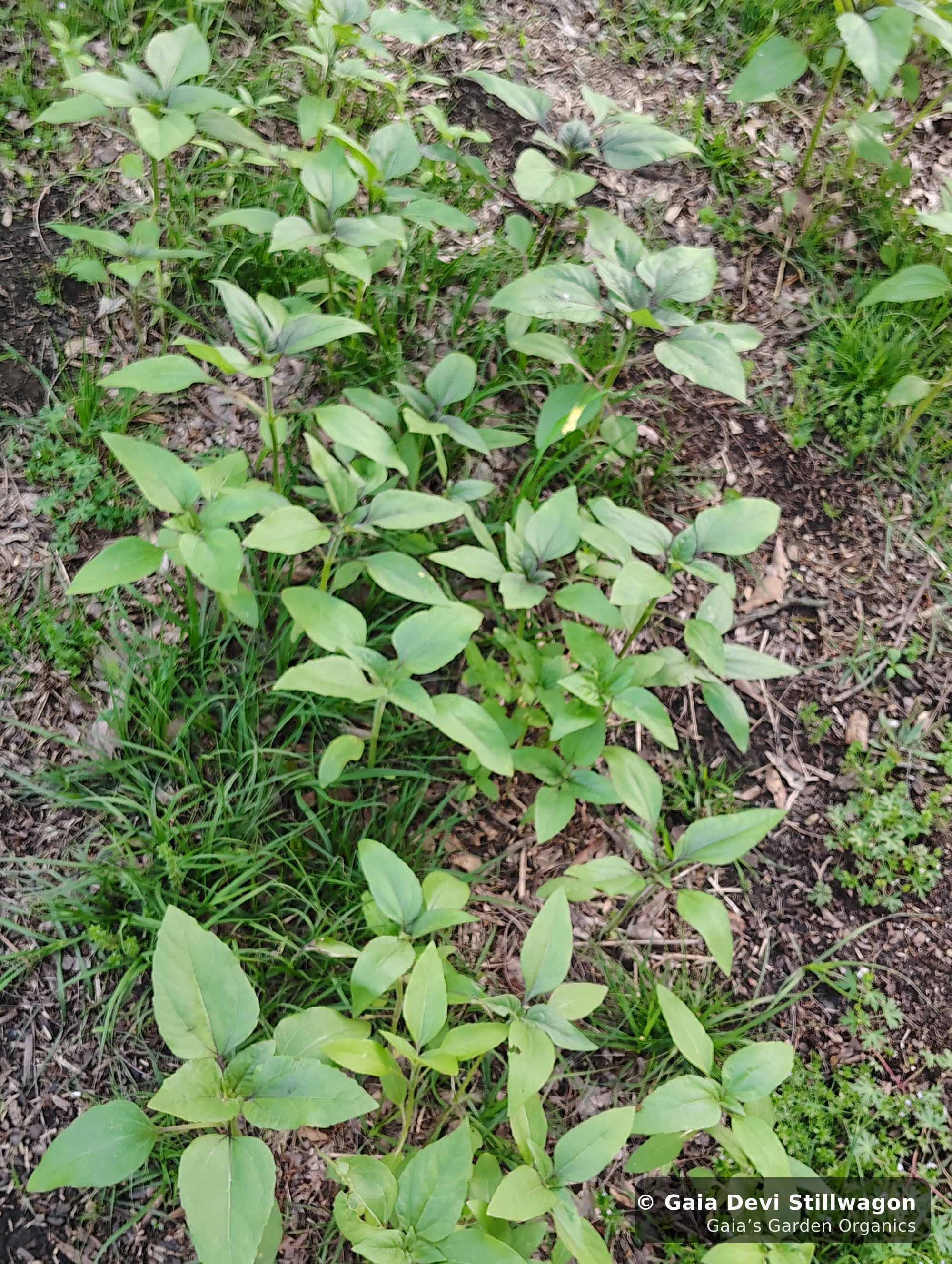
Tulsi (Holy Basil) is the adaptogenic herb for the stress-cardiovascular axis. Chronic stress drives chronic cortisol elevation, which over years pushes blood pressure up, narrows blood vessels, and increases inflammatory markers. Tulsi modulates that stress response over 3-4 weeks of daily use, so the body's chronic baseline becomes less reactive.
This is upstream work. Most cardiovascular issues in the under-60 population are stress-driven first and structural second. Tulsi does not lower a specific number the way hibiscus does; it lowers the chronic system load that drives those numbers up.
Building the four-layer cup yourself
I want to be straightforward with you about something. I do not currently make a heart tea. I used to, and I have taken it off the shelf. So the rest of this section is not a product pitch. It is how I would tell you to put the four layers together at home.
All four herbs are widely available from reputable bulk-herb suppliers, and hawthorn, hibiscus, rose, and tulsi are all easy to work with as a simple loose blend. Combine them by volume in roughly equal parts, with a little less hibiscus if you find the tartness sharp. Store the blend in a sealed jar out of the light.
The daily ritual: one mug, mid-afternoon. One to two teaspoons of blend, hot water just off the boil, steeped 8-10 minutes covered so the volatile oils stay in the cup. Use it as a transition cue between the work day and the evening. The herbs land best when paired with a 5-minute pause, not consumed standing up while answering email.
What this is not for
- Active cardiac events: chest pain, suspected heart attack, severe arrhythmia, post-cardiac-event recovery. Call your cardiologist or go to the ER.
- Severe hypertension (stage 2 or higher). The herbs are too gentle to be primary medicine for those numbers; they can be adjuncts under cardiology supervision.
- People on heart medications without first checking with their prescriber. Hawthorn, hibiscus, and rose can all interact.
Where to go from here
- Step 1 (free): Match your essence in 7 questions. For the grief-and-heart-pattern reader, the quiz routes to Heartful (rose essence) plus a daily heart-rhythm practice. Take the essence quiz.
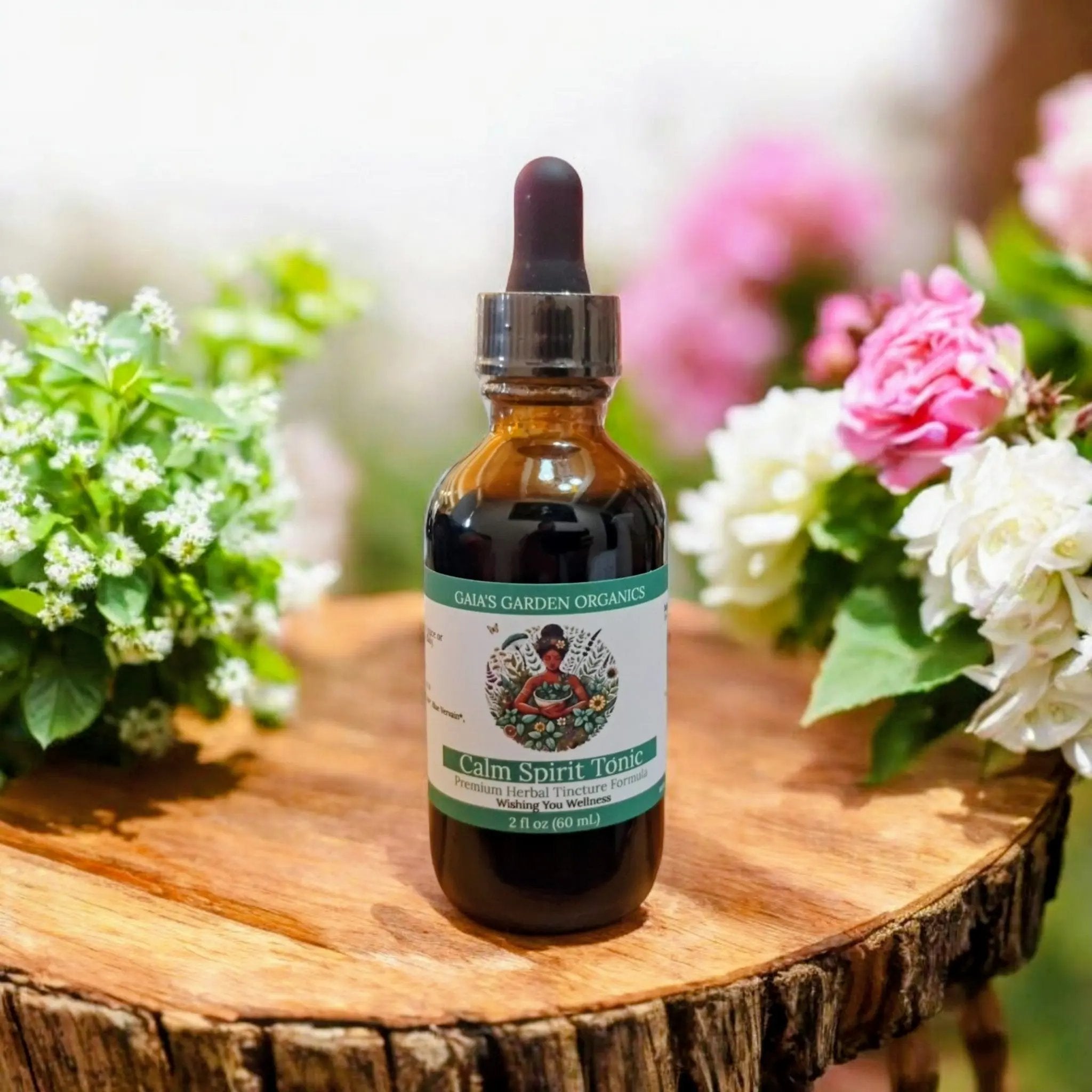
- Step 2 (30-night guarantee): I do not make a cardiovascular product, so I am not going to send you to one. What I do make sits on the other two layers this guide describes. Heartful Essence is the rose flower essence for the emotional layer: grief, heartbreak, and the chest that has been braced for a long time. It is an emotional-layer preparation, not a blood-pressure or heart-rhythm one, and it should not be treated as either. Calm Spirit Tonic carries motherwort, rose, tulsi, and blue vervain for the anxious-chest pattern where the nervous system and the heart are spiking together. For the structural and blood-pressure layers, hawthorn and hibiscus are the herbs, and your cardiologist is the person to run them past.
- Step 3 (coming soon): Harmony Within, my Yoga Nidra book, with scripts dedicated to grief, heart-opening, and the emotional cardiovascular axis.
This guide is for general cardiovascular wellness education and is not medical advice. If you have a diagnosed heart condition, take cardiovascular medications, or have significantly elevated blood pressure, work with a cardiologist as your primary support. The herbs can be adjuncts; they are not replacements for proper cardiac care.
For broader context on herbal teas, our pillar guide Herbal Teas 101 covers how teas work, daily ritual cues, and how to choose between teas, tinctures, and essences.
Frequently asked
Can I drink hibiscus or hawthorn tea if I take blood pressure medication?
Please consult your prescriber first. Hibiscus in particular can compound the effect of prescription antihypertensives (ACE inhibitors, ARBs, calcium channel blockers, beta blockers), and the combined effect can drop your numbers further than intended. Hawthorn can interact with digoxin specifically. Many of my clients use these herbs alongside their cardiac medication under their cardiologist's monitoring, often as part of a long-arc reduction in medication dose. Never adjust prescription cardiovascular medication without your doctor's guidance.
How fast will I see blood pressure changes?
If you are in the prehypertensive to mildly hypertensive range and have no medication on board, the McKay 2010 RCT showed measurable systolic reduction (around 7 mmHg average) over 4-6 weeks of daily hibiscus consumption. Numbers vary by person. The effect is real but modest; hibiscus is not a substitute for medication in stage 2 hypertension. For daily mild lifestyle support of cardiovascular health, expect to track numbers across 6-8 weeks before drawing conclusions.
Is this safe in pregnancy?
Hibiscus is contraindicated during pregnancy because it can affect estrogen levels and uterine activity. Hawthorn safety in pregnancy is not well-studied; better to avoid. Rose petals in small culinary amounts (a few petals in a cup) are traditionally considered safe and sometimes used for postpartum mood support. Tulsi should also be avoided in pregnancy. For pregnant-and-postpartum cardiac concerns, please work with a midwife, OB-GYN, or cardiologist; the herbal-tea route is not the right primary path here.
Can I drink this every day forever?
For most healthy adults, yes. Hawthorn, hibiscus, rose, and tulsi all have favorable long-term safety records at culinary tea doses (one to two cups daily). The effect is cumulative across months and years; the benefit comes from consistent daily use, not single cups. Monitor your blood pressure if you start daily hibiscus, particularly if you are sensitive to blood pressure shifts or are on cardiovascular medications.
What about caffeinated teas like green tea for heart health?
Green tea has its own cardiovascular evidence base (mostly around LDL cholesterol and antioxidant effects), but for the audience this post is written for (people noticing emotional and stress-driven cardiovascular signals), caffeine is often part of the problem rather than the solution. Caffeine compounds sympathetic nervous-system activation, which is the upstream driver of stress-related blood pressure elevation. A herbal heart tea is naturally caffeine-free for that reason. If you want the green tea benefit alongside, drink it earlier in the day and keep the heart tea ritual for the afternoon transition.
Products from this article
Handcrafted in Umpire, Arkansas by Gaia Devi, clinical herbalist.
Explore our apothecary
Learn more
Flower Essences 101
A clinical herbalist's plain-English guide to what flower essences are and how to take them.
Find your match
Browse the Free Practice Library
8 pattern-matched archetype entry points (sleep, anxiety, tension, heart, inner quiet, clarity, boundary, spark), each as a 5-question quiz, a 3-day mini-course, or a one-tap interactive tool.
Shop the apothecary
Medicinal Herbal Teas
Loose-leaf, clinical-herbalist-blended teas, each built around a specific job.
Sources & further reading
Authoritative references consulted in writing this article. Open in a new tab.
- PubMed (HERB CHF, 2009)Hawthorn Extract Randomized Blinded Chronic Heart Failure (HERB CHF) Trial
- Cochrane / PubMed (Pittler et al., 2008)Hawthorn extract for treating chronic heart failure (Cochrane review)
- PubMed (meta-analysis, 2021)Efficacy of Hibiscus sabdariffa on Reducing Blood Pressure in Patients With Mild-to-Moderate Hypertension: A Systematic Review and Meta-Analysis of Published Randomized Controlled Trials
- PubMed (McKay et al., 2010)Hibiscus sabdariffa L. tea (tisane) lowers blood pressure in prehypertensive and mildly hypertensive adults
- NCCIHHerbs at a Glance (per-herb safety and evidence)