In this article (13)▾
If you have heard of flower essences and wondered what they actually are, this is the introduction I wish someone had written before I started using them clinically. Plain English. Honest about what the research says. Clear on which essence is for which emotional pattern.
What a flower essence is
A flower essence is a water preparation of fresh blossoms, sun-infused on a clean glass bowl for three to four hours, then preserved with high-proof brandy. The preparation method was developed by Dr. Edward Bach in 1930s England and remains the clinical gold standard for flower essence work.
The finished essence contains no measurable plant matter. The active component is the energetic imprint of the flower in water. Bach called this the "vibrational pattern." Modern energetic medicine calls it a frequency or signature. Whatever the technical name, the effect in clinic is on the emotional layer of the person taking it, not the body's biochemistry.
How it is different from other plant medicine
- Essential oils: Concentrated aromatic compounds extracted by steam distillation. Highly active on the body, used aromatically or topically. Not for internal use beyond small culinary amounts.
- Herbal tinctures: Alcohol extracts containing measurable plant compounds. Act physiologically on receptors and tissue.
- Herbal teas: Water infusions with mild physiological effect. Gentler daily medicine.
- Flower essences: No measurable plant matter. Act on the emotional and dispositional layer. The gentlest form of plant medicine; safe for children, pets, and people on multiple medications.
The five emotional patterns essences address
Of the broad Bach tradition, the five essences I formulate and use clinically map onto the five most common emotional patterns I see in practice. Each one is a specific match for a specific pattern.
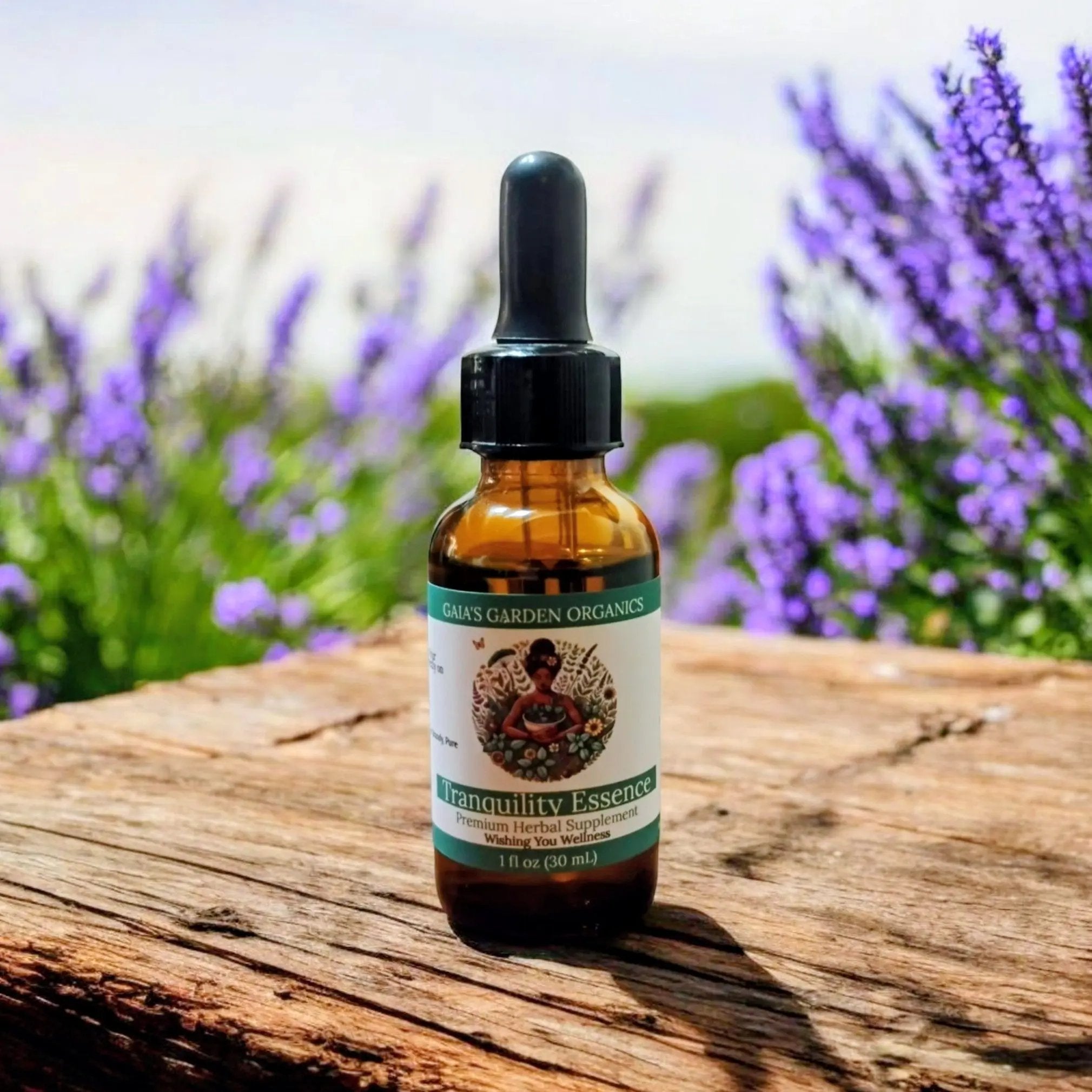
Tranquility (lavender)
Pattern: The everyday anxious heart. Chest stays slightly tight, mind narrates worst-case scenarios, shoulders sit up around the ears. The person can function but the cost is constant low-grade vigilance.
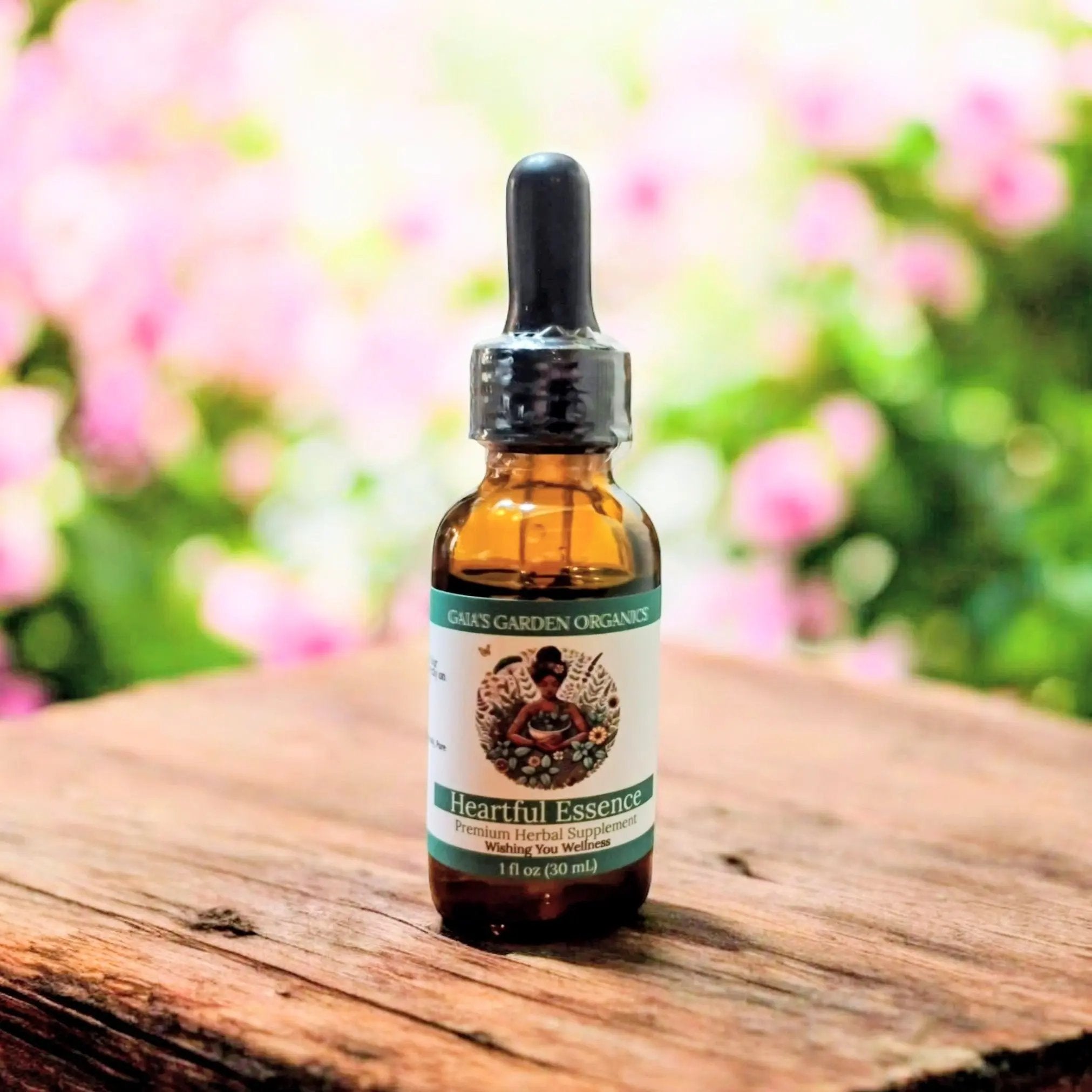
Heartful (rose)
Pattern: The closed heart. Grief, heartbreak, emotional numbness after loss. The person has armored the heart to survive a hard chapter, and the armor is now blocking healing. Postpartum mood often fits here too.
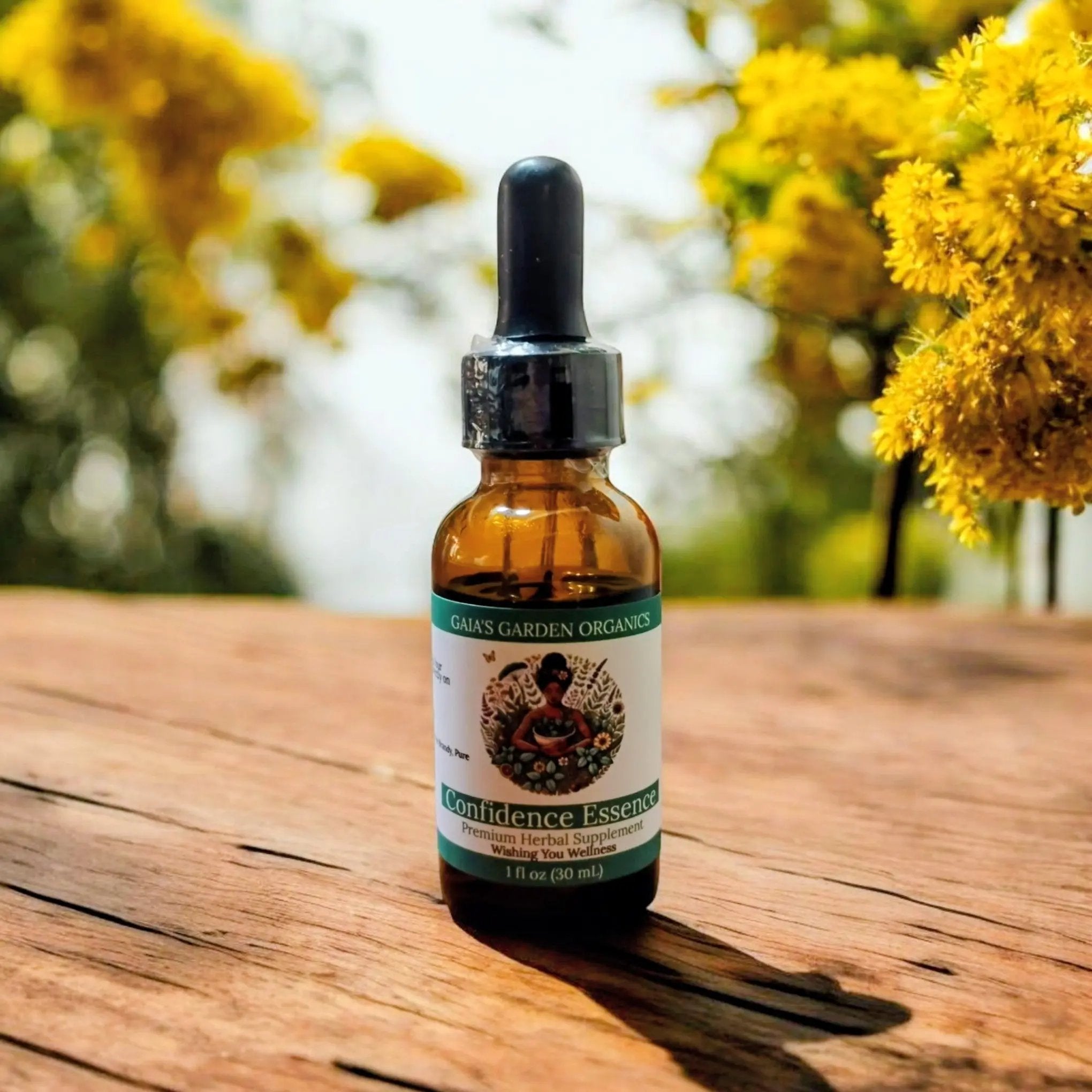
Confidence (goldenrod)
Pattern: The eroded edge. The person loses themselves in groups, accommodates other people's expectations until their own preferences go quiet, feels drained after social interactions. Not low self-esteem in the surface sense; an energetic porousness.
Clarity (peppermint)
Pattern: The fogged mind. Decision paralysis, mental looping, can't-think-clearly fatigue. Often shows up alongside chronic stress, post-illness recovery, or perimenopausal cognitive shifts.
Vitality (spearmint)
Pattern: The depleted spark. The person has been overworking or over-bracing for so long that their own life force has dulled. The felt sense is closer to flatness than to acute symptoms. The "I do not know what I want anymore" pattern.
How to choose
Pick the pattern that feels loudest right now. Most adults have two or three of these patterns running at once, but one is usually dominant in the current chapter of life. Start with the matched essence, run it solo for 30 days, then evaluate whether to layer a secondary essence.
The free essence quiz walks through seven pattern-questions and routes you to the closest match. It is the same routing I would do in clinic.
How to take an essence
- Standard dose: Four drops under the tongue, four times a day for the first 30 days. After day 30 you can drop to twice daily if the deeper baseline has shifted.
- Method: Drops can also go into a sip of water if sublingual is not pleasant. The water-glass method works for children and pets.
- Acute moments: A few extra drops, generously, when the matched pattern is loud. No overdose risk.
- Consistency: The essence rewards consistency more than dose. Daily use is the active ingredient.
What to expect
- Week 1: Often no surface change. The baseline is shifting underneath but the felt change is delayed.
- Week 2-3: First noticeable softening. You handle a familiar trigger with less of your usual pattern.
- Week 4-6: The shift becomes visible. People around you may mention you seem different.
- Month 2-3: The new emotional baseline is the default. The old pattern feels less familiar.
Safety profile
Flower essences have one of the cleanest safety profiles in all of herbal medicine. No documented pharmacological interactions. Safe in pregnancy and nursing at standard doses. Safe for children and pets. The only caveat is the brandy preservative, which contains a very small amount of alcohol per dose; those who must avoid all alcohol should consult before starting.
Where to go from here
- Step 1 (free): Match your essence in 7 questions. Take the essence quiz.
- Step 2 (30-night guarantee): The matched essence, four drops four times a day for 30 days. Browse all five essences or start with Tranquility if your loudest pattern is everyday anxiety.
- Step 3 (coming soon): Harmony Within, my Yoga Nidra book.
This guide is general emotional-wellness education and is not a substitute for medical or psychological care. Severe emotional symptoms benefit from professional support as primary anchor.
For broader context, our pillar guide Flower Essences 101 covers the Bach method history and how preparation actually works.
Products from this article
Handcrafted in Umpire, Arkansas by Gaia Devi, clinical herbalist.
Explore our apothecary
Learn more
Flower Essences 101
A clinical herbalist's plain-English guide to what flower essences are and how to take them.
Find your match
The Anxiety-Type Quiz
5-question clinical-herbalist diagnostic that names your anxiety pattern and matches a practice + plant pairing.
Shop the apothecary
The 5-Essence Starter Cabinet
All 5 essences bundled at 20% off, the full emotional toolkit.
Sources & further reading
Authoritative references consulted in writing this article. Open in a new tab.
- The Bach CentreHistory of the Bach Flower Remedies
- Bach FlowerAn Overview of the Bach Flower Essences
- PubMed (2022)Effects of flower essences on nursing students' stress symptoms: a randomized clinical trial
- PubMed (Ernst, 2010)Bach flower remedies: a systematic review of randomised clinical trials
- Chestnut School of Herbal MedicineFlowering Herbs (article archive)