Free shipping on orders over $75 · Handcrafted in Arkansas · Code WELCOME10 for 10% off your first order
Gaia's Garden Organics
Plant Medicine · Handcrafted

A clinical herbalist's guide

Flower Essences for Dogs

Drop-dose, gentle, emotional-level plant medicine for the anxious dog, the rescue with old wounds, the senior whose spark has dimmed, the dog who can't settle when you're away. Made by hand in our Arkansas garden using the traditional Bach method, the same way Dr. Edward Bach prepared them in the 1930s.

Why dogs respond particularly well to flower essences

Dogs live emotionally. They read the household, attune to the human pack, and carry their own histories in their body language. They don't analyze stress the way humans do, they just feel it. Flower essences work on that same emotional layer: they don't numb the feeling or sedate the body, they help the animal find their own ground again.

Unlike conventional dog calming medications (trazodone, acepromazine, gabapentin), flower essences don't affect alertness, coordination, or the central nervous system. The dog stays fully themselves, just less gripped by the anxiety, the storm, the unfamiliar visitor, the empty house.

Dr. Edward Bach designed his original 38 essences in the 1930s with both humans and animals in mind. Veterinary herbalists have used them with dogs for over 90 years. Our five essences are made from the same kind of organically grown or wildcrafted flowers, sun-infused, preserved in brandy and pure mountain water, by a single clinical herbalist (me) here in our Umpire, Arkansas garden.

How to give a flower essence to a dog: 4 methods

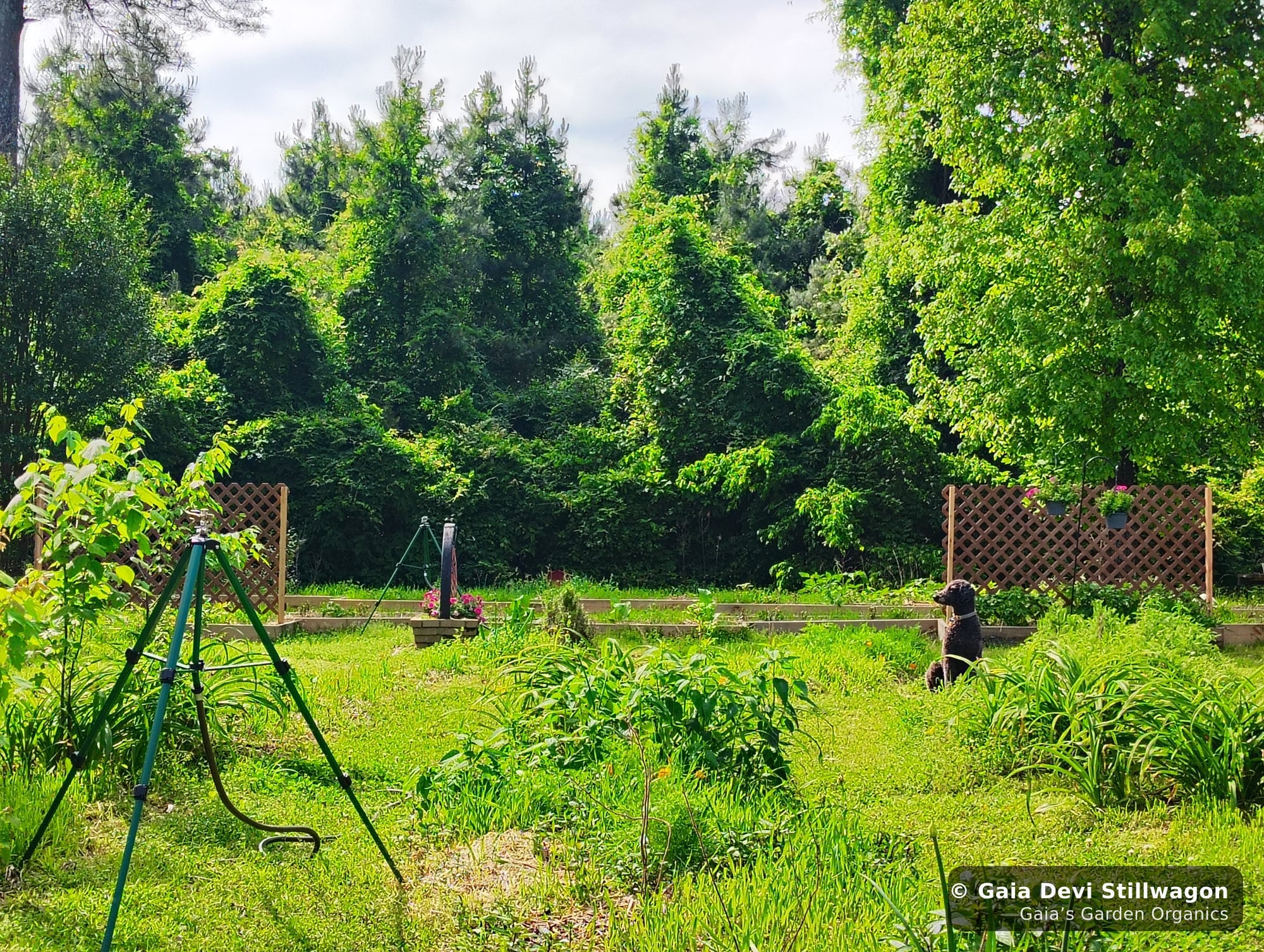
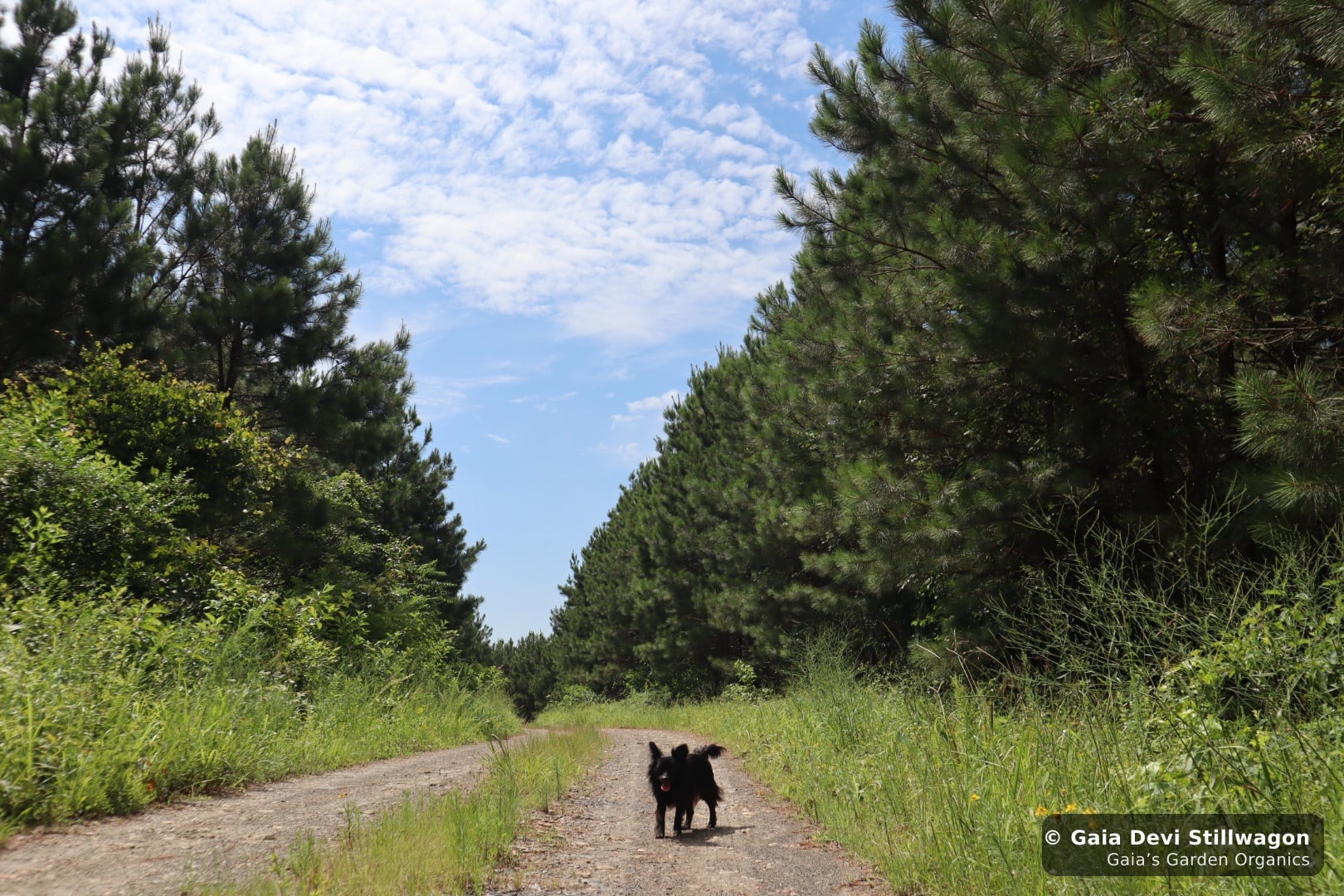
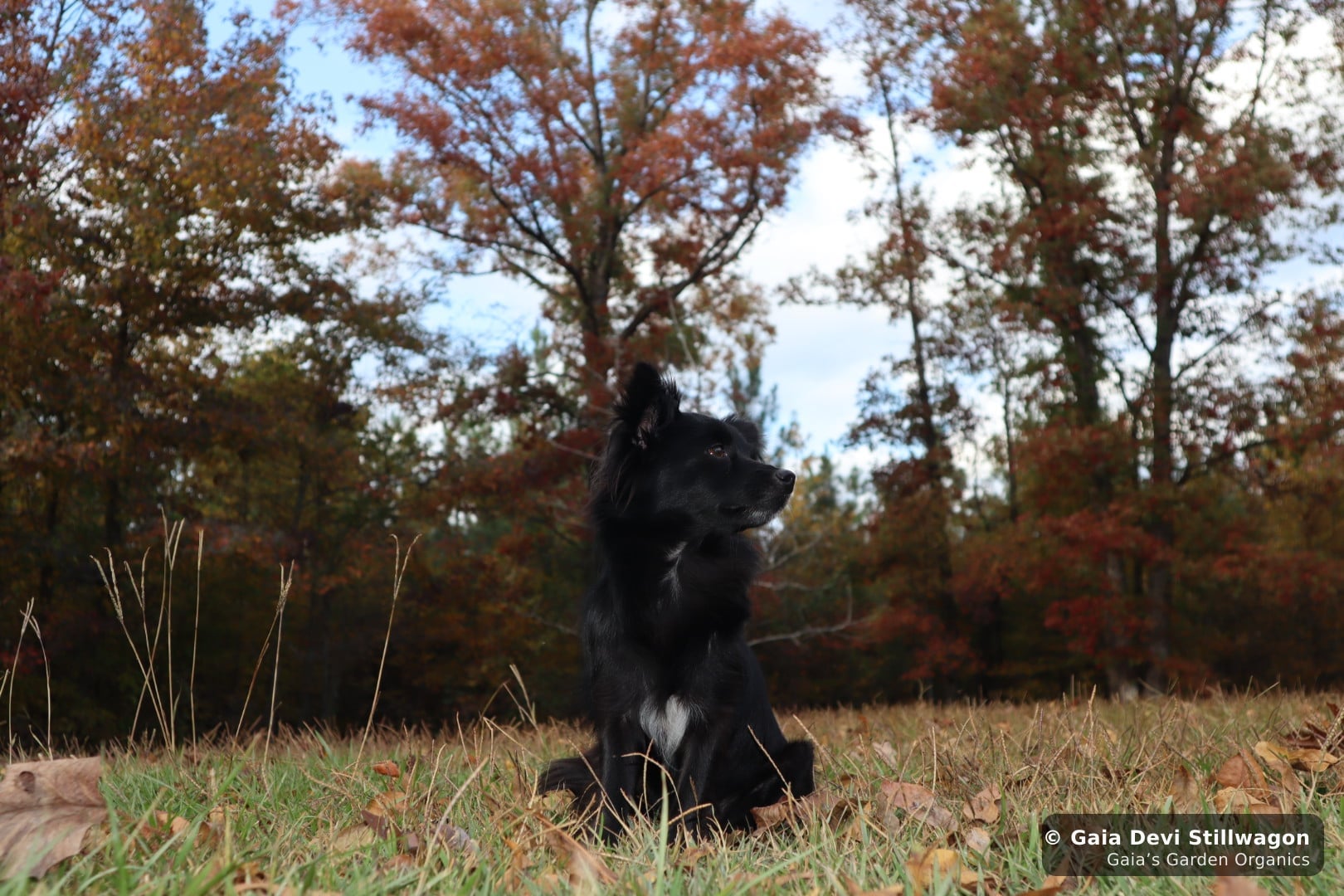
Standard dose for any size dog: 4 drops, once or twice a day. Flower essences are not weight-scaled, the medicine is energetic rather than pharmacological. Onyx (5-pound Chihuahua) and Samādhi (70-pound standard poodle) both get the same 4 drops.

Drops in the water bowl

The easiest method for daily maintenance. Four drops in the water at the start of the day; the dog gets the dose across multiple drinks. Especially useful in multi-dog households where one dog is the target, give that dog their own bowl for the duration. The brandy is undetectable to the dog at this dilution.

Drops on a treat or in food

Useful for dogs who don't drink consistently or who need a precise loading dose. Place four drops on a small piece of bread, kibble, or a soft treat and hand-deliver. Onset within 10-20 minutes.

Topical on the ear leather or paw pads

Rub four drops gently into the inside of the ear flap or onto the paw pads (the dog will lick them off). Skin and mucous-membrane absorption is fast; this method has the same onset as oral dosing without the need to handle a mouth. Best method for the dog who clamps shut at any handling.

Directly into the side of the mouth

The fastest method, used in acute moments (active panic, the storm hitting now). Drop four drops onto the gum line at the side of the mouth; the dog can't really refuse. Never force the bottle dropper itself between the teeth, just tip the drops onto the gum from a few inches above.

For acute moments, drops can be repeated every 10-15 minutes for short windows. There is no risk of overdose with flower essences, they work on the emotional body, not pharmacologically.

Scenario-by-scenario protocols

The eight situations dog owners ask us about most. Each links to a deeper blog post if you want the full clinical-herbalist treatment of that scenario.

Storm phobia, fireworks, loud noises

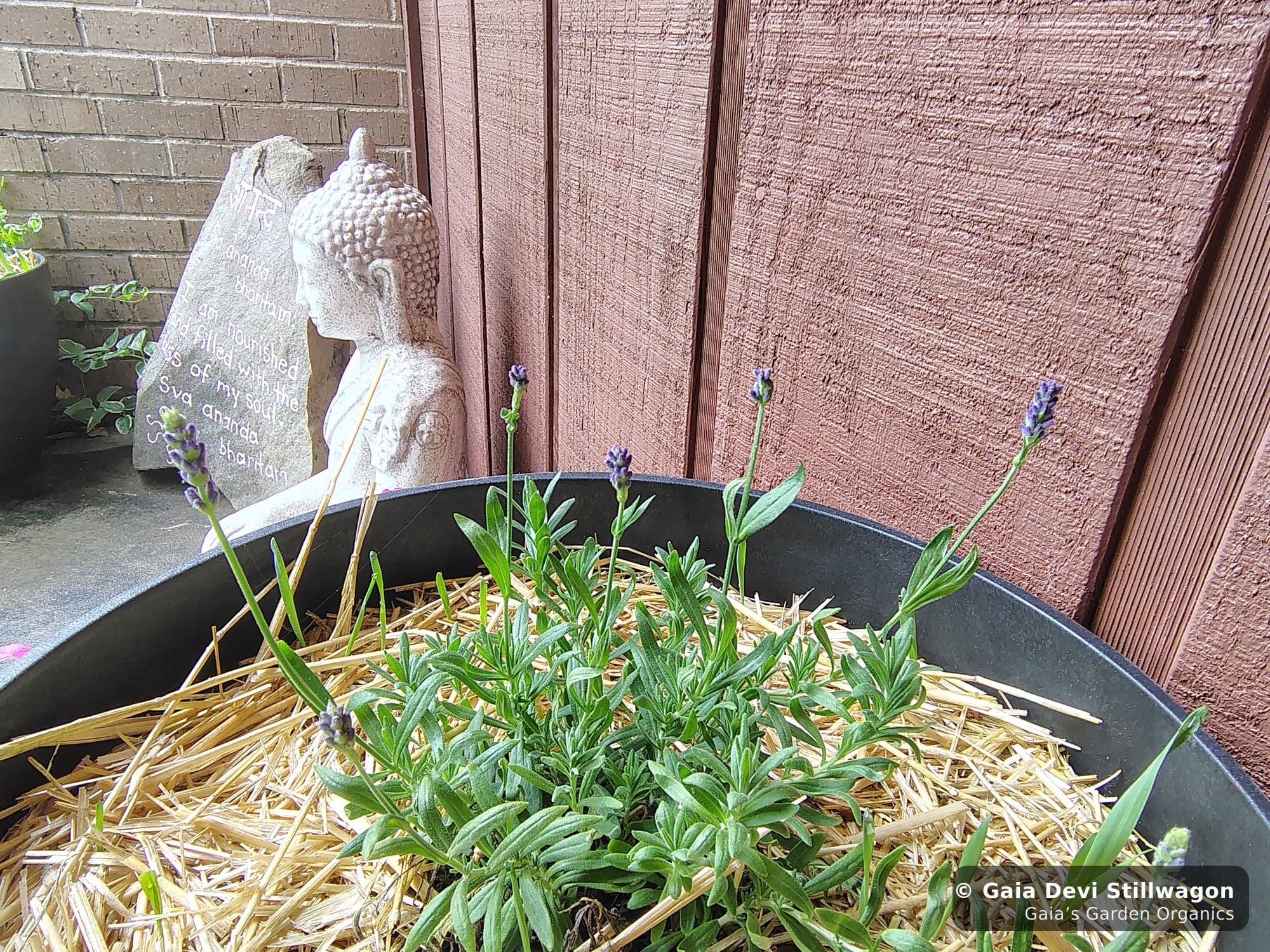
Dogs that tremble, hide, or pant at the first rumble don't understand the source of the sound. Tranquility works gently on the anxious heart before and during the storm, no sedation, no next-day grogginess. Give four drops 30 minutes before the forecast storm hits, repeat every 15 minutes during the worst of it.

Separation anxiety, panic when you leave

Dogs who can't be left alone, pacing, whining, chewing the door, are grieving the temporary loss of their person. Pair Heartful (rose for secure bonding) with Tranquility for acute episodes. Drops in the water bowl daily, plus four drops on the way out the door.

Vet visits, travel, grooming

The car ride, the exam table, the clippers. Tranquility given 30 minutes before, and another dose on arrival, helps the anxious body settle without dulling the dog. For travel-anxious dogs, pair Tranquility with Confidence so a timid dog has both calm and backbone available.

Rescue or shy dog finding their footing

A newly-adopted dog carries a lot: old trauma, unfamiliar smells, new rules, a new pack. Heartful opens the door to trust; Confidence helps a timid dog hold her own space; Tranquility takes the edge off the overwhelming novelty. The three together are a rescue-dog protocol most owners see real movement in by week 4.

Confidence + Heartful + TranquilityRead: Confidence Essence for Shy and Rescue Dogs

Senior dogs: confusion, slowing down, low spirits

Older dogs sometimes lose their sharpness, standing in corners, forgetting familiar people, sleeping more deeply than they used to. Clarity gently supports present-moment focus; Vitality offers renewed lightness when the spark has dimmed; Heartful holds the heart through the inevitable losses of a senior season.

Clarity + Vitality + HeartfulRead: Flower Essences for Senior Dogs

Multi-dog household tension

In a house with multiple personalities, friction is normal, but relentless friction isn't. Confidence supports the under-dog who keeps getting pushed aside; Tranquility softens the tightly-wound dominant dog. Drops in each dog's own water bowl for daily maintenance.

Grief after losing a housemate

Dogs mourn. A dog who stops eating after his housemate passes, who searches every room, who stops greeting the door, his grief is real. Heartful is the essence for open-hearted grieving; Vitality helps re-spark interest in the world when the time is right. Don't rush either one.

Travel anxiety: car rides, flights, boarding

For dogs whose first cue of distress is the leash plus the car keys: Tranquility 30 minutes before loading up, and again on arrival. For dogs going to boarding without you, pair Tranquility with Confidence so they have both calm and self-trust to draw on while you're away.

The brandy question, honestly answered

The most common question we get from dog owners: isn't alcohol bad for dogs? Yes, in any meaningful quantity. The amount of brandy in a 4-drop dose of flower essence is roughly 0.001 fl oz, far below any toxicology threshold for even a small dog. The Bach Centre describes the amount in a single drop as “barely measurable.”

Brandy preservation is the original Dr. Bach method and the clinical standard for flower essences, it keeps the medicine shelf-stable and fully potent for years without breaking down. Glycerin-preserved “pet-safe” alternatives are a softer compromise that doesn't match the original method.

If the trace alcohol still gives you pause: dilute drops into the water bowl instead of dosing directly. Evaporation knocks the alcohol content even lower, and you still get the full essence.

Read the full safety analysis →

Not sure which essence?

Take the 2-minute Dog Essence Quiz

Eight questions about your dog. We map their answers against the five essences and hand you the one that matches their current emotional territory, the same way we'd match a dog walking into the apothecary with you.

Start the dog quiz

Frequently asked questions

Are flower essences safe for dogs?+

Flower essences have been used with dogs for over 90 years, since Dr. Edward Bach's original work in the 1930s. They're not sedatives and don't affect the dog's nervous system pharmacologically, they work on the emotional level. The standard dose contains only a trace of brandy preservative, the Bach Centre describes the amount in a single drop as "barely measurable." For very small dogs or those with liver disease, dilute in water or apply topically to the paw pads or ear leather. Always consult your veterinarian if your dog is on medications or has ongoing health concerns.

How much flower essence do I give my dog?+

The standard maintenance dose is four drops once or twice daily, the same dose for a 5-pound Chihuahua and a 70-pound standard poodle. Flower essences are not weight-scaled, the medicine is energetic rather than pharmacological. For the first three days of a new essence, give four drops two to three times daily (the loading dose). In acute moments (active thunderstorm, vet appointment in 30 minutes), drops can be repeated every 10-15 minutes for short windows.

What's the best way to give a flower essence to my dog?+

Four methods work well: (1) drops in the water bowl, the easiest for daily maintenance and especially good for multi-dog households where one dog is the target, (2) drops on a treat or in food, useful for picky drinkers, (3) drops rubbed onto the ear leather or pulse points, fast onset without any oral dosing, (4) directly into the side of the mouth, the fastest method for acute moments. Cats can be sensitive to the brandy carrier so the water-bowl method is preferred for cats; most dogs are fine with any method.

Why brandy and not glycerin? Isn't alcohol bad for dogs?+

Brandy is the traditional Bach-method preservative and the clinical standard for flower essences, it keeps the medicine shelf-stable and fully potent for years. The amount of alcohol in a 4-drop dose is roughly 0.001 fl oz, far below any toxicology threshold for even a small dog. For comparison, a typical commercial dog calming chew lists alcohol-free as a feature but contains glycerin and corn syrup; our essences use the original Dr. Bach preservation method that preserves potency. If you're still uncomfortable with the trace brandy, dilute drops into the water bowl, evaporation knocks the alcohol content even lower.

How long before I see a difference in my dog?+

For acute moments (storms, vet visits, single hard transitions), many owners notice a softening within 15-30 minutes. For ongoing patterns (rescue-dog adjustment, household tension, separation anxiety, grief), shifts typically unfold over 2-4 weeks of consistent daily use. Watch for the small signals: slightly softer eyes, less flinching at sudden movement, a sigh when settling, willingness to engage where there was withdrawal. Dramatic overnight changes are uncommon; gentle cumulative shifts are the norm.

Will my dog get drowsy or sedated?+

No. Flower essences are fundamentally different from prescription dog calming medications like trazodone or acepromazine. They support emotional balance without affecting alertness, coordination, or the central nervous system. Your dog stays fully present, just less gripped by the anxiety or fear. There is no next-day grogginess, no slowed reaction times, no impact on training.

Can I use flower essences alongside my dog's other medications?+

Flower essences are considered low-risk and non-reactive with conventional medications, including prescription anxiety medications, pain management protocols, and heartworm preventives. They work on a different level than pharmaceuticals so they do not interact chemically. That said, always inform your veterinarian of every supplement and natural remedy your dog receives. Flower essences are an addition to your vet's care plan, never a replacement.

Which essence should I start with for my dog?+

If you're not sure, take our 2-minute Dog Essence Quiz, eight questions about your dog mapped to one of the five essences. If you want to skip the quiz: most dog owners start with Tranquility (the lavender essence for anxiety, our most-recommended for dogs). For rescue dogs, start with Confidence (goldenrod for shy or fearful dogs) paired with Heartful (rose for the heart-armor of an old hard history). For senior dogs slowing down, Vitality (spearmint) is the most-asked-about.

*Important: These statements have not been evaluated by the Food and Drug Administration. This product is not intended to diagnose, treat, cure, or prevent any disease. Individual results may vary.

Always consult a qualified healthcare provider before starting any herbal regimen, especially if you are pregnant, nursing, taking prescription medications, managing a chronic condition, or considering use for children or pets. For pets, use drop-size doses and consult your veterinarian for ongoing concerns.

Have a question about ingredients, interactions, or safety? Email our clinical herbalist →