In this article (7)▾
The grief of losing a beloved animal is real, sharp, and often goes unwitnessed. Cultural conventions do not always make space for it. Co-workers may not know what to say. Friends without pets may not understand the depth. You may even feel embarrassed by how hard it has hit you.
You are not overreacting. Losing a companion animal is a particular kind of grief: the daily routines built around that animal, the silent presence in the corner, the rhythm of meals and walks and bedtime. All of it goes at once. This guide is the herbal and flower essence support I formulate for that grief.
Heartful Essence sits at the center of this protocol, so it helps to first understand how flower essences support grief.
The two phases of pet-loss grief
Like human grief, pet grief has two phases.
- Phase one (acute, weeks 1-4): Crying, overwhelm, the empty house. Walking past the food bowl and crying again. Hearing what sounds like their nails on the floor when there is nothing there. This phase needs presence, food, sleep, and time, not herbal medicine.
- Phase two (after week 4): The world expects you to be over it. You function. You go to work. You also feel hollow, defended, and a little numb. The heart has armored itself. This phase is where herbal and flower essence support has its place.
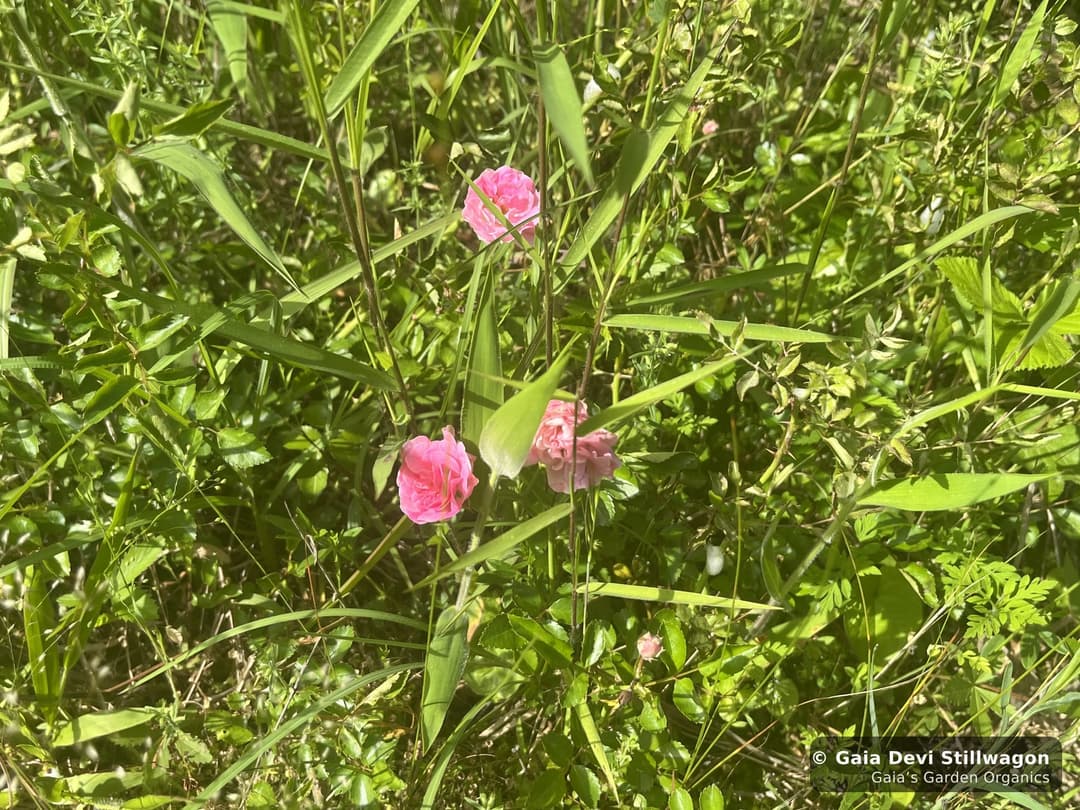
Heartful Essence for the closed heart
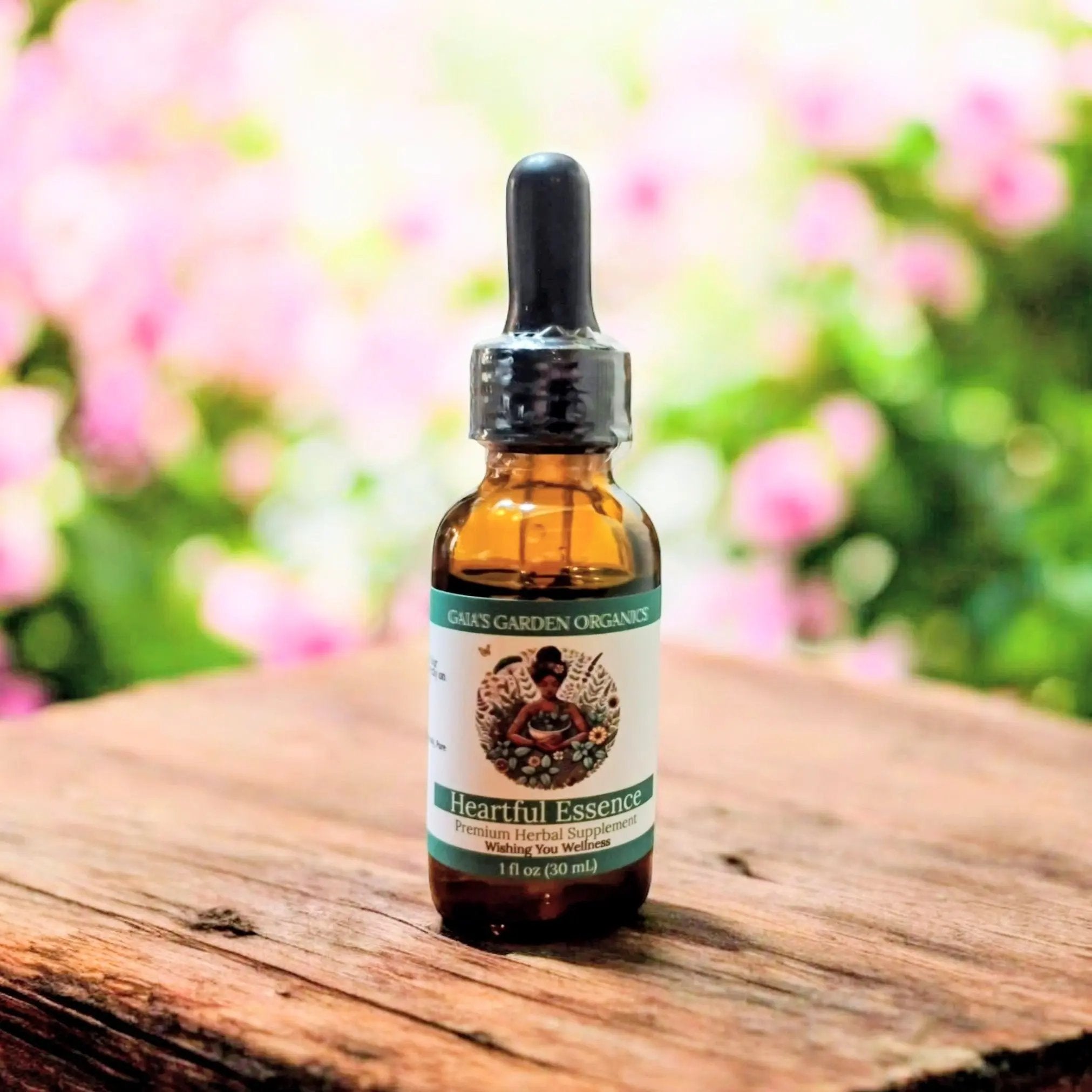
Heartful Essence (rose) is the matched essence for grief after loss. Rose has been used for the heart in every major herbal tradition; for pet-loss grief, it addresses the defended, closed-off feeling that often follows the acute weeks.
Dose: four drops twice daily, morning and evening. For anniversary days, the date you lost them, or moments of unexpected memory, take a few extra drops generously. There is no overdose risk.
Expect the arc to be 2-6 months, not 7 days. Weeks 3-4 often bring unexpected tears, which is the heart softening rather than the grief returning.
Calm Spirit Tonic for grief-driven anxiety and sleep loss
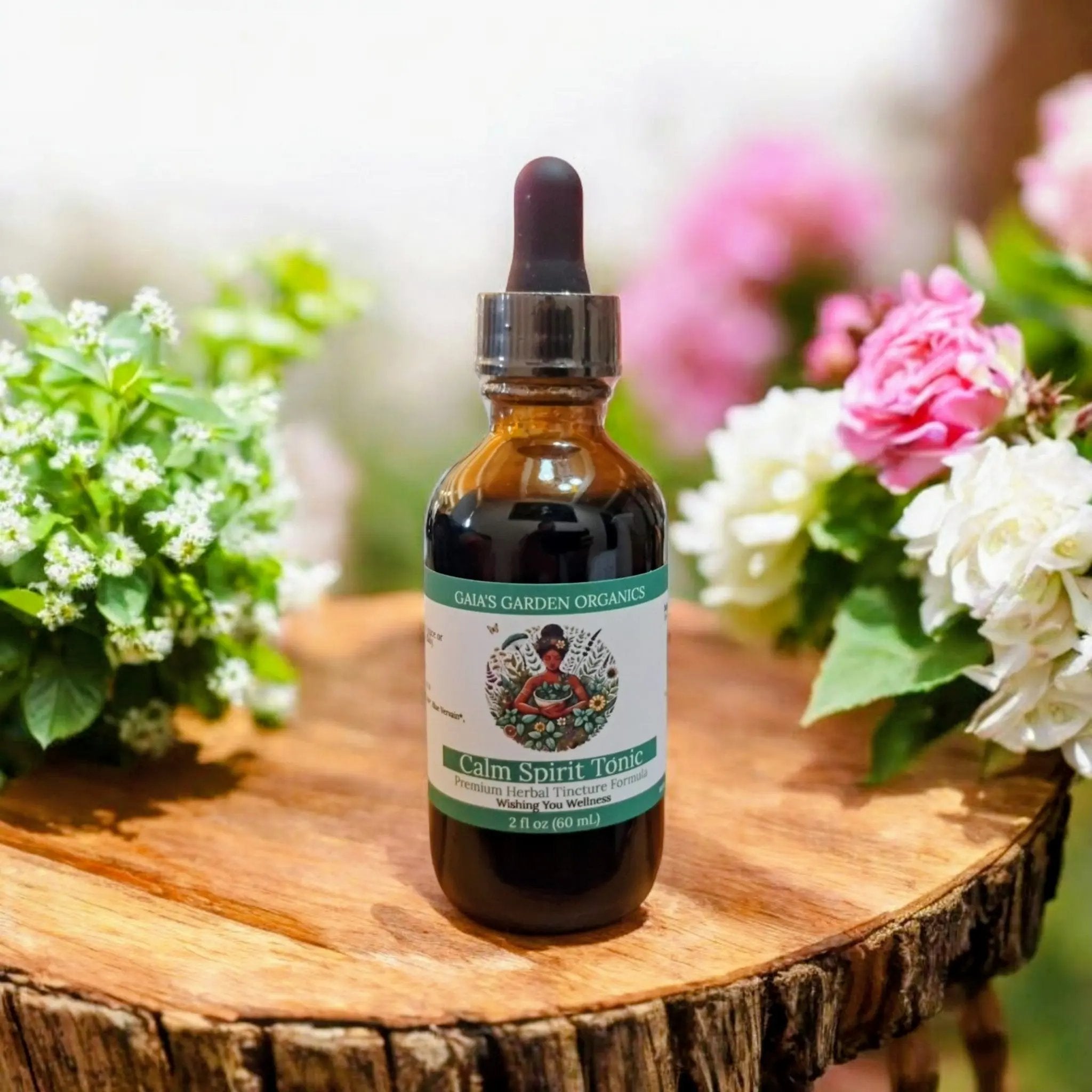
Pet-loss grief often layers anxiety and sleep disruption on top of the emotional pattern. Calm Spirit Tonic (rose + blue vervain + tulsi + motherwort) handles the body during the grief: the chest tightness that comes with crying, the racing heart at night, the inability to settle for sleep.
Take 1-2 droppersful as needed for acute moments, or daily for 2-4 weeks during the heaviest period.
The daily cup, and why the ritual matters during grief
Grief responds to rhythm. A daily mug at the same hour becomes a moment of acknowledgment that does not require you to say anything out loud. The ritual matters as much as the herbs here, and it is often the part that carries people through the fourth and fifth weeks when the casseroles have stopped and nobody is asking anymore.
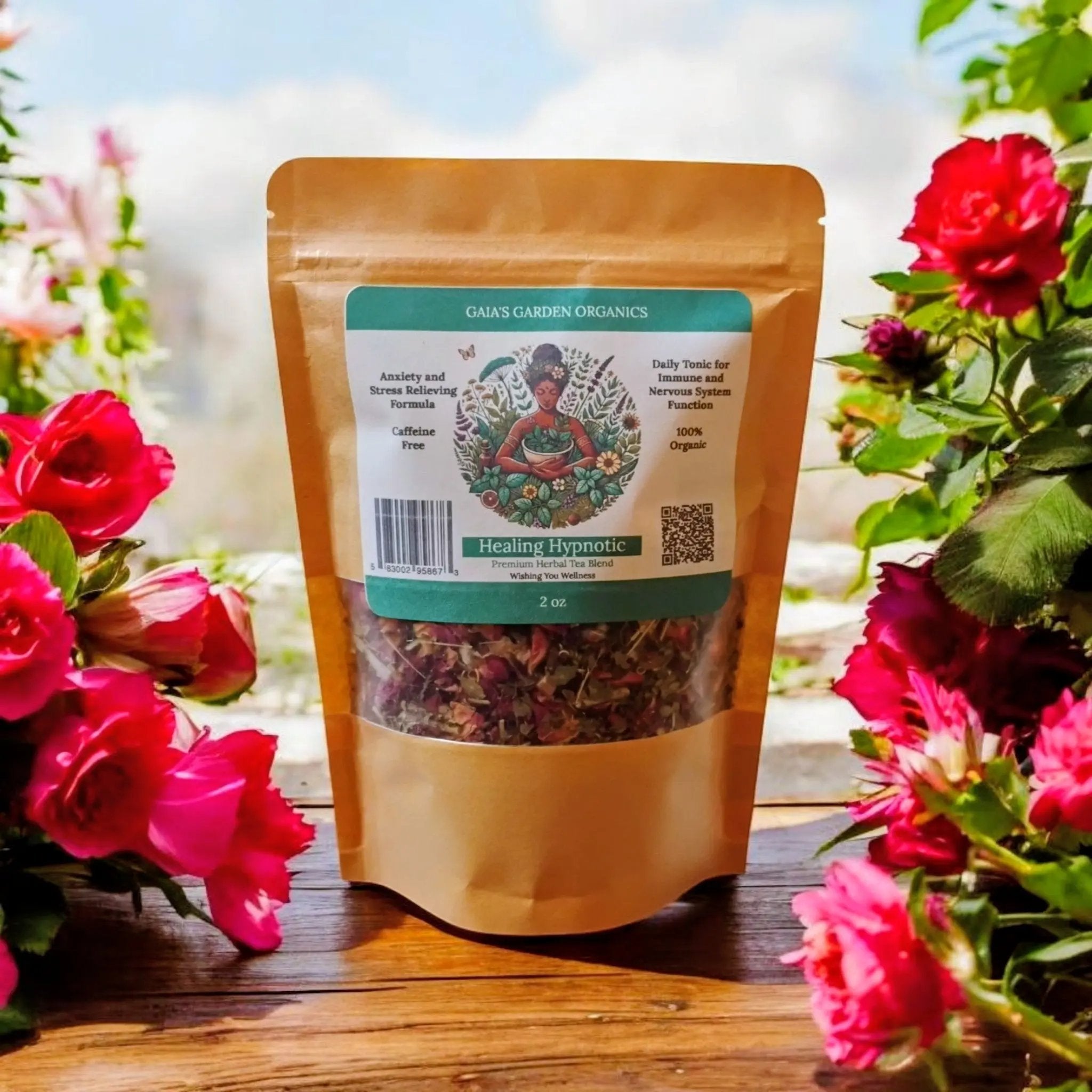
Healing Hypnotic Tea (passionflower + ashwagandha + tulsi + rose) is the cup I would put in that slot. Rose is the heart-opening nervine in the blend, and the two adaptogens meet the depletion that grief reliably produces. One mug in the evening, brewed covered for eight to ten minutes, sat with rather than carried around.
Acknowledging the loss
The herbs support the body. The acknowledgment supports the heart. A few suggestions that I have seen help clinic clients move through the harder weeks:
- A small ritual: Light a candle for them. Plant something in their memory. Hold a private moment on the anniversary.
- A written reflection: A letter to them, a list of the small things you miss, a story you want to remember. Writing engages a different layer than talking.
- Permission to grieve: Pet grief is real grief. You do not need to justify it or compress it to fit the social timeline.
- Connection with others who understand: Pet-loss support groups (many vet clinics have referrals) or online communities where the loss is taken seriously.
When to seek more support
If the grief is unmanageable, prolonged beyond 6 months without any easing, or layered with suicidal ideation, please work with a grief counselor or therapist. Some hospice and pet-loss services specialize in this kind of grief.
Where to go from here
- Step 1 (free): The 4-Week Heart Rhythm PDF, a tender clinical-herbalist guide for grief and the closed-heart phase. Get the rhythm.
- Step 2 (30-night guarantee): Heartful Essence, four drops twice a day, for a minimum of 6 weeks. For grief layered with anxiety and sleep loss, pair with Calm Spirit Tonic for the body and Healing Hypnotic Tea as the evening cup.
- Step 3 (coming soon): Harmony Within, my Yoga Nidra book.
This guide is general emotional support. Please reach out to a grief counselor if the grief is severe or prolonged.
Frequently asked
Is grief from losing a pet really comparable to losing a person?
Yes, in many ways. Modern bereavement research increasingly recognizes pet loss as legitimate grief that deserves the same kind of compassionate attention as any other significant loss. The relationship was real, the loss is real, and the body grieves in the same physiological ways. The cultural under-witnessing of pet grief is one of the things that makes it harder rather than less significant.
Can I give a flower essence to my surviving dog who's grieving?
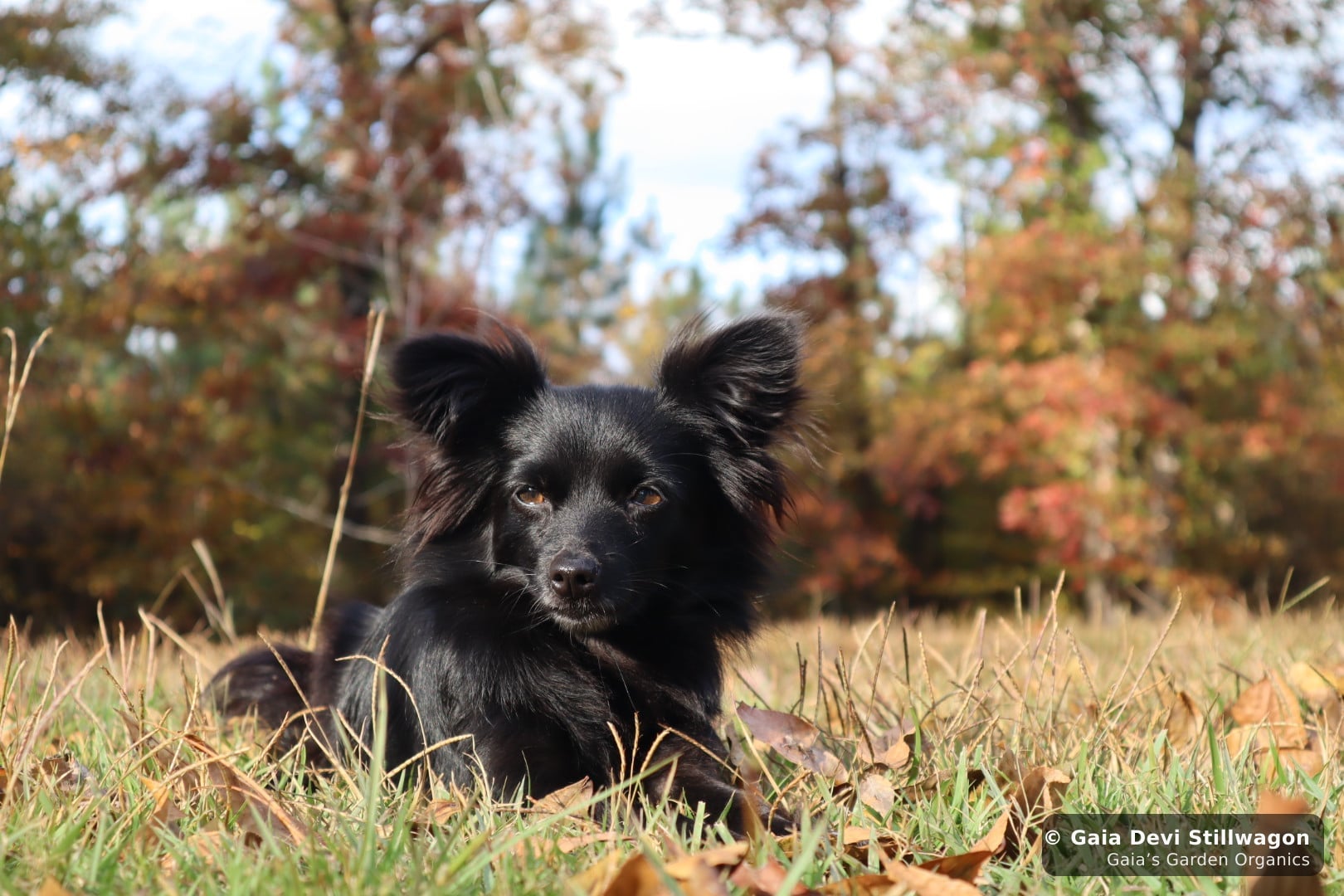
Yes, this is one of the most-traditional uses of pet-safe flower essences. Heartful Essence (rose) is the textbook fit for animals grieving the loss of a companion or person. Add 2 to 4 drops to the water bowl, on food, or topically to ear or paw pads, twice daily. Flower essences are also safe alongside any medication your veterinarian has prescribed; consult your vet for pets with chronic conditions.
Will herbal medicine make grief go away faster?
Probably not, and that's not actually the goal. Grief is the price of love and it does its work over time, in its own arc. What herbal allies can do is soften the sharpest edges, support the nervous system through the worst nights, and provide ritual and structure in a season when most things feel like they've come undone. Faster isn't the right metric. More gently is.
When should I see a clinician for grief instead of relying on herbs?
When grief becomes prolonged complicated grief disorder (intense, debilitating grief lasting more than 12 months with significant functional impairment), when it's accompanied by suicidal thoughts, when it triggers or worsens a major depressive episode, or when it's preventing you from caring for yourself or other dependents. Herbal support is appropriate adjunctive care; it is not a substitute for professional mental health support when grief crosses into clinical territory.
Is it safe to take grief herbs alongside antidepressants?
Mostly, but the specific combinations matter. Most flower essences are non-reactive with pharmaceuticals. Some calming herbs (passionflower, skullcap) may compound the sedative effects of certain antidepressants, particularly the older tricyclics. Always inform your prescribing clinician about any herbal product you're using, and have a conversation about timing if you're on a long-term medication regimen.
Products from this article
Handcrafted in Umpire, Arkansas by Gaia Devi, clinical herbalist.
Explore our apothecary
Learn more
Flower Essences 101
A clinical herbalist's plain-English guide to what flower essences are and how to take them.
Find your match
The Heart-Type Quiz
5-question clinical yoga therapist's diagnostic for the quietly grieving heart. Matches a 4-week rhythm to your pattern.
Shop the apothecary
Pet Wellness Essences
All 5 flower essences, framed for animal use, with per-situation dosing.
Sources & further reading
Authoritative references consulted in writing this article. Open in a new tab.
- The Bach CentreHistory of the Bach Flower Remedies
- Bach FlowerAn Overview of the Bach Flower Essences
- PubMed (2022)Effects of flower essences on nursing students' stress symptoms: a randomized clinical trial
- PubMed (Amsterdam et al., 2009)A randomized, double-blind, placebo-controlled trial of oral Matricaria recutita (chamomile) extract therapy for generalized anxiety disorder
- Chestnut School of Herbal MedicineFlowering Herbs (article archive)