In this article (12)▾
She is mid-sentence, talking with a friend, and the name of someone she has known for twenty years simply will not surface. She compensates ("you know, the one with the dog"), feels a small interior alarm, and moves on. It happens with words too. The verb is right there, then it is not. She used to be the one in the meeting who could pull the right phrase out of nowhere. Now she pauses, smiles, and says "give me a second."
This pattern shows up between roughly 40 and 55, most pronounced in verbal memory and verbal learning. It clusters with poor sleep, hot flashes, and a low-grade anxiety about cognitive decline that is itself fatiguing. Most women I see in clinic have been carrying it for at least a year before they bring it up.
She has tried the obvious things. The crossword app. The fish-oil supplements that the magazine article said help. A B-vitamin complex. More sleep, when sleep cooperates, which is rarely. The fish oil did nothing measurable. The B-vitamins gave her one good week and then plateaued. The crossword sharpened her crossword skill and nothing else. The friend who suggested she "just try to relax" did not help.
Most of these failed because they were aimed at a generic-aging frame, not the actual physiology of the perimenopausal transition.
A note before we go further: persistent or worsening cognitive symptoms during perimenopause warrant a conversation with your physician or a menopause-trained provider. The pattern described below is the everyday cognitive shift the literature documents (Maki and Henderson, 2012; Conde et al., 2023), and is not a substitute for clinical evaluation. If something feels off beyond word-finding and verbal memory, get the appointment.
Most people think the problem is the cognitive shift. Actually it is the cascade.
The standard story is that estrogen modulates hippocampal and prefrontal-cortical function, declining estrogen causes the word-finding hiccups, and there is not much to do. That is half true and entirely incomplete.
The reality is that the cognitive shift is the visible tip. Underneath it is a cascade: poor sleep (vasomotor symptoms wake the body at 3 AM), chronic low-grade anxiety about the cognitive shift itself (which adds cortisol load), reactive blood-sugar instability (worse on the days the period decides not to arrive), and the everyday stressors of carrying a household, work, possibly aging parents.
The cognitive symptoms are partly downstream of the underlying endocrine shift, yes. But they are also partly downstream of broken sleep, chronic low cortisol, and an under-supported nervous system. Hormone replacement therapy, where appropriate, addresses the endocrine shift. Herbs and Yoga Therapy address the cascade. The two are not in competition. They run together.
The four herbs from the apothecary that match this pattern
These herbs are for the everyday cognitive pattern of perimenopause. Not the endocrine shift; that is a different conversation with your provider. The downstream cascade is what plant medicine can address well.
Spearmint (Mentha spicata), the working-memory herb for midlife
The 2018 randomized placebo-controlled trial in adults 50-70 with age-related memory decline showed measurable improvements in working memory and concentration after 90 days of daily spearmint extract (Lopez et al., PMC5779242). Working memory is exactly the function that takes the biggest hit during perimenopause: holding a thought while you find the word, holding the friend's name on the tip of your tongue, holding the list of three things you walked into the kitchen for.
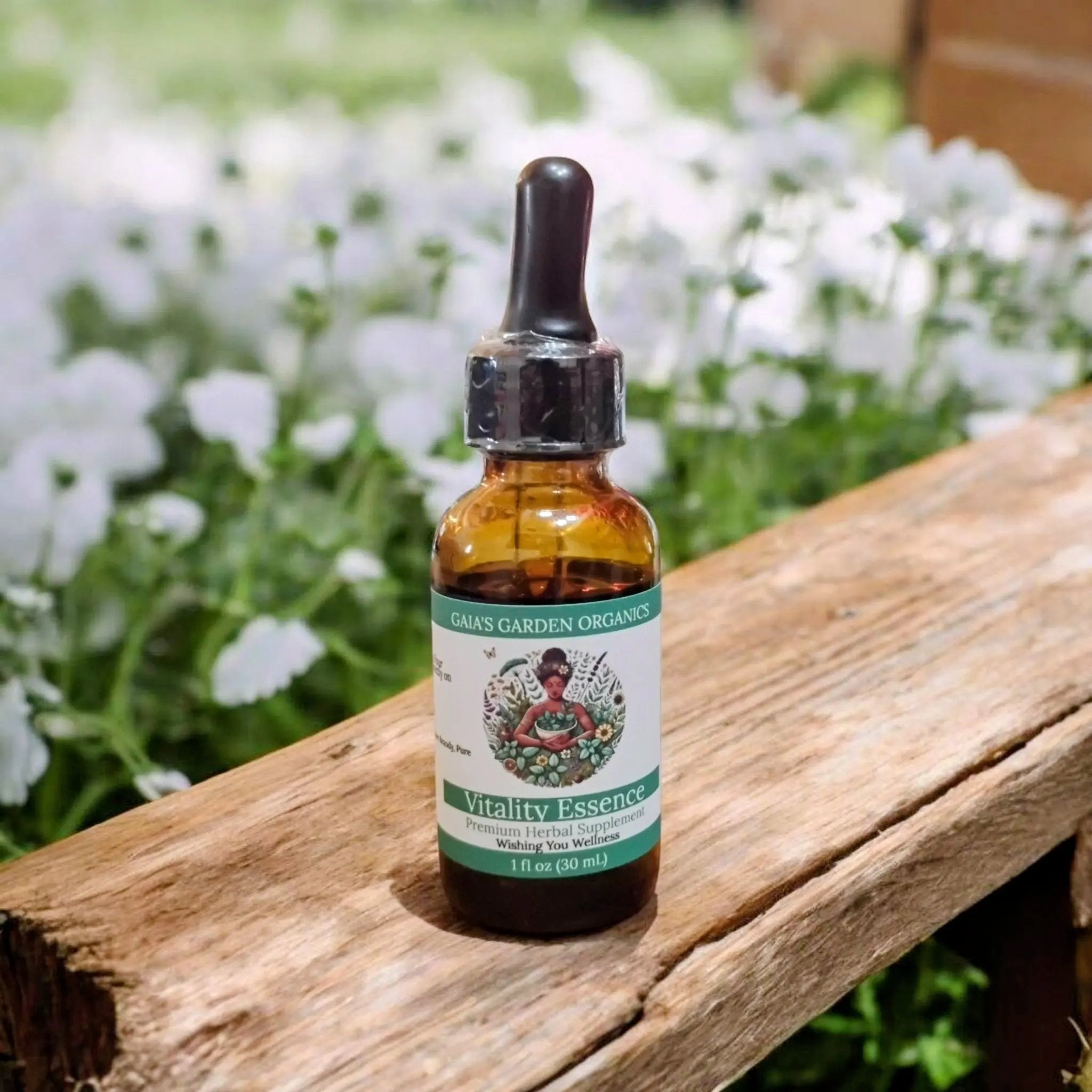
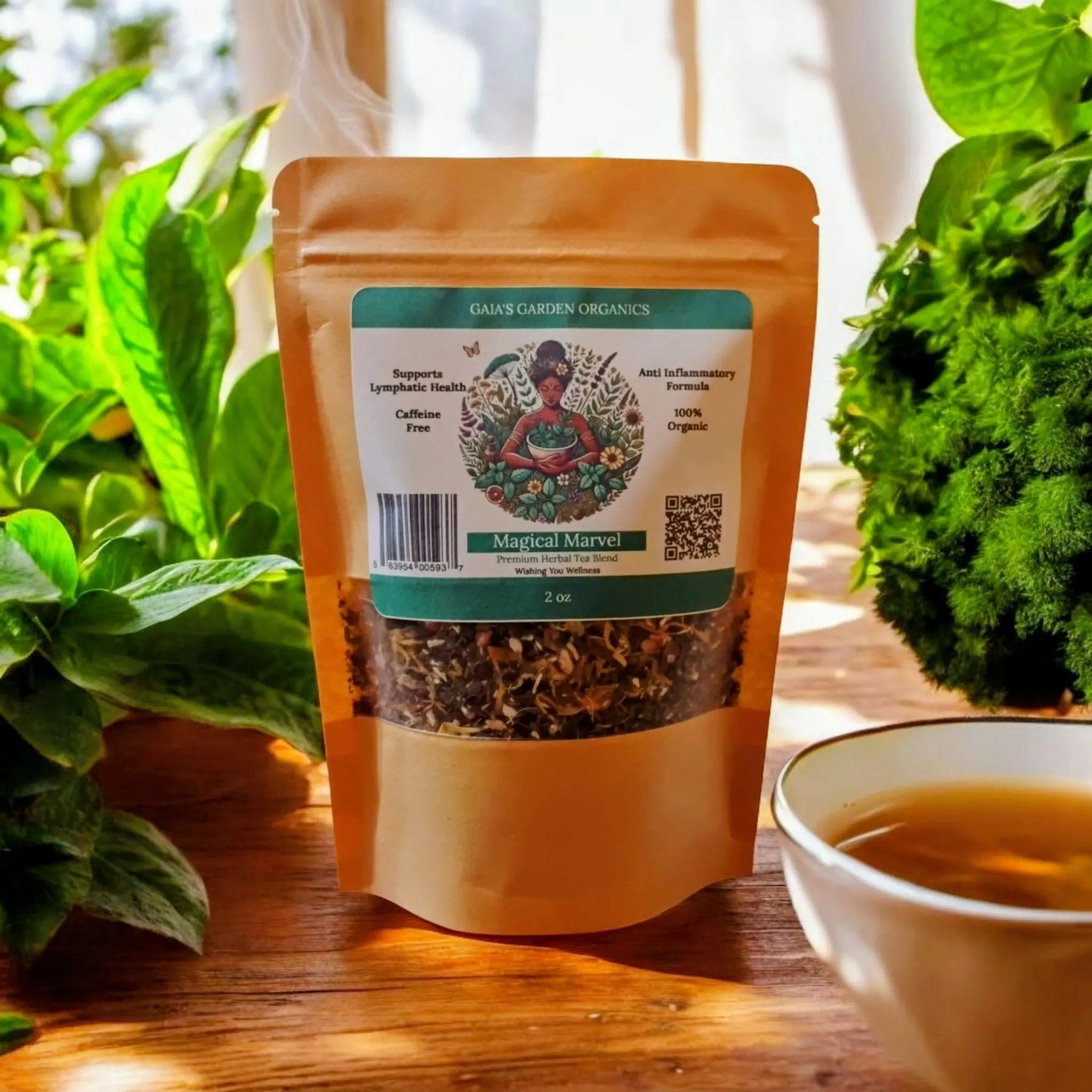
Spearmint is the herb behind Vitality Essence and a primary ingredient in Magical Marvel Tea. The flower essence is a daily anchor; the tea is the cumulative working-memory build.
Lemon Balm (Melissa officinalis), acute attention and memory
A 2002 randomized double-blind placebo-controlled trial showed lemon balm improved memory and calmness in healthy adults at the 600 mg dose, with measurable changes in working-memory and attention factors within 1-2 hours (Kennedy et al., 2002). Lemon balm is a primary ingredient in Magical Marvel Tea and shares the cup with spearmint because the two are synergistic: spearmint for the long working-memory build, lemon balm for the acute attention support on the day the words are slipping the most.
Ashwagandha (Withania somnifera), the sleep-and-stress upstream fix
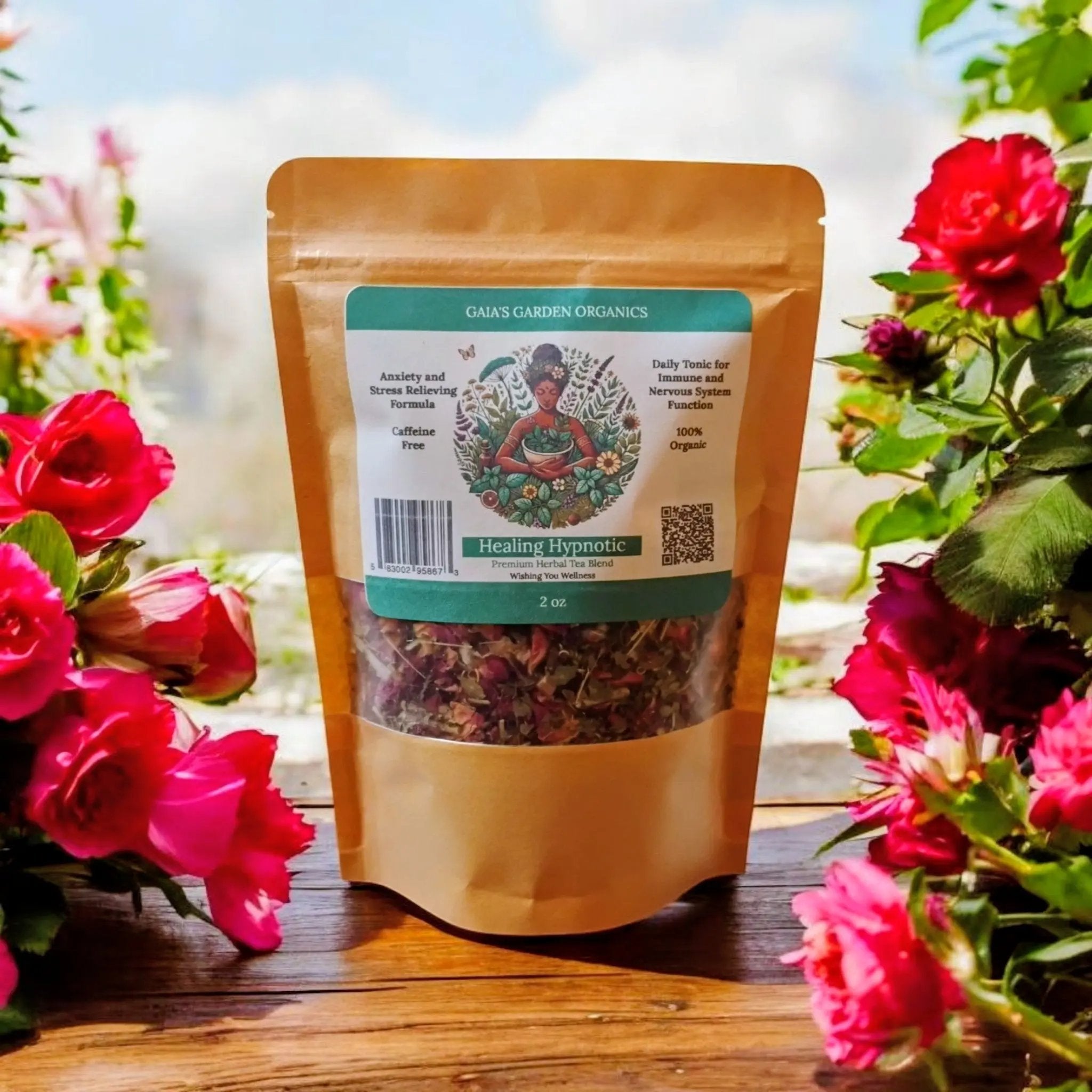
The 2022 90-day randomized placebo-controlled trial demonstrated significant improvements in perceived stress, recall, and sleep quality (Lopresti et al., PMC8632422). Ashwagandha is in our Healing Hypnotic Tea. Why it matters for perimenopause cognition: the broken sleep is the upstream driver that the cognitive symptoms are partly downstream of. Fix the sleep and the morning starts above empty.
Motherwort (Leonurus cardiaca), for palpitations and anxious heart
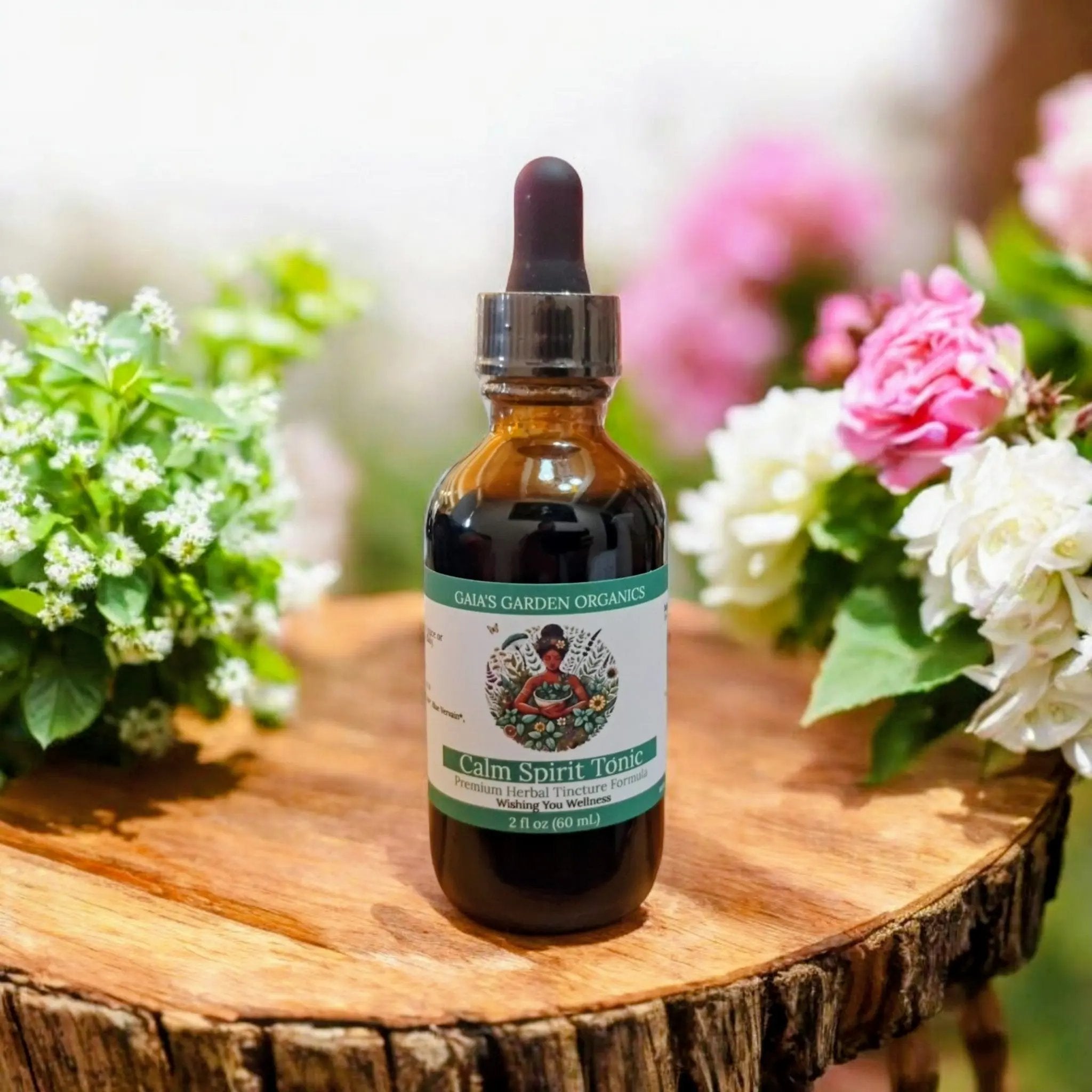
Motherwort has been used in European herbal medicine for centuries for "the anxious heart at hormonal transition." Palpitations, racing heart in the middle of the night, the small panic at 3 AM after a hot flash. Motherwort is a cardiac nervine, meaning it acts on the heart and the nervous system in tandem. It is the base of Calm Spirit Tonic alongside Blue Vervain, Tulsi, and Rose.
The four together address the everyday cascade: spearmint for working memory over 90 days, lemon balm for acute attention on hard days, ashwagandha for sleep, motherwort for the anxious-heart layer. This is the cascade that an HRT-only frame leaves untouched.
The protocol: what to actually do
Plant medicine is the slow anchor. The protocol is what the body does on the day the words slip.
The sleep tool: Yoga Nidra Body Scan (Annamaya Kosha (ah-nah-MAH-yah KOH-shah))
In Yoga Therapy, the body is mapped through five sheaths or koshas. Annamaya Kosha is the physical body, the most accessible layer. A finger-by-finger somatic awareness practice from this layer is the Yoga Nidra body scan, and a 2024 systematic review and meta-analysis (Ghai et al., 2024) found Yoga Nidra significantly reduces stress, anxiety, and depression across trials.
For perimenopause specifically: the body scan does at bedtime what melatonin cannot. It teaches the nervous system to release the held tension that keeps the body wired at 3 AM. Ten minutes, lying in bed, awareness moving slowly from the right thumb through to the left toes. Most readers fall asleep before the scan finishes.
The interior referent: Sankalpa (SAHN-kahl-pah)
Sankalpa is a single-sentence intention, present-tense, stated as already true. Not a goal ("I will remember more"). A stable interior referent ("I trust the words that come"). On the day the names are slipping, the small panic is the cognitive load, not the missing word. The Sankalpa interrupts the panic loop.
Write one sentence on a card. Read it morning and night. Three weeks in, the words slip without the small interior alarm. The cognitive load drops by half. Most readers underestimate how much of the cognitive shift is actually the anxious-about-the-shift loop.
The daily anchor
Vitality Essence (spearmint flower essence): four drops under the tongue, morning and afternoon. Magical Marvel Tea: one cup in the morning. Calm Spirit Tonic at the cardiac-anxious moments. Healing Hypnotic Tea at bedtime. The body scan after the lights go off. The Sankalpa as the first and last thought of the day.
Most readers feel the everyday cognitive cascade soften within 2 weeks and a meaningful baseline shift around the 90-day mark, in line with the spearmint trial timeline.
Why this works, briefly
The clinical literature on perimenopausal cognition is clearer than most women realize. Maki and Henderson (PMC3185244) document that the cognitive symptoms cluster in verbal memory and verbal learning, are real, and largely improve into late postmenopause for most women. The 2023 review (Conde et al., PMC10842974) confirms the pattern and emphasizes the cascade nature: cognitive symptoms are upstream of and downstream of sleep, mood, and vasomotor symptoms simultaneously.
The 2002 lemon balm trial (Kennedy et al.) and the 2018 spearmint trial (Lopez et al., PMC5779242) demonstrate that the everyday cognitive cascade is responsive to plant medicine. The 2024 Yoga Nidra meta-analysis (Ghai et al., 2024) confirms the practice reduces stress, anxiety, and depression. None of this replaces the conversation with your provider about HRT or other interventions. It is the everyday-pattern support that runs alongside.
Where to go from here
- Step 1 (free): The 5-Day Mental Clarity Reset PDF, a clinical-herbalist guide for the everyday cognitive cascade of perimenopause. Get the protocol.
- Step 2 (30-night guarantee): Vitality Essence (spearmint flower essence, four drops twice a day) is the matched daily anchor. For working-memory support over 90 days, add Magical Marvel Tea (spearmint and lemon balm). If the anxious-heart layer is part of your pattern, pair with Calm Spirit Tonic. For sleep, add Healing Hypnotic Tea (ashwagandha at bedtime).
- Step 3 (coming soon): Harmony Within, Gaia's Yoga Nidra book. Thirty full guided scripts including the body-scan session that pairs with this protocol.
This guide is for general support of the everyday cognitive shifts of perimenopause and is not a substitute for medical care. Persistent or worsening cognitive symptoms warrant a conversation with your physician or a menopause-trained provider.
Looking for the broader context on flower essences? Our pillar guide Flower Essences 101 covers the history of the Bach method, how preparation actually works, and how to choose between the five active essences we make.
PS: If your symptoms are severe or worsening, this guide does not replace the conversation with your physician or menopause-trained provider. Get the protocol AND have the appointment. The two run alongside each other, not in competition.
Frequently asked
How fast does this work for perimenopause brain fog?
Two timescales. The Sankalpa and the body scan interrupt the anxious-about-the-shift loop within the first week; most readers feel the cognitive load drop noticeably by Day 5. The working-memory build from spearmint takes longer: the 2018 trial showed measurable gains at 90 days. Lemon balm gives acute attention support within 1-2 hours of a cup. Most readers feel the everyday cascade soften within 2 weeks and a baseline shift around the 90-day mark.
Should I take this if I am already on hormone replacement therapy?
Yes. HRT addresses the endocrine shift directly. The herbs and Yoga Therapy practices in this protocol address the everyday cascade (sleep, anxious-heart layer, working memory) that HRT does not fully reach for every woman. The two are complementary. Vitality Essence and Magical Marvel Tea have no known interactions with HRT. Calm Spirit Tonic contains Motherwort, which is mildly uterine-stimulating; not contraindicated with HRT, but worth a note with your provider if you want to be thorough.
Is ashwagandha safe with my thyroid medication?
Ashwagandha can modulate thyroid function and is not recommended without medical supervision for those on thyroid hormone replacement (levothyroxine, Armour, Nature-Throid). If you are on thyroid medication, please consult your physician before starting Healing Hypnotic Tea or any ashwagandha-containing product. The other herbs in this protocol (spearmint, lemon balm, motherwort, peppermint) do not have documented thyroid interactions.
How is this different from the crossword app or the fish oil?
The crossword sharpens the specific cognitive skill of doing crosswords; it does not address the cascade. Fish oil has weak and mixed evidence for cognitive support in midlife adults. The herbs in this protocol are matched to the specific perimenopausal cognitive pattern: spearmint for working memory in midlife adults (2018 RCT), lemon balm for acute attention (2002 RCT), ashwagandha for the sleep cascade (2022 RCT). The Yoga Therapy practices address the anxious-about-cognition loop that adds load on top of the actual shift. Pattern-matched is better than generic.
What if it does not work for me?
The PDF is free; there is no risk on the protocol itself. The matched Vitality Essence carries a 30-night unconditional guarantee. If it is not the shift you were hoping for, email us and we refund in full. No return shipping. No questions. We would rather refund and help you find a better fit, or recommend a follow-up conversation with your provider, than have you stuck with a product that is not yours. The protocol works for most women in the everyday cascade range; for those whose pattern is closer to the severe end, your menopause-trained provider is the right next step.
Products from this article
Handcrafted in Umpire, Arkansas by Gaia Devi, clinical herbalist.
Explore our apothecary
Learn more
Flower Essences 101
A clinical herbalist's plain-English guide to what flower essences are and how to take them.
Find your match
The Vitality-Type Quiz
5-question clinical-herbalist diagnostic for the depleted caretaker. Matches a daily spark practice + plant pairing.
Shop the apothecary
The 5-Essence Starter Cabinet
All 5 essences bundled at 20% off, the full emotional toolkit.
Sources & further reading
Authoritative references consulted in writing this article. Open in a new tab.
- PubMed CentralMaki PM, Henderson VW. Cognition and the menopause transition (PMC3185244)
- PubMed CentralConde DM et al. Cognitive problems in perimenopause (PMC10842974)
- PubMedKennedy DO et al. Modulation of mood and cognitive performance following acute administration of Melissa officinalis
- PubMed CentralLopez V et al. Spearmint extract working memory RCT (PMC5779242)
- Annals of the NY Academy of SciencesGhai et al. Yoga Nidra for stress, anxiety, and depression: systematic review and meta-analysis
- PubMed CentralLopresti AL et al. Ashwagandha cognition and stress RCT (PMC8632422)