In this article (10)▾
The casseroles stop coming around week three. The cards stop. The people who called every day go back to their own lives, which is what they should do, and the grieving person is left alone with the part nobody prepared them for.
Because the first phase of grief, the one everyone recognizes, is loud. You cry. You cannot function. People show up.
The second phase is quiet, and it lasts far longer. You function again. You answer emails. You tell people you are doing better and you are not technically lying. Underneath, something has closed, and it closed in order to get you through, and now it will not open again on its own.
That second phase is where flower essence work has its place, and rose is the plant for it. This guide is about how to use a flower essence during grief: when to start, what to expect, what it does and does not do, and how to tell the difference between the grief that needs a bottle and the grief that needs a human being.
If flower essences are new to you entirely, start with Flower Essences 101.
If you are meeting essences for the first time through grief, my guide to what flower essences are and how they work is a tender place to begin.
What a flower essence can and cannot do for grief
Let me draw this line first, because grief is where overpromising does real harm.
A flower essence will not shorten your grief. It will not make you miss the person less. Grief is not a malfunction, and anything that promises to remove it is selling you avoidance.
What a flower essence works on is the armoring. Not the sorrow, but the hardness that forms around the sorrow in order to let you keep working, keep parenting, keep answering the phone. That armor is intelligent and it is protective and it saved you in the first weeks. It also, eventually, becomes the thing standing between you and the healing.
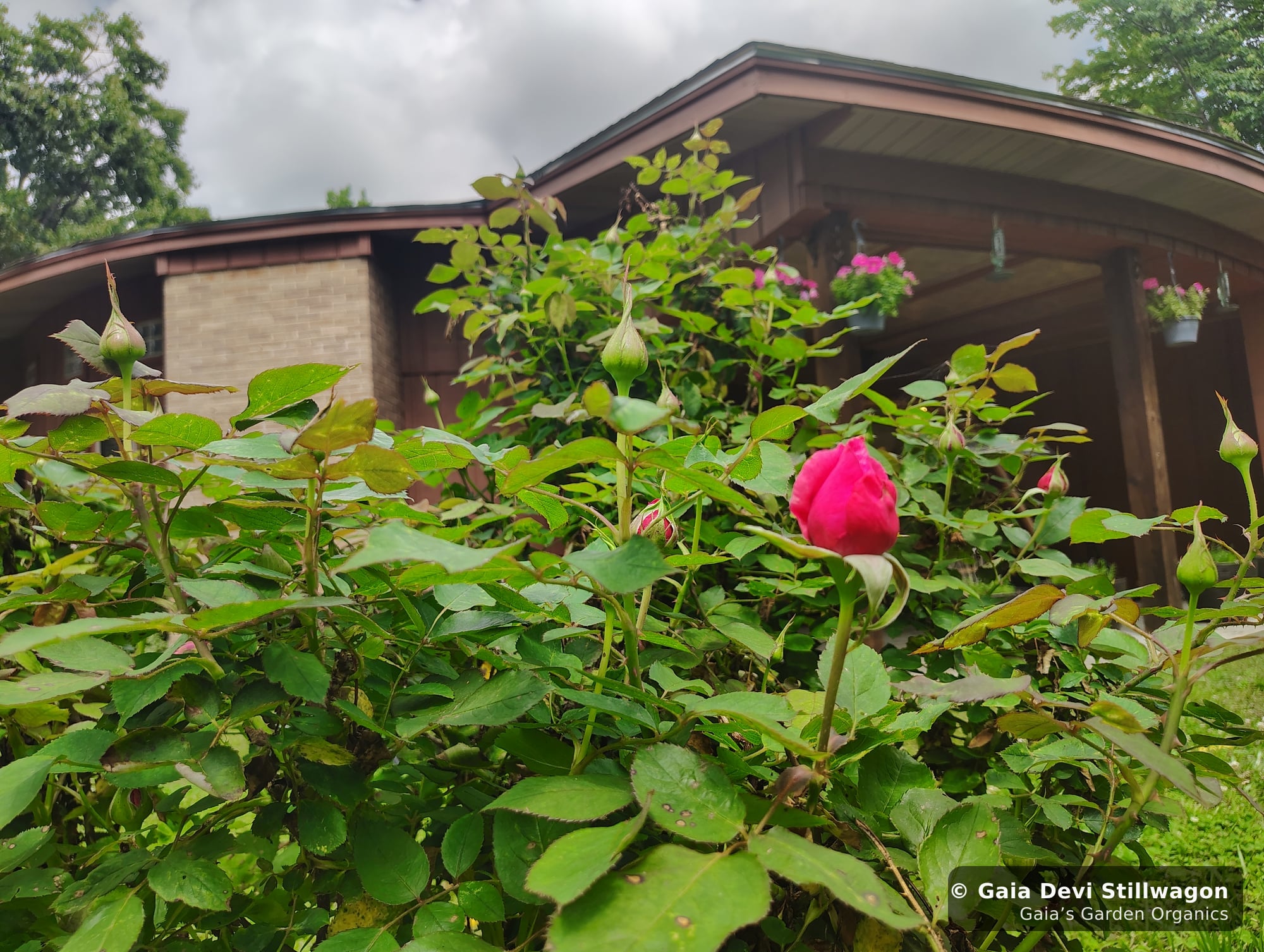
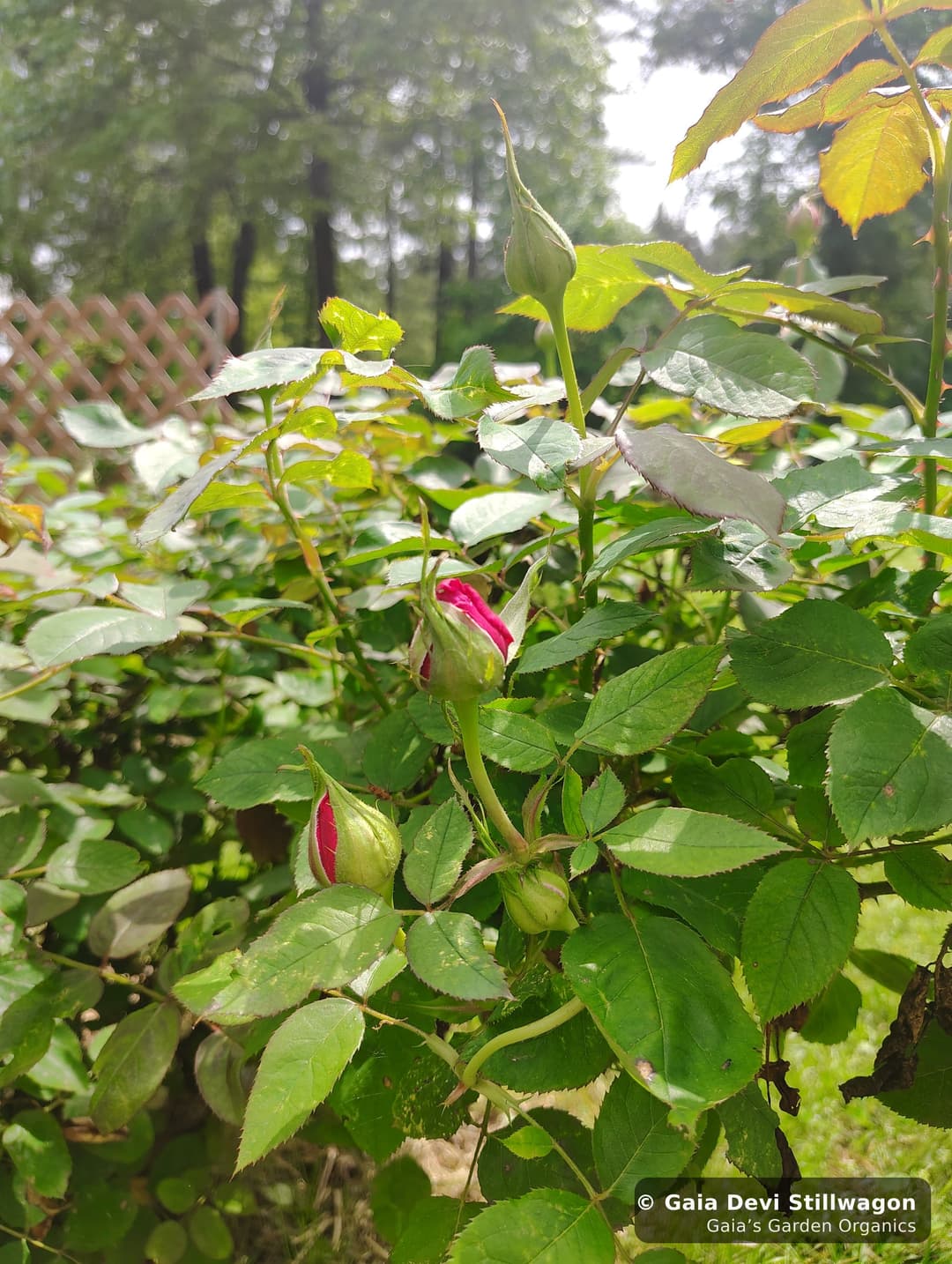
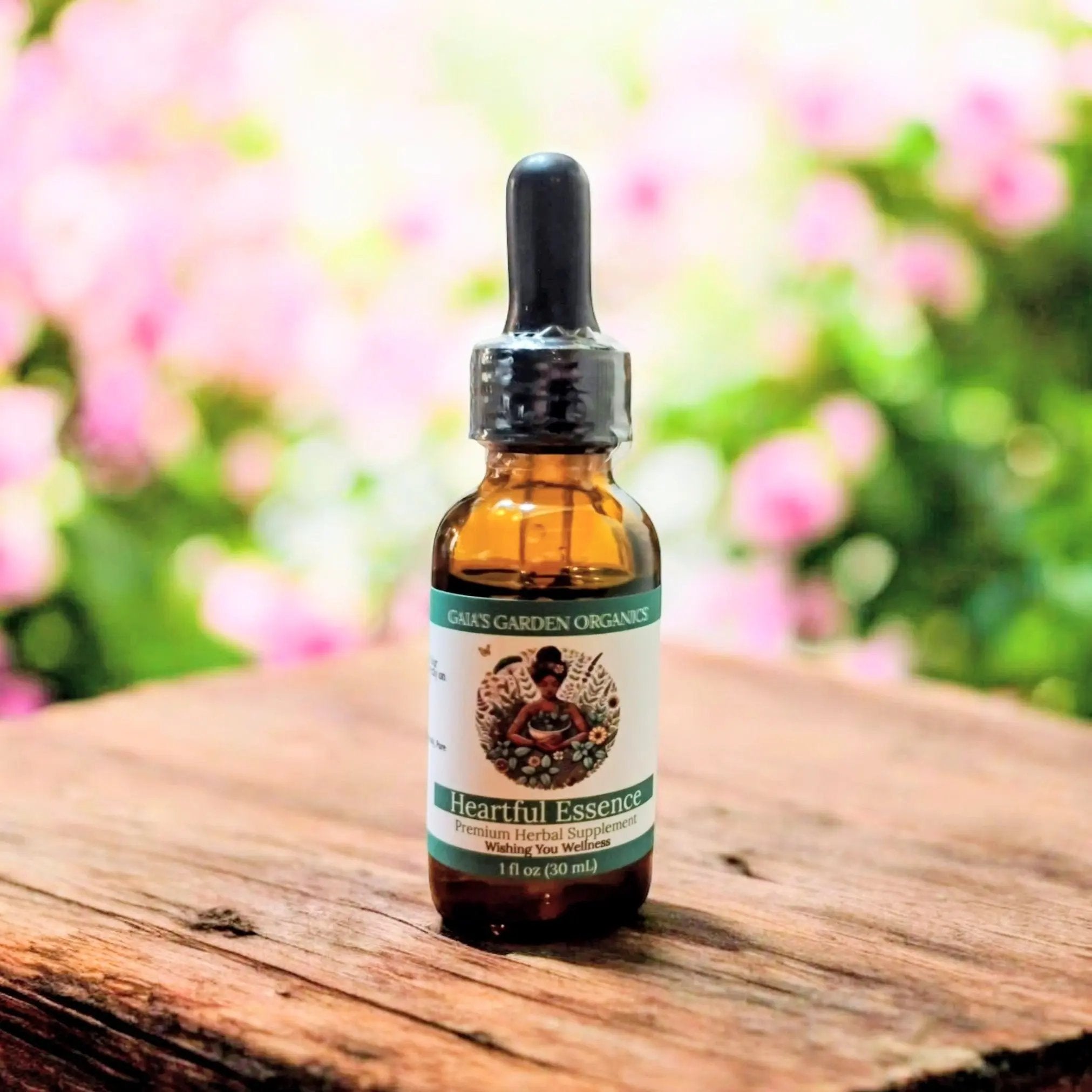
Our rose essence is Heartful Essence, $36 for a 1 fl oz bottle, prepared by the traditional Bach method: fresh rose blossoms (Rosa spp.) sun-infused in mountain water and preserved in brandy, which is the clinical gold standard for this work and what keeps it shelf-stable for years. It is made from roses grown in our medicine garden in Umpire, Arkansas. The method in full is at the Bach method, explained.
Timing matters more here than with any other essence
This is the part most grief content gets wrong, so I want to be specific.
Acute grief, the first days and weeks, is not the window for essence work. The person is too raw for it to find purchase, and what they actually need is presence, food, sleep, and other human beings. If you are in that phase, or you are buying for somebody who is, put this page down and bring them a meal. That is not a soft answer. It is the clinically correct one.
The second phase begins somewhere between four and twelve weeks after the loss, though it varies enormously and no one should be held to a schedule. This is the window rose is for.
Signs you have arrived in it:
- Numbness that reads as the absence of feeling rather than the presence of peace.
- The chest is physically tight in a way that is not anxiety. It is closed.
- You know you are grieving and cannot actually feel it, which frightens you.
- You cannot receive care, even from people you love, without flinching.
- You laugh at something and feel guilty for laughing.
- You have started to wonder whether you are grieving wrong.
You are not grieving wrong. A closed heart after a loss is what hearts do. It is a survival response, not a character flaw, and it is exactly the thing rose has been used for.
Why rose
Rose has been the heart's plant in essentially every herbal tradition that wrote anything down, across a couple of thousand years. In our own practice it is classified as a heart-centered nervine: where lavender quiets agitation, rose softens the protective armor. Those are different jobs.
I have written the long version of rose's history and its closed-heart signature separately, in the closed heart, the cards stop coming. If you want the plant's own story, read that one. The plant's botany, constituents, and herbal cautions are in the rose monograph. This page will stay on the grief protocol.
The grief that is not bereavement
Most grief writing assumes a death. A great deal of the grief I see in clinic is not that, and people carrying it often feel they have not earned the word.
You have. Rose is used across all of it:
- The end of a marriage or a long relationship. Often harder than bereavement because the person is still alive, still in the world, and there is no funeral and no casserole.
- Estrangement. A parent, a sibling, an adult child who has stopped speaking to you. Grief with no ending and no permission to mourn.
- Losing a pet. Frequently the most defended grief of all, because people apologize for it. Do not. We have written specifically about grief after pet loss.
- Anticipatory grief. Watching a long decline, in a parent or a partner. The mourning starts long before the death and gets no acknowledgment at all.
- Losing a version of your life. A diagnosis, an infertility, a career, a home, a body that used to do what you asked. These are real losses and they close the heart the same way.
The pattern is the same in each: the heart shuts a door to keep functioning, and the door stays shut after the danger has passed.
How to take Heartful during grief
- Standard daily dose. Four drops, morning and evening. The morning dose anchors the day; the evening dose lets the heart soften toward sleep, which is when the armor is naturally thinnest.
- Loading dose for the first three days. Four drops, two to three times per day for the first 72 hours.
- Hard days. Anniversaries, holidays, birthdays, the first snow, the song in the supermarket. Take extra drops, generously, every 10 to 15 minutes if you need them. There is no overdose risk.
- Minimum window. Four weeks before you judge it. Grief work commonly runs four weeks to six months, and that is normal rather than a sign it is not working.
- Combining. Up to three essences at once. Grief layered with chest-tight anxiety is a common pairing with Tranquility Essence.
A 1 fl oz bottle holds roughly 600 drops, four to five months of daily use, which is about the length of the work.
The arc, and the part in the middle nobody warns you about
- Weeks 1 to 2. Usually nothing at the surface. The chest is still tight, the numbness is still there. Underneath, the thaw has started.
- Weeks 3 to 4. Tears arrive more easily, often for things that seem unrelated or trivial. This is the part to be ready for. It reads as getting worse. It is not. The defended phase felt calmer because nothing could land; the softening lets the feeling move.
- Weeks 4 to 8. The closed feeling loosens. You can accept a small kindness without bracing. You can sit with the grief instead of holding it off.
- Months 2 to 6. The heart gets its rhythm back. Joy and grief become able to share a room. You are not over it. You are with it differently, which is the actual destination.
If week four is heavier than week one, that is the expected shape of this work. The wider onset timeline is at how long flower essences take to work.
When an essence is not the right help
Please read this part properly.
If the grief is unmanageable, if it is not moving at all after many months, if it comes with thoughts of not wanting to be here, or if you are unable to eat, sleep, or function, you need a grief counselor or a therapist and possibly a doctor. That is not a failure of the essence and it is not a failure of yours. Many of my clinic clients run Heartful alongside grief counseling and find the two layers work well together, the essence holding the daily rhythm while the human work happens in the room.
A bottle of drops is a daily anchor. It is not company, and grief is largely treated by company.
The practice I pair it with
The Yoga Therapy anchor for grief work is the heart-center (Hridaya, hrid-EYE-yah), which in this tradition is a contemplative location rather than the anatomical organ. The practice is not a technique so much as a place to put your attention.
Two or three minutes, with the evening dose:
- Take the drops. Lie down, or sit with your back supported.
- Rest one hand flat on the center of your chest. Let it be heavy.
- Breathe normally. Notice the weight of your own hand rather than trying to feel anything in particular.
- Stay for two minutes. If tears come, let them. If nothing comes, that is also correct.
Nothing is being fixed here. You are practicing the act of not leaving your own chest, which is the exact capacity grief takes away.
When you are ready for something longer, this is the territory of Yoga Nidra, the deep-rest practice I trained in through the Bihar Yoga tradition, and of Intention (Sankalpa, SAHN-kahl-pah), which translates as the will that arises from the heart. The Mandukya Upanishad calls the state this rest touches turiya, "the fourth," the conscious rest that sits underneath waking, dreaming, and deep sleep.
Alcohol, pregnancy, children, and grieving animals
- Alcohol. Brandy is the preservative and the amount in a four-drop dose is very small. If you avoid alcohol entirely, drop the dose into warm water and let it sit two minutes first.
- Pregnancy and nursing. Considered low-risk and non-reactive, as essences work on the emotional body rather than through biochemistry; the brandy carrier is the only caveat. Rose has a particularly long traditional record of use in the postpartum window. Tell your healthcare provider what you are taking.
- Antidepressants and other medications. Essences are considered non-reactive with conventional medications; they do not act on the same biochemical pathways. Many people use Heartful alongside prescribed medication during a grief reaction. Never stop a psychiatric medication without medical supervision.
- Grieving children. One to two drops diluted in water, juice, or tea, one to two times a day. This is one of the most-used essences for children after losing a grandparent or a pet. Pair it with permission to feel what they feel and with adult company. The essence holds the rhythm; the relationship does the healing.
- Grieving dogs and cats. Two to four drops in the water bowl, on food, or on pulse points such as inside the ears or the paw pads. Animals mourn housemates, human and animal, and the closed-off pattern often softens over a few weeks. See flower essence for a grieving dog. Talk to your veterinarian about ongoing concerns.
- Rose sensitivity. People with severe rose-family pollen allergies occasionally react to rose petal products. A finished essence contains no measurable plant matter, so that caution belongs to rose petal products rather than to Heartful Essence.
Where to go from here
- Step 1 (free). Not sure where you are in the arc? Take the Heart-Type Quiz and I will match you to the essence for your phase.
- Step 2 (30-night guarantee). Heartful Essence, four drops morning and evening, for a minimum of four weeks. Bach method, brandy and mountain water, made in our garden and backed by the 30-night guarantee.
- Step 3. Harmony Within, my Yoga Nidra book, which carries scripts written specifically for grief.
This guide is general emotional support and is not a substitute for therapeutic care. If your grief is severe, prolonged, or accompanied by thoughts of self-harm, please work with a grief counselor, therapist, or physician.
Frequently asked
When in the grief arc should I start taking Heartful?
The most useful window is 4-12 weeks after the loss, once the acute breaking-open phase has passed and the heart has begun to armor itself to survive. Earlier than that, the essence often does not find purchase because the person is too raw; what they need then is presence, food, sleep, and human company. If you are unsure where you are in the arc, reply to any of our emails and we will help you figure out the right starting point.
Is grief work supposed to feel worse before it gets better?
Often yes, briefly. Weeks 3-4 of consistent essence use commonly bring a wave of unexpected tears, sometimes triggered by small things (a song, a smell, a memory). This is the heart softening, not the grief returning. The defended-heart phase felt 'better' on the surface because nothing could land; the softening lets the actual feelings move through. Within another 2-4 weeks the wave settles into a quieter, more workable grief that you can live alongside.
Can I give Heartful to my child who is grieving?
Yes. Children take the same four drops twice daily; the brandy preservative content is small. Heartful is one of the most-used flower essences for children's grief, especially after losing a grandparent or pet. Pair with permission for the child to feel what they feel, and with adult presence. The essence anchors the daily rhythm; the human relationship does the actual healing.
Is this safe with antidepressants or grief medications?
Yes. Flower essences have no documented pharmacological interactions with prescription medications. Many of my clients use Heartful alongside SSRIs, SNRIs, or short-term sleep medications during a grief reaction; the two work on different layers and complement each other. Never stop psychiatric medication without medical supervision.
Can I give it to my grieving dog or cat?
Yes. Animals respond to rose essence much the way humans do, especially after losing a housemate (human or animal). Four drops in the water bowl twice daily is the standard dose. The closed-off, defended pattern after a loss often softens within 2-3 weeks of daily essence support. We make a dog-essence quiz at /pages/dog-essence-quiz for pet-specific routing.
Products from this article
Handcrafted in Umpire, Arkansas by Gaia Devi, clinical herbalist.
Explore our apothecary
Learn more
Flower Essences 101
A clinical herbalist's plain-English guide to what flower essences are and how to take them.
Find your match
The Heart-Type Quiz
5-question clinical yoga therapist's diagnostic for the quietly grieving heart. Matches a 4-week rhythm to your pattern.
Shop the apothecary
The 5-Essence Starter Cabinet
All 5 essences bundled at 20% off, the full emotional toolkit.
Sources & further reading
Authoritative references consulted in writing this article. Open in a new tab.
- The Bach CentreHistory of the Bach Flower Remedies
- Bach FlowerAn Overview of the Bach Flower Essences
- PubMed (2022)Effects of flower essences on nursing students' stress symptoms: a randomized clinical trial
- PubMed (Akhondzadeh et al., 2001)Passionflower in the treatment of generalized anxiety: a pilot double-blind randomized controlled trial with oxazepam
- Chestnut School of Herbal MedicineFlowering Herbs (article archive)