In this article (8)▾
If you have ever stood in a herbal shop looking at the same plant in both a tea form and a tincture form and wondered which to buy, this is the framework I use in clinic to choose between them. They are not interchangeable; they each have a specific best-use case.
What each format actually is
Herbal tea is a water infusion of dried herb. Hot water draws out water-soluble compounds (mostly flavonoids, polyphenols, mineral content, and some volatile oils). The brewing temperature, steeping time, and whether you cover the cup all change what you extract.
Herbal tincture is an alcohol extraction of fresh or dried herb. Alcohol draws out a broader range of compounds, including the lipid-soluble ones that water cannot reach. The extraction takes weeks; the finished tincture preserves shelf-stable plant medicine for years.
Tea's strengths
- Daily ritual: The act of brewing and sitting with the cup is its own parasympathetic-nervous-system cue. Half the medicine.
- Hydration plus medicine: You get the herbal compounds plus the water your body needs.
- Mucous-membrane contact: Tea bathes the throat, esophagus, and stomach lining as it goes down. Right for gut and upper-respiratory work.
- Mild and forgiving: Hard to overdose. Suitable for daily long-term use.
- Family-friendly: Same blend works for kids at half-strength, for adults at full-strength.
Tea's limitations
- Onset is slow (30-60 minutes for absorption through digestion).
- Cannot extract the lipid-soluble compounds in many herbs.
- The per-cup dose is modest; for strong acute effect, you would need multiple cups.
- Requires brewing time and equipment.
Tincture's strengths
- Speed: Sublingual absorption hits in 15-30 minutes.
- Concentration: Far more active compound per dose than tea.
- Broader extraction: Alcohol pulls compounds that water cannot, including many of the most therapeutically important ones.
- Portability: A 2-ounce bottle covers months of daily use; fits in a bag.
- Acute moments: The right tool when you need effect in 20 minutes, not 60.
- Shelf life: Properly stored tinctures keep for years.
Tincture's limitations
- Contains alcohol (small per dose, but real).
- Strong taste; not pleasant to sip.
- No daily-ritual component.
- Cost-per-bottle is higher than tea (cost-per-active-dose is often competitive).
The framework for choosing
Ask three questions:
- How fast do you need it to work? Acute (within 30 minutes) means tincture. Chronic daily baseline means either.
- Where is the herb doing its work? Gut lining or throat means tea. Systemic (anxiety, sleep, hormonal) can be either; tincture is more concentrated.
- Is the daily ritual itself part of the medicine? If yes (relaxation, mid-afternoon transition, evening wind-down), tea wins. If no, tincture is more practical.
Why most clinical protocols use both
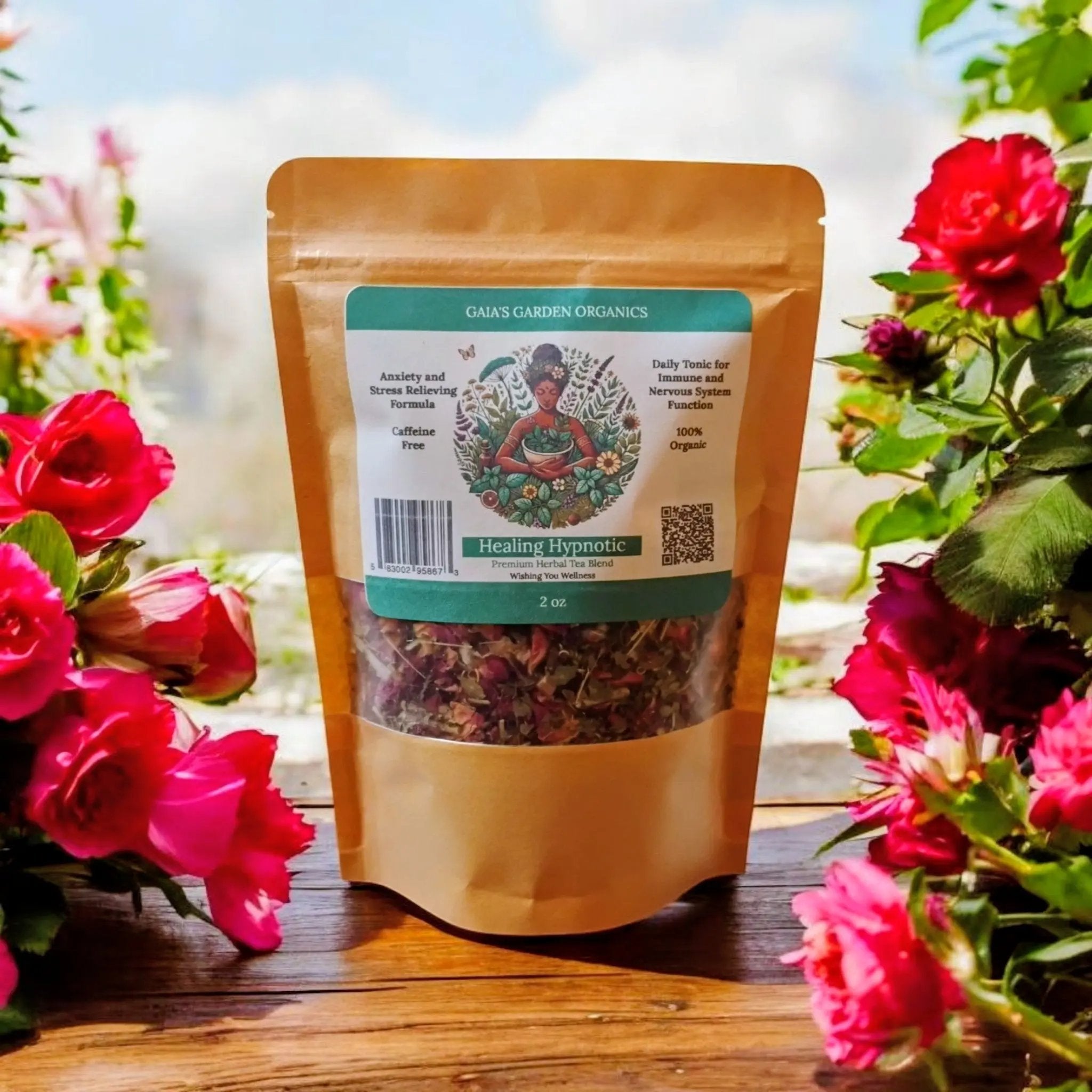
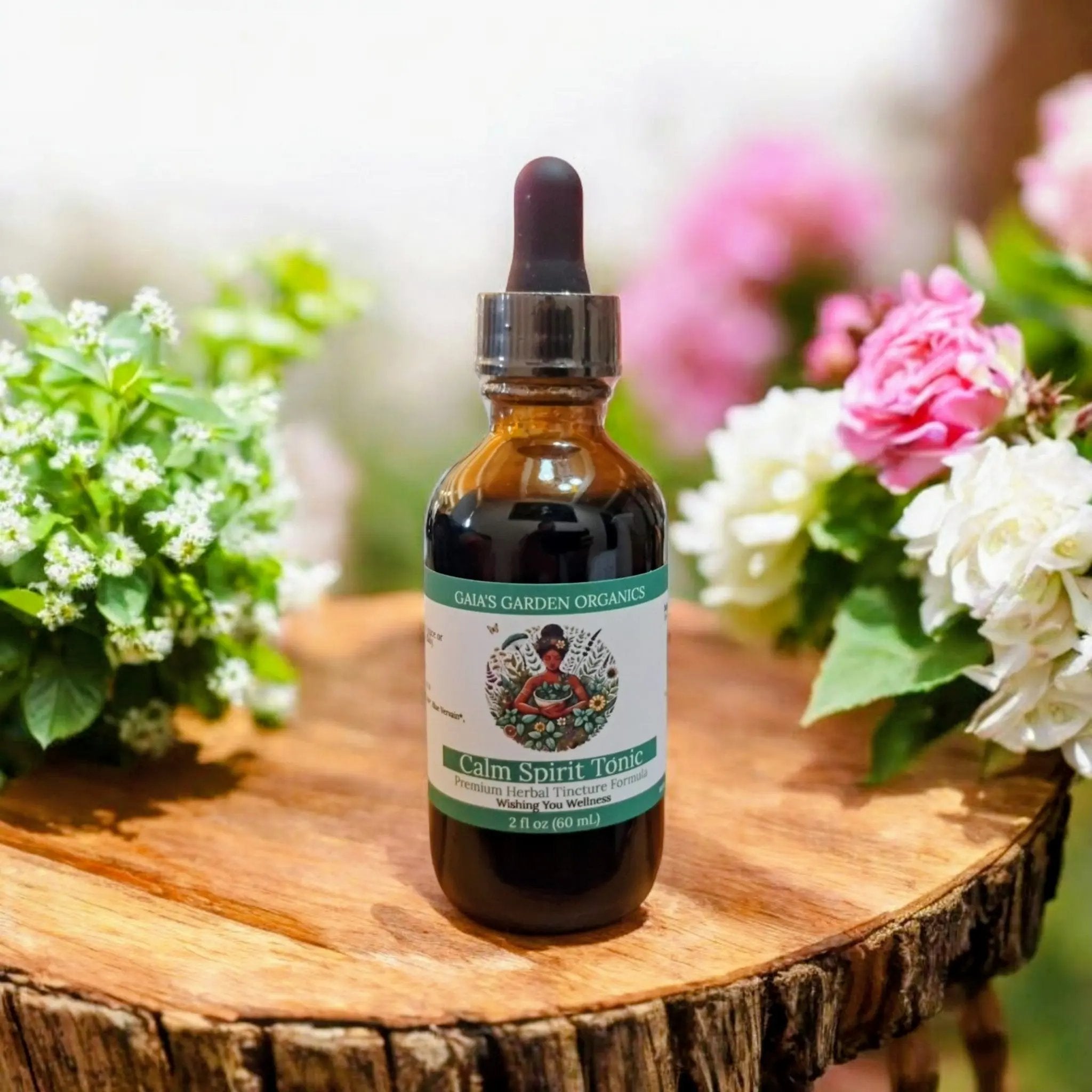
The two formats are complementary, not competing. A typical anxiety protocol in my clinic looks like: Healing Hypnotic Tea daily for the ritual and the gentle baseline support, plus Calm Spirit Tonic tincture for acute moments when the tea is not fast enough. The two run together.
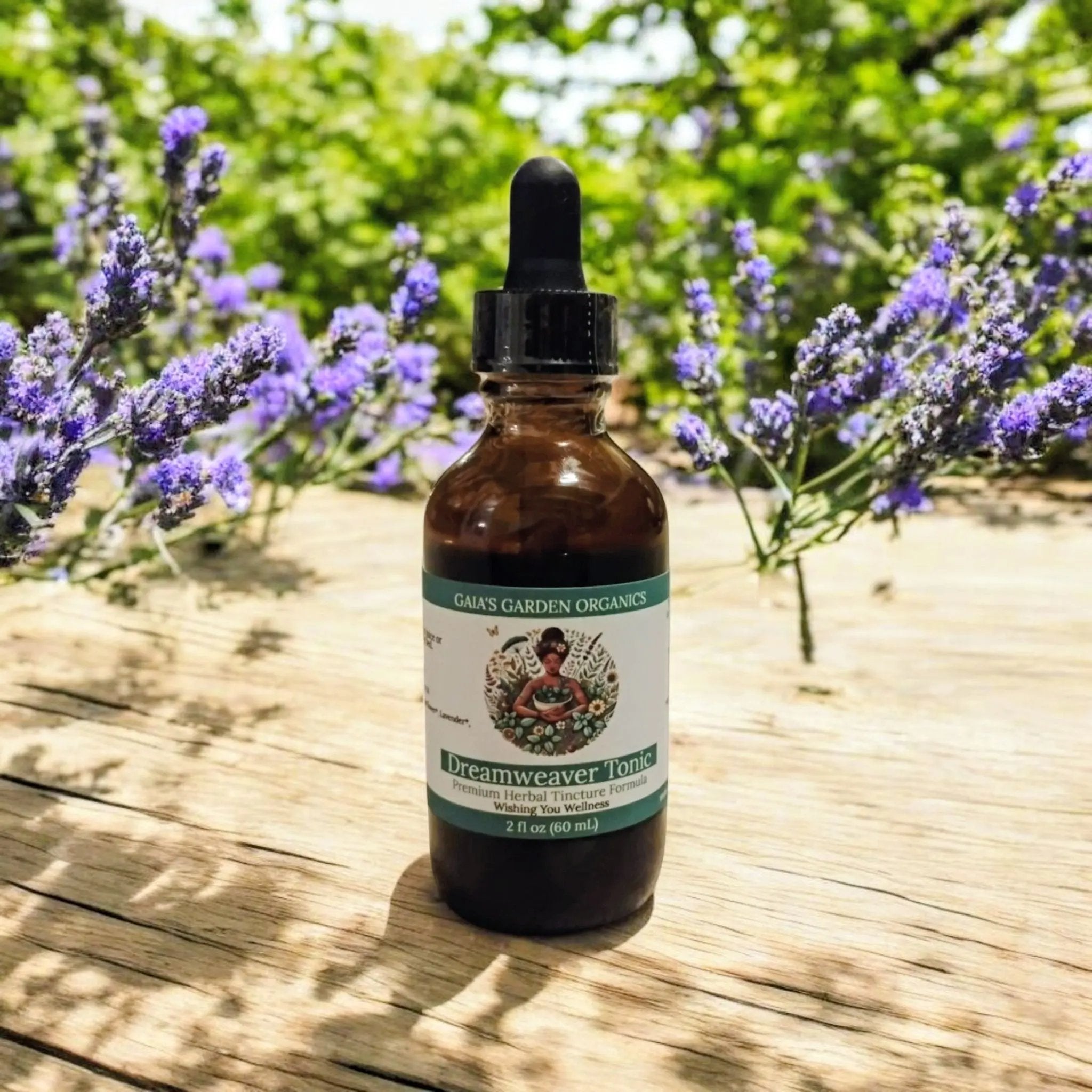
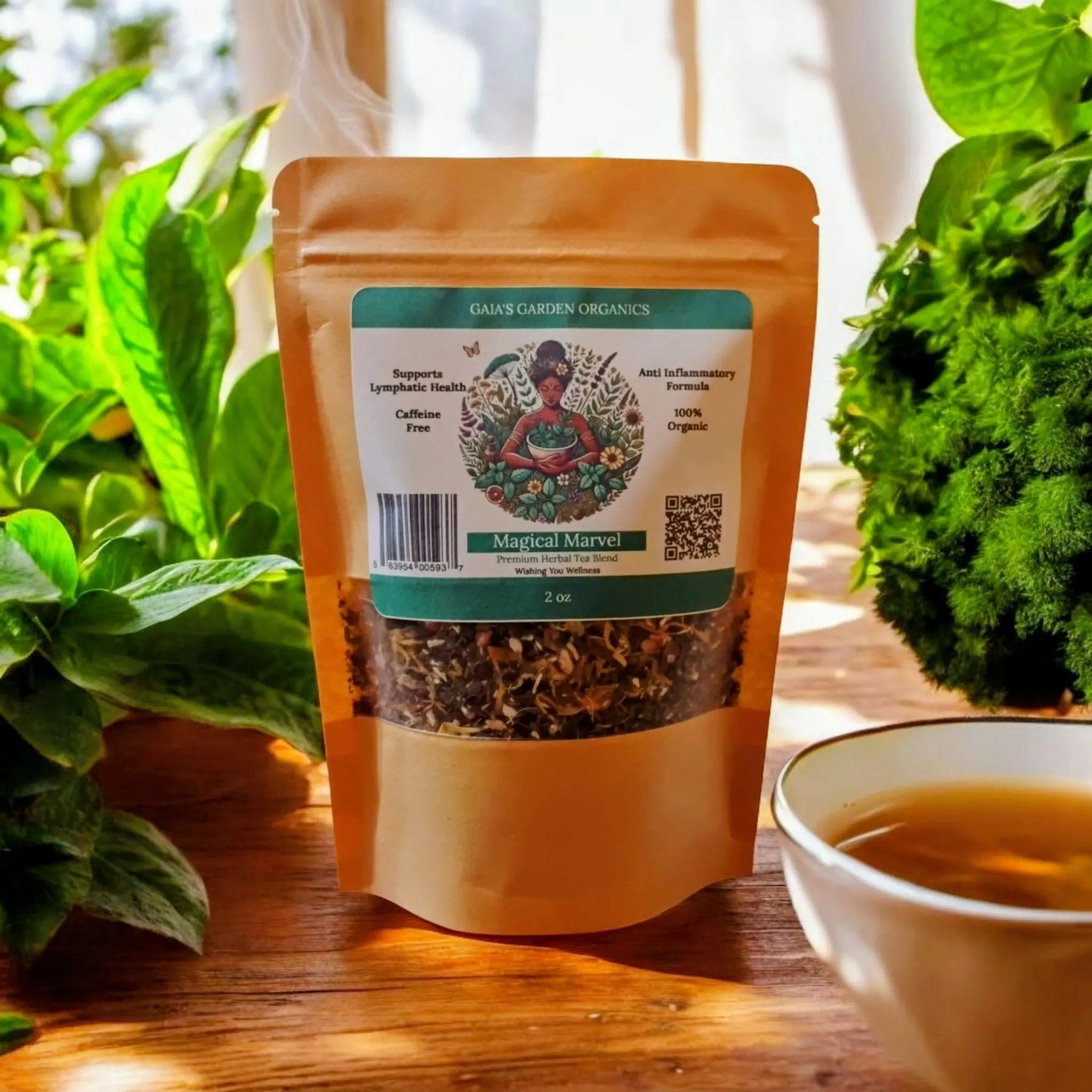
Same pattern for sleep (Healing Hypnotic Tea evening + Dreamweaver Tonic 60 minutes before bed) and tension (Magical Marvel Tea daily + Comfort Ease Tonic post-workout). The tea sets the baseline and the ritual; the tincture handles the moment the baseline is not enough.
Where to go from here
- Step 1 (free): Match your essence in 7 questions. Take the essence quiz.
- Step 2 (30-night guarantee): Pick the layer your body wants loudest. Tea for daily ritual. Tincture for acute moments. Most clinic clients run both.
- Step 3 (coming soon): Harmony Within, my Yoga Nidra book.
For broader context, our pillar guides Herbal Teas 101 and Herbal Tinctures 101 cover each format in depth.
Frequently asked
If I had to pick only one format, which should I start with?
Pick the use case that is loudest. For acute anxiety, sleep disruption, or pain, tincture. For chronic daily wellness support (digestion, immune baseline, heart, energy), tea. Most people start with one and add the other within a few months once they understand how each fits their pattern.
Can I take a tincture and a tea of the same herb together?
Yes, and this is common. The tea provides the daily baseline; the tincture provides the acute moments. The combination dose is well within safe ranges for almost all herbs at standard tea-and-tincture doses. The exception is herbs with prescription-strength tincture doses where you should stay within product-label dosing.
Does the alcohol in tincture lose its effect when I add it to hot tea?
If you boil a tincture, most of the alcohol evaporates and you may lose some volatile compounds. For chronic-baseline dose with no alcohol concern, this is fine. For acute effect, take tincture sublingually neat (no water, no tea). The speed advantage comes from sublingual absorption, which heating undermines.
Which has more active compound, tea or tincture?
Tincture, almost always. A standard dropperful of tincture delivers significantly more active plant compound than a single cup of tea, because alcohol extracts a broader compound range and tincture is more concentrated per volume. The trade-off is that tea provides hydration, ritual, and mucous-membrane contact that tincture cannot.
Are tinctures safe in pregnancy?
Format-wise, yes; the alcohol per dose is very small. Herb-wise, it depends on the herbs in the tincture. Many anxiety, sleep, and adaptogen herbs are contraindicated in pregnancy regardless of format. Always check the specific herbs with your prenatal provider; the format (tea vs. tincture) is the smaller concern.
Products from this article
Handcrafted in Umpire, Arkansas by Gaia Devi, clinical herbalist.
 Bestseller
Healing Hypnotic Herbal Tea
for the busy-mind bedtime
Calm Spirit Tonic
for calm and a quiet mind
Dreamweaver Tonic
for slipping into sleep
 Sold out
Magical Marvel Herbal Tea
for everyday vitality
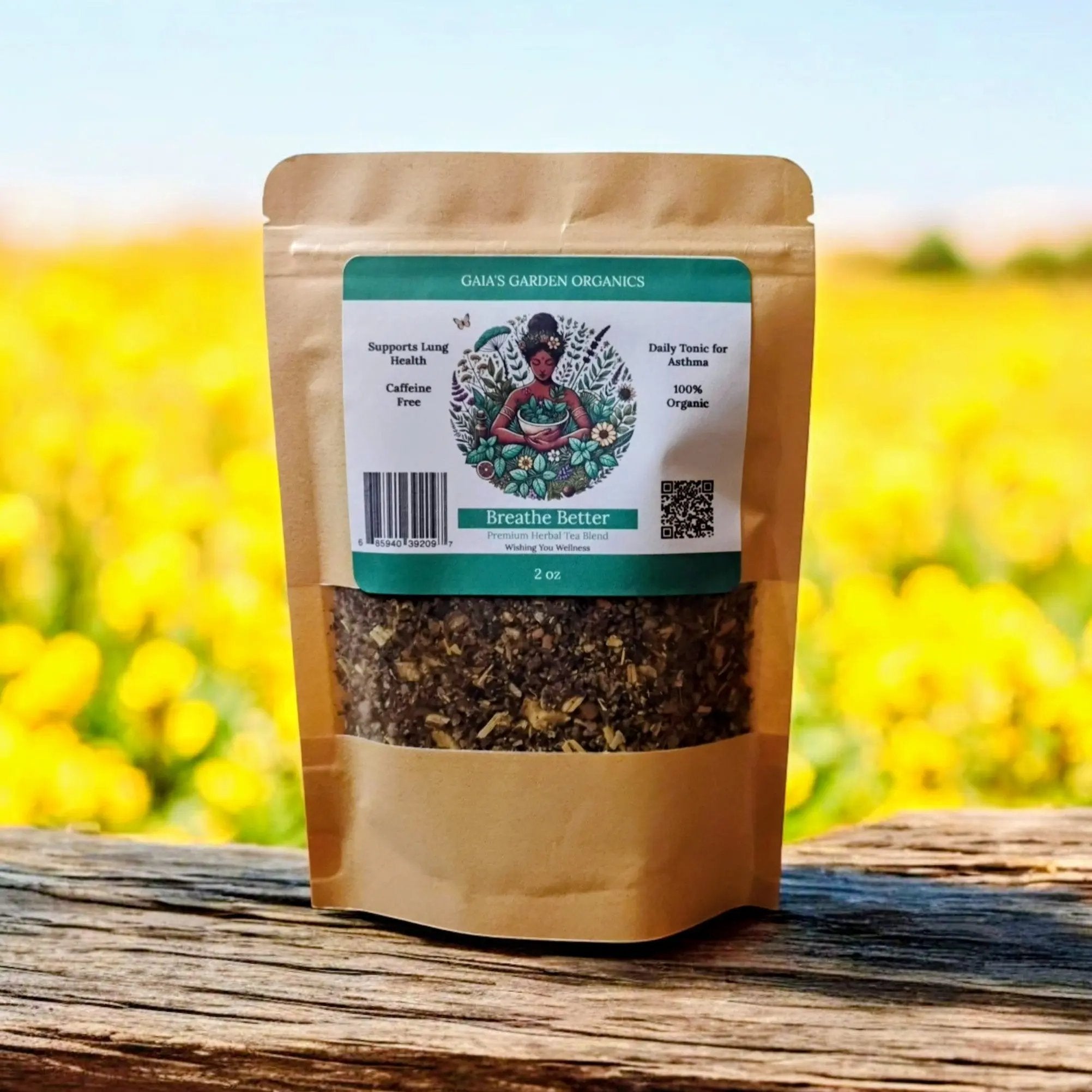
Breathe Better Herbal Tea
for clear breathing
Explore our apothecary
Learn more
Flower Essences 101
A clinical herbalist's plain-English guide to what flower essences are and how to take them.
Find your match
Browse the Free Practice Library
8 pattern-matched archetype entry points (sleep, anxiety, tension, heart, inner quiet, clarity, boundary, spark), each as a 5-question quiz, a 3-day mini-course, or a one-tap interactive tool.
Shop the apothecary
Medicinal Herbal Teas
Loose-leaf, clinical-herbalist-blended teas, each built around a specific job.
Sources & further reading
Authoritative references consulted in writing this article. Open in a new tab.
- NCCIHDietary and Herbal Supplements
- NCCIHHerbs at a Glance (per-herb safety and evidence)
- Chestnut School of Herbal MedicineThe Best Home Herbal Apothecary Books
- Chestnut School of Herbal MedicineFlowering Herbs (article archive)