In this article (6)▾
Your dog cries when you put on shoes. Or destroys the carpet when you're gone. Or follows you from room to room and panics at the closed bathroom door. Your cat scratches a hole through the door, or stops eating when you travel for a weekend.
This is separation anxiety, and it is one of the most common behavioral issues that brings clients to my clinic asking about herbal-medicine support. The honest answer is that flower essences are part of the solution, not the whole solution. Here is the framework.
If essences are new to you, my overview of how flower essences work will help the rest of this land.
What separation anxiety actually is
Three distinct patterns get lumped together as "separation anxiety." Each wants a different approach.
- Attachment-driven: The pet has bonded so closely with one person that their absence triggers a panic response. Common in rescue dogs and only-pet households.
- Confidence-driven: The pet does not have a strong sense of independent self; they have learned to outsource their security to the human. Common in early-socialization-deprived animals.
- Trauma-driven: The pet has been abandoned, surrendered, or experienced caregiver loss in the past. The current separation triggers the old wound.
Most separation-anxiety cases have a primary pattern and sometimes a secondary one. The essence choice follows the pattern.
Matching the essence to the pattern
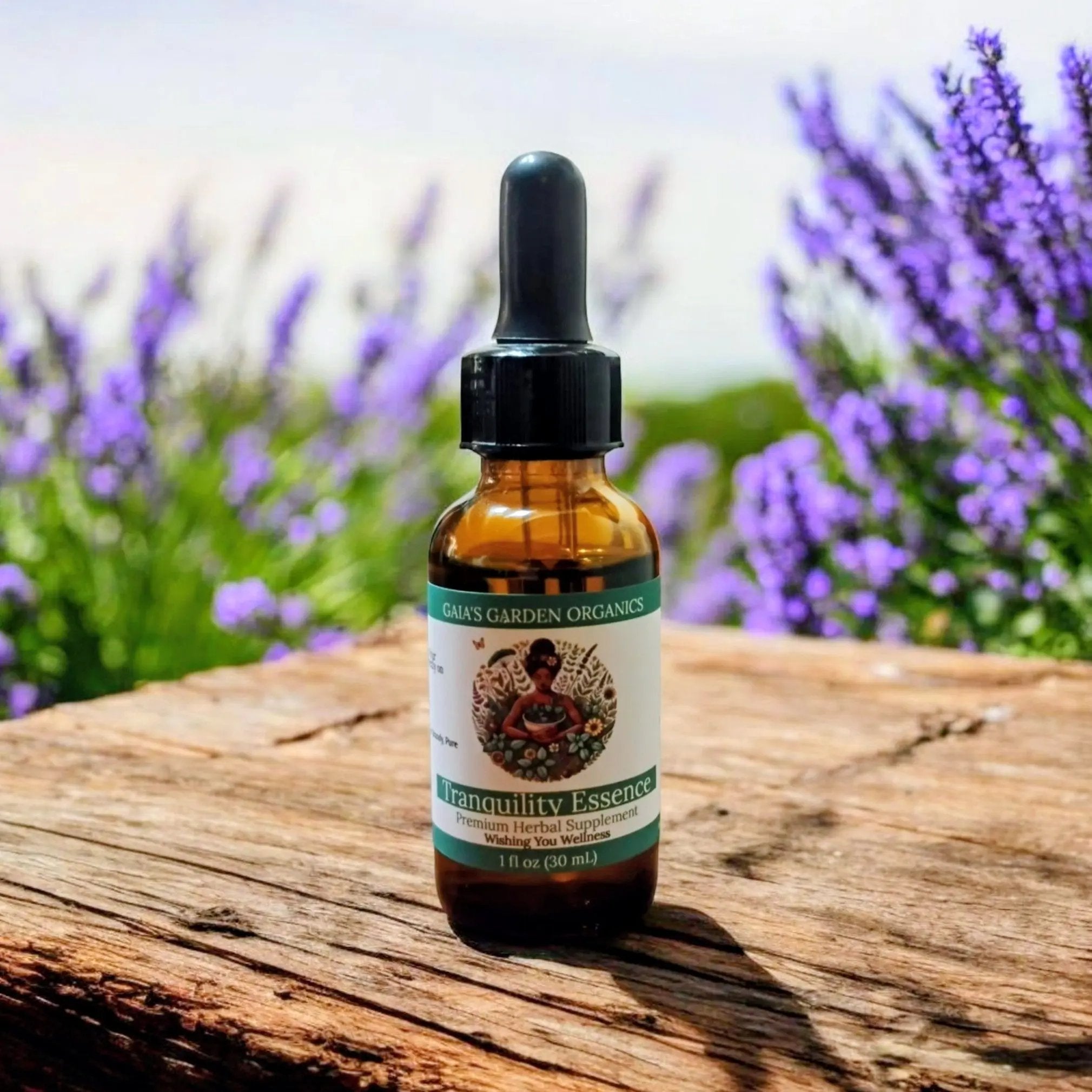
- Tranquility (lavender): The general everyday-anxiety essence. Right for attachment-driven patterns where the underlying state is fear rather than identity. Most separation-anxiety dogs start here.
- Confidence (goldenrod): Right for confidence-driven patterns where the pet has not developed an independent sense of security. Useful for rescue dogs who shadow their human constantly and panic when left alone.
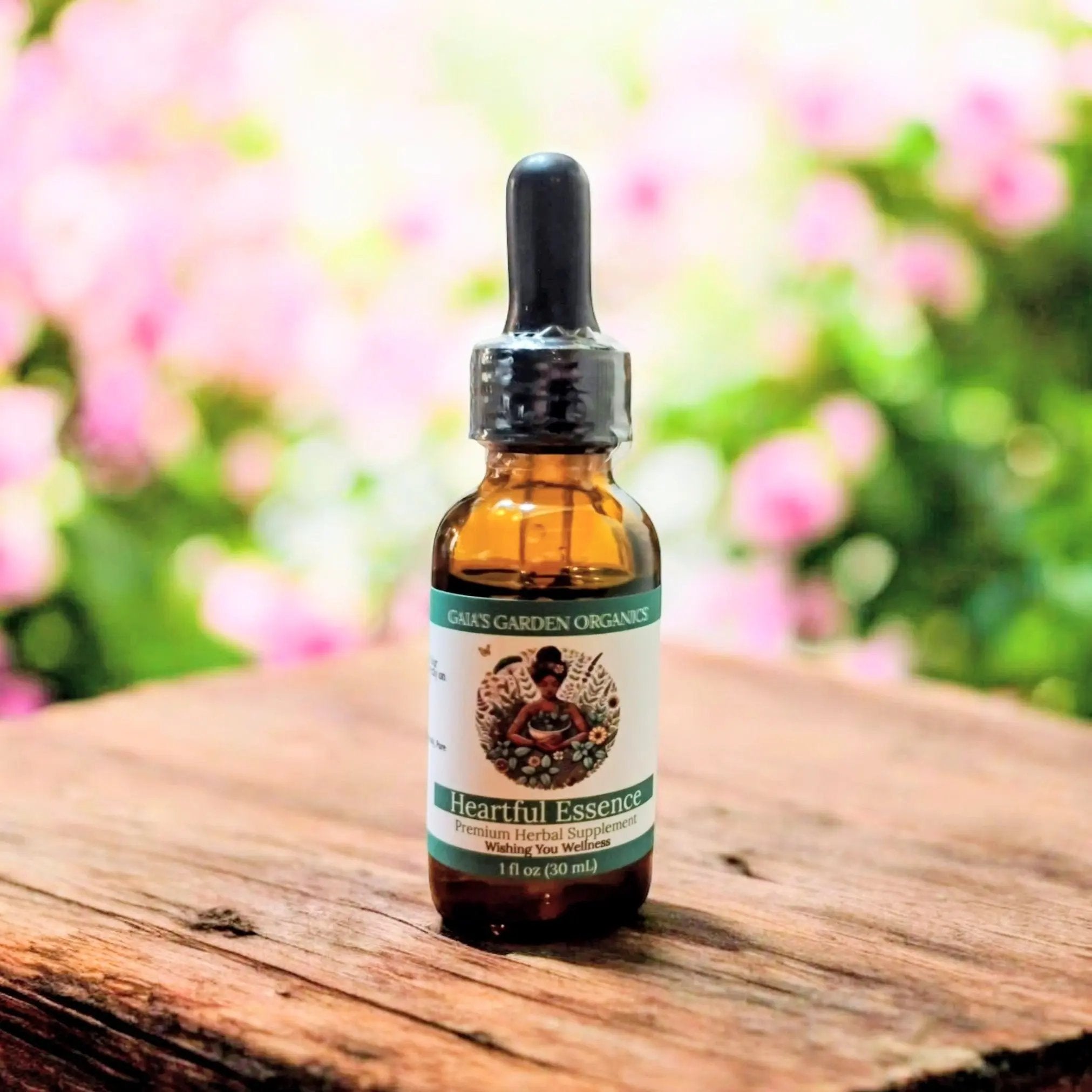
- Heartful (rose): Right for trauma-driven patterns where the current separation triggers past loss. Common for dogs who have been surrendered or who lost a previous owner.
The protocol
- Daily baseline: Four drops of the matched essence in the water bowl twice daily. Build the new pattern across 4-8 weeks.
- Before departure: Four extra drops on the gums or in a small treat 20-30 minutes before you leave.
- Layer with training: Flower essences support the emotional layer. The behavioral layer (gradual independence training, crate work, leaving for short durations) is what teaches the new behavior. Essences without training rarely fully resolve the pattern.
- Layer with environmental support: Calming scents (lavender essential oil in a far-room diffuser), background sound (TV or music), enrichment toys (food puzzles, chews) all support the protocol.
What to expect
- Weeks 1-2: Behavioral changes may be subtle. The internal state is shifting underneath.
- Weeks 3-4: Owners often start noticing their pet seems less frantic about ordinary departures. Crating gets easier.
- Weeks 4-8: The new baseline holds. Some pets are fully resolved at this point; others have markedly reduced severity but still need the essence as ongoing support.
When to involve the vet
For severe separation anxiety that involves self-harm (chewing through wood, jumping through windows, severe destruction), prescription anti-anxiety medication is often part of the clinical answer. Fluoxetine and clomipramine are both used for severe canine separation anxiety. The flower essence approach can run alongside, supporting the emotional pattern while the medication handles the acute crisis chemistry.
Where to go from here
- Step 1 (free): Match your dog's essence in 7 questions. Take the dog essence quiz.
- Step 2 (30-night guarantee): Tranquility Essence for the general anxiety pattern, Confidence Essence for the dependent-attachment pattern, Heartful Essence for the trauma-driven pattern. The same bottles work for human and pet use.
- Step 3 (coming soon): Harmony Within, my Yoga Nidra book.
This guide is general pet-wellness support. Severe separation anxiety with self-harm risk should be discussed with your veterinarian.
Products from this article
Handcrafted in Umpire, Arkansas by Gaia Devi, clinical herbalist.
Explore our apothecary
Learn more
Flower Essences for Pets
Drop-dose flower essences for dogs, cats, and sensitive companion animals.
Find your match
The Anxiety-Type Quiz
5-question clinical-herbalist diagnostic that names your anxiety pattern and matches a practice + plant pairing.
Shop the apothecary
Pet Wellness Essences
All 5 flower essences, framed for animal use, with per-situation dosing.
Sources & further reading
Authoritative references consulted in writing this article. Open in a new tab.
- The Bach CentreHistory of the Bach Flower Remedies
- Bach FlowerAn Overview of the Bach Flower Essences
- PubMed (2022)Effects of flower essences on nursing students' stress symptoms: a randomized clinical trial
- PubMed (Amsterdam et al., 2009)A randomized, double-blind, placebo-controlled trial of oral Matricaria recutita (chamomile) extract therapy for generalized anxiety disorder
- Chestnut School of Herbal MedicineFlowering Herbs (article archive)