In this article (6)▾
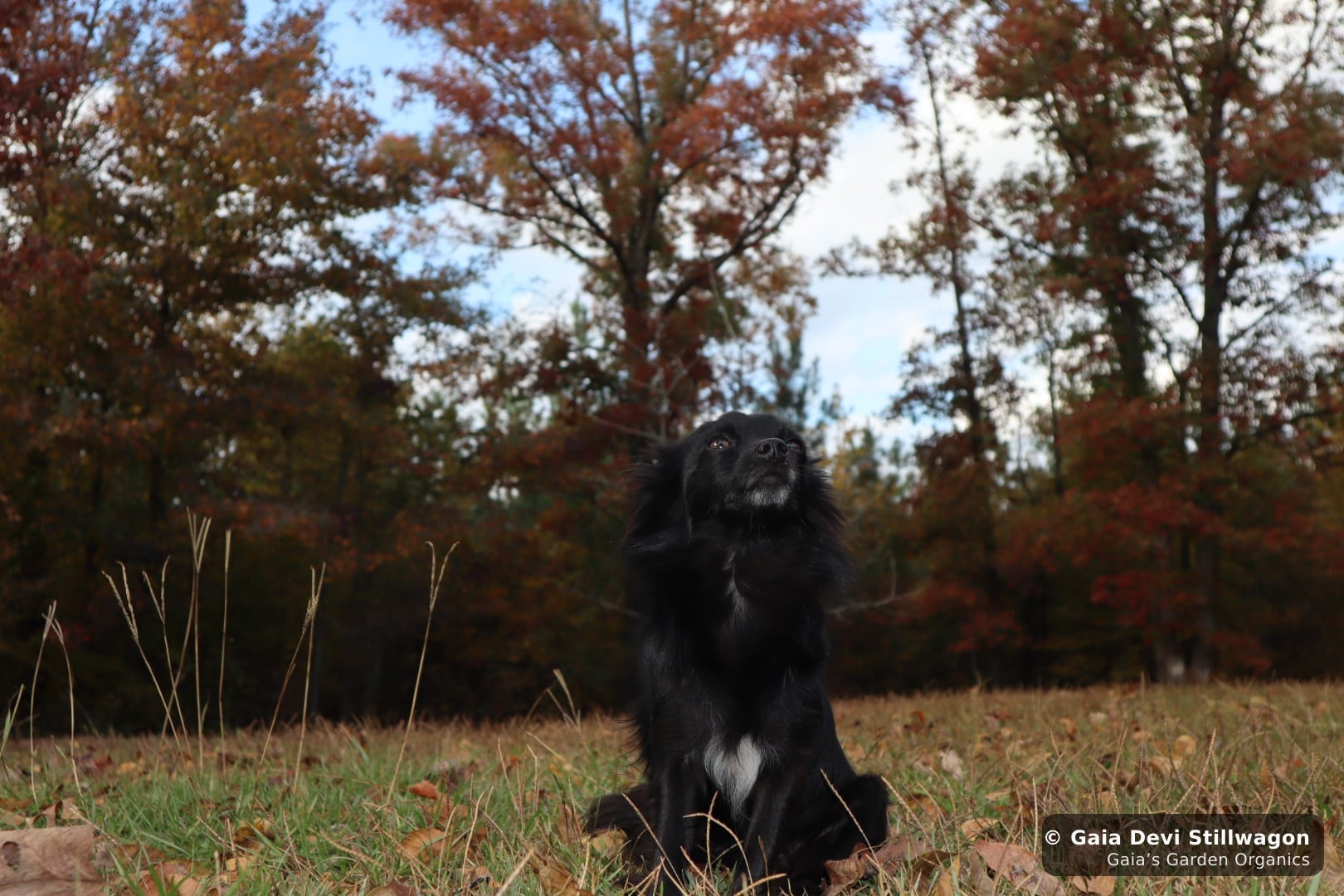
The shy dog. The dog who flinches at the door closing. The dog who has been with you for a month and still won't take a treat from your hand. The rescue who came to you with a history nobody fully knows, and whose history shows up in every sudden movement.
This post is for those dogs. The herb is goldenrod, and the essence is our Confidence Essence. The ASPCA's adoption-tips reference is a good complement for any owner in the early weeks with a new rescue.
Why goldenrod for fearful dogs
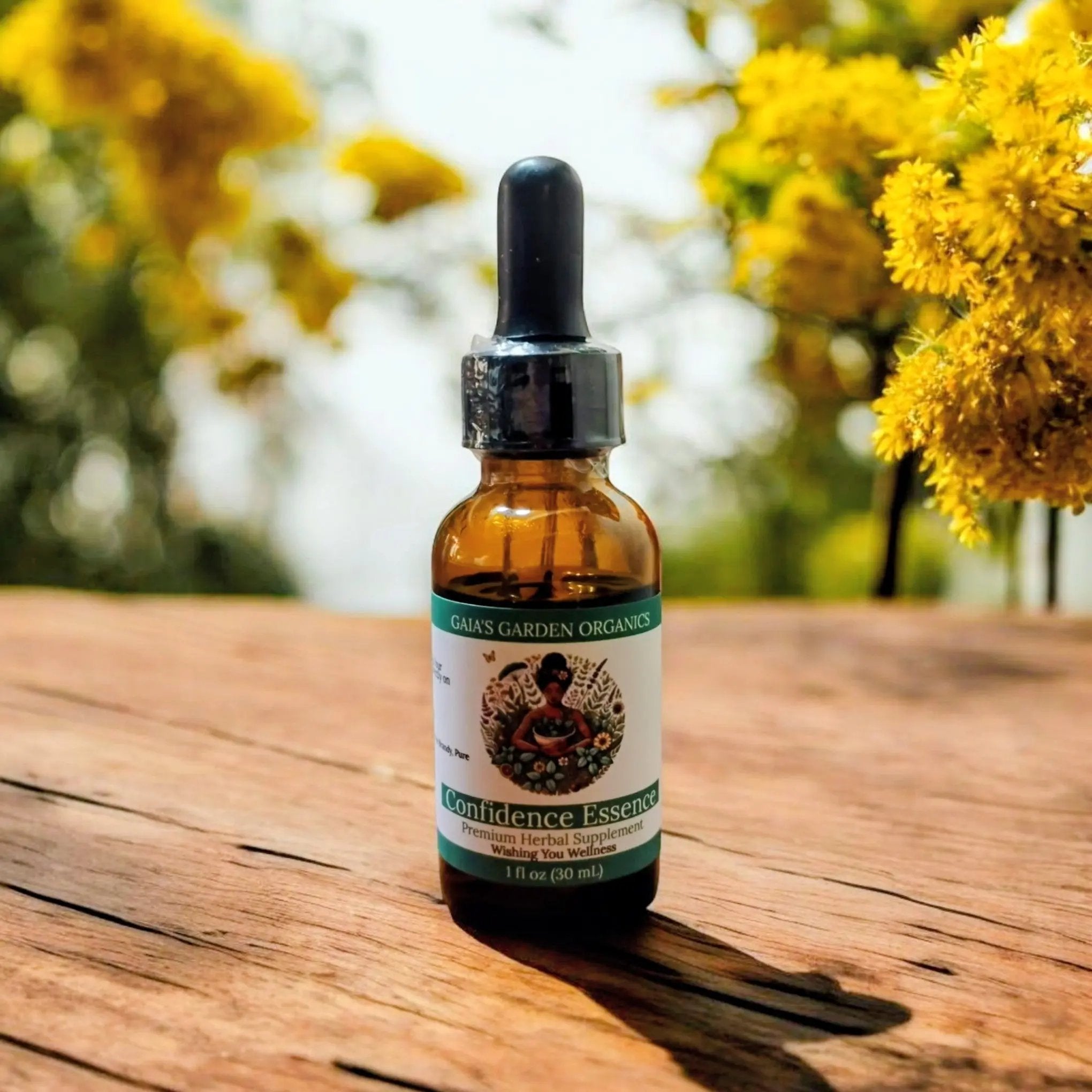
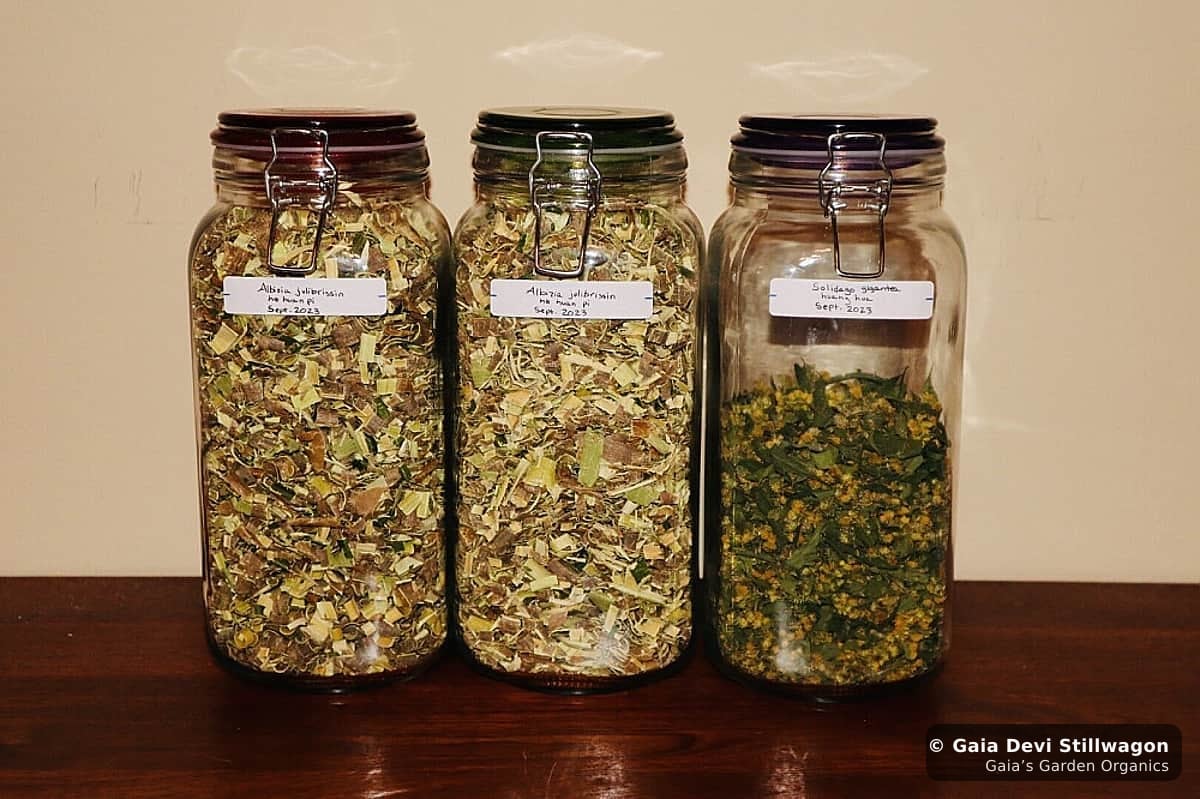
The yellow exuberance of a late-summer goldenrod field reads at first glance like a loud-and-bright herb. The energetic signature, in clinical herbal practice, is the opposite. Goldenrod is a quiet, grounded plant that holds its space without performing. The Bach-tradition picture goldenrod fits is "I can stand here. I am not loud about it. But I am not going anywhere, either."
That is exactly the picture that shy dogs need: not "I am bold and exuberant" but "I can stay in the room without leaving." Confidence Essence holds that energetic note. We have years of customer reports backing up that goldenrod meets shy dogs where they are rather than asking them to become something different.
The first month of a rescue dog
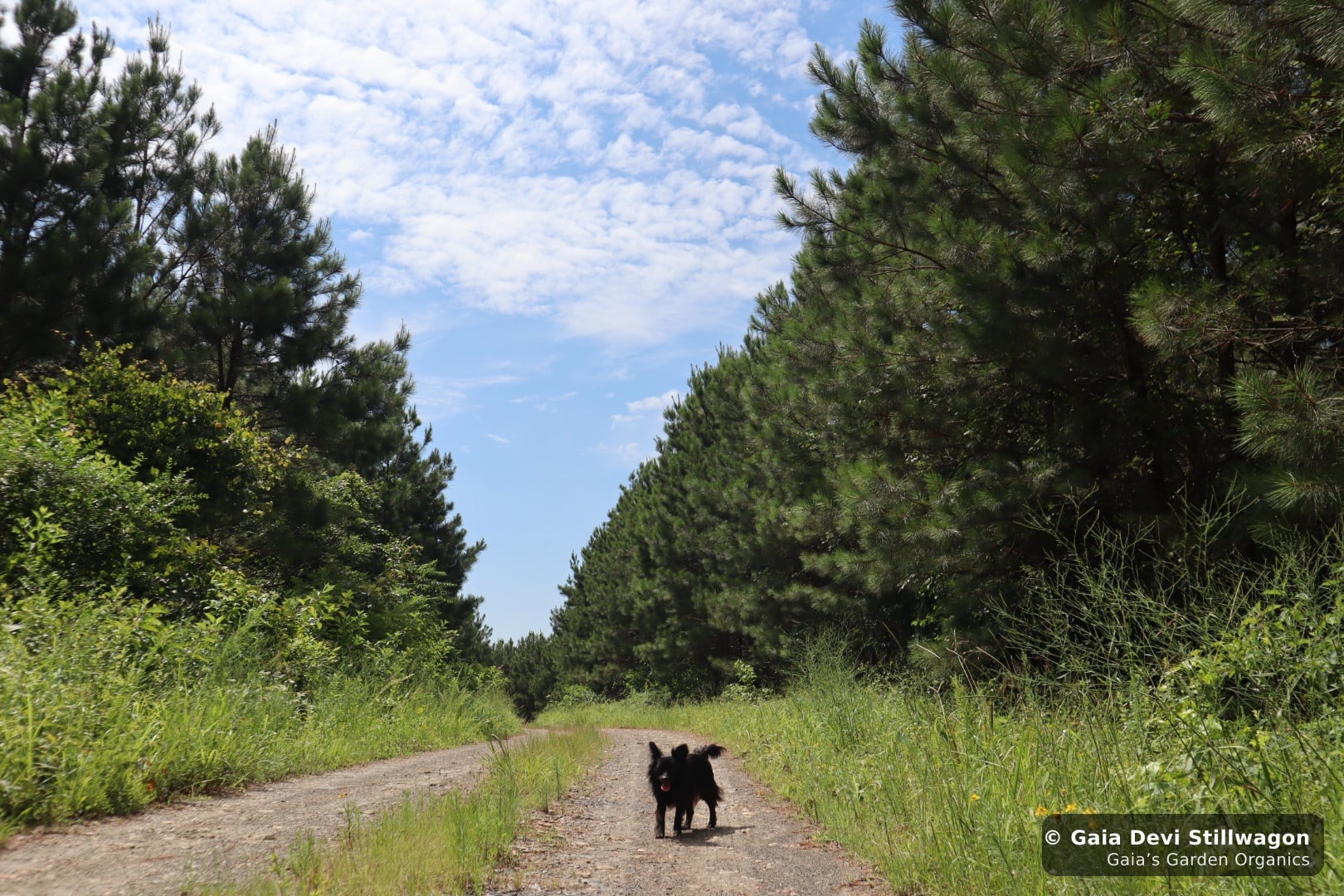
The "3-3-3 rule" in rescue circles holds that a rescue dog needs three days to decompress, three weeks to begin feeling at home, and three months to fully settle into a new routine. The first month is the period when essence support tends to make the biggest difference, because the dog's nervous system is doing the hard work of recalibrating to a new environment, new humans, new sounds, new smells, and new safety. The AKC's reference on the 3-3-3 rule is worth reading for anyone in the early weeks.
A few drops of Confidence in the daily water bowl from the first day is a low-friction way to support that recalibration. Pair with a drop on the bedding inside whatever crate or den the dog has chosen for themselves. The essence is in the dog's environment continuously without ever being a thing the dog has to "do."
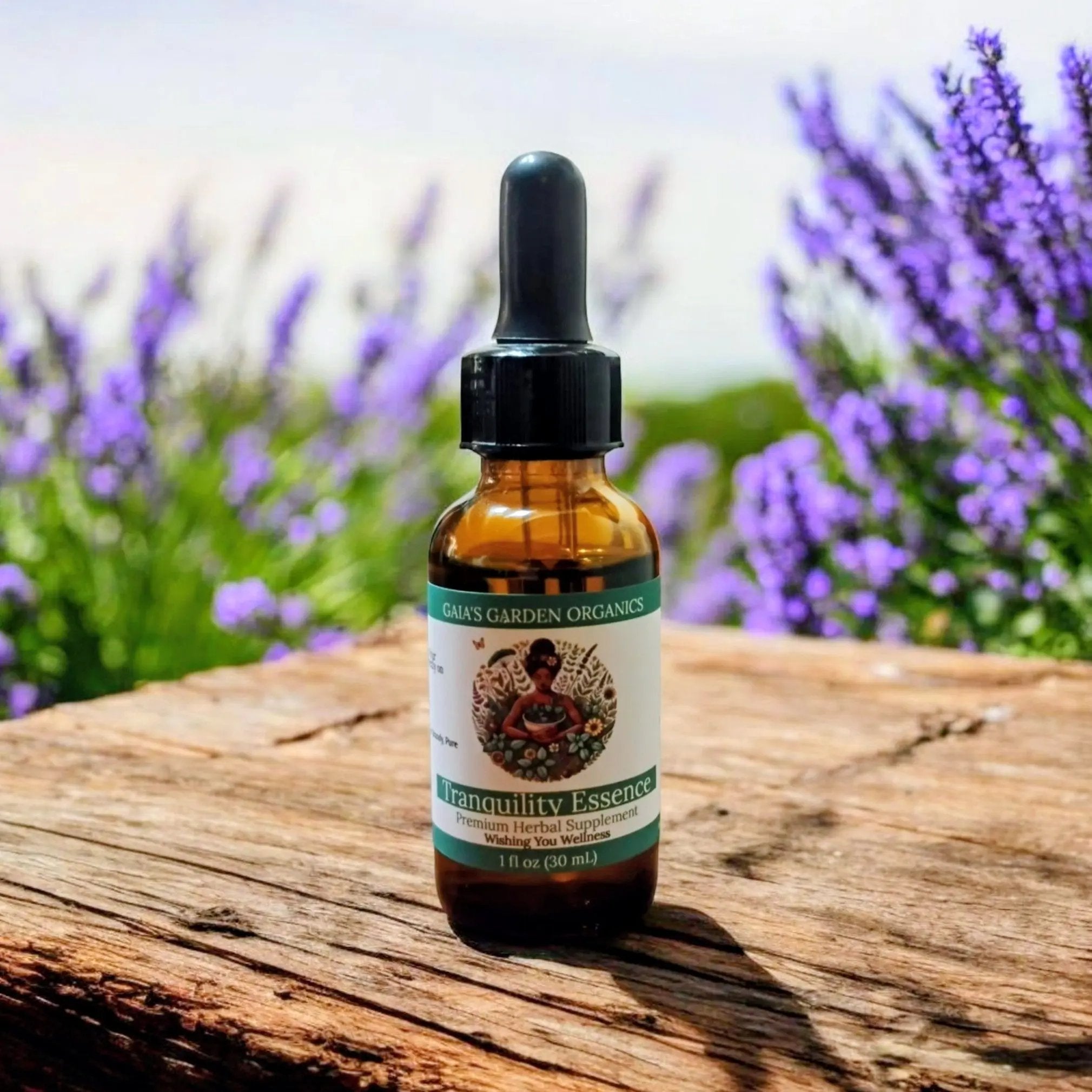
For dogs who came from a particularly hard background (puppy mill, abuse, prolonged shelter time), I add Tranquility Essence for the acute-anxiety layer that sits on top of the foundational shyness. Two drops of each in the same bowl. They work as layers, not as competitors.
Specific signals to look for
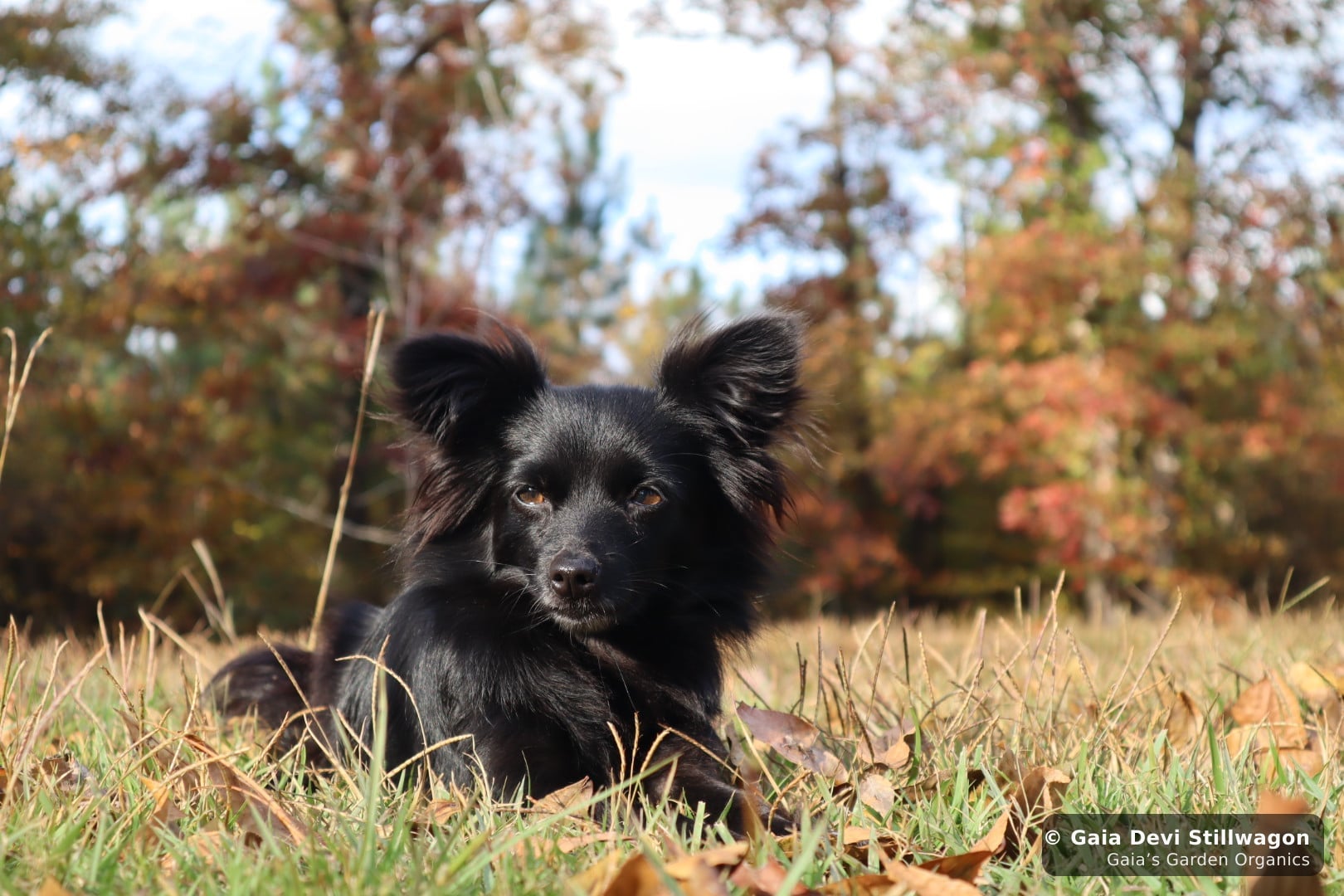
The shifts are subtle. Owners often don't notice them until they suddenly do. Things to watch for in the first three to six weeks of consistent dosing:
- The dog chooses to sleep in a more central part of the house rather than the most-hidden corner.
- The dog walks past you in the kitchen instead of going around you.
- The dog accepts a treat from your hand for the first time, or accepts one from a guest's hand for the first time.
- The dog approaches the front door when the doorbell rings rather than retreating.
- The dog tolerates a brief touch on the back without flinching, then on the head, then a full pet.
None of these are dramatic. All of them are real progress. The essence is not making the dog into a different dog; it is helping the dog feel safe enough to become more of who they already are.
The grieving rescue dog
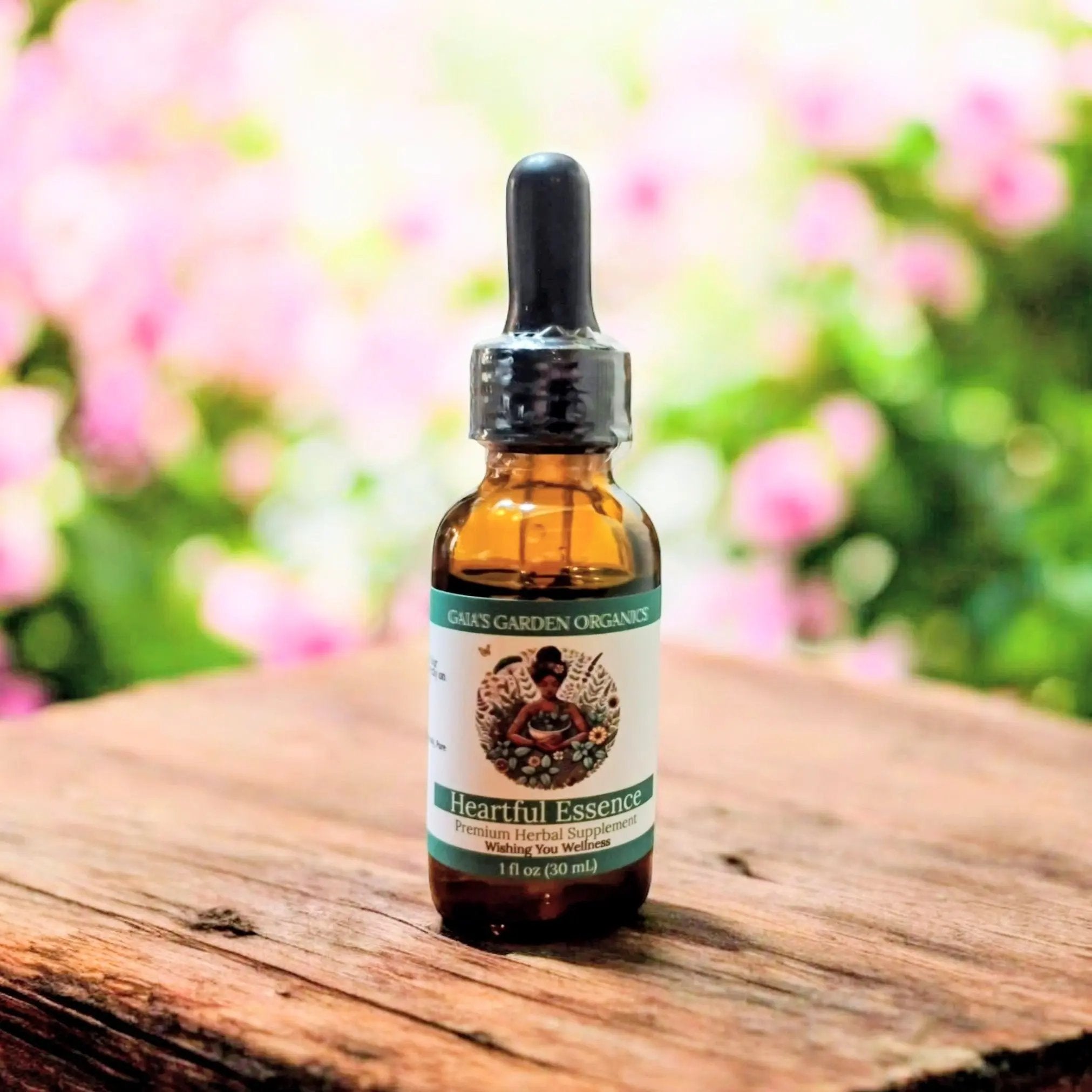
Some rescue dogs come to you with a layer that goes beyond fear: visible grief. Dogs who have lost an owner, who have been separated from littermates or a bonded companion, who have lost their home. For those dogs, Heartful Essence (rose) is the right addition to Confidence. We covered this picture in our post on herbs and flower essences for pet loss grief and our post on Heartful for the grieving dog.
For grieving rescues, run Confidence and Heartful together for the first month. After the first month, if the grief layer has eased and the foundational shyness is what remains, drop the Heartful and stay on Confidence alone for the longer arc.
What this is not
Confidence Essence is not a tool for true panic states or for genuine aggression. A dog who has bitten, who has flattened in unrecoverable terror, who is showing pattern of escalating reactivity, needs a behaviorist (ideally one certified in fear-free or low-stress handling) and possibly veterinary behavioral medicine. The American College of Veterinary Behaviorists directory is the right starting point. The essence is supportive of that work; it does not replace it.
For ordinary timid dogs growing into themselves, the essence does what its name suggests. Goldenrod is the steady plant in the late-summer field, holding its yellow without performing. That is the shape of the help.
If you want to start, Confidence Essence is the right first reach for a shy or rescue dog. A 1 fl oz dropper bottle covers a month or more of daily water-bowl support, which lines up neatly with the 3-3-3 rule's first major checkpoint at three weeks.
Frequently asked
How long until I see a difference in a rescue dog?
Two to four weeks of daily Confidence in the water bowl is a fair window. The shifts are subtle and incremental: the dog sleeps in a more central spot in the house, the dog approaches the door instead of retreating, the dog tolerates a stranger's presence without panting. If after a month you've seen no change at all, either the picture is different than what Confidence handles, or the dog needs more than essences alone (a behaviorist conversation is the right next step).
Should I combine Confidence with Tranquility?
Often yes. A shy rescue dog usually has both layers: the underlying I-don't-feel-safe (Confidence territory) and the acute-trigger anxiety (Tranquility territory). A few drops of each in the same water bowl works well. The essences don't interfere with each other.
What about a dog who is fearful but not from rescue history?
Confidence still applies. The mechanism doesn't depend on a known trauma history; it depends on the present picture of timidity, hesitancy, retreating from new things. Many dogs are constitutionally shy without any specific cause, and Goldenrod's energetic signature meets that picture the same way it meets the rescue picture.
Is Confidence Essence safe for puppies?
Yes, at appropriate dosing routes. For puppies under six weeks, use the bedding or fur route rather than the water bowl. After six weeks, the water bowl is fine. Confidence is one of the most-used essences for puppies who are constitutionally shy from very young, especially in litters where one or two puppies are markedly less outgoing than their siblings.
Can I use this for a fearful dog who's also reactive on leash?
Confidence helps the underlying fear layer that often drives leash reactivity, but reactivity itself is a behavior pattern that benefits from professional training. The essence is supportive, not a substitute. Pair Confidence with a force-free trainer who specializes in fear-reactive dogs and you'll see the most progress. The essence makes the dog more workable; the training does the actual reshaping.
Products from this article
Handcrafted in Umpire, Arkansas by Gaia Devi, clinical herbalist.
Explore our apothecary
Learn more
Flower Essences 101
A clinical herbalist's plain-English guide to what flower essences are and how to take them.
Find your match
The Boundary-Type Quiz
5-question clinical-herbalist diagnostic for the recovering people-pleaser. Matches a 7-day boundary practice to your pattern.
Shop the apothecary
Pet Wellness Essences
All 5 flower essences, framed for animal use, with per-situation dosing.