In this article (8)▾
For seasonal immune support, the combination of daily tea plus acute tincture covers the full picture. The tea provides consistent gentle support across the cold-and-flu season; the tincture is what you reach for when symptoms start, when exposure has been heavy, or when you need acute support in 20 minutes.
This guide is the tincture half of the protocol, with the four herbs that earn their place in a seasonal immune kit.
Since this whole kit is tinctures, my guide to how herbal tinctures work for seasonal immune support is the right place to start.
The four-tincture kit
Echinacea (Echinacea purpurea or angustifolia)
The acute immune amplifier. Best used during the first 48 hours of cold or flu symptoms rather than as a daily preventive. The 2014 Linde et al. Cochrane review concluded echinacea preparations can shorten cold duration; the effect is modest but real.
Acute dose: 1-2 droppersful every 2-3 hours for the first 48 hours of symptoms. Continue 2-3 times daily through symptom resolution.
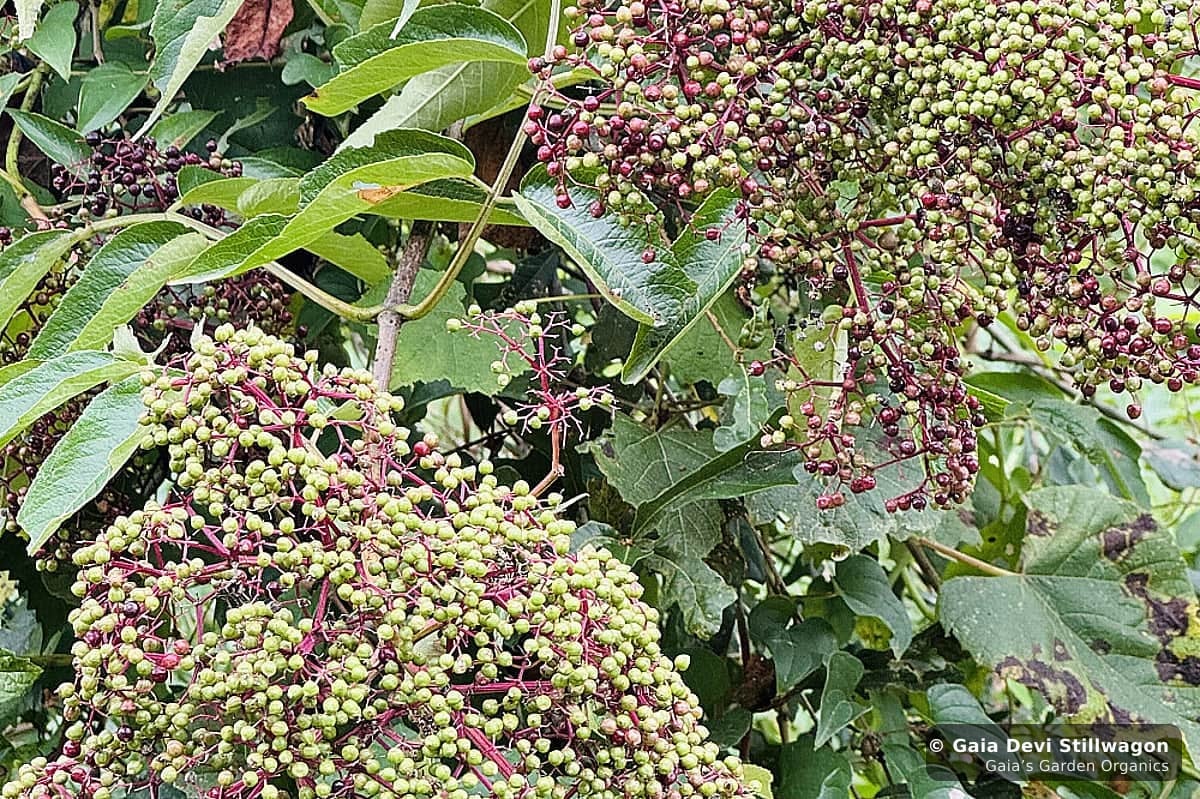
Elderberry (Sambucus nigra)
Elderberry as syrup is more common, but tincture works too for those avoiding sugar. Antiviral effect, particularly for influenza-pattern viruses. Daily during high-exposure windows; higher dose during acute phase.
Prevention dose: 1 dropperful daily during cold and flu season. Acute dose: 2 droppersful every 4 hours during active symptoms.
Thyme (Thymus vulgaris)
The upper-respiratory antiviral and mucous-membrane support. Useful during respiratory phase of cold or flu (sinus congestion, productive cough). Often combined with elderflower as steam inhalation or sipped as strong tea.
Acute dose: 2 droppersful every 4-6 hours during symptoms. Less useful as daily preventive than as acute tool.
Astragalus (Astragalus membranaceus)
The long-arc immune adaptogen. Different mechanism from echinacea; modulates baseline immune function over weeks rather than amplifying acute response. Best taken daily during high-risk months (September-November and again January-March), not during active infection (some sources caution against astragalus during fever).
Prevention dose: 1-2 droppersful daily for 4-8 weeks at a time.
The protocol
- September through November: Daily astragalus tincture for baseline immune support. Daily elderberry syrup or low-dose elderberry tincture.
- December: Reduce astragalus to every-other-day; continue elderberry.
- January through March: Resume daily astragalus for the deep winter window.
- April through August: Wash-out period; no daily immune tinctures.
- Acute symptoms (any month): Switch to echinacea high-frequency dosing for first 48 hours, plus elderberry at acute dose, plus thyme tincture if respiratory symptoms dominate. Stop astragalus during fever.
What this is not for
- Active severe respiratory illness (pneumonia, severe flu, COVID with concerning symptoms). Medical evaluation needed.
- Autoimmune conditions on immunosuppressant medications. Echinacea and astragalus can both interact; avoid without prescriber input.
- Bacterial infections. Tinctures are not antibiotics. If symptoms persist beyond 10 days, worsen suddenly, or include high fever, seek medical evaluation.
Where to go from here
- Step 1 (free): The 7-Day Calm Protocol PDF. The stress layer of caregiver burnout during a sick household has its own protocol. Get the protocol.
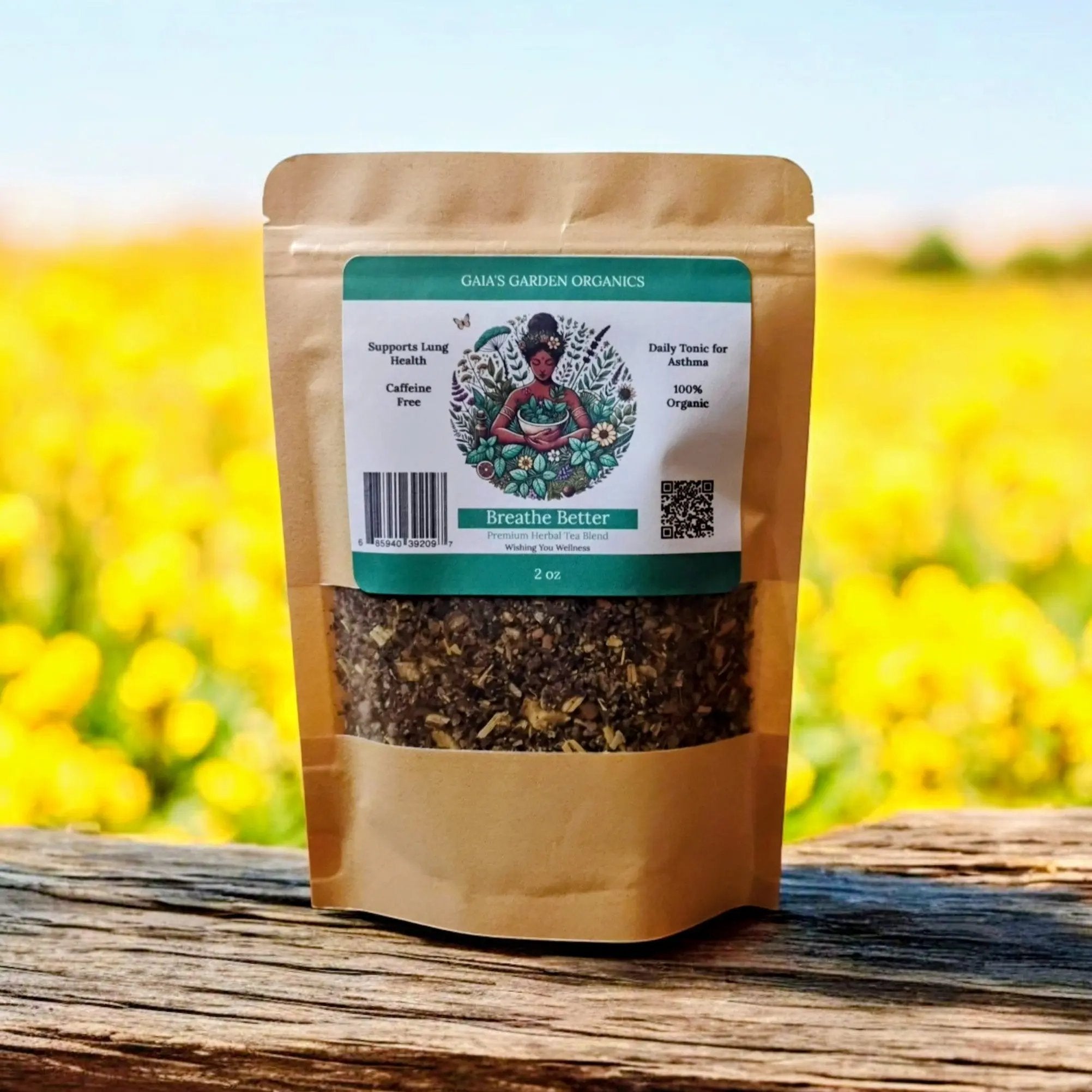
- Step 2 (30-night guarantee): The seasonal tinctures above are ones you source rather than ones I make; I do not currently offer an immune formula and will not point you at something built for a different job. Breathe Better Tea is the cup I would run alongside them, and it is a respiratory-comfort blend for the dry-air and tight-chested pattern rather than an immune one. Use it for what it is.
- Step 3 (coming soon): Harmony Within, my Yoga Nidra book.
This guide is general seasonal-wellness education. Severe symptoms or recurring infections need medical evaluation.
Frequently asked
Why isn't echinacea recommended as a daily preventive?
Chronic daily echinacea use can reduce its acute-phase effectiveness. The herb works best as an in-the-moment immune amplifier; saving it for symptoms preserves the punch. Daily preventive support is better served by astragalus, elderberry, and the daily tea blend. Echinacea comes out during the first 48 hours of symptoms.
Can I take immune tinctures with my prescription medications?
Most are compatible. The main caveats: echinacea and astragalus both interact with immunosuppressant medications (cyclosporine, tacrolimus, methotrexate, biologics) and should be avoided. Elderberry interactions are minimal. Thyme is generally compatible. As always, share the full list with your prescriber.
Is this safe for kids?
Children's immune tinctures are dosed at smaller volumes (typically 5-10 drops instead of 1-2 droppersful) and some herbs are different. Astragalus is generally not used in children under 6. Echinacea and elderberry are commonly used in pediatric herbal medicine at smaller doses. For child-specific dosing, work with a pediatric herbalist or check our pediatric protocols.
Should I take astragalus during a fever?
Traditional Chinese medicine cautions against astragalus during active fever, on the theory that it 'pushes' surface conditions deeper. Modern clinical practice usually pauses astragalus during the acute fever phase and resumes it during recovery. Echinacea, elderberry, and thyme remain useful during the fever phase.
Can I make my own elderberry syrup?
Yes, and many home apothecaries do. Standard recipe: 1 cup dried elderberries, 3 cups water, simmer 30 minutes covered, strain, add 1 cup raw honey while warm. Keeps in the fridge for 6-8 weeks. Use 1 teaspoon daily for adults, half teaspoon for children. Do not give honey-based preparations to infants under 12 months.
Products from this article
Handcrafted in Umpire, Arkansas by Gaia Devi, clinical herbalist.
Explore our apothecary
Learn more
Flower Essences 101
A clinical herbalist's plain-English guide to what flower essences are and how to take them.
Find your match
Browse the Free Practice Library
8 pattern-matched archetype entry points (sleep, anxiety, tension, heart, inner quiet, clarity, boundary, spark), each as a 5-question quiz, a 3-day mini-course, or a one-tap interactive tool.
Shop the apothecary
Herbal Tinctures
Clinical weight-to-volume tinctures for nervous-system, sleep, and recovery work.
Sources & further reading
Authoritative references consulted in writing this article. Open in a new tab.
- PubMed (Hawkins et al., 2019)Black elderberry (Sambucus nigra) supplementation effectively treats upper respiratory symptoms: A meta-analysis of randomized, controlled clinical trials
- PubMed (Tiralongo et al., 2016)Elderberry Supplementation Reduces Cold Duration and Symptoms in Air-Travellers: A Randomized, Double-Blind Placebo-Controlled Clinical Trial
- PubMed (Chandrasekhar et al., 2012)A prospective, randomized double-blind, placebo-controlled study of safety and efficacy of a high-concentration full-spectrum extract of ashwagandha root in reducing stress and anxiety in adults
- NCCIHHerbs at a Glance (per-herb safety and evidence)
- Chestnut School of Herbal MedicineFlowering Herbs (article archive)