In this article (6)▾
Every late August, the schools open and the viruses start. By the third week of September, most pediatric households have seen at least one cold travel through. By Halloween, families are running a chain: kid one gets sick, then kid two, then the parents, then back to kid one with a different bug.
This guide is the herbal protocol I use in clinic to break that chain: prevention for the well days, acute support for the symptom days, and recovery for the post-illness fatigue that often sticks around for weeks.
This whole protocol runs on tinctures, so my guide to how herbal tinctures work for immune support is worth a read first.
The three phases
Each phase wants different herbs.
- Prevention (well days): Daily low-dose immune support that modulates baseline immunity. Elderberry syrup at low dose, daily mushroom decoction, daily vitamin C-rich teas.
- Acute (symptom days): Higher-frequency dosing of antiviral herbs. Echinacea, elderberry at full dose, thyme, ginger.
- Recovery (post-symptom): Rest, low-dose immune support, and respiratory tonics. The post-cold fatigue is often where families drop the ball and the chain restarts.
The prevention phase
Daily through the school year. The dose is intentionally low; the goal is consistent baseline modulation, not a strong immune push.
- Elderberry syrup: 1 teaspoon daily for adults, half teaspoon for children over 4. Skip during active flu or fever (some research suggests caution during acute cytokine response).
- Daily mug of immune tea: Elderflower, thyme, ginger, lemon. Warm, comforting, supports respiratory mucous membranes.
- Rest and sleep: The largest single predictor of catching what circulates in the school. Daily 8 hours for parents, age-appropriate for kids.
The acute phase
When symptoms start, switch to higher frequency dosing.
- Echinacea tincture: 1-2 droppersful every 2-3 hours for the first 48 hours. Continue 2-3 times daily through symptom resolution.
- Elderberry syrup: Standard adult dose every 4-6 hours during acute symptoms.
- Thyme tea or steam inhalation: Strong infusion of thyme leaves; sip or use as a steam inhalation for upper-respiratory congestion.
- Ginger tea: Fresh ginger steeped 10 minutes for the body-warming, gentle nausea-easing effect.
- Hydration and rest: Non-negotiable. The herbs work, but the immune system requires sleep and fluids to do its actual work.
The recovery phase
Most cold and flu cycles have a 5-to-10 day acute window and a 1-to-3 week post-acute fatigue tail. The recovery phase is where families often shortcut and end up catching the next bug because the immune system has not finished resetting.
- Continue daily low-dose immune support (elderberry syrup, immune tea) through the recovery window.
- Reduce activity load by 30-50 percent for at least a week after symptoms clear.
- Adaptogen for adult parents: A daily adaptogen tincture (tulsi or ashwagandha) helps the HPA axis recover from the sleep loss and stress of caring for sick kids.
What this is not for
- Severe respiratory illness (pneumonia, severe flu, COVID with concerning symptoms, asthma exacerbation). Call a pediatrician or your physician.
- Bacterial infections requiring antibiotics (strep throat, ear infections that have not resolved on their own, sinus infections persisting beyond 10 days). The herbs can sit alongside antibiotic treatment, not replace it.
- Infants under 12 months and pregnant women without herbalist guidance. Several herbs in this protocol have specific cautions for these groups.
Where to go from here
- Step 1 (free): The 7-Day Nervous System Reset PDF. Parental burnout from a child's sick weeks is its own pattern. Get the protocol.
- Step 2 (30-night guarantee): I do not make an immune formula, so the prevention protocol above runs on herbs you source or blend yourself. What I do make sits on the layers around it. Breathe Better Tea for respiratory comfort during the cough-and-congestion stretch, which is a comfort blend rather than an immune one. Calm Spirit Tonic for adult-parent stress during the high-illness weeks, which is the part of this season nobody plans for.
- Step 3 (coming soon): Harmony Within, my Yoga Nidra book.
This guide is general seasonal-wellness education. Severe symptoms, persistent fever, breathing difficulty, or symptoms that worsen instead of improve need prompt medical attention.
Frequently asked
What's the right elderberry syrup dose for kids?
Half a teaspoon daily for prevention in children 4 and up. During acute symptoms, double the frequency (a half teaspoon every 4-6 hours) for the first 2-3 days, then back to baseline. For children 2-4, consult a pediatric herbalist or your pediatrician; smaller doses or alternative herbs may be more appropriate. Elderberry should not be given to infants under 12 months.
When should I call the pediatrician instead of using herbs?
Call for: fever over 102 in a child under 2, fever over 104 in any age, breathing difficulty, severe lethargy or refusing fluids, symptoms persisting beyond 10 days, or anything that worsens instead of improves. The herbal protocol supports the body during routine viral illness; it does not substitute for medical evaluation when symptoms suggest something more serious.
Can I take echinacea daily for prevention?
We don't recommend it. Echinacea is best as an acute-phase immune amplifier rather than a daily preventive. Daily long-term echinacea use can reduce its acute effectiveness when you actually need it. The exception is short windows (2-3 weeks) during particularly high-risk periods, then a 2-week break.
Are these herbs safe with prescription medications?
Most are compatible at standard doses. Echinacea can interact with immunosuppressant medications (avoid if you take them). Elderberry and ginger generally have favorable interaction profiles. As always, give your prescriber the full list of what you and your kids are taking.
What if everyone in the family gets sick at once?
First, this is unfortunately normal during back-to-school season. Second, simplify the protocol: get the basics covered (rest, fluids, daily elderberry syrup, immune tea). Skip the more complex layers when you're triaging. Third, take parental rest seriously; the caregiver who burns out makes the family's chain longer, not shorter.
Products from this article
Handcrafted in Umpire, Arkansas by Gaia Devi, clinical herbalist.
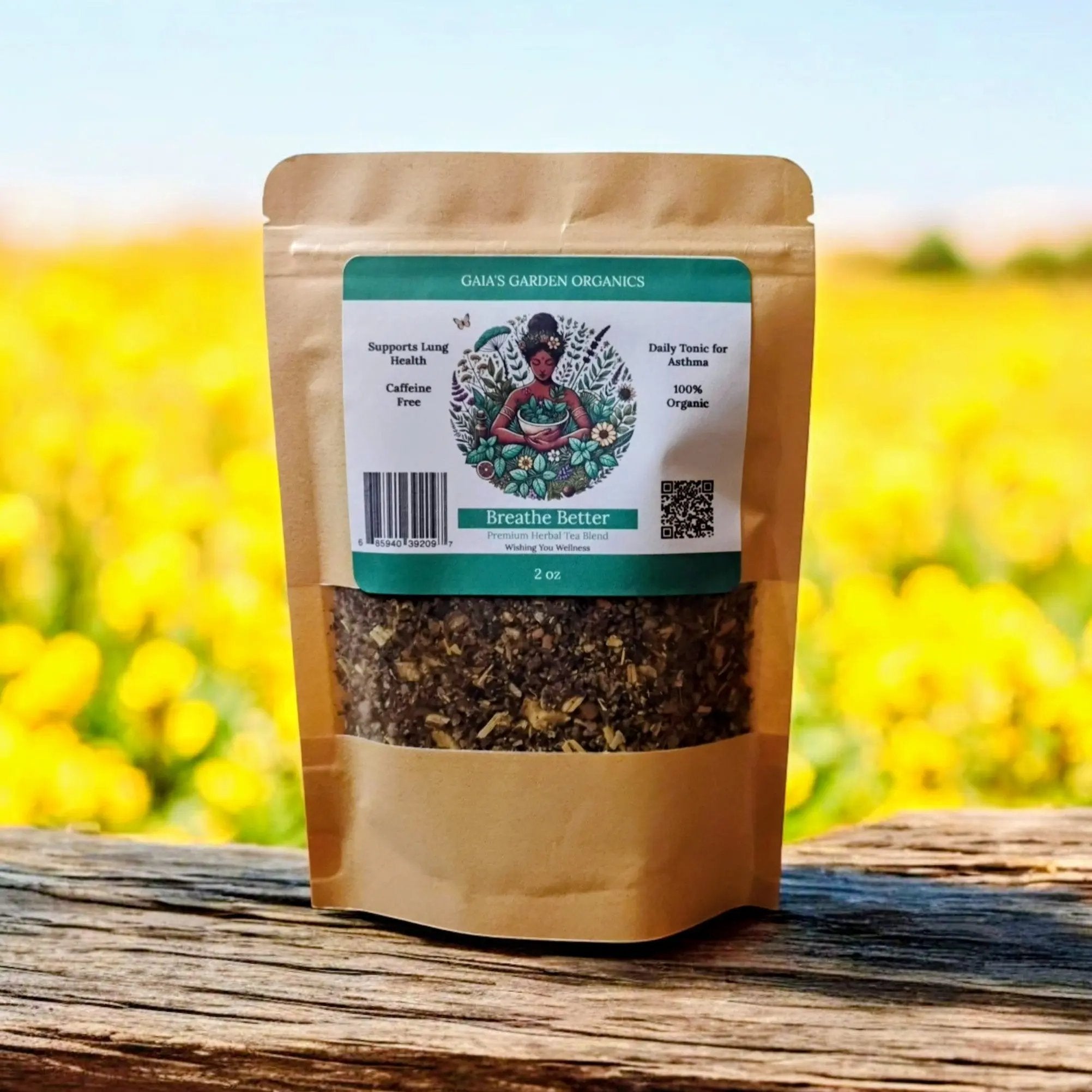
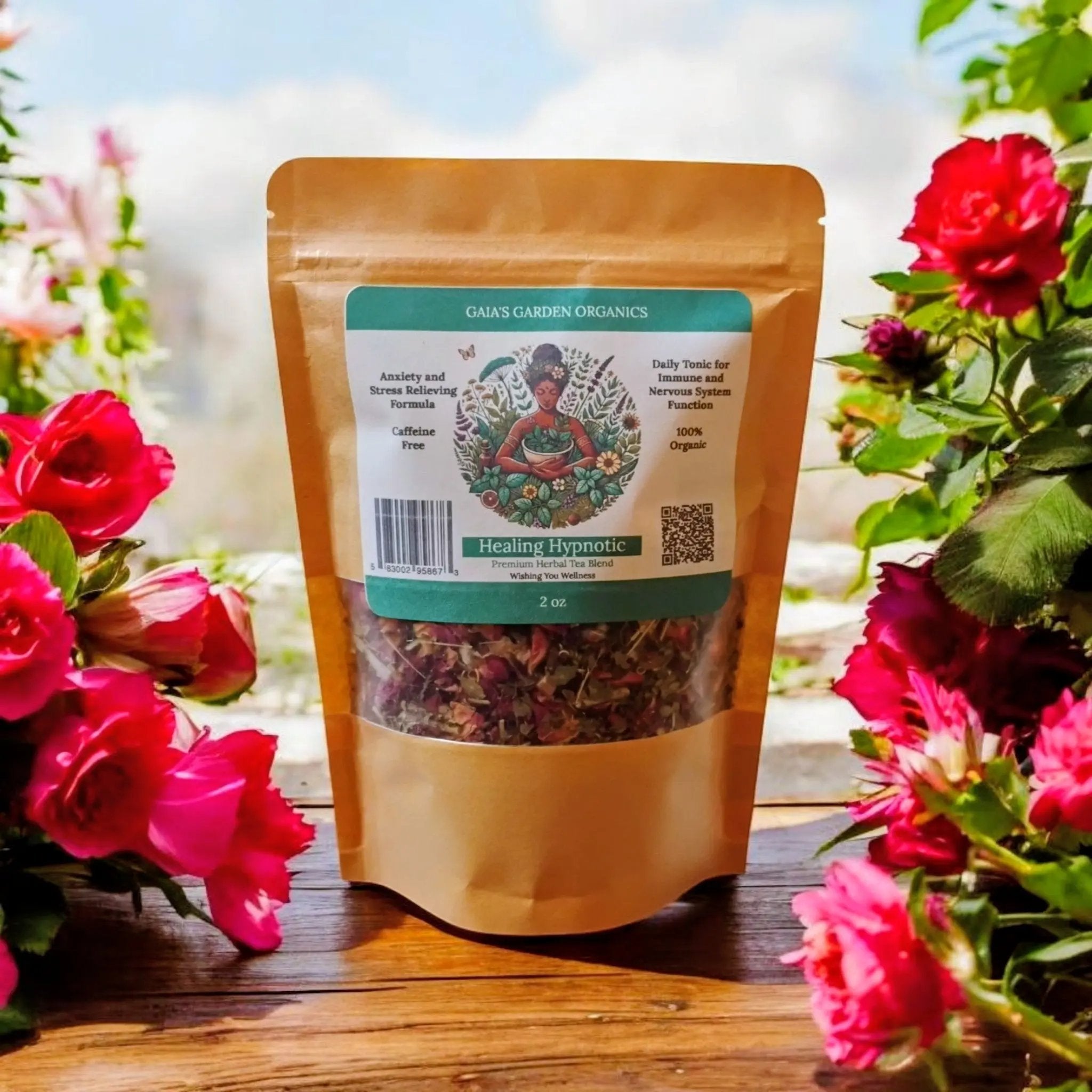
Explore our apothecary
Learn more
Flower Essences 101
A clinical herbalist's plain-English guide to what flower essences are and how to take them.
Find your match
Browse the Free Practice Library
8 pattern-matched archetype entry points (sleep, anxiety, tension, heart, inner quiet, clarity, boundary, spark), each as a 5-question quiz, a 3-day mini-course, or a one-tap interactive tool.
Shop the apothecary
Medicinal Herbal Teas
Loose-leaf, clinical-herbalist-blended teas, each built around a specific job.
Sources & further reading
Authoritative references consulted in writing this article. Open in a new tab.
- PubMed (Hawkins et al., 2019)Black elderberry (Sambucus nigra) supplementation effectively treats upper respiratory symptoms: A meta-analysis of randomized, controlled clinical trials
- PubMed (Tiralongo et al., 2016)Elderberry Supplementation Reduces Cold Duration and Symptoms in Air-Travellers: A Randomized, Double-Blind Placebo-Controlled Clinical Trial
- PubMed (Chandrasekhar et al., 2012)A prospective, randomized double-blind, placebo-controlled study of safety and efficacy of a high-concentration full-spectrum extract of ashwagandha root in reducing stress and anxiety in adults
- NCCIHHerbs at a Glance (per-herb safety and evidence)
- Chestnut School of Herbal MedicineFlowering Herbs (article archive)