In this article (7)▾
The single most-asked question we get from dog owners considering flower essences is some version of "but isn't there alcohol in there?" The follow-up is usually "is that safe for my dog?" or "what about my Chihuahua, who weighs five pounds?"
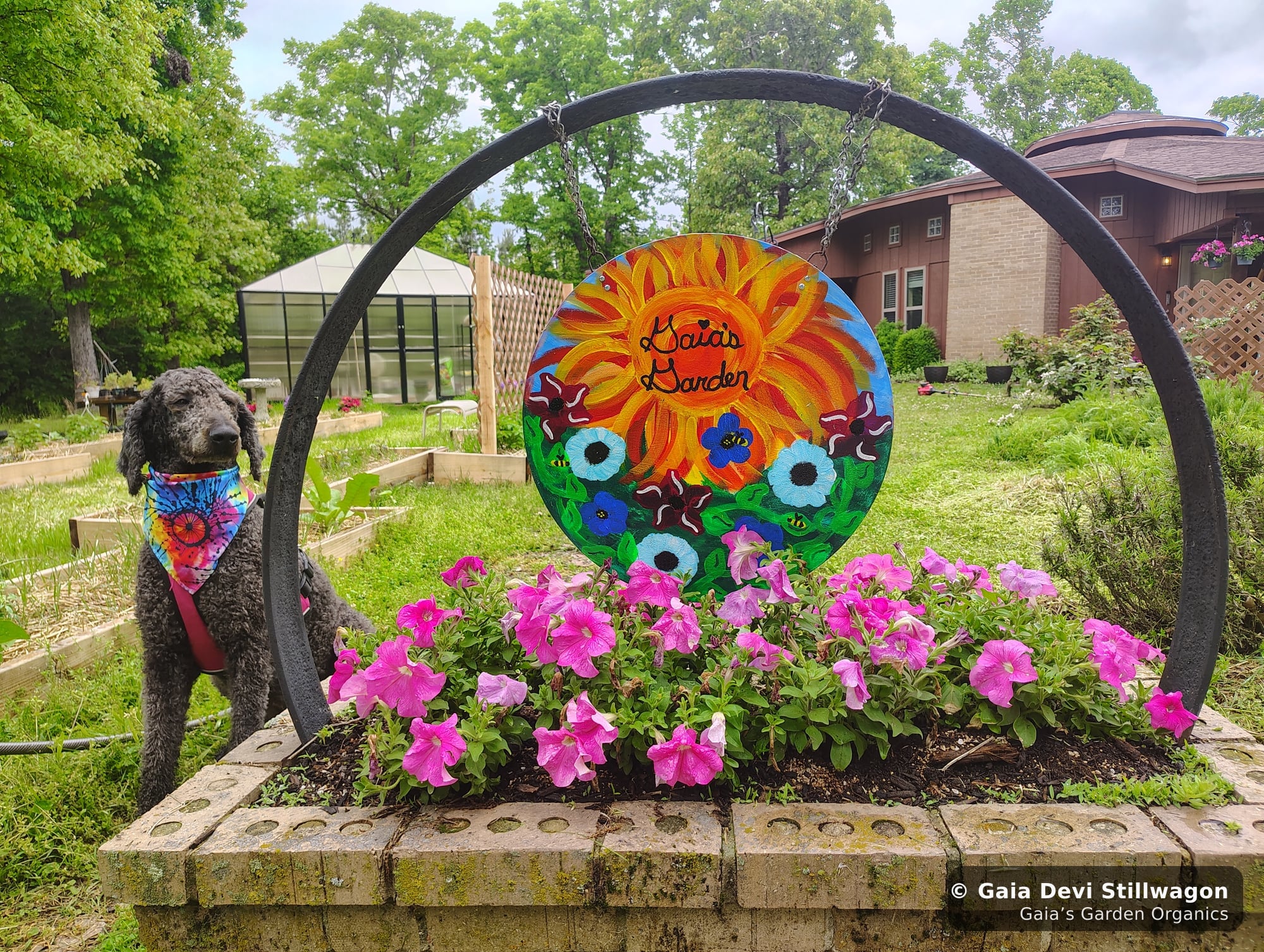
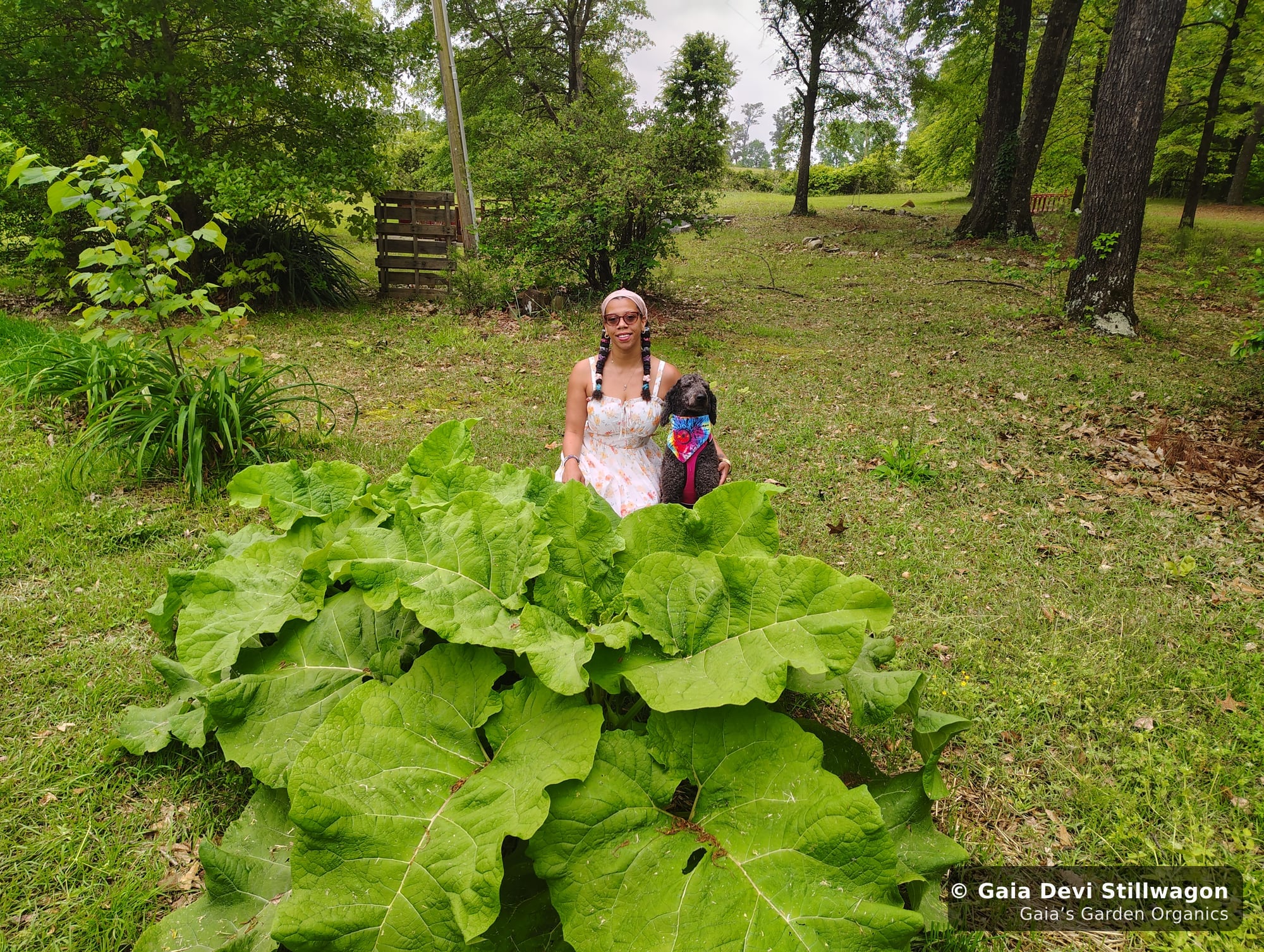
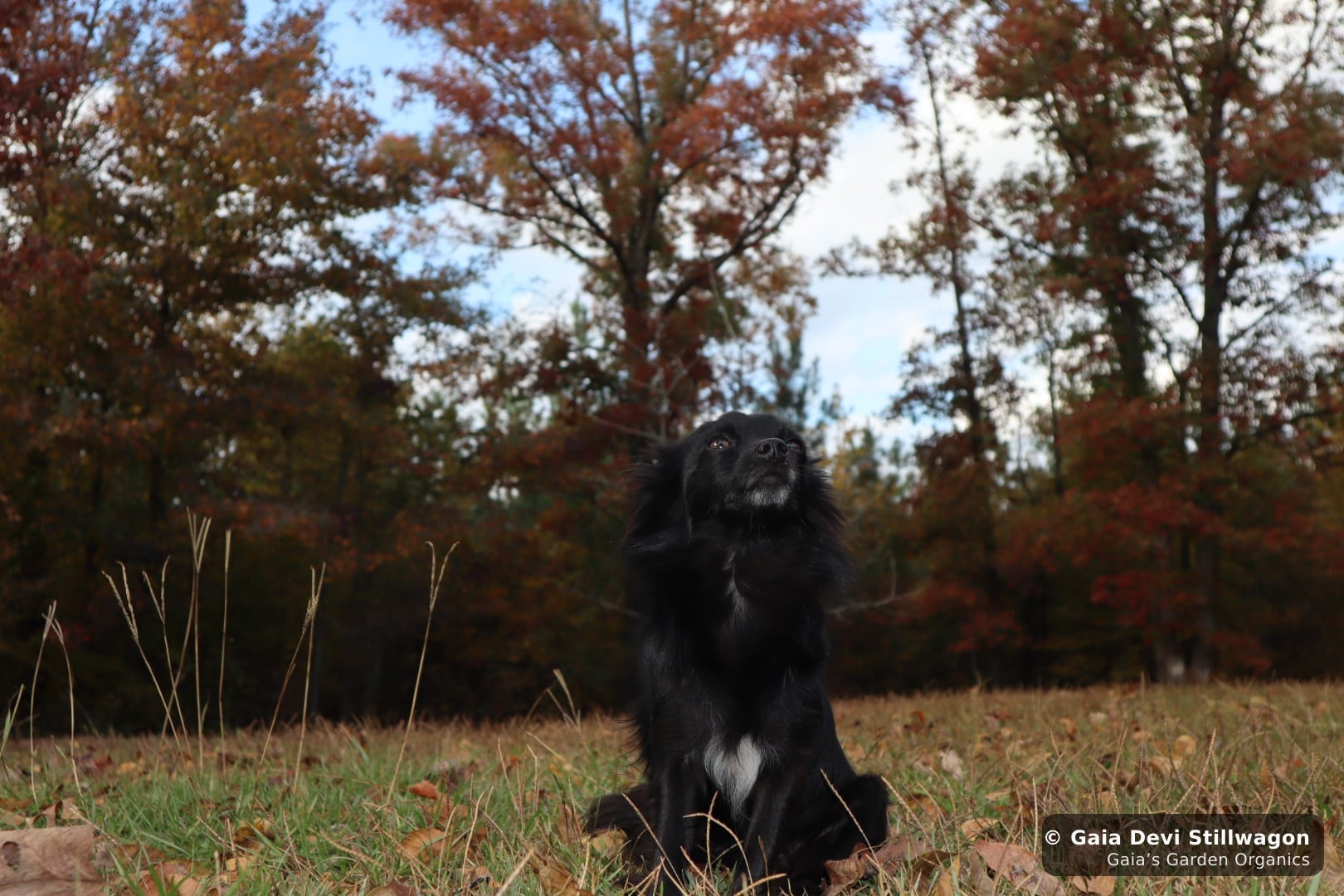
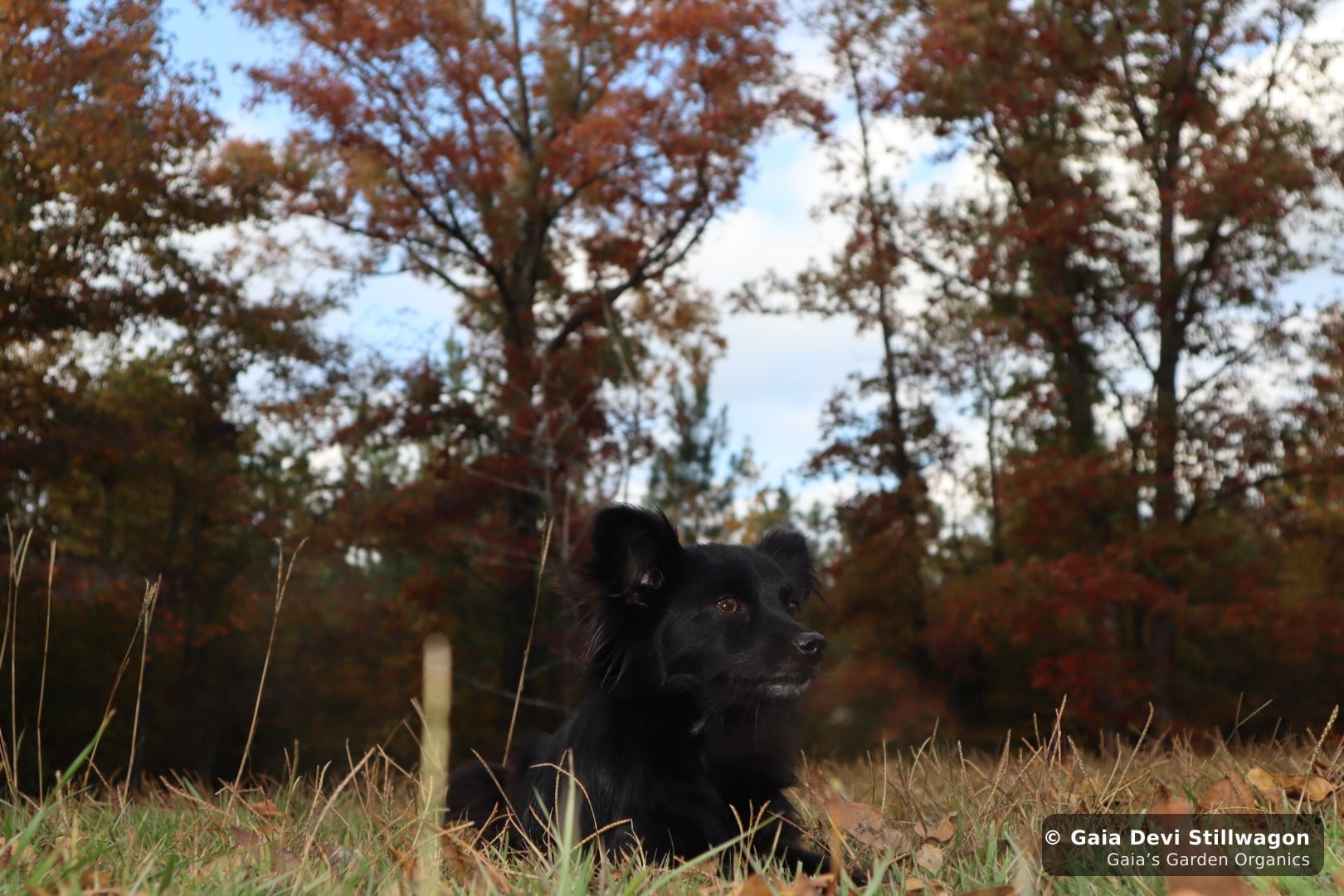
This post is the honest answer. We make our essences in the original Bach tradition, preserved in brandy and mountain water, and we recommend them confidently for dogs of every size, from our own 5-pound applehead Chihuahua, Onyx, to our 70-pound standard poodle, Samadhi. Here is why.
What's actually in a flower essence
A flower essence is a vibrational preparation: flowers are infused in spring water in sunlight, the resulting mother tincture is diluted into a stock bottle (with brandy added as a preservative), and the stock bottle is then diluted again into the dosage bottle that ships to you. By the time the essence reaches your dog's water bowl, the alcohol content has been diluted twice over.
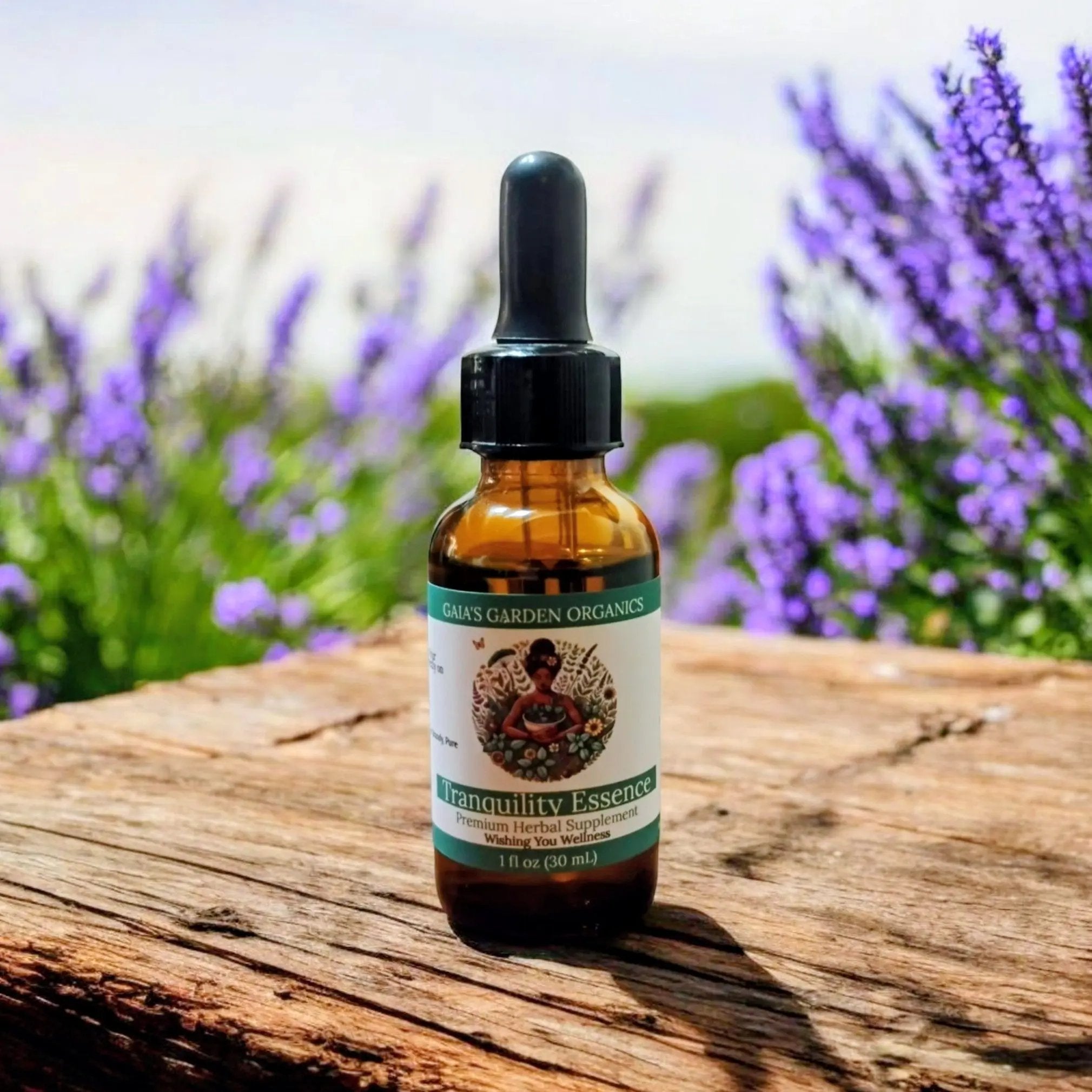
The brandy in our Heartful Essence, our Tranquility Essence, or any of our other essences is functioning the same way the alcohol functions in vanilla extract. It preserves the preparation. It is not what is doing the work.
Dr. Edward Bach, who established this method in the 1930s in Oxfordshire, England, chose brandy specifically because it is shelf-stable, does not introduce competing botanical actions, and at the diluted concentrations of a finished essence does not contribute meaningfully to alcohol exposure. The lineage authority for the method is the Bach Centre at Mount Vernon, which has continued the original protocols since Dr. Bach's death in 1936. We covered the full reasoning in our post on why we still use brandy and mountain water.
The math, plainly
A typical flower essence dose for a dog is a few drops in the water bowl, or on the bedding, or on the fur for self-grooming. A few drops of a roughly 25-percent-brandy stock dilution, divided into a full water bowl, distributes the alcohol over hundreds of milliliters of water. The amount that any single sip delivers to your dog is fractions of a drop of brandy.
For comparison: an unwashed apple has measurable trace ethanol from natural fermentation. A ripe banana has measurable ethanol. A piece of bread has measurable ethanol from yeast. The ethanol exposure from a properly dosed flower essence is in that same order of magnitude. It is not zero, but it is far below any threshold that produces a behavioral or physiological effect in dogs. The ASPCA Animal Poison Control's reference levels for canine alcohol exposure sit many orders of magnitude above what a flower-essence dose delivers.
How dogs metabolize flower essences
Dogs metabolize alcohol roughly the way humans do, with the same liver enzymes (alcohol dehydrogenase) doing the work. Their tolerance is proportional to body weight. A medium dog at a standard flower-essence dose has the same effective exposure as a human at the same standard dose, which is to say, almost none.
For very small dogs (Onyx, our applehead Chihuahua, is the in-house test case at five pounds), the dose-per-kilogram math is the same. The amount of brandy in a few drops of essence diluted into a 100-milliliter water bowl, sipped a few times across the day, is so small that even the smallest toy breeds stay well within the safe range.
For very large dogs at the other end (our 70-pound standard poodle, Samadhi), a few extra drops in a larger water bowl is appropriate. The math scales linearly and stays in the safe zone at every dog size we have worked with, in our own household and across many years of customer reports.
When to skip
There are real situations where I would say wait, or use a different approach:
- Diagnosed liver disease. A dog actively in liver failure or on a strict liver-protective diet should not have any extra metabolic load, including the trace amounts in flower essences. Talk to your veterinarian.
- Active medical treatment. Not because flower essences interact with drugs (they do not), but because anything new during an acute illness should be coordinated with the vet handling the case.
- Very young puppies. Puppies under six weeks should get essences only via topical application (a drop on the bedding) rather than orally. The American Kennel Club's puppy-care reference is a good starting point for any owner of a puppy that age.
- Strict abstinence household. If you are in recovery and don't keep alcohol in the house at all, this is a values question worth honoring. Glycerin-preserved alternatives exist; they are a different product but functionally available.
What flower essences actually do for dogs
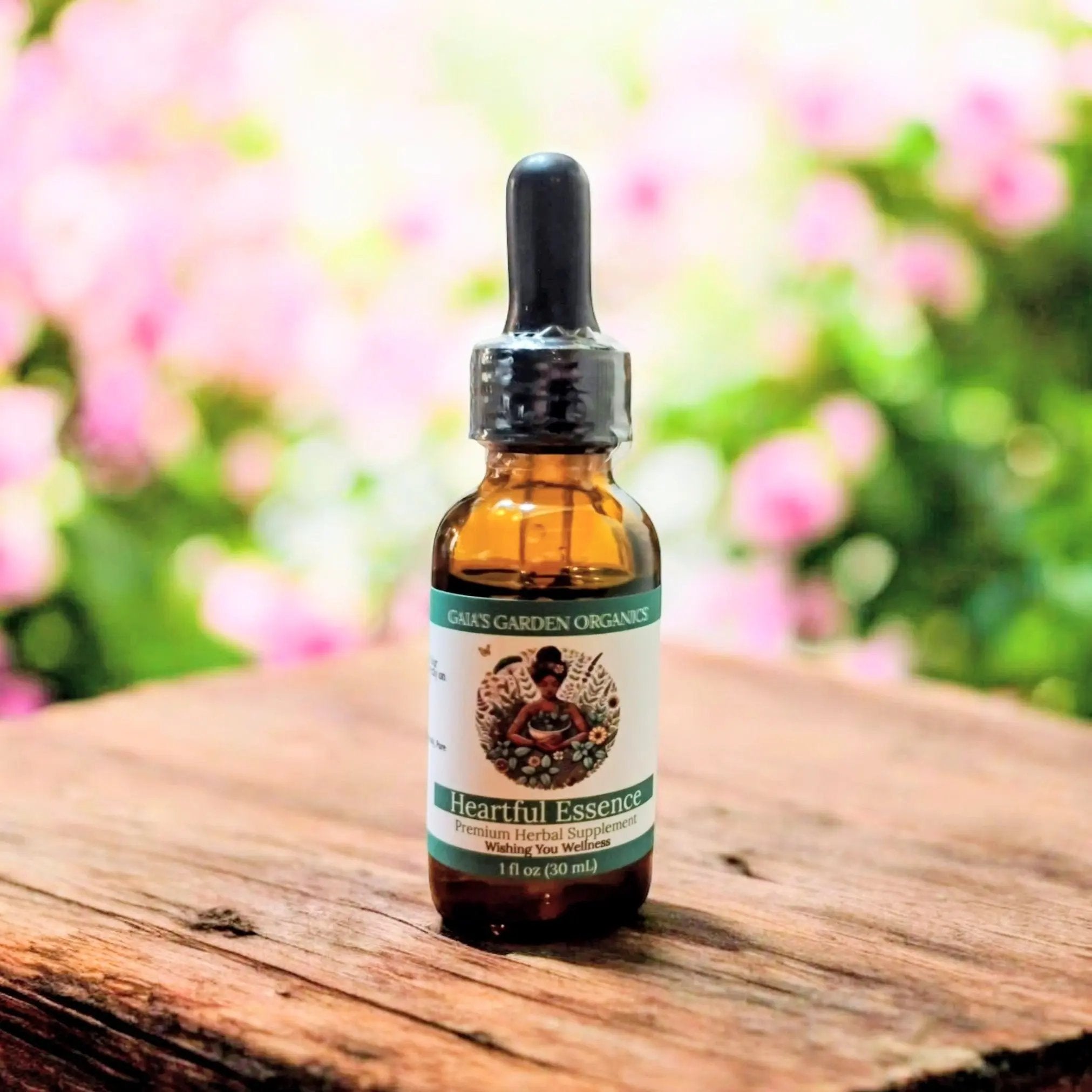
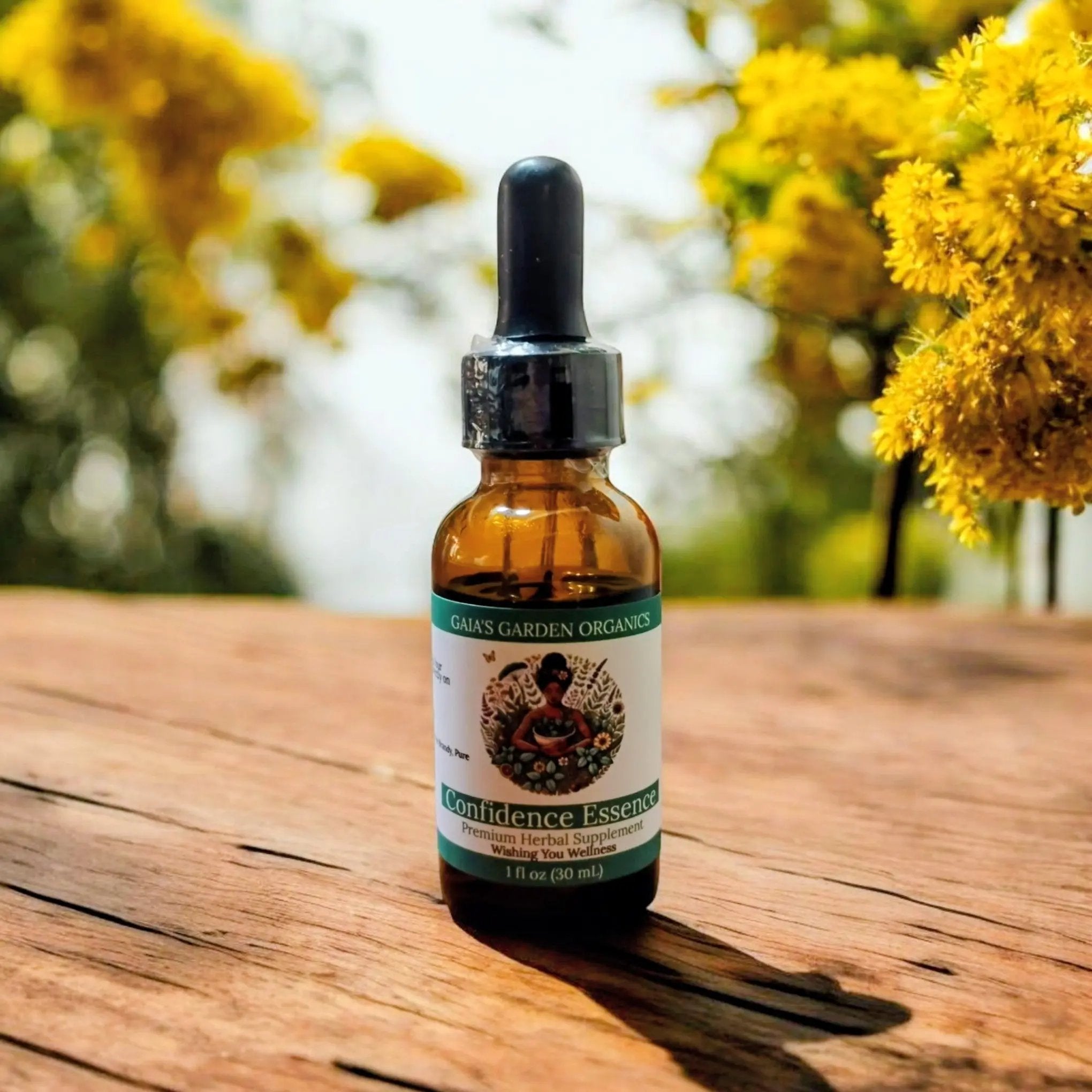
The reason we work with flower essences for dogs is that animals respond to the energetic, emotional layer of the preparation, not to a chemical mechanism. Tranquility for the nervous, jumpy dog. Heartful for the dog grieving the loss of an animal companion. Confidence for the rescue who flinches at every sound.
You can read more about how to use them in our 4-method guide to dosing your dog and our comparison post on flower essences vs modern dog calming drops. The American Kennel Club's overview of dog anxiety is a useful complementary read for owners new to this category.
The honest answer
The brandy question is real, and dog owners are right to ask it. The answer, looked at honestly, is that Bach-method flower essences at standard doses deliver less alcohol than your dog gets from licking a kitchen counter that someone wiped with apple cider vinegar. The risk is essentially zero, and the energetic support, in our clinical experience and across nine decades of Bach-tradition use, is real.
If you want to start, Tranquility Essence is what we'd reach for first for most dogs. A 1 fl oz dropper bottle lasts a small dog two to three months at standard dose, and a large dog about six weeks. Hand-prepared at our Arkansas garden in the Bach tradition.
Frequently asked
Will my dog get drunk from flower essences?
No. The brandy in a flower essence is the preservation medium, not an active ingredient, and it sits in a parent stock that is then diluted again before bottling. A standard dose for a medium dog (a few drops) contains a quantity of alcohol roughly equivalent to a few drops of fruit juice. The amount is well below anything that produces a behavioral or physiological effect. Dogs do not get drunk from properly dosed Bach-method essences.
Are flower essences safe for very small dogs like Chihuahuas?
Yes, at standard dosing. Our own applehead Chihuahua, Onyx, is five pounds and uses Tranquility and Heartful in his water bowl daily. The alcohol math scales linearly with body weight, and a few drops in a 100-milliliter water bowl, sipped a few times across a day, stays well within the safe range for the smallest toy breeds.
What about alcohol-free or glycerin-based pet essences?
They exist, but they are a different product. Glycerin shifts the energetic profile of a Bach-method essence and shortens shelf life. Most clinical herbalists who work in the Bach lineage continue to use brandy because that is the original method and because the dilution at standard dose makes the alcohol exposure trivial. We make our essences with brandy and mountain water, the traditional way.
Can I give flower essences to a puppy?
Generally yes, with smaller doses delivered via water bowl or on bedding rather than directly in the mouth. Puppies under six weeks are still developing their liver and kidney function, so the conservative approach is to apply the essence topically (a drop on the bedding or fur) rather than orally. The energetic action is the same; the body simply gets the mildest possible exposure.
What if my dog has a medical condition?
Flower essences do not interact with medications and have no documented contraindications, but if your dog has liver disease, kidney disease, or is on a strict no-alcohol regimen for any reason, mention what you are using to your veterinarian. The amount is small enough that it almost never matters, but a transparent conversation with your vet is the right baseline.
Products from this article
Handcrafted in Umpire, Arkansas by Gaia Devi, clinical herbalist.
Explore our apothecary
Learn more
Flower Essences 101
A clinical herbalist's plain-English guide to what flower essences are and how to take them.
Find your match
Browse the Free Practice Library
8 pattern-matched archetype entry points (sleep, anxiety, tension, heart, inner quiet, clarity, boundary, spark), each as a 5-question quiz, a 3-day mini-course, or a one-tap interactive tool.
Shop the apothecary
The 5-Essence Starter Cabinet
All 5 essences bundled at 20% off, the full emotional toolkit.