In this article (7)▾
Most beginning home herbalists assume they need specialized equipment, a teacher, and rare ingredients. They don't. Five entry-level preparations made with kitchen tools cover most of what comes up in a normal household: daily wellness teas, acute cold-and-flu support, gentle digestive remedies, and pleasant flavored syrups for kids.
This guide is those five preparations with the technique for each.
The first remedy below is a tea, so if you want the deeper version of this, read my full guide to brewing herbal tea the right way.
1. Simple herbal tea (infusion of leaves and flowers)
The most basic preparation. Hot water plus dried herb plus time.
- One teaspoon of dried herb per cup of water. Two teaspoons for stronger therapeutic dose.
- Boil water, pour over herb, cover the cup (keeps volatile oils in).
- Steep 5-10 minutes for delicate leaves and flowers (chamomile, peppermint, lemon balm).
- Strain and drink.
Best for: daily wellness teas. Works for chamomile, lemon balm, peppermint, lavender, rose petals, calendula, hibiscus.
2. Long infusion (for nutritive herbs)
For mineral-rich herbs that need longer extraction.
- One ounce of dried herb in a quart jar.
- Pour boiling water to fill the jar, cap loosely, steep 4-8 hours (overnight works well).
- Strain and drink throughout the day.
Best for: nettle leaf, oat straw, raspberry leaf. These herbs have nutritional and mineral content that needs long extraction to release.
3. Decoction (for roots, bark, and seeds)
Tougher plant parts need active heat, not just steeping.
- One tablespoon of dried root, bark, or crushed seed per cup of water.
- Combine herb and cold water in a pot. Bring to a boil. Reduce to a simmer for 15-20 minutes, covered.
- Strain and drink.
Best for: ginger root (fresh or dried), licorice root, marshmallow root, dandelion root, fennel seed, cinnamon stick.
4. Simple syrup (for kids and palatability)
A way to turn unpleasant herbs into something palatable, especially useful for kids.
- Make a strong decoction or infusion (double the standard herb amount).
- Strain and measure the liquid.
- Add equal volume of honey or maple syrup. Stir while still warm to dissolve.
- Bottle and refrigerate. Keeps 6-8 weeks.
Standard use: elderberry syrup is the classic. Use 1 teaspoon daily for adults during cold season; half teaspoon for children over 4. Do not give honey-based syrups to infants under 12 months.
5. Oxymel (vinegar-and-honey preparation)
An ancient preparation that combines herbal medicine with vinegar's mineral-extraction properties.
- Fill a jar one-quarter full with dried herb.
- Add equal parts raw apple cider vinegar and honey to fill the jar.
- Cap with non-metal lid (vinegar corrodes metal), label, store in a dark cabinet.
- Shake daily for 4-6 weeks.
- Strain and bottle.
Best for: thyme (respiratory), elderberry, sage, fire-cider-style preparations with garlic, ginger, horseradish, and chili.
What you need to know about safety
- Plant identification: Use dried herbs from a reputable source, not foraged plants you cannot identify with certainty.
- Allergy testing: First time with any new herb, take a small dose and wait 24 hours.
- Pregnancy and children: Many herbs have specific cautions. Check before using new herbs in pregnancy or with kids under 6.
- Medications: Check for interactions if you take prescriptions. Some herbal preparations have meaningful interactions.
- Storage: Most prepared infusions keep 24-48 hours in the fridge. Syrups 6-8 weeks. Oxymels 6+ months.
Where to go from here
- Step 1 (free): Match your essence in 7 questions. Take the essence quiz.
- Step 2 (30-night guarantee): When you want something ready-made rather than making your own, our daily teas (Healing Hypnotic, Magical Marvel, Breathe Better) and tinctures (Calm Spirit, Dreamweaver, Comfort Ease) cover the most-common daily needs.
- Step 3 (coming soon): Harmony Within, my Yoga Nidra book.
This guide is general home-herbalism education. Herbal preparations are not substitutes for medical care for serious conditions.
Related products from our apothecary
Handcrafted in Umpire, Arkansas by Gaia Devi, clinical herbalist.
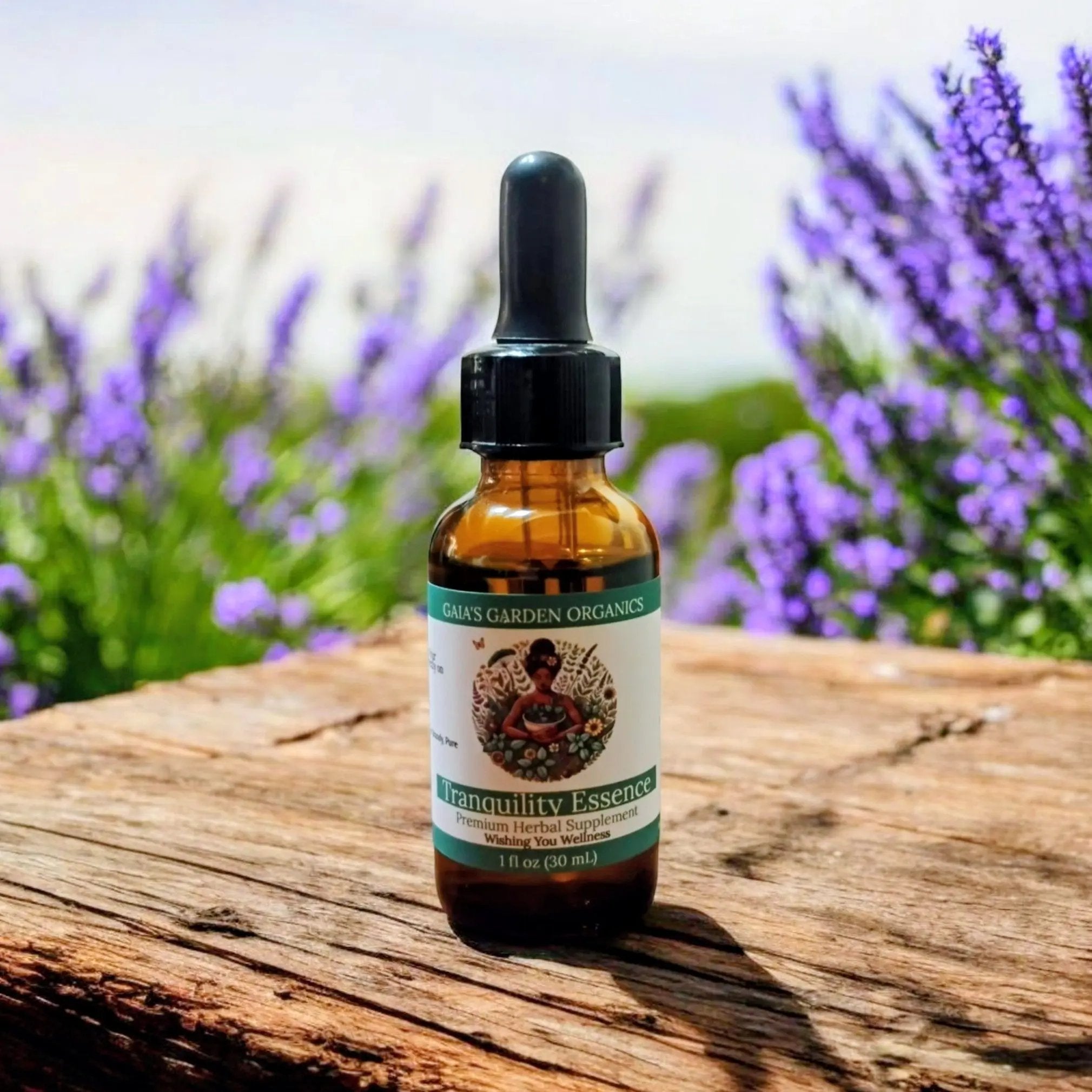
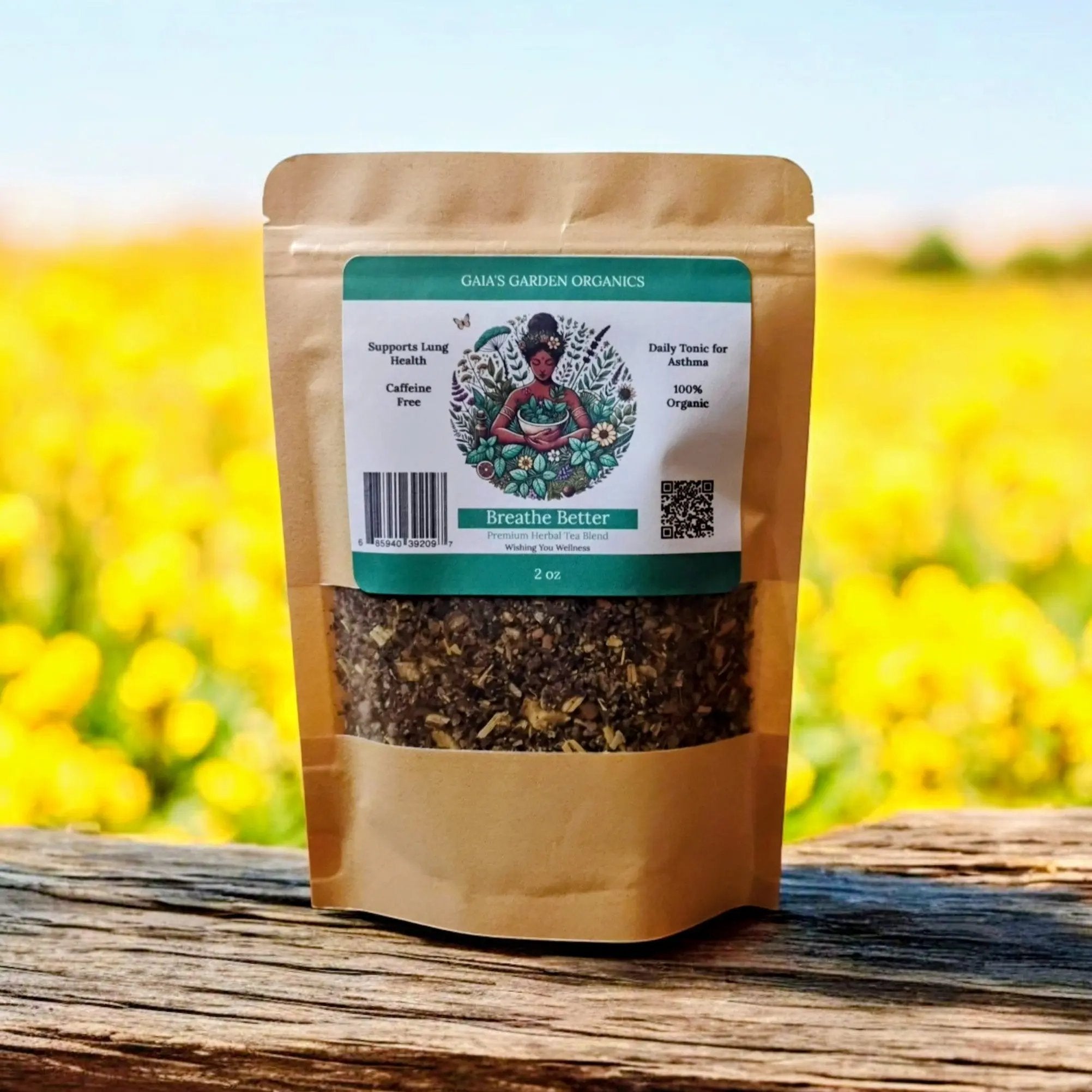
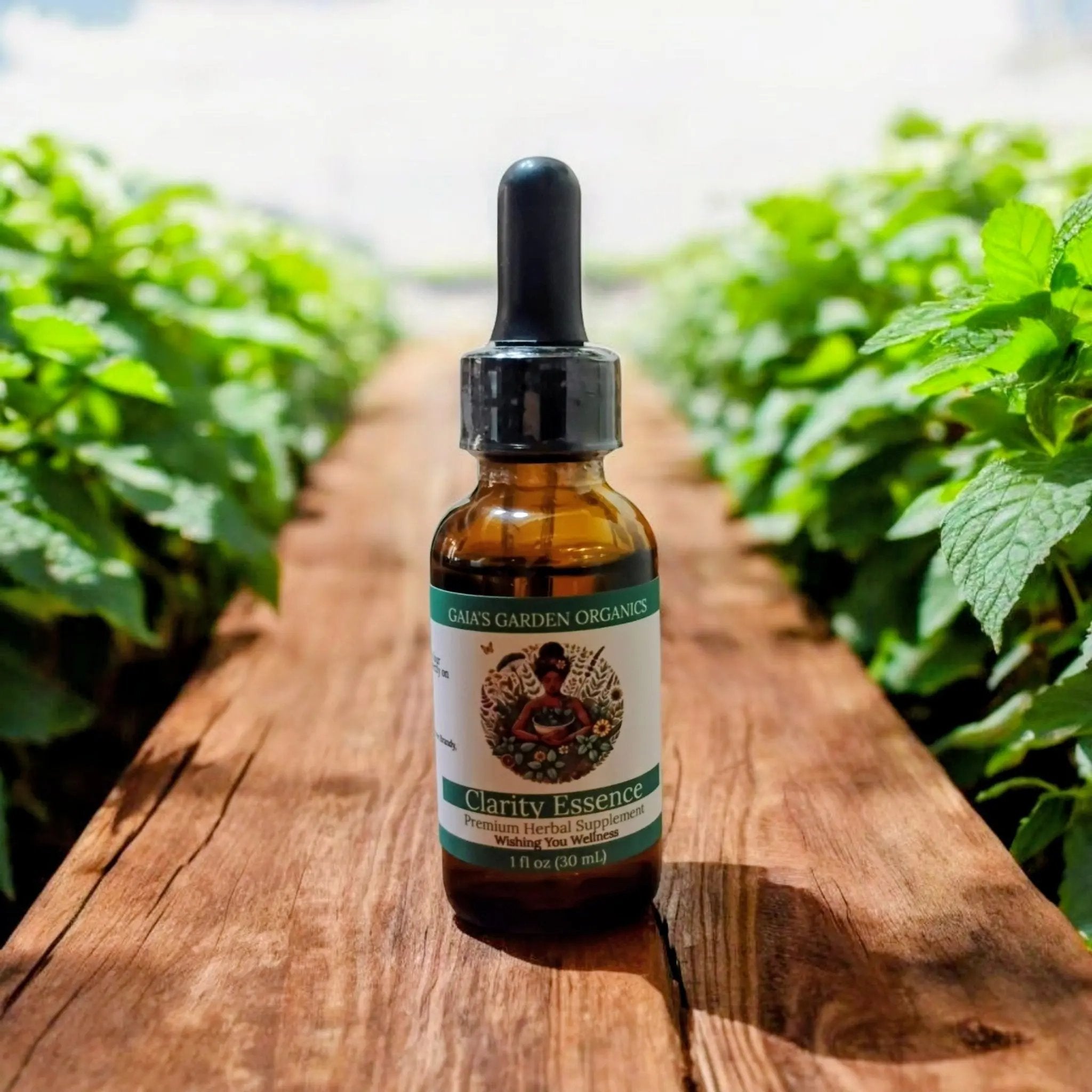
Explore our apothecary
Learn more
Flower Essences 101
A clinical herbalist's plain-English guide to what flower essences are and how to take them.
Find your match
Browse the Free Practice Library
8 pattern-matched archetype entry points (sleep, anxiety, tension, heart, inner quiet, clarity, boundary, spark), each as a 5-question quiz, a 3-day mini-course, or a one-tap interactive tool.
Shop the apothecary
Shop the apothecary
Every flower essence, tincture, and tea on our shelves, clinical-grade plant medicine, seed-to-bottle.