In this article (8)▾
This is the practical post. You have a dog, you have a bottle of flower essence, and you need to figure out how to actually get it into your dog's life on a consistent basis. The good news is there are several reliable methods, and the right one depends on your dog's temperament more than on any rule.
Here are the four routes I recommend in clinical practice, in order of how often they end up being the answer. The four methods all derive from the original Bach Centre dosing protocol, adapted for dogs across many years of household use.
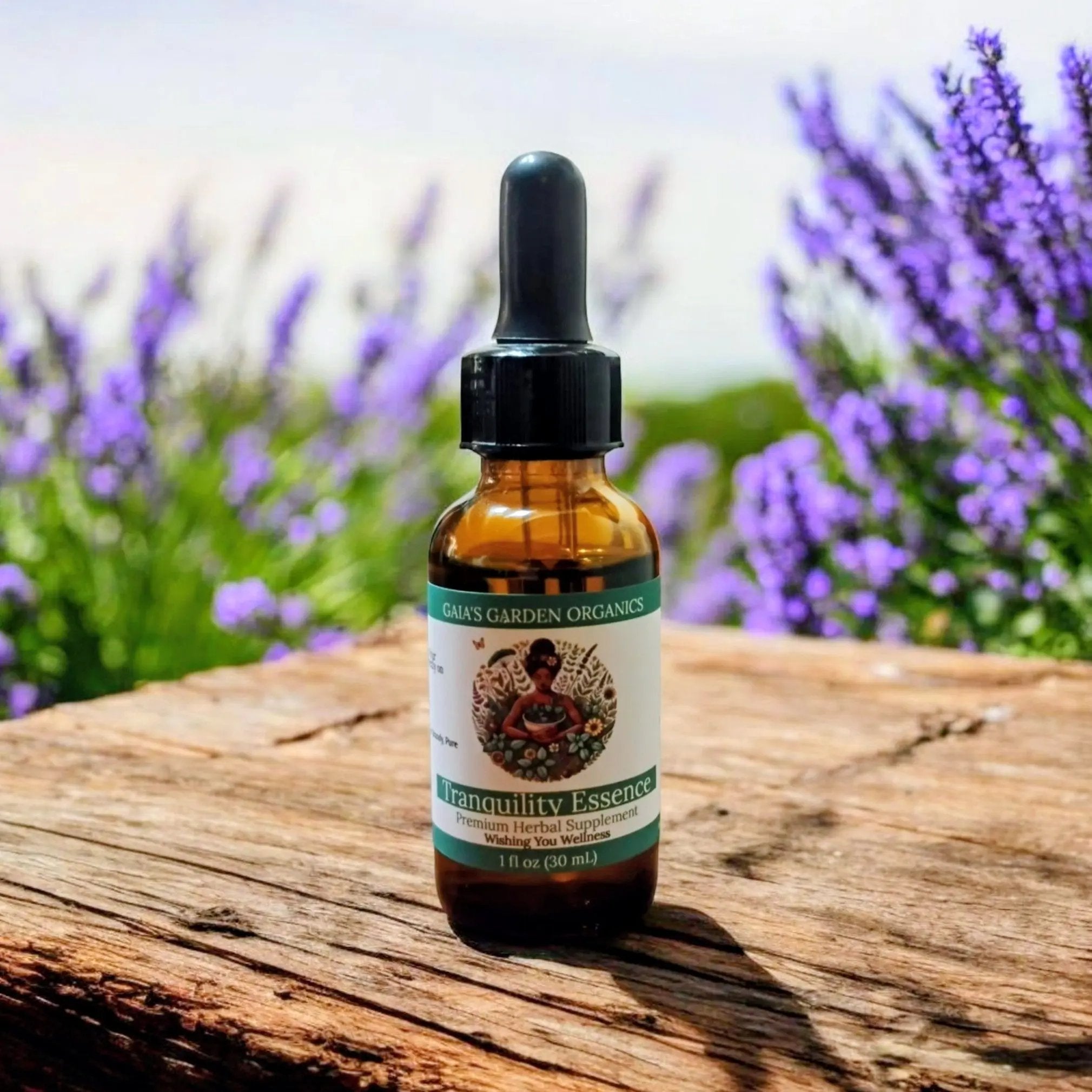
1. The water bowl (best for daily use)
This is the default for most dogs. A few drops of essence into a freshly-filled water bowl in the morning, refreshed daily. Your dog encounters the essence dozens of times throughout the day at a vanishingly small dose each time, which is exactly the rhythm flower essences work best at.
Why I recommend this first: it removes the battle entirely. There is no wrestling the dog into "open up," no licking the drop off your finger and missing the inside of the mouth, no spitting it out. The dog drinks normally. The essence does its work.
For multi-dog households, one bowl with a few drops works for everyone sharing it. The dose is so dilute that it scales fine across two or three dogs at a single bowl.
2. Drops on a treat or wet food (best for stubborn dogs)
For dogs who don't drink much (working dogs who only drink at certain times of day, dogs who refuse a bowl that smells different), a drop on a high-value treat or stirred into a spoonful of wet food is the next-best route.
One or two drops on a soft treat. A drop into a teaspoon of wet food. That is enough; you don't need to soak the treat. Most dogs do not notice the brandy at this dilution. The AKC's guide to dog-safe treats can help you pick a base treat your dog will actually take.
This route is also useful for travel: a treat with a drop on it goes in the carrier ten minutes before loading the car, and the essence is delivering its action right when the stress is starting.
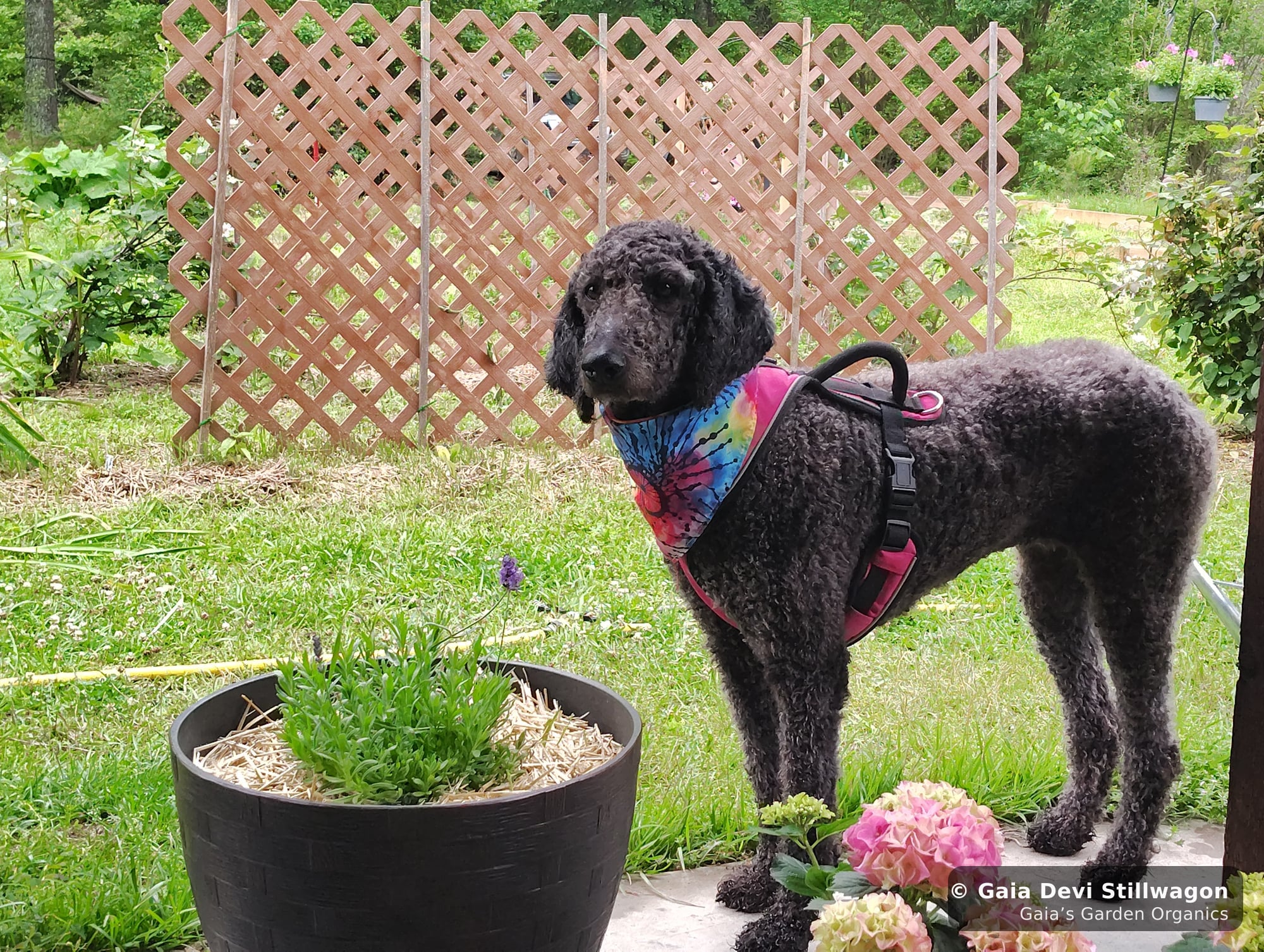
3. Bedding (best for environmental anxiety)
A drop on the bed, the favorite blanket, the crate liner, the spot the dog defaults to during a thunderstorm. The essence is in the energetic field around your dog for hours at a time.
This route is especially useful when the trigger is environmental rather than situational. A dog with general "this house is too chaotic for me" anxiety benefits from a drop on the bed every night more than from intermittent oral dosing. A rescue dog who only feels safe in one room of the house responds well to drops on the safe-room bedding.
For travel: a drop on the inside of the crate or carrier the night before. The crate becomes a slightly less stressful place by the time it's loaded into the car.
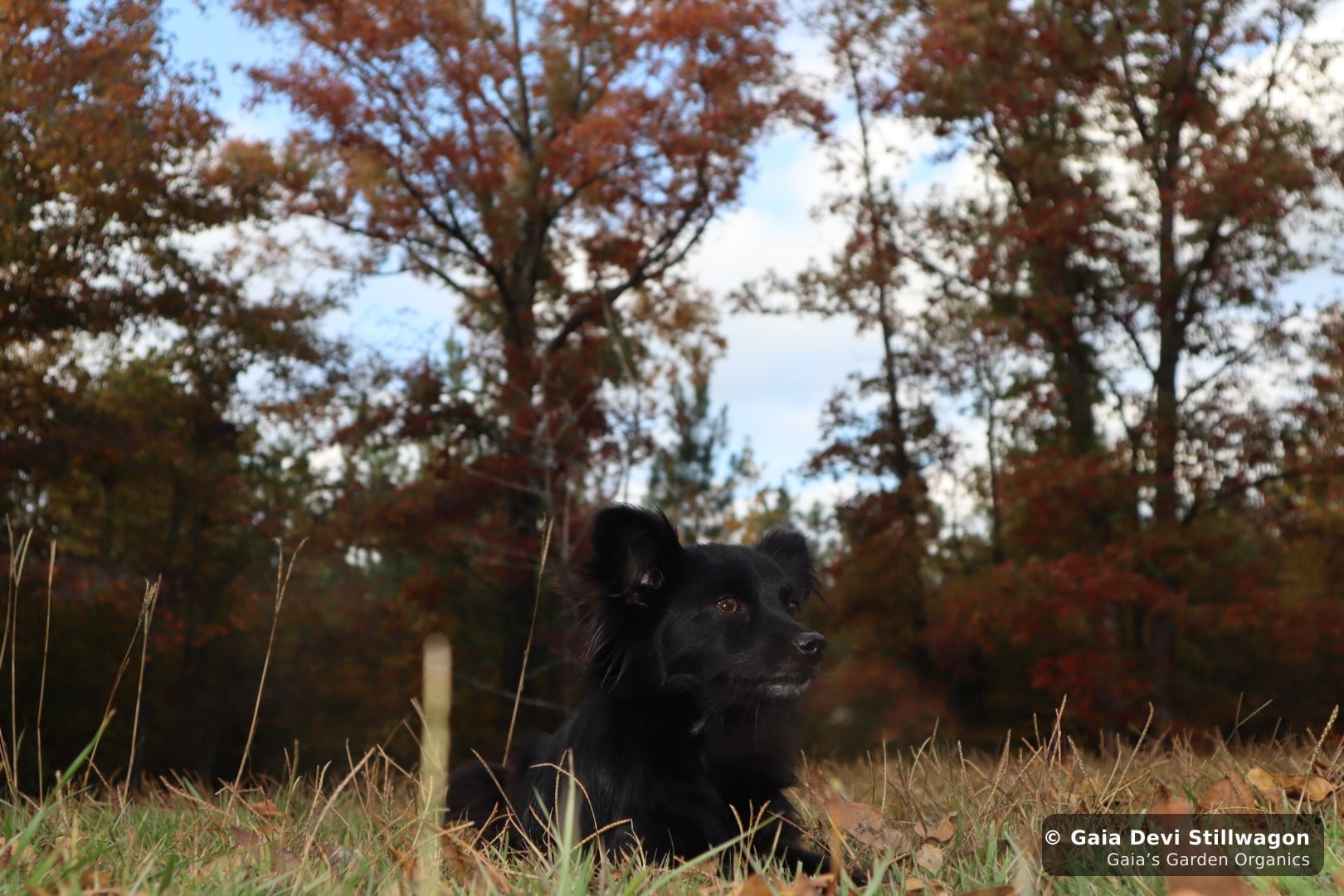
4. Fur, base of skull (best for the most cautious cases)
A drop placed at the base of the skull, on the fur where the dog cannot easily lick it off. The essence is in contact with your dog's energetic field without ever being ingested. The dose effectively goes through the body's surface rather than its digestive system.
This is the route I recommend for:
- Dogs with diagnosed kidney disease, where minimizing anything the kidneys process is appropriate
- Puppies under six weeks, who are still developing liver function
- Dogs in active medical treatment whose vet has asked you to keep the chart simple
- Households where the human has made the values choice to avoid any oral alcohol exposure for their dog
The energetic action is the same as oral dosing. Customers consistently report behavioral shifts in their dogs from this route alone.
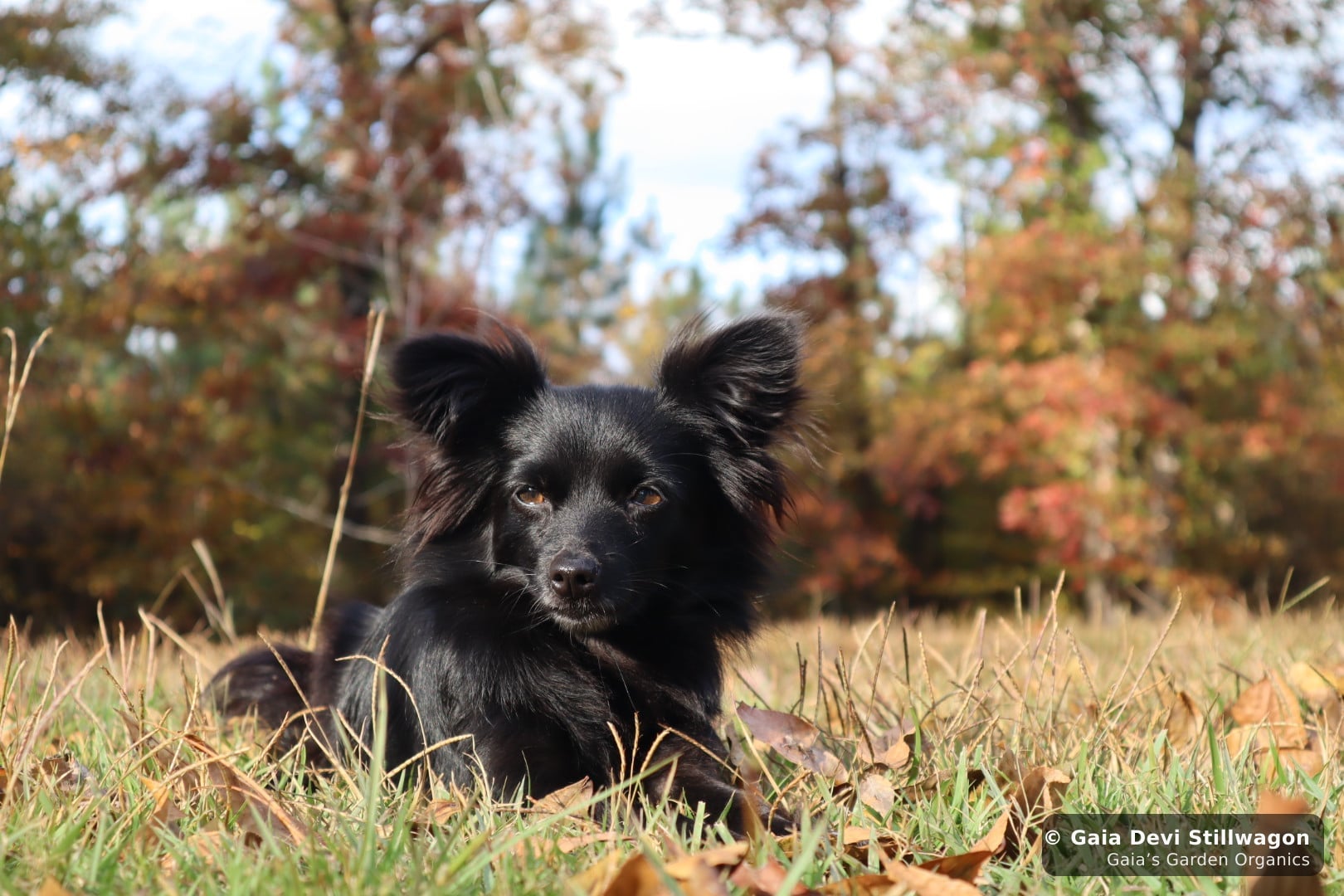
Combining methods
The methods are not exclusive. A water bowl essence as the daily baseline, plus a drop on the bedding at night, plus a drop on a treat ten minutes before a known trigger, is a perfectly reasonable layered approach. You will not "overdose" your dog by combining methods; the dilution is so significant that even four routes simultaneously delivers a tiny total dose.
What about the eye-dropper directly in the mouth?
The original Bach-tradition instruction is "drops under the tongue," which is what we humans do for ourselves. With dogs it is rarely worth the effort. Dogs flinch, the drops end up on your hand or the floor, and the relationship cost (your dog now associates the dropper with annoyance) outweighs the small benefit of a slightly more direct route.
The water bowl, the treat, the bedding, the fur: these all deliver the same essence with none of that friction. Save direct oral dosing for human use, where you can hold still under your own tongue.
How long does a bottle last for one dog?
A standard 1 fl oz dosing bottle, used at a few drops per day for a single dog, lasts approximately four to six weeks for an average-size dog. A small dog like our 5-pound Onyx makes a bottle last close to three months. A 70-pound dog like Samadhi goes through a bottle in roughly six weeks. Multi-dog households go through it slightly faster (more bowls, more bedding spots) but not dramatically faster, because the dose is so small. The bottles are shelf-stable for several years if stored away from direct sun and extreme heat.
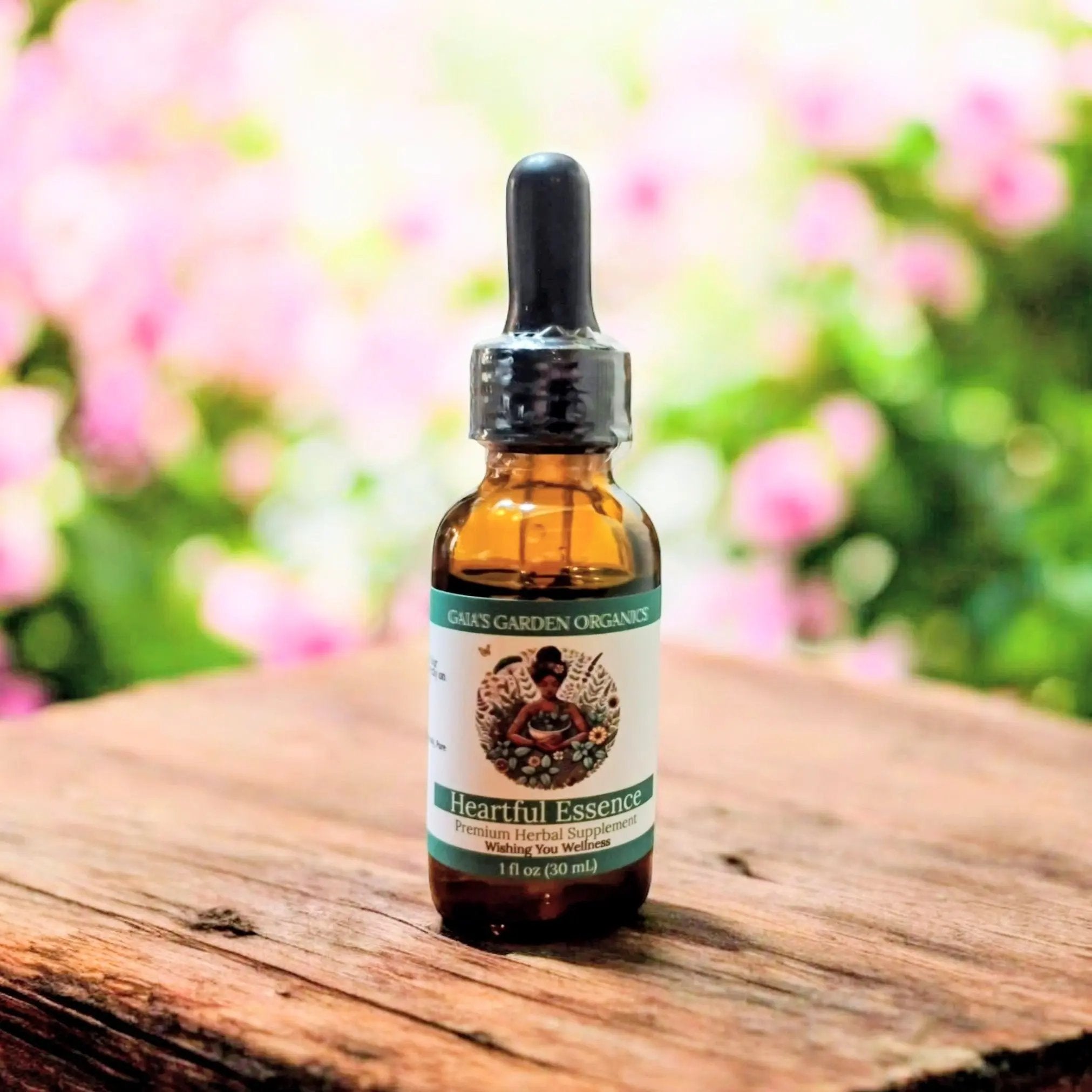
The economic angle of dog flower-essence dosing is part of why we keep recommending it: a single 1 fl oz bottle of Tranquility or Heartful covers a month or more of consistent support for a dog, which is hard to beat for plant medicine.
If you want to start, Tranquility Essence is what we'd reach for first for most dogs. The water-bowl method is the easiest entry point and what most owners stay with for the long haul.
Frequently asked
What's the best route for a dog who won't take drops?
The water bowl, hands down. A few drops in the daily-refreshed water bowl reaches the dog dozens of times per day at a tiny dose each time, and there's no battle of wills involved. The energetic action is the same as direct dosing.
How often should I refresh my dog's water bowl?
Once a day. The essence stays active for that long in clean water at room temperature. If your dog drinks a lot and the bowl empties before refresh time, just top it off. Don't worry about precision dosing; flower essences are not concentration-dependent the way pharmaceuticals are.
Can multiple dogs share a water bowl with essence in it?
Yes. The dose is so dilute that it scales fine across two or three dogs sharing one bowl. If your dogs have very different needs (one needs Tranquility for anxiety, the other needs Heartful for grief), you can run two water bowls with different essences in different rooms. Most multi-dog households end up rotating one essence at a time anyway.
Does the essence lose potency in a sunny window or warm room?
Direct sunlight on a glass bowl over hours can reduce essence quality. A water bowl in a normal kitchen or living room is fine. The brandy preservation buffers most environmental conditions; the only situation worth avoiding is a tiled patio with the bowl baking in summer afternoon sun.
Can I add the essence to my dog's wet food or a treat?
Yes. A drop on a treat or stirred into a small portion of wet food works well, especially for dogs who refuse anything that smells like medicine. Avoid adding it to a large portion of dry food (the essence absorbs unevenly). For wet food or treats, the dose is one or two drops; you don't need more.
Products from this article
Handcrafted in Umpire, Arkansas by Gaia Devi, clinical herbalist.
Explore our apothecary
Learn more
Flower Essences 101
A clinical herbalist's plain-English guide to what flower essences are and how to take them.
Find your match
The Anxiety-Type Quiz
5-question clinical-herbalist diagnostic that names your anxiety pattern and matches a practice + plant pairing.
Shop the apothecary
Pet Wellness Essences
All 5 flower essences, framed for animal use, with per-situation dosing.