In this article (9)▾
It is 4:48 in the morning. The alarm is set for 6:30. You are awake. Your mind has already started running tomorrow's meeting, the email you forgot to send, the grocery list, your mother's birthday, the thing you said in last week's review that you wish you had said differently. Your heart is beating a little faster than rest. You are not panicked. You are just on.
By 5:15 you are in the shower. By 7:30 you are at your desk. By 11 a.m. you feel hollowed out. By 3 p.m. you would put your head down on the keyboard if no one was watching. By 9:30 p.m. you are wired again. You go to bed at 11. You fall asleep fine. And then 4:48 happens.
What you have already tried, and why none of it worked
Melatonin. The Calm app. Magnesium glycinate. A weighted blanket. Reading on paper instead of your phone. Cutting caffeine after 12. A glass of wine. Two glasses of wine. Then no wine because the wine made it worse. Chamomile tea. A chamomile tincture. Lavender on the pillow. Lavender in a roll-on. None of it changed the 4:48 wake.
You may have escalated. A sleep study (results unremarkable). A trial of Ambien (slept through one night, foggy all the next day, stopped). A trial of trazodone (slept fine, woke at 4:48 anyway). Maybe an SSRI, which helped the daytime baseline but did nothing to the early-morning wake.
Here is why none of those worked. They were all aimed at the wrong layer. They were aimed at a body that cannot fall asleep. You can fall asleep. Your problem is a body that cannot stay asleep, because the engine that wakes you at 4:48 is not in the body. It is in the mind.
The Frame Shift: The 4:48 wake is not a sleep problem
Most people think early-morning waking is a sleep-architecture problem. Cure the architecture, the wake stops. So they try sedatives. So they try heavier sedatives. So they wake at 4:48 anyway.
Actually it is a cortisol-rhythm problem braided with an unfinished-business problem. Your cortisol awakening response (CAR) is the body's natural pre-dawn rise that wakes you for the day. In healthy adults the CAR peaks around 30 minutes after natural wake time. In the chronically overstimulated, the CAR fires too early, too steeply, and surfaces a mind that never put the day down. The body wakes pre-loaded with cognitive content. There is nothing to do with the content at 4:48 in the morning, so the mind runs it.
A pure sedative addresses the body. The body is not the problem here. The mind is the engine. You need the mind quieted AND the nervous system softened, in that order. This is what most "natural sleep" advice misses.
What the mechanism actually is
Three things are happening at 4:48.
One, the cortisol awakening response is firing earlier and steeper than your body's circadian baseline would predict (Vargas-Lopez et al., 2023, on the CAR-insomnia link). This is the wake signal. The light is on. The engine has started.
Two, the prefrontal cortex (the planning, problem-solving part of the brain) comes online about 90 seconds after the CAR spike. In a quiet life this is the gentle dawn that lets you remember your dreams. In an overloaded life the prefrontal cortex grabs the most recent unsolved problem and runs it on a loop. Tomorrow's meeting. The email. Your mother. The review.
Three, the sympathetic nervous system, never fully off in someone who lives wired-tired, now ramps up to support the cognitive activity. Heart rate climbs. Breath shortens. The body braces. There is no way back to sleep from this state.
The repair is two-fold. You need to soften the cognitive content (the racing) and you need to support the parasympathetic branch (the body's "off" switch). Pure sedation does neither. Lavender alone is not enough; lavender plus chamomile is not enough. You need a peppermint signature on the mental layer and a lavender signature on the nervous-system layer, working together.
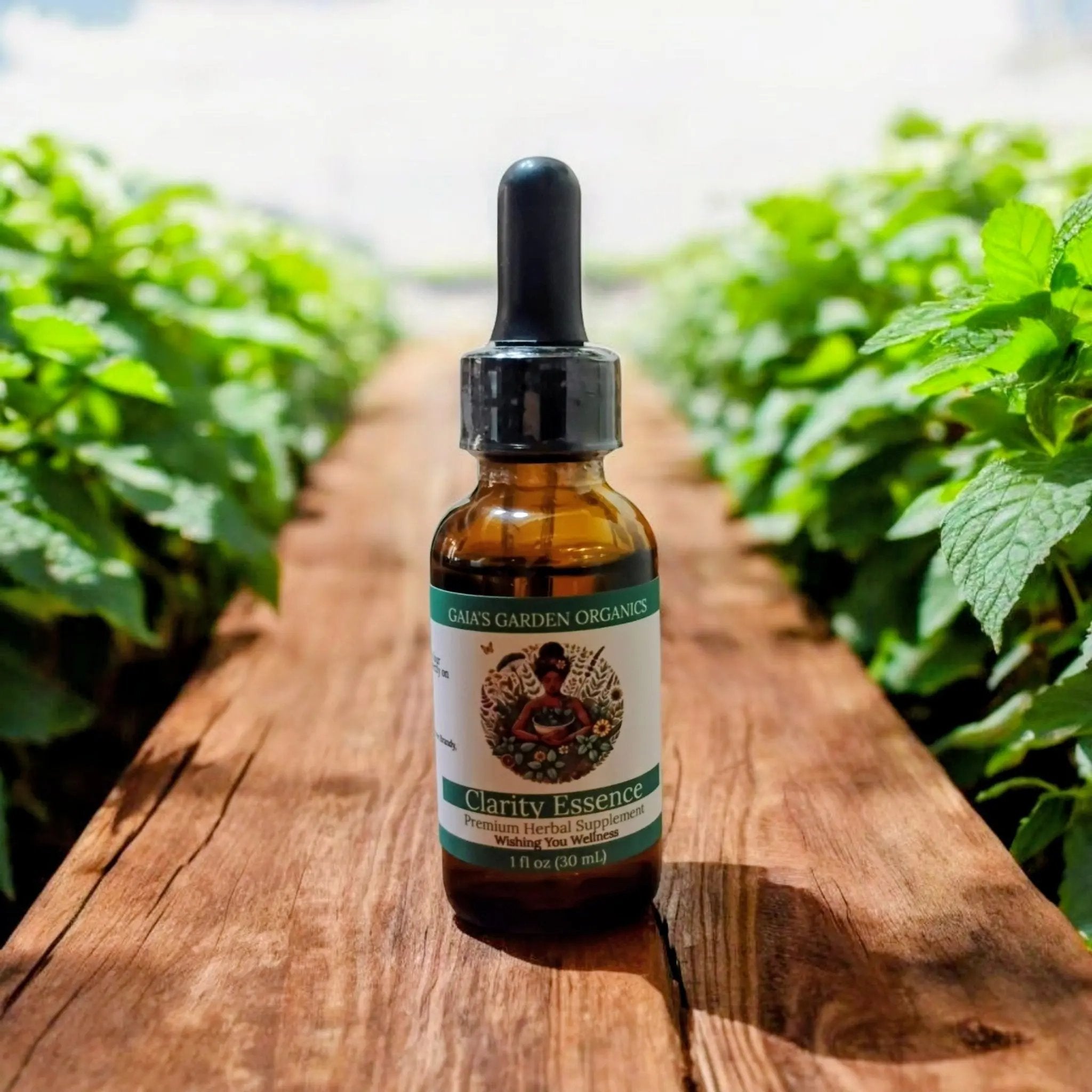
Clarity Essence (peppermint), the mental layer
Peppermint flower essence is the energetic preparation of mint blossoms, Bach method, brandy plus mountain water. It is not stimulating in the caffeine sense. Peppermint as essence is for the mental clearness pattern: a mind that has gotten foggy from being on too long. In the 4:48 picture, Clarity Essence is the daytime anchor. You take it in the morning. The 11 a.m. hollow shortens. The 3 p.m. dip gets less catastrophic. The mind comes back online without the help of a third coffee.
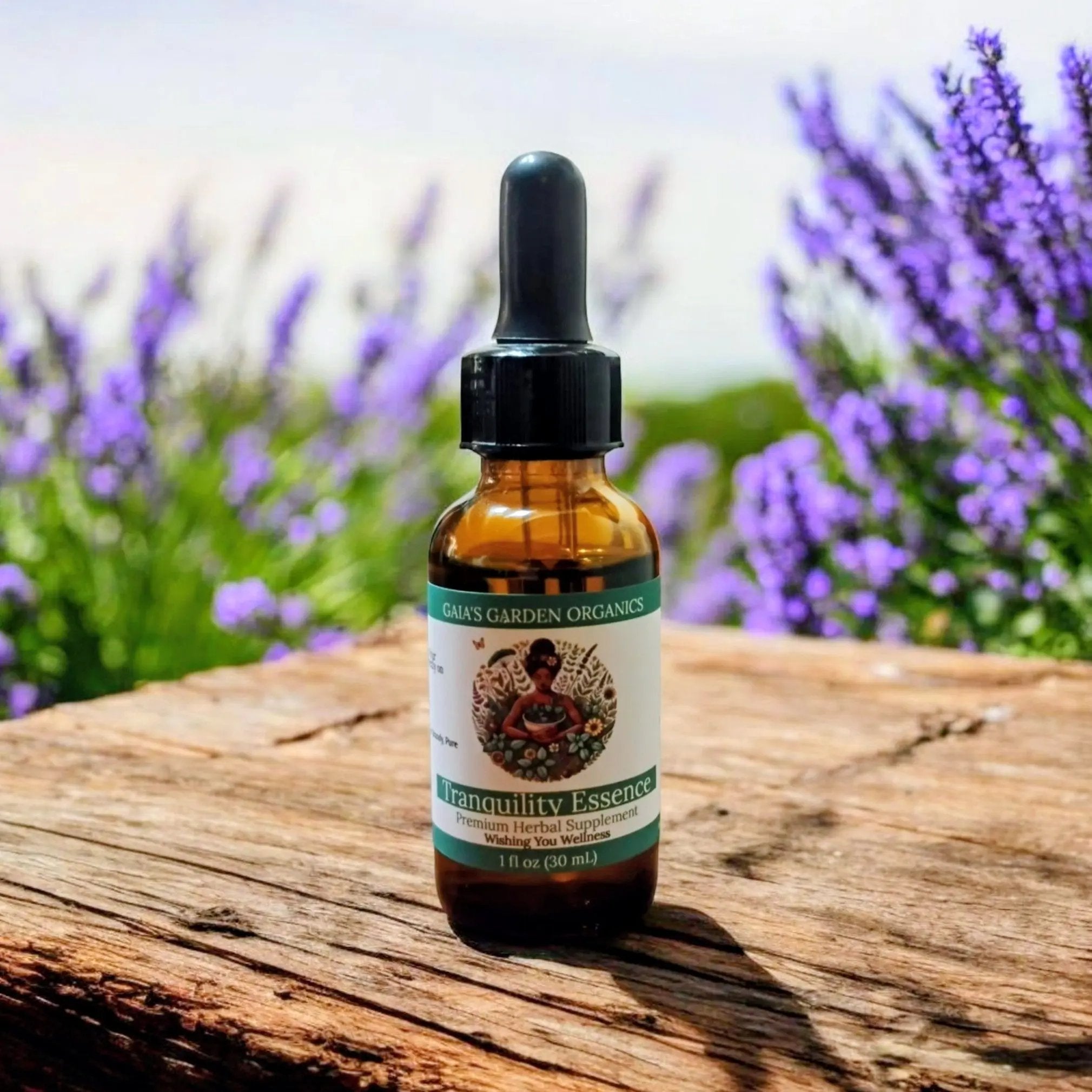
Tranquility Essence (lavender), the nervous-system layer
Lavender essence works the opposite direction. It softens the chronic on. Oral and aromatic lavender preparations have the strongest clinical-trial evidence of any plant for anxiety (NCCIH summary). In the 4:48 picture, Tranquility is the evening anchor. Four drops at bedtime, four drops the moment you wake at 4:48. The chest unclenches. The shoulders drop. The body stops bracing. Sleep sometimes comes back.
Dreamweaver Tonic (Skullcap and Lavender), for the bedside
If the essences alone do not bridge the gap, Dreamweaver Tonic is the herbal tincture for the racing-mind sleep pattern. Skullcap is the American eclectic herbalist's specific remedy for the busy ruminating mind; a small randomized trial showed measurable mood improvement at 1,050 mg per day (Brock et al., on American Skullcap). Paired with lavender, it addresses both the mental looping and the body bracing. Two to three droppersful, 30 to 60 minutes before bed.
The 4:48 protocol
This is what I give clinic clients with the 4:48 pattern. It is short. It does not require getting out of bed. It is built to be done in the dark, half-asleep, without thinking about it.
The night before. Four drops of Tranquility Essence at 9 p.m., with the dim-light routine starting. Two droppersful of Dreamweaver Tonic 30 minutes before bed. The point is not to drug yourself unconscious. The point is to give the nervous system a softer landing.
At 4:48 a.m. Do not check the clock. Do not pick up the phone. Do not start composing the email you woke up thinking about.
Step 1, four drops of Tranquility Essence under the tongue. The bottle lives on the bedside table for this reason. The small ritual signals the body that the day has not started yet.
Step 2, Long-Exhale Breath, Vishama Vritti (vee-SHAH-mah VRIH-tee), ratio of 1 to 2. Inhale for a count of 4. Exhale for a count of 8. Six rounds. About two minutes. The prolonged exhale is the single most studied breath pattern for vagal-tone increase (Komori et al., on prolonged expiratory breathing). It is the body's parasympathetic switch.
Step 3, Annamaya Kosha (ah-nah-MAH-yah KOH-shah) body scan. Bring attention to your left little toe. Then the next toe. Then the next. Then the foot. Then the ankle. Move slowly up the body, naming each part inside your head. This is the Yoga Nidra body scan from the Annamaya Kosha (the physical sheath, in Yoga Therapy terms). It is the practice that gives the prefrontal cortex something neutral to hold so it stops running the meeting. Most people fall back asleep somewhere between the right shoulder and the right ear. If you do not fall back asleep, the body has at least been given an hour of supported rest, and the day will not feel as raw at 11 a.m.
By Day 3. The 4:48 wake still happens. The protocol meets it. The body learns the new rhythm. By Day 5, the wake is later (5:30, then 5:45) or the protocol returns you to sleep within 15 minutes. By Day 14, in clinic, most clients tell me the wake has stopped being a thing.
Why this works (the citations)
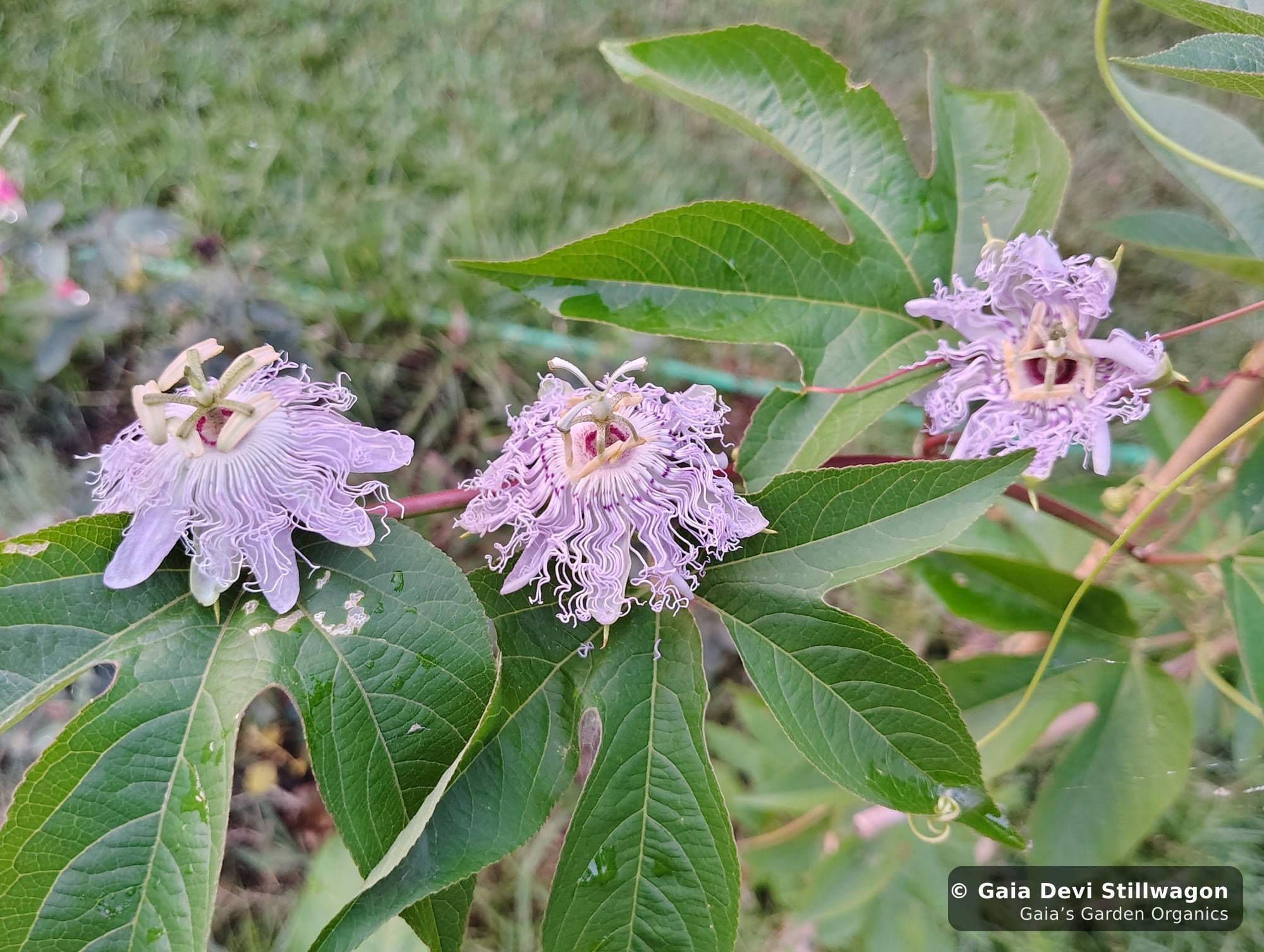
The cortisol-rhythm framing is supported by the insomnia-cortisol literature; the CAR fires earlier and steeper in chronic insomnia compared to controls (Vargas-Lopez et al.). The lavender layer is supported by the NCCIH summary on oral and aromatic lavender for anxiety, the strongest clinical signal in plant-based anti-anxiety work. The Skullcap layer is supported by Brock et al.'s pilot RCT showing mood improvement at 1,050 mg/day with no side effects. The passionflower in our Healing Hypnotic Tea has a systematic-review signal for anxiety reduction and sleep-quality improvement (Janda et al.). The Long-Exhale Breath layer is supported by Komori's work on prolonged expiratory breathing and parasympathetic activation.
None of this is a cure for clinical insomnia. If you have sleep apnea, restless leg syndrome, severe depression, or a clear medical driver for the wake, see your physician first. The protocol below is for the everyday rhythm of the overstimulated knowledge worker, not for clinical sleep disorders.
Where to go from here
- Step 1 (free): The 5-Day Mental Clarity Reset PDF, a clinical-herbalist guide for the overstimulated mind. Get the protocol.
- Step 2 (30-night guarantee): The clarity-plus-tranquility pair, the matched plant medicine for the 4:48 pattern. Clarity Essence in the morning, Tranquility Essence in the evening. If you also need a bedside tincture for the wind-down hour, Dreamweaver Tonic (Skullcap and Lavender) is the matched bedtime formula. The 30-Day Calm Reset Kit bundles Tranquility with Calm Spirit Tonic and Healing Hypnotic Tea at 15 percent off.
- Step 3 (coming soon): Harmony Within, my Yoga Nidra book. Thirty full guided scripts including Script 19 (Easing Anxiety with Stairstep Breathing) and a dedicated body-scan session for the 4 a.m. wake.
This guide is for general nervous-system and sleep support and is not a substitute for medical care. If your early-morning waking is tied to a clinical condition (depression, anxiety disorder, sleep apnea, thyroid dysfunction), please work with a physician as primary support.
Looking for the broader pillar context? Flower Essences 101 covers the Bach method and how to choose between the five active essences we make.
PS: If you have already tried melatonin and a stronger sedative herb (chamomile, lavender alone), and they did not help, that is exactly the signal we are talking about. The mind is the engine, not the body. A pure sedative does not address the mind. The protocol does. Most readers feel the wake shift within 14 days.
Frequently asked
How fast does this actually work?
The Long-Exhale Breath returns the body toward parasympathetic state inside two minutes; you can feel the shift the first time you try it at 4:48 a.m. The essence-plus-essence pairing (Clarity in the morning, Tranquility at night) lands a subtle baseline shift inside the first week. The full pattern (wake stops happening, or shifts later and is brief) usually takes 14 days of consistent use. If the wake persists past 30 days, the underlying driver is likely not the chronic-overstimulation pattern this protocol addresses; please see a physician.
What if I have already tried melatonin and stronger sedatives and they did not help?
That is the signal the 4:48 wake is not a sleep-architecture problem. Melatonin and sedatives address a body that cannot fall asleep. The 4:48 pattern is a body that cannot stay asleep, because the engine that wakes you is in the mind, not the body. The protocol works on the mind layer (Clarity, the Body Scan, the breath) and the nervous-system layer (Tranquility, the long-exhale breath) at the same time. That two-layer approach is what most sleep advice misses.
Is this safe with my prescribed sleep or anxiety medication?
Generally yes for the essences (Clarity and Tranquility have no documented pharmacological interactions; they work on the emotional layer). Dreamweaver Tonic is also broadly safe alongside SSRIs and SNRIs, but stacking with prescription sedatives (zolpidem, eszopiclone, trazodone, benzodiazepines) can cause additive sedation; please check with your prescriber. Never stop a psychiatric or sleep medication without medical supervision. The protocol is a complement to prescribed care, not a replacement.
How is this different from chamomile, lavender alone, or a sleep gummy?
Single-herb pure sedatives address the body. The 4:48 wake is driven by the mind. Adding a mental-clearness anchor (Clarity Essence in the morning) plus the targeted Yoga Therapy practices (Long-Exhale Breath, Annamaya Kosha body scan) addresses the engine that is actually firing. Chamomile and lavender alone do part of the job but miss the cognitive layer. Most readers who have tried single-herb approaches feel the difference the first night of the full protocol.
What if it does not work for me?
Two paths. First, reply to any of the protocol emails and Gaia reads every one; the wake pattern has subtypes (anxious wake, depressive early wake, perimenopausal wake) and a small tweak often unlocks it. Second, every product in the matched stack is covered by our 30-night satisfaction guarantee. If the essences and tincture do not work for you, full refund, no questions. The free protocol is yours to keep regardless.
Products from this article
Handcrafted in Umpire, Arkansas by Gaia Devi, clinical herbalist.
Clarity Essence - Organic Peppermint Flower Essence
for focus & mental alertness
 Bestseller
Tranquility Essence - Organic Lavender Flower Essence
for stress & anxious hearts
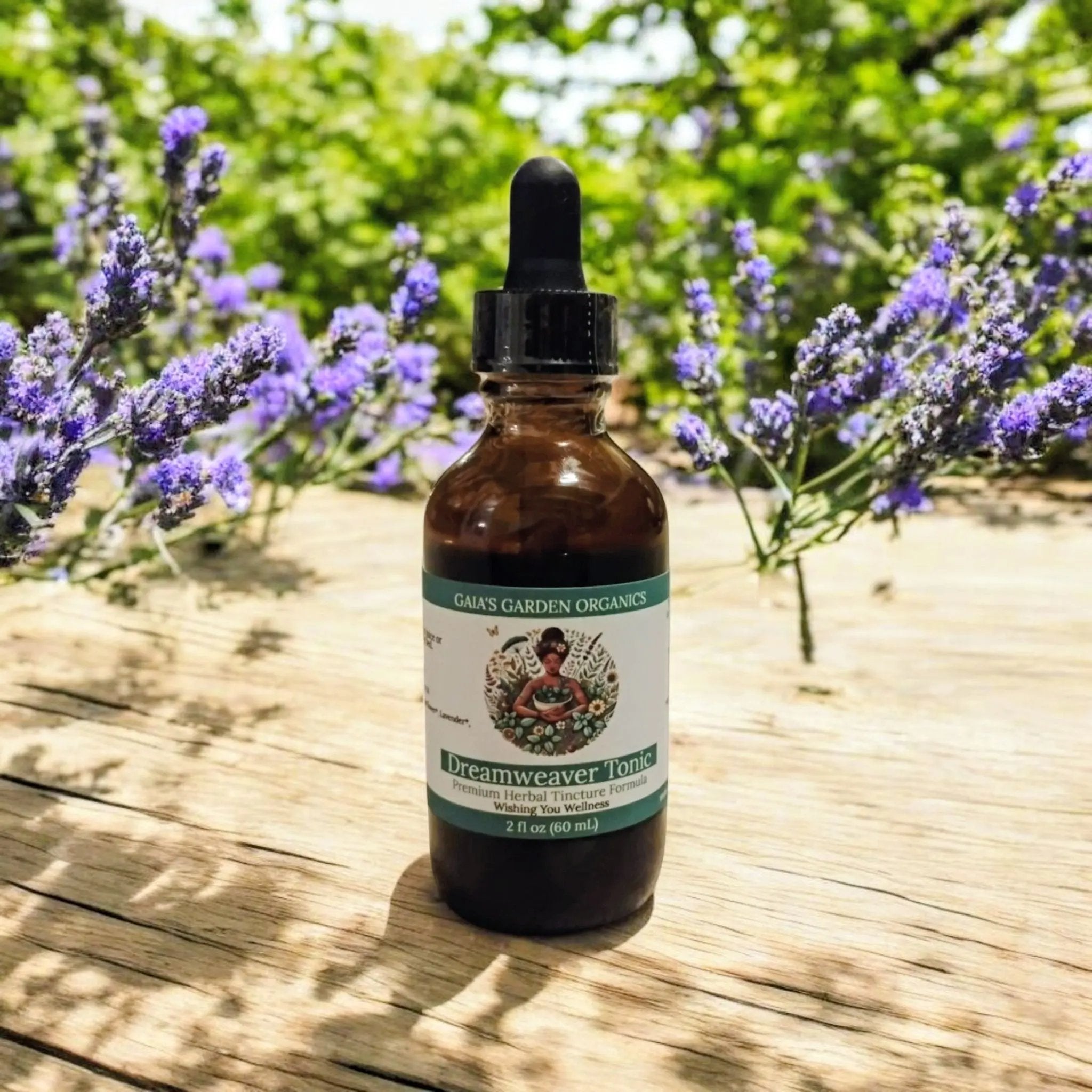
Dreamweaver Tonic
for slipping into sleep
 Bestseller
Healing Hypnotic Herbal Tea
for the busy-mind bedtime
Explore our apothecary
Learn more
Flower Essences 101
A clinical herbalist's plain-English guide to what flower essences are and how to take them.
Find your match
The Anxiety-Type Quiz
5-question clinical-herbalist diagnostic that names your anxiety pattern and matches a practice + plant pairing.
Shop the apothecary
Herbal Tinctures
Clinical weight-to-volume tinctures for nervous-system, sleep, and recovery work.
Sources & further reading
Authoritative references consulted in writing this article. Open in a new tab.
- PubMed CentralVargas-Lopez M et al., Insomnia and Morning Cortisol
- Restorative MedicineBrock C et al., American Skullcap pilot RCT
- NCCIHLavender (National Center for Complementary and Integrative Health)
- PubMed CentralJanda K et al., Passiflora systematic review for anxiety and sleep
- PubMed CentralKomori T et al., Prolonged expiratory breathing and vagal tone