In this article (9)▾
Ayurveda is the world's oldest continuous medical tradition. Its central concept, the three doshas, is a framework for understanding individual constitution: not as a personality type, but as a pattern of how your body and mind tend to function under stress and rest.
This guide is the plain-language introduction to Vata, Pitta, and Kapha, and how to use the framework to make better daily choices around food, sleep, herbs, and movement.
What a dosha actually is
A dosha is a tendency. It is not a fixed identity. Ayurveda holds that every body contains all three doshas in different proportions; the dominant one (often paired with a secondary) defines your prakriti, or constitutional baseline.
When you understand your dosha pattern, daily choices that match it tend to feel right; choices that work against it tend to create imbalance over time. That is the practical use of the framework.
The three doshas, in plain terms
Vata (air and space)
The qualities: light, dry, cold, mobile, quick, irregular. Vata-dominant people tend toward thin build, dry skin and hair, cold hands and feet, quick movements and quick thinking, variable appetite and sleep. When balanced: creative, enthusiastic, adaptable. When imbalanced: anxious, scattered, sleep-disrupted, depleted.
Vata patterns benefit from: warmth (warm foods, warm clothes, warm rooms), regularity (consistent meal and sleep times), grounding (root vegetables, healthy fats, slow movement), and quiet (less stimulation, less travel during high stress).
Pitta (fire and water)
The qualities: hot, sharp, intense, focused, driven. Pitta-dominant people tend toward medium build, warm skin, strong appetite and digestion, sharp intellect, intense ambition. When balanced: focused, courageous, productive. When imbalanced: irritable, inflamed, perfectionist, burnt out.
Pitta patterns benefit from: cooling (cooling foods, room temperatures, swimming), moderation (not over-pushing work or exercise), and softening (relaxation practices, gentle movement, less stimulation).
Kapha (earth and water)
The qualities: heavy, slow, stable, cool, smooth. Kapha-dominant people tend toward larger build, smooth skin and thick hair, slow steady metabolism, deep sleep, calm temperament. When balanced: grounded, loving, reliable, enduring. When imbalanced: sluggish, congested, depressed, stuck.
Kapha patterns benefit from: activation (warming spices, vigorous movement, variety, less heavy food), lightness (avoiding heavy fats and dairy when imbalanced), and stimulation (new experiences, dynamic practice).
How to figure out your pattern
Take the dosha quiz on our site for a rough assessment. The full clinical assessment includes body type, digestion patterns, sleep patterns, emotional tendencies under stress, and seasonal sensitivities. Most people have a dominant dosha (often paired with a secondary).
Common patterns:
- Vata-Pitta: Thin and intense. Tendency toward anxiety and burnout.
- Pitta-Kapha: Medium-strong, driven but grounded. Tendency toward inflammation and over-work.
- Vata-Kapha: Variable build, swings between scattered and sluggish.
- Tridoshic: Roughly equal balance of all three. Less common.
How to use the framework
The most useful application is daily choices. Once you know your dosha, you can read your current state, identify which dosha is currently aggravated (out of balance), and choose food, rest, and herbal support that calm the aggravated dosha while supporting your overall constitution.
For example, a Vata-Pitta person under high work stress likely has aggravated Vata (anxiety, sleep loss, scattered thinking) plus mild Pitta (irritability, intensity). The right intervention is grounding-and-cooling: warm grounding foods, regular sleep schedule, calming herbs (ashwagandha, brahmi), reduced caffeine.
A simple daily tea is one of the easiest ways to work with your pattern, and my guide to using herbal tea every day shows you how.
Herbs and dosha
Most herbs in clinical herbal medicine fit one or more dosha patterns. A few general matches:
- Vata-balancing: Ashwagandha, brahmi, jatamansi, warming spices (ginger, cinnamon).
- Pitta-balancing: Tulsi, brahmi, gotu kola, cooling herbs (peppermint, hibiscus).
- Kapha-balancing: Tulsi, ginger, turmeric, warming and activating herbs.
Tulsi is particularly versatile; it works for all three doshas in different ways. Calm Spirit Tonic (which contains tulsi plus rose, blue vervain, motherwort) is a generally Vata-balancing formula that also serves Pitta during high-stress periods.
Where to go from here
- Step 1 (free): Take the Ayurvedic dosha quiz to identify your pattern. Or match your essence in 7 questions at the essence quiz.
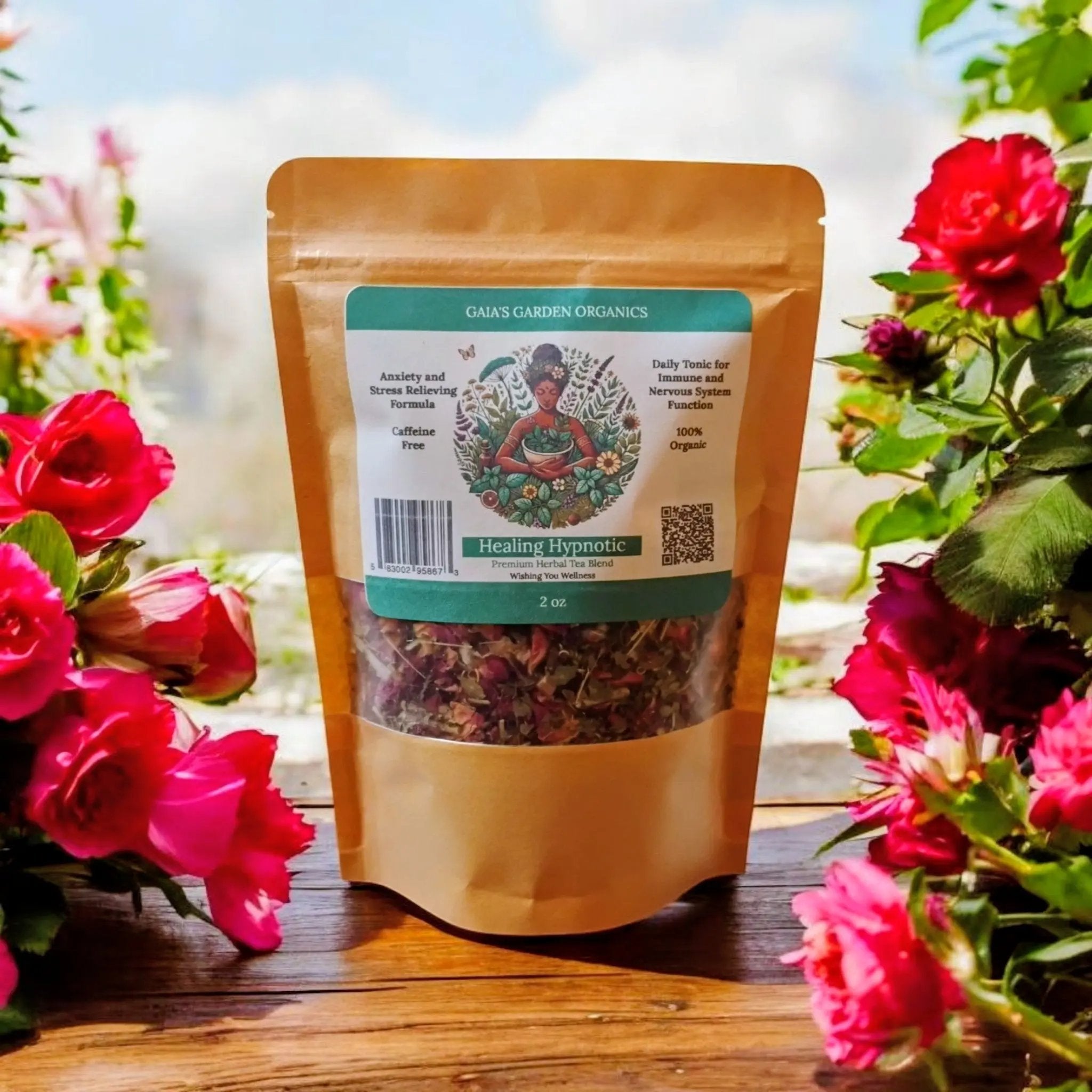
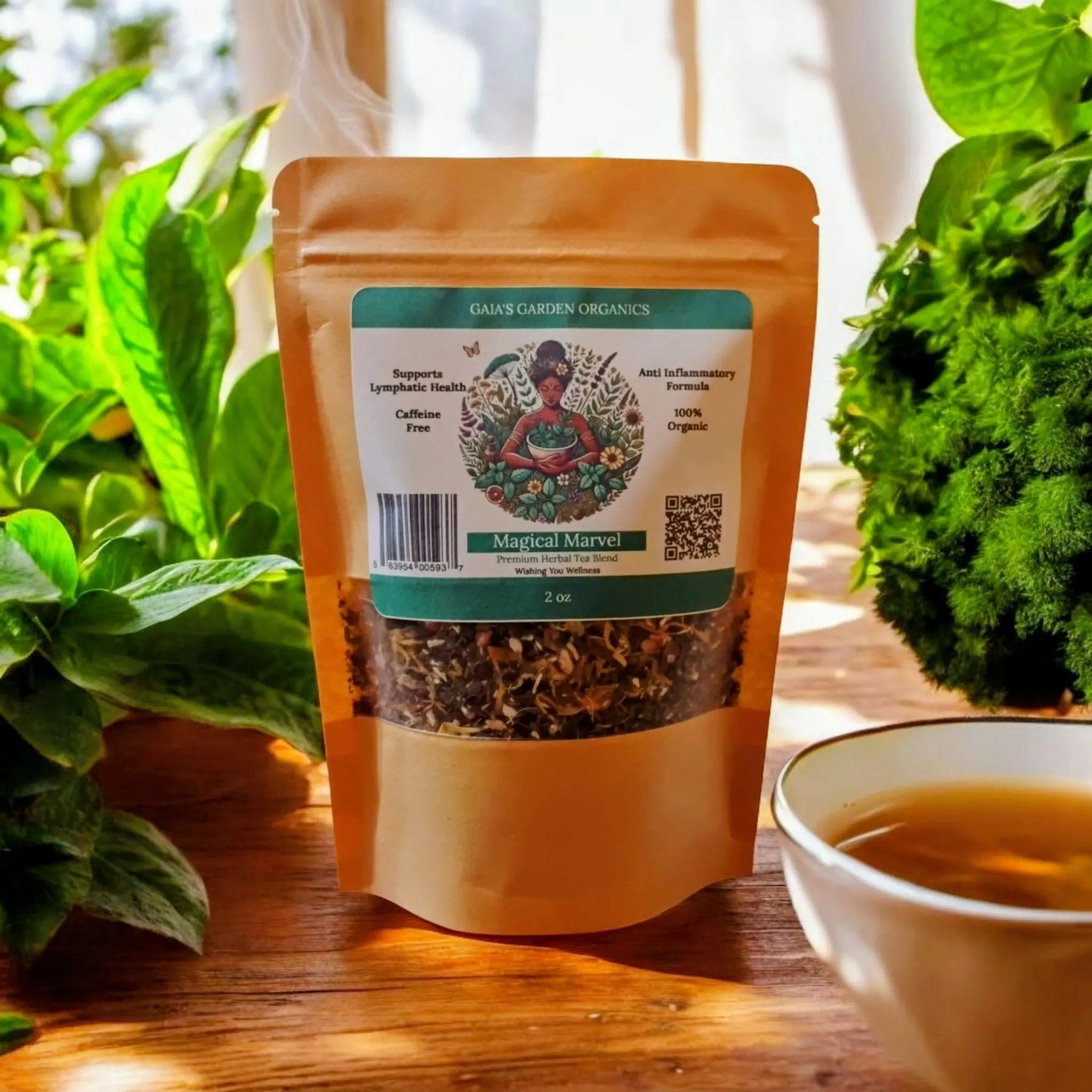
- Step 2 (30-night guarantee): Match the herbs to your dosha. Vata-leaning patterns: Calm Spirit Tonic. Pitta-leaning: Healing Hypnotic Tea, built around tulsi, the Pitta-balancing herb named above, alongside rose, passionflower, and ashwagandha. Kapha-leaning: Magical Marvel Tea and activating tonics.
- Step 3 (coming soon): Harmony Within, my Yoga Nidra book, with practices adapted to each dosha pattern.
This guide is a general introduction to Ayurvedic concepts. For deeper personal application, work with an Ayurvedic practitioner.
Frequently asked
Is my dosha fixed for life?
Your prakriti (constitutional baseline) is roughly stable, set around birth and developing into adulthood. Your vikriti (current imbalance) shifts with seasons, stress, age, and life events. The framework recognizes both: there is a stable underlying pattern and a current dynamic state. Most clinical work focuses on the current dynamic state since that's what daily choices affect.
Can I have all three doshas in equal balance?
Yes, this is called tridoshic and is uncommon but real. People with tridoshic constitution tend to be very adaptable but can also feel uncertain about which framework to apply. Generally, watch what's currently out of balance (the dosha that's loudest right now) and apply that framework first.
How is dosha different from astrology or personality type?
Dosha is rooted in observable physiological and behavioral patterns: body type, digestion, sleep, emotional tendencies under stress. It's closer to constitutional medicine than to personality typology. The framework predicts what kinds of physical and emotional patterns you're likely to develop under stress, which makes it practically useful for daily choices.
Can the framework help with a specific health issue?
Often yes, as part of broader care. For chronic anxiety, knowing whether your anxiety pattern is Vata-driven (scattered, sleep-disrupted) versus Pitta-driven (intense, perfectionist) shapes which herbs and practices fit you best. For digestive issues, the dosha pattern shapes which foods and herbs help. For severe medical issues, work with both an Ayurvedic practitioner and a conventional clinician.
Where can I learn more deeply?
Vasant Lad's books are foundational for Western readers. The Banyan Botanicals website has good plain-language introductions. For clinical-level depth, the Ayurvedic Institute (Albuquerque) and the California College of Ayurveda offer professional training. Local Ayurvedic practitioners often offer constitutional consultations.
Products from this article
Handcrafted in Umpire, Arkansas by Gaia Devi, clinical herbalist.
 Bestseller
Healing Hypnotic Herbal Tea
for the busy-mind bedtime
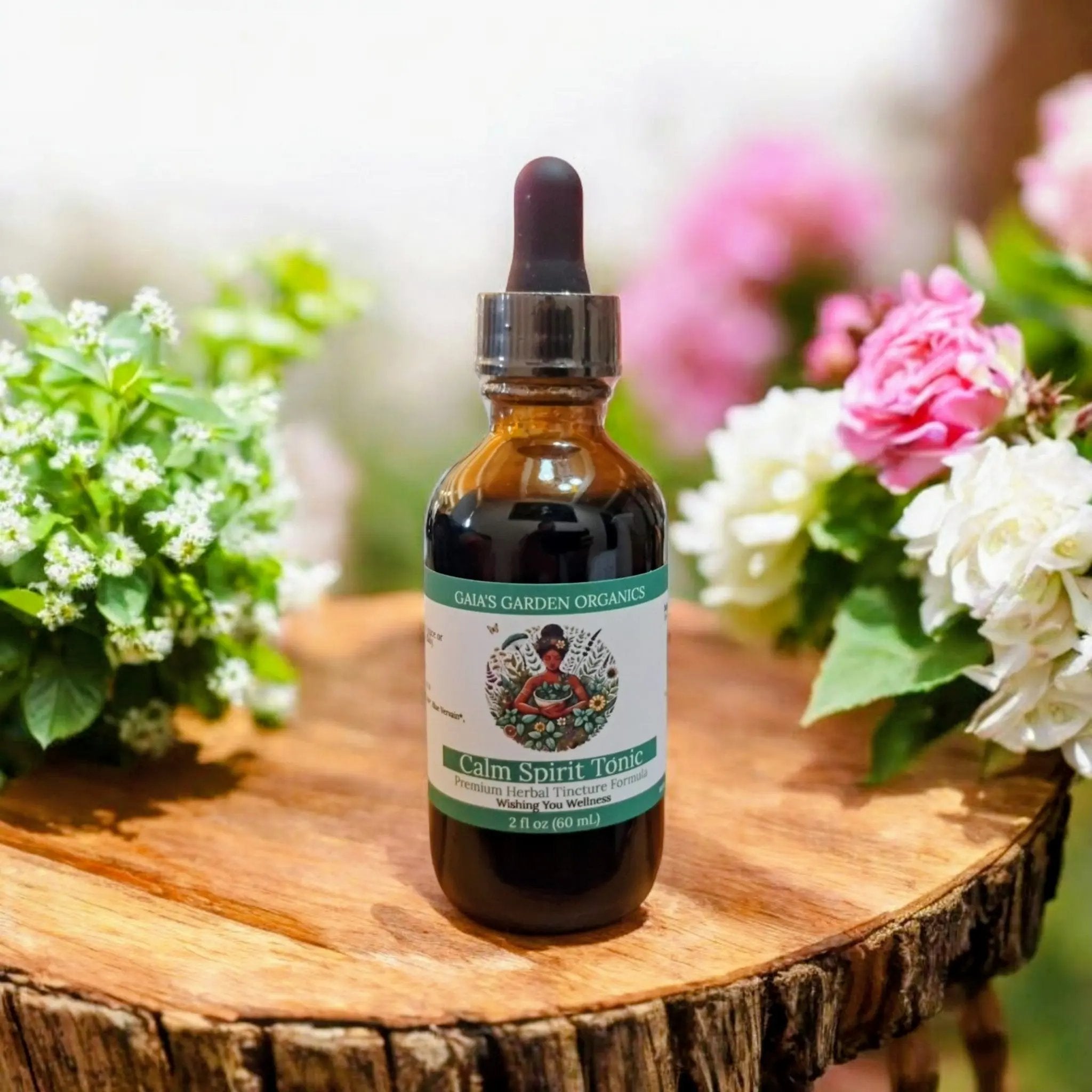
Calm Spirit Tonic
for calm and a quiet mind
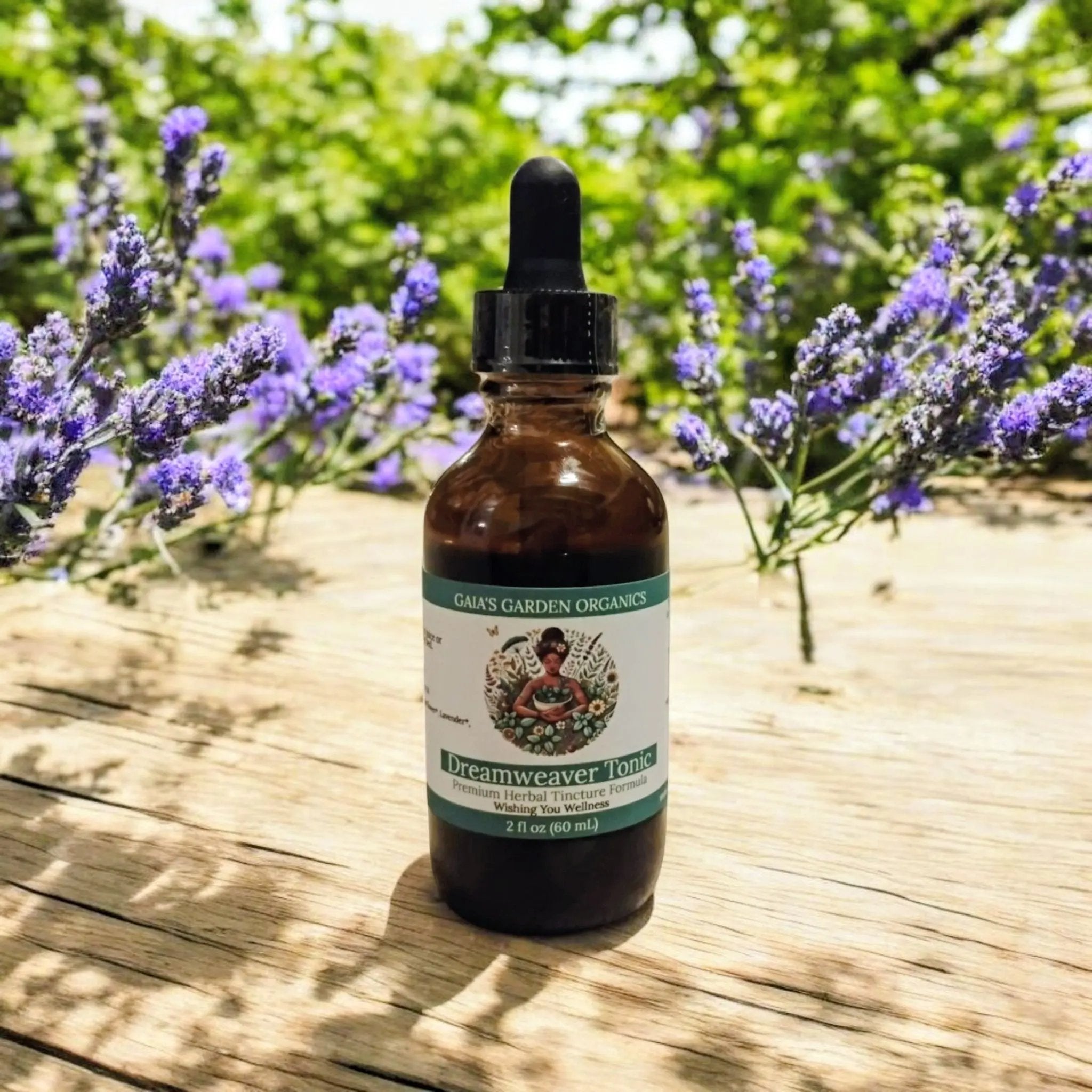
Dreamweaver Tonic
for slipping into sleep
 Sold out
Magical Marvel Herbal Tea
for everyday vitality
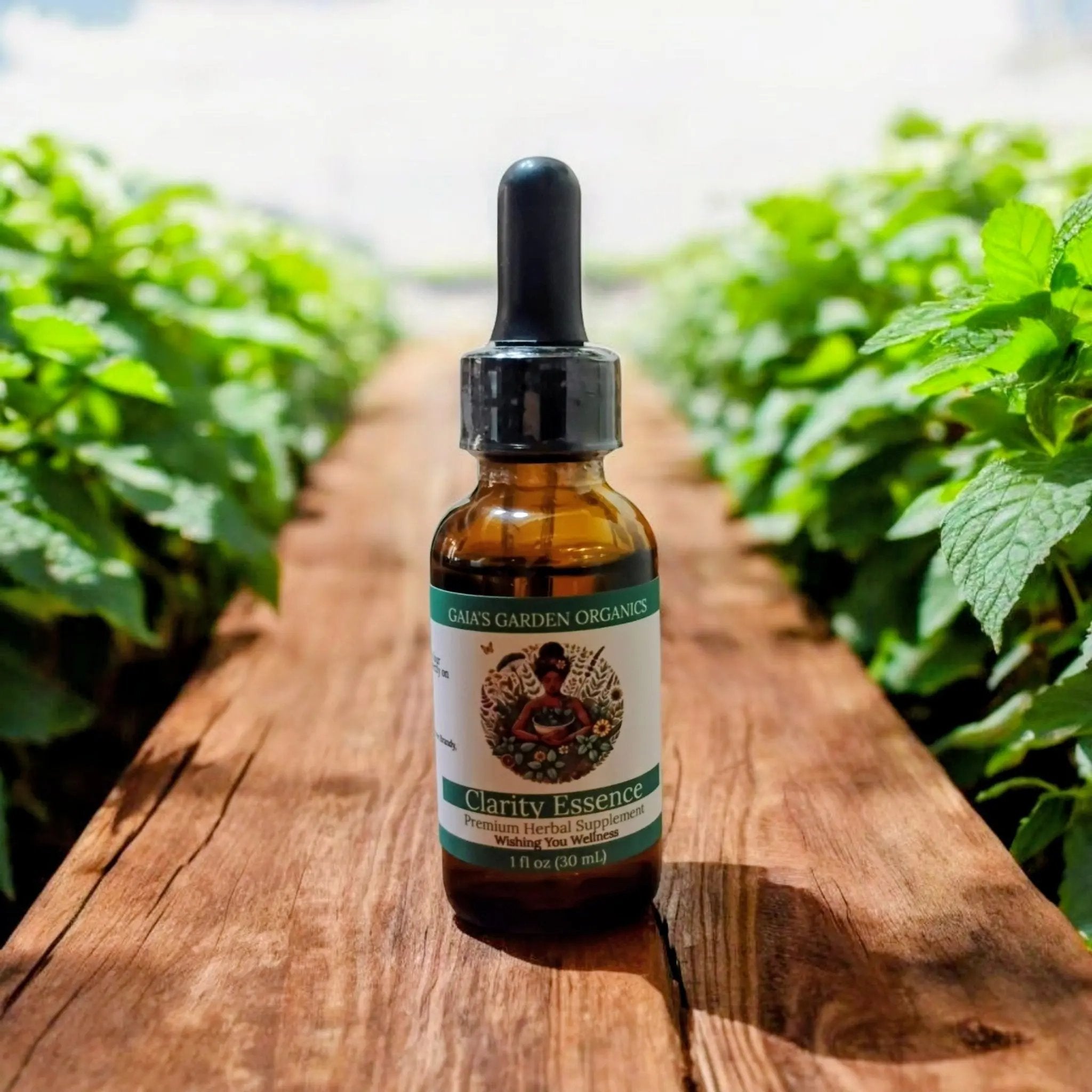
Clarity Essence - Organic Peppermint Flower Essence
for focus & mental alertness
 Bestseller
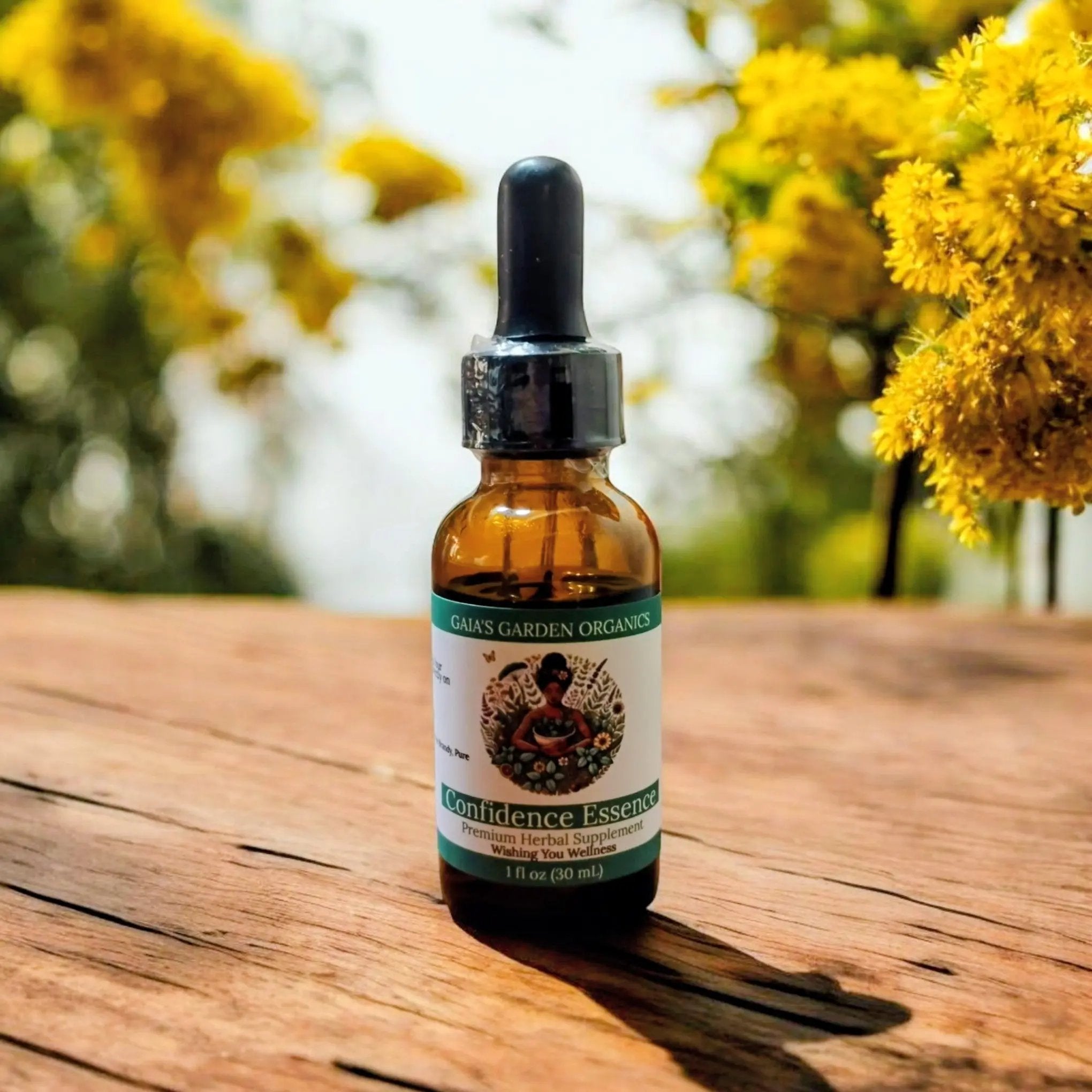
Confidence Essence - Organic Goldenrod Flower Essence
for courage & self-assurance
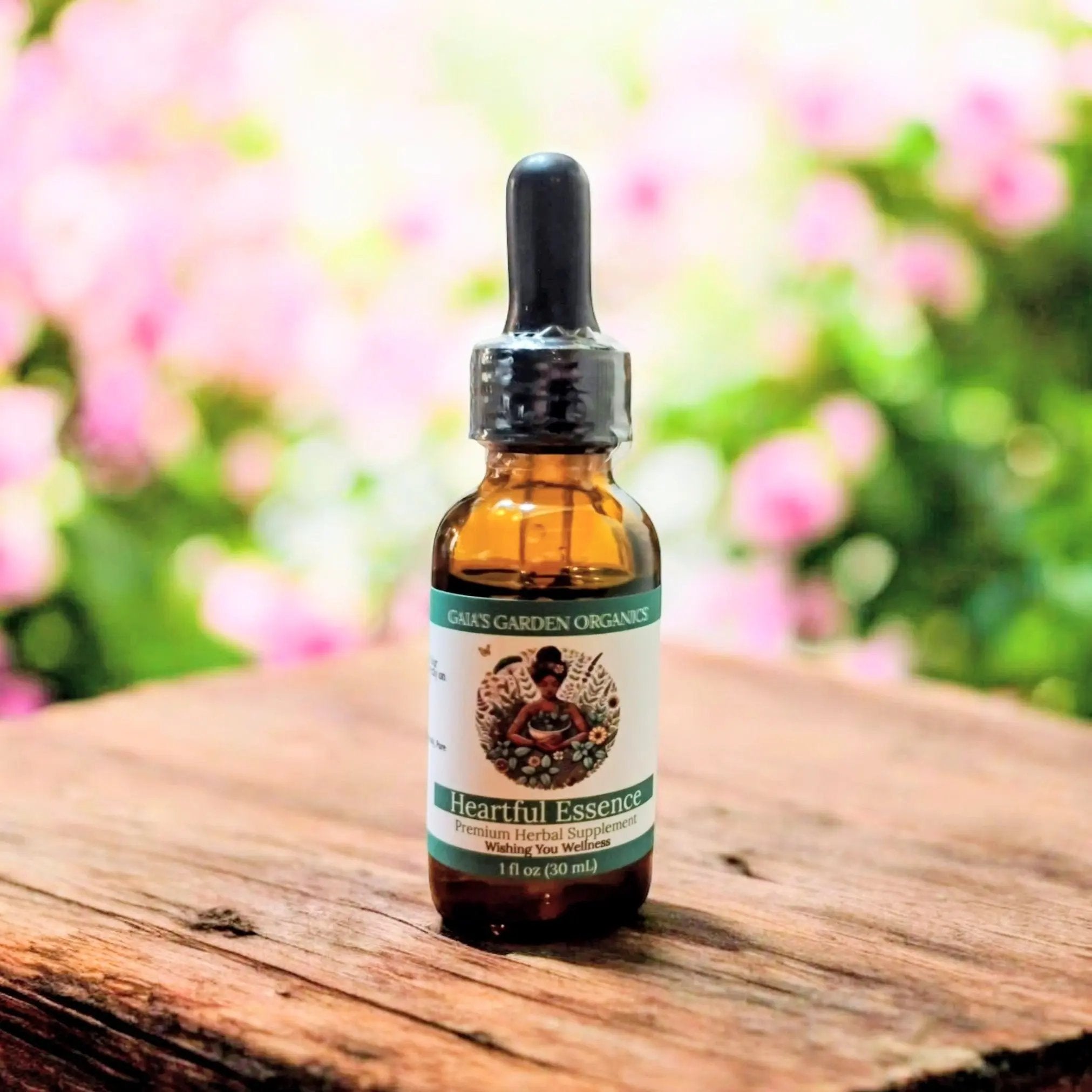
Heartful Essence - Organic Rose Flower Essence
for grief & heart-opening
 Bestseller
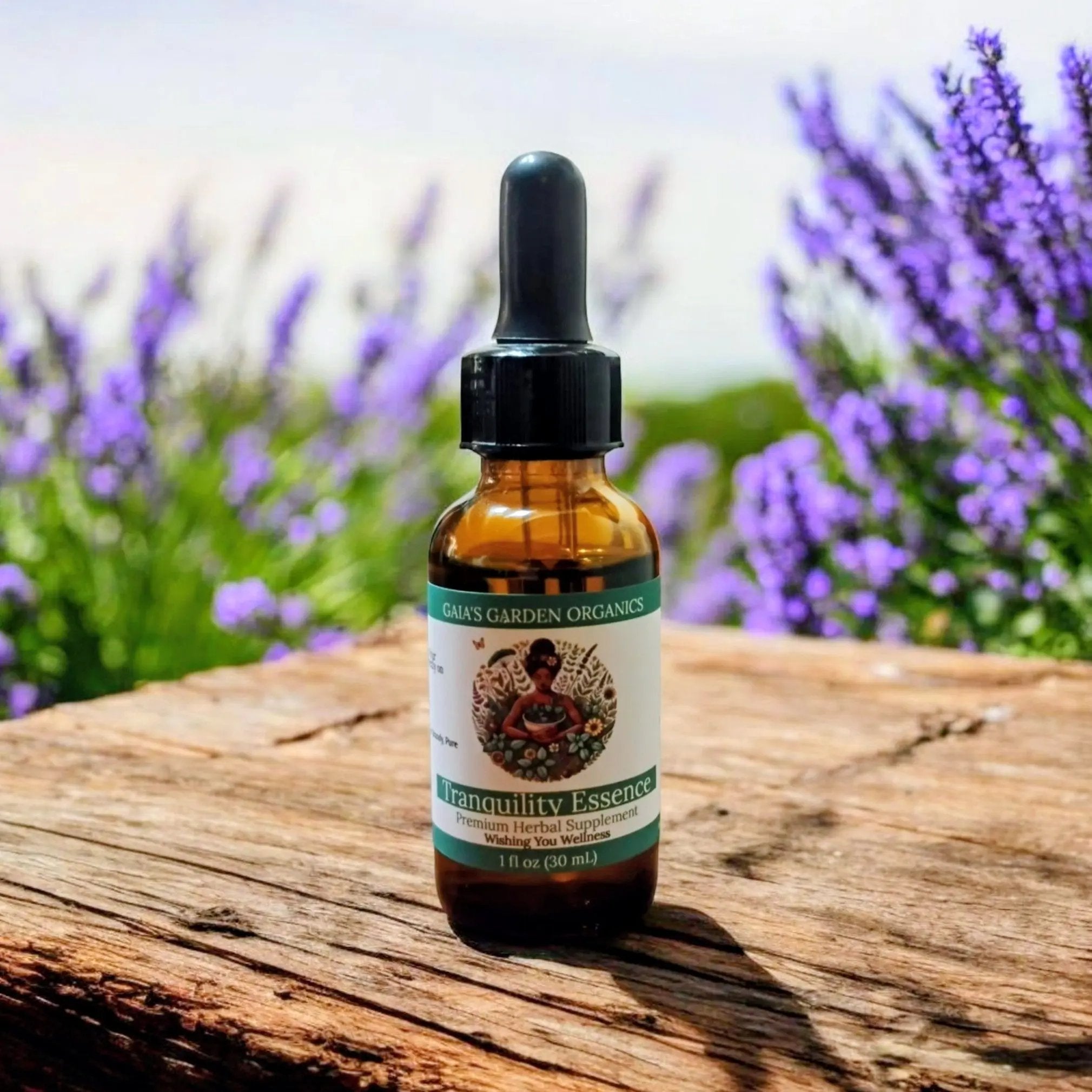
Tranquility Essence - Organic Lavender Flower Essence
for stress & anxious hearts
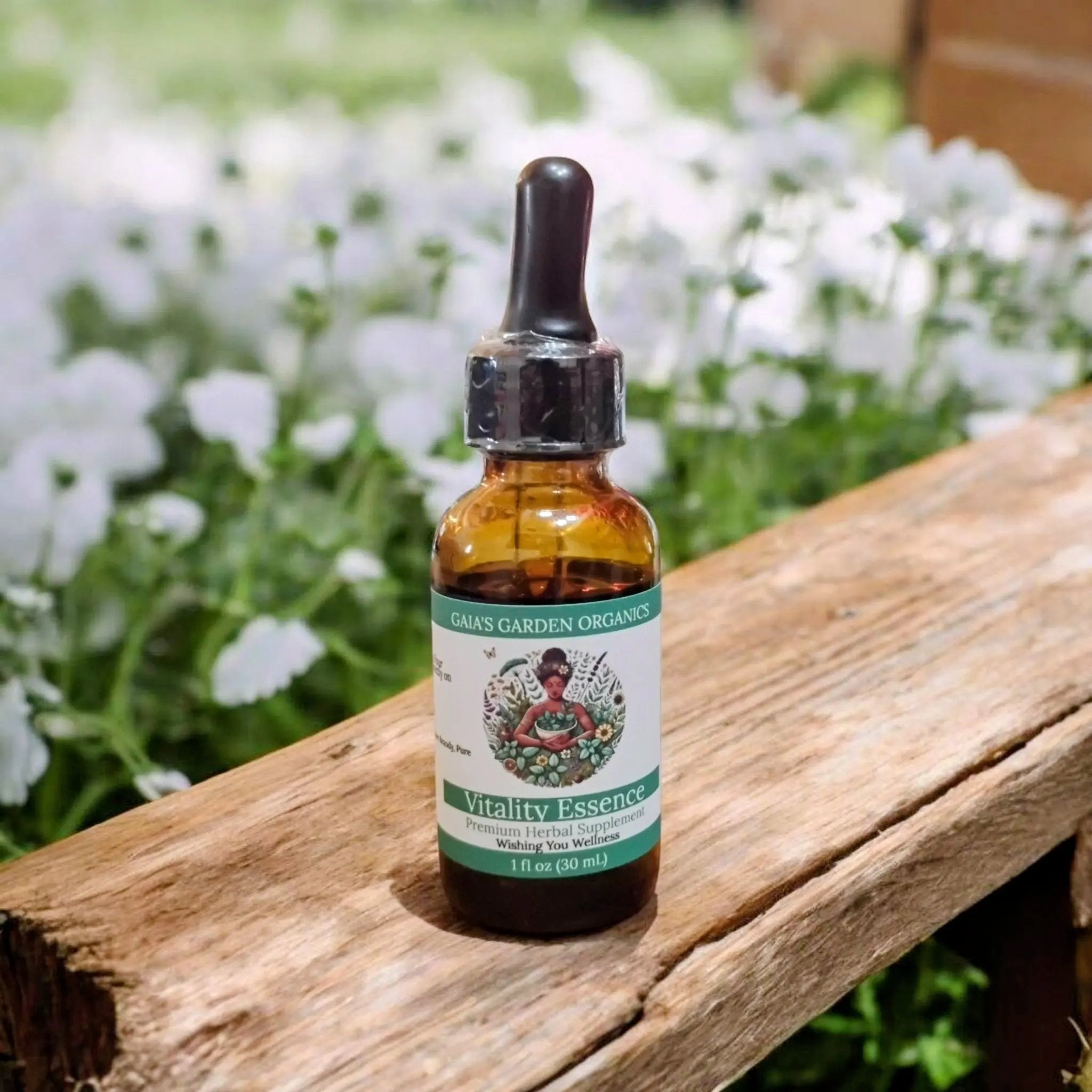
Vitality Essence - Organic Spearmint Flower Essence
for energy & renewed lightness
Explore our apothecary
Learn more
Flower Essences 101
A clinical herbalist's plain-English guide to what flower essences are and how to take them.
Find your match
What's your dosha?
12-question Ayurvedic quiz, Vata, Pitta, or Kapha, with a clinical-herbalist recommendation.
Shop the apothecary
Shop the apothecary
Every flower essence, tincture, and tea on our shelves, clinical-grade plant medicine, seed-to-bottle.