In this article (10)▾
It is 2:14 in the afternoon. You are standing in the kitchen holding a sippy cup. You walked in here for something else. You cannot remember what. The pediatrician appointment was at half past one. You had it written on the wall calendar, the phone calendar, and a sticky note on the door. You missed it anyway.
Your baby is fourteen months old. You sleep in three-hour stretches at best, on a good night, when no one is teething. You forgot your sister's birthday. You called the dog by the baby's name. Yesterday you put the cereal box in the fridge and the milk in the cupboard and you found them at 9 p.m. when you wondered why the milk tasted wrong.
What you have been told, and why it does not match
Your friends say it is just "mom brain" and laugh. Your partner says you need to sleep more, which is true but also unhelpful. Your OB at the six-week visit said it would pass. That was eight months ago. It did not pass. Your therapist screened you for postpartum depression and you scored low. You are not depressed. You are foggy. Your mood is mostly fine. Your cognition is not.
You have tried the obvious things. More sleep when you can get it (which is almost never). Coffee, which now keeps you wired but not sharp. A high-quality prenatal that you continued past pregnancy. A B-complex. Choline. Omega-3s. A nootropic powder a friend recommended. Some of those helped a little. None of them addressed what is actually happening.
The Frame Shift: Mom brain is real, measurable, and adaptive
Most people think mom brain is sleep deprivation plus distraction. Treat the sleep, and the cognition returns. That is half the picture and it leaves you feeling defective when more sleep does not actually restore your sharpness.
Actually, pregnancy and postpartum involve measurable structural and functional brain remodeling that persists for at least two years postpartum (Hoekzema et al.). Gray matter volume reduces in specific social-cognition and theory-of-mind regions, the same regions that come online for parental attunement. Up to 80 percent of pregnant and postpartum women report subjective memory complaints. Newer research reframes the pattern not as deficit but as adaptive reorganization for the work of parenting (Ettinger and Geller). The brain is not broken. It is being rebuilt around a new center of gravity.
The cognition you are missing right now is the kind that runs spreadsheets and remembers the dentist appointment. The cognition you are gaining is the kind that can tell, from across a room, that your baby is about to cry. Both are real cognitive skills. Your brain is currently prioritizing the second. That priority is not optional, and you cannot fight it by trying harder.
What the mechanism actually is
Three layers are happening at once.
One, the structural remodeling. Hoekzema's longitudinal MRI work shows pregnancy-induced changes in gray matter that persist at least two years postpartum. The reductions are not damage; they are specialization. The regions that lose volume are the regions that take on parental social-cognition duties.
Two, the sleep architecture disruption. Insana et al. document that postpartum sleep fragmentation independently predicts cognitive complaints, separate from total sleep time. It is not just the hours; it is that the hours are broken into pieces, which prevents the deep slow-wave sleep that consolidates memory. You can be in bed eight hours and still have only four hours of useful sleep.
Three, the hormonal floor. Postpartum estrogen drops by roughly 99 percent within 72 hours of delivery; prolactin elevates for as long as you nurse. The hormonal environment shapes cognition profoundly, especially for memory and word retrieval (Maki and Henderson, on perimenopausal cognition, which involves similar estrogen-withdrawal mechanisms).
The good news. Each of these is responsive to support. Not to cure (the remodeling is adaptive and you would not want to undo it), but to support. The fog softens. Cognition stabilizes around a new baseline. The slowness becomes less heavy.
Heartful Essence (rose), the foundational layer
Rose flower essence is one of the safest plant medicines we have. It has a long tradition of postpartum use across multiple herbal lineages. In Mahdood et al.'s clinical trial, rose damascena aromatherapy reduced state anxiety and improved sleep quality across surgical, obstetric, and intensive-care populations. As a Bach-method essence (no measurable plant matter, traditional brandy preservative at small doses), it is gentle enough for the most cautious nursing mothers. Four drops in the morning, four drops at bedtime. Most clients describe the effect as "more present with the baby, less reactive to the noise."
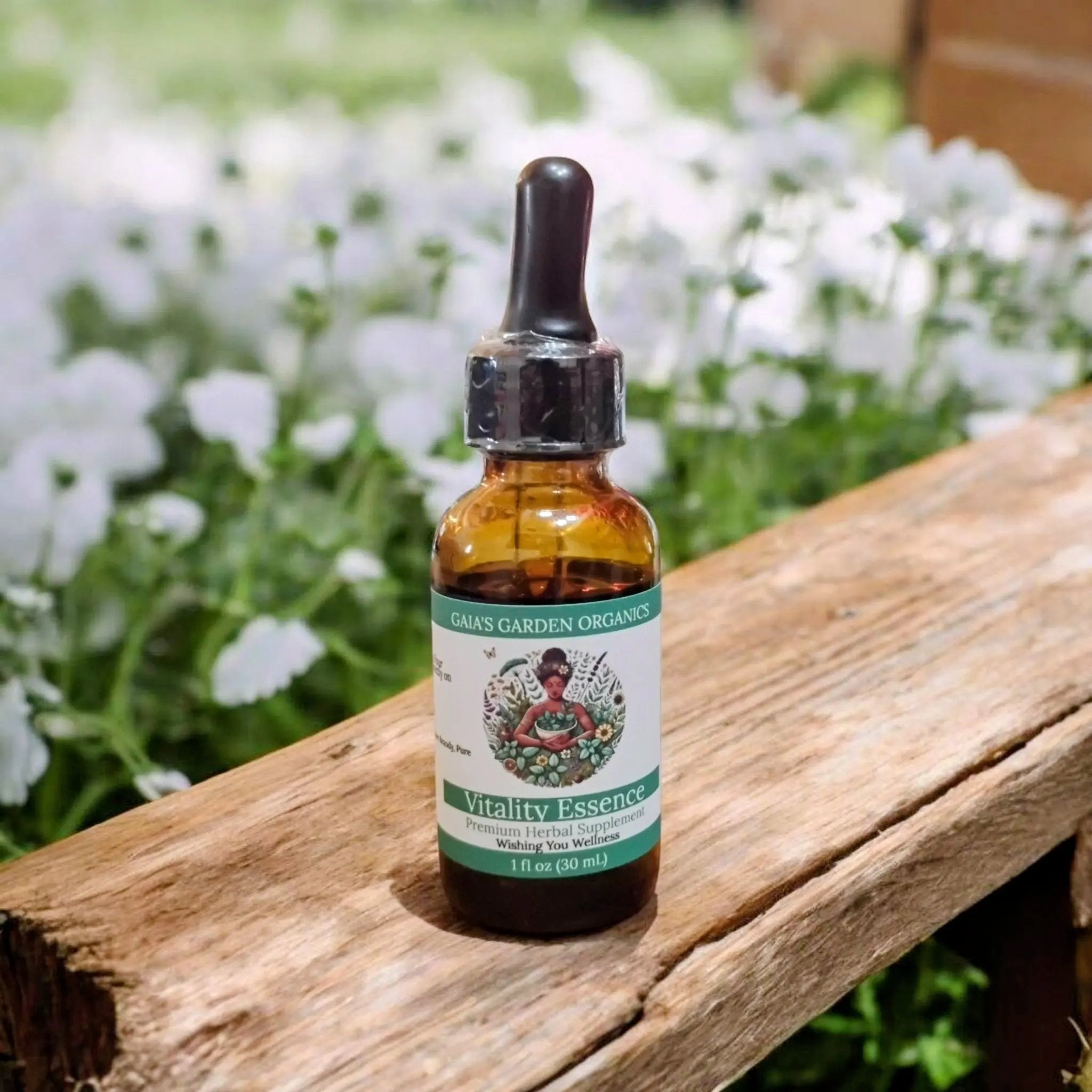
Vitality Essence (spearmint), the cognitive layer
Spearmint as flower essence is the lightest of the cognitive-support essences. It is not a stimulant. It is a vibrational anchor for the mental clearness pattern. In nursing mothers who cannot or do not want to add anything pharmacologically active, the essences are the first-call support. Vitality alongside Heartful covers the two layers (emotional and cognitive) without any active plant matter passing through milk.
Magical Marvel Tea, when essences are not enough
Once nursing is established (typically by month three or four, when you have a sense of how your baby tolerates anything you eat), a daily cup of Magical Marvel Tea adds a gentle cognitive layer through lemon balm and spearmint. Lemon balm has a long traditional use for cognitive support and a clinical signal for working memory; it is also generally considered compatible with lactation. Consult your healthcare provider for your specific situation.
The mom-brain protocol
This is what I give clinic clients in the postpartum cognitive-hangover window. It is shaped around the reality of your day, which is that you have ten free minutes and a baby asleep on your chest.
Day 1, the nap-time Yoga Nidra Body Scan (Annamaya Kosha (ah-nah-MAH-yah KOH-shah)). When the baby naps, do not start the laundry. Set a 20-minute timer. Lie down. Bring your attention slowly through the body, beginning with the right hand: the thumb, the index, the middle, the ring, the little, the palm, the wrist, the forearm, the upper arm, the shoulder, the collarbone. Then the right side of the torso, the right hip, the right leg. Repeat on the left. Then the head and face. This is the body-scan section of Yoga Nidra. Twenty minutes of supported rest is documented to substitute partially for missing sleep (Ghai et al., on Yoga Nidra and stress recovery). The baby will sleep longer than you think. If they wake at minute 14, you will have had 14 minutes of deep rest.
Day 2, the Sankalpa (SAHN-kahl-pah). Sankalpa is a single-sentence intention, present tense, in the affirmative. Examples for this audience: "I am a clear and steady mother." "My mind is enough." "I am whole." You write yours once. You speak it silently three times: morning, mid-day, before bed. Across 30 days, the Sankalpa becomes a quiet interior anchor for an identity that is still consolidating around the new motherhood. This is from Chapter 2 of Gaia's Harmony Within.
Day 3, the Long-Exhale Breath (Vishama Vritti (vee-SHAH-mah VRIH-tee)). When the noise gets too high (baby crying, dog barking, doorbell, your own head loud), do the breath where the exhale runs twice as long as the inhale. Inhale through the nose, quiet and easy, to a count of 4. Exhale through the nose, quiet and easy, to a count of 8. One round. Do ten. About 90 seconds. The mechanism is direct vagal calming, and the practice is discreet enough to do while holding a baby. The chest softens by round five and the body comes back. This is your emergency tool.
Day 4 and 5, integration. Pick the two practices that landed. The Body Scan if you have ever gotten 20 minutes of nap-time peace; the Sankalpa, which fits any day. Make them daily for 30 days. The fog softens. The cognition stabilizes. The brain finishes its remodeling on its own timeline.
Why this works (the citations)
Hoekzema's longitudinal MRI work establishes that pregnancy-induced brain changes persist at least two years postpartum. The Ettinger and Geller paper reframes those changes as adaptive specialization rather than deficit, which is the frame that lets you stop fighting your own brain and let it finish what it is doing. Insana et al. document the cognitive cost of fragmented postpartum sleep and the partial recovery available from cumulative short rest periods, which is the mechanism the Yoga Nidra Body Scan leverages. Mahdood et al.'s rose damascena trial shows clinical signal for anxiety reduction and sleep-quality improvement across obstetric populations. The ACOG postpartum resources confirm the range of what is normal and what crosses into clinical care territory.
A separate clinical observation worth naming. In my own practice, the postpartum cognitive complaints that respond fastest to this protocol are the ones where the mother stops measuring her cognition against her pre-pregnancy self. The mother who keeps comparing her current memory to her 2019 memory stays in a loop of self-criticism that itself depletes attention. The Sankalpa works because it offers a new measure: not "am I as sharp as I used to be," but "am I clear and steady today." That reframing is a piece of the medicine. The herbs and the practices and the slow brain remodeling all do their part. The reframing is what lets the recovery feel like progress instead of grief.
When this is not the right protocol
The protocol is for the typical postpartum cognitive pattern: forgetfulness, word-finding lapses, slow mental switching, in a mother whose mood is mostly intact. There are presentations that need clinical care first.
- Persistent low mood, hopelessness, or loss of interest beyond two weeks postpartum, with the symptoms not improving on their own.
- Intrusive thoughts about harm coming to your baby, especially if the thoughts feel like a compulsion you cannot stop.
- Thoughts of harming yourself or thoughts that your family would be better off without you.
- Symptoms that look like postpartum psychosis: delusions, hallucinations, paranoia, severe confusion. These are a medical emergency.
- Cognitive complaints that have a clear medical driver (postpartum thyroiditis, severe iron deficiency, sleep apnea triggered by postpartum weight changes).
If any of these are part of your picture, please reach out to your OB, midwife, or mental-health provider, or call the Postpartum Support International helpline at 800-944-4773. The protocol below is a useful complement to clinical care, never a replacement for it.
Where to go from here
- Step 1 (free): The 5-Day Mental Clarity Reset PDF, a clinical-herbalist guide for the postpartum cognitive pattern. Get the protocol.
- Step 2 (30-night guarantee): Heartful Essence and Vitality Essence, the matched plant medicine for the gentle postpartum window. Heartful Essence for the emotional and presence layer; Vitality Essence for the cognitive layer. Once nursing is well-established, Magical Marvel Tea adds a gentle daily cognitive cup. Please consult your healthcare provider for your specific lactation situation.
- Step 3 (coming soon): Harmony Within, my Yoga Nidra book. Thirty full guided scripts including the body-scan and Sankalpa sessions used in this protocol.
This guide is for general postpartum support and is not a substitute for medical or psychological care. If you are experiencing persistent low mood, hopelessness, intrusive thoughts, or thoughts of harming yourself or your baby, please reach out to your OB, midwife, or mental-health provider. The Postpartum Support International helpline is 800-944-4773.
Looking for the broader context? Flower Essences 101 covers the Bach method and how to choose between the five active essences we make.
PS: If you have intrusive thoughts, persistent low mood, or thoughts of harming yourself or your baby, this protocol does not replace clinical care. Call your OB or midwife, or text the Postpartum Support International helpline at 800-944-4773. The protocol below is for the cognitive pattern, not for postpartum depression or anxiety, which are clinical conditions and respond to clinical care. You can do both.
Frequently asked
How fast does this actually work?
The 5-4-3-2-1 (Pratyahara Reversed) anchors you back into the body inside 90 seconds; you can feel it the first time. The 20-minute nap-time Yoga Nidra Body Scan produces measurable rest recovery on its first use. The deeper baseline shift (the fog softening, the cognition stabilizing) builds over 30 days of the Sankalpa and Body Scan practiced daily. The structural brain remodeling from pregnancy itself continues on its own two-year timeline, and that is adaptive, not pathological.
I am still nursing. Is any of this safe?
The Yoga Therapy practices (Body Scan, Sankalpa, 5-4-3-2-1) are pharmacologically inert and completely safe at any postpartum stage. The flower essences (Heartful rose, Vitality spearmint) are at very small doses of brandy preservative and are the safest first-call herbal support in our apothecary; they have a long traditional use during nursing. Magical Marvel Tea contains lemon balm and spearmint, which are generally considered compatible with lactation, but introduce any new herb once you have a sense of how your baby tolerates new foods through your milk, typically not before month three or four. Always consult your healthcare provider for your specific situation.
How is this different from a prenatal vitamin or nootropic powder?
Prenatal vitamins replace nutrients that pregnancy and nursing pull from your body; they are essential and you should continue yours. Nootropic powders target stimulation, which works against the postpartum nervous system that is already overstimulated by broken sleep. The protocol works on rest recovery (the Body Scan) and identity consolidation (Sankalpa) and emotional baseline (the essences), which is what the postpartum brain is actually asking for. The two approaches are not in conflict; you can do both.
Will I ever get my old brain back?
Honest answer: not the same brain you had before pregnancy. The remodeling is real and persistent. What you will get is a new baseline that includes the specialized social-cognition gifts of motherhood and a return of much of the executive function you are missing right now, on the brain's own remodeling timeline (up to two years postpartum, sometimes longer). The protocol supports the recovery. It does not reverse the adaptation, and you would not want it to.
What if it does not work for me?
Two paths. First, reply to any of the protocol emails. Postpartum cognitive complaints have subtypes (sleep-driven, hormonal, mood-shaded, processing-speed-dominant), and a small tweak often unlocks the right entry point. Second, the products in the matched stack carry our 30-night satisfaction guarantee. If the essences and tea do not work for you, full refund, no questions. If your cognitive complaints persist past six months with consistent practice, please ask your OB about a thyroid panel, ferritin, vitamin B12, and a depression screen; postpartum thyroiditis and iron-deficiency cognitive complaints are common and treatable.
Products from this article
Handcrafted in Umpire, Arkansas by Gaia Devi, clinical herbalist.


Explore our apothecary
Learn more
Postpartum Herbal Support
Gentle herbal support for the fourth trimester, with a prominent midwife-consult caveat.
Find your match
The Clarity-Type Quiz
5-question clinical-herbalist diagnostic for the overstimulated knowledge worker. Matches a focus practice + plant pairing to your fog pattern.
Shop the apothecary
The 6-Week Postpartum Recovery Kit
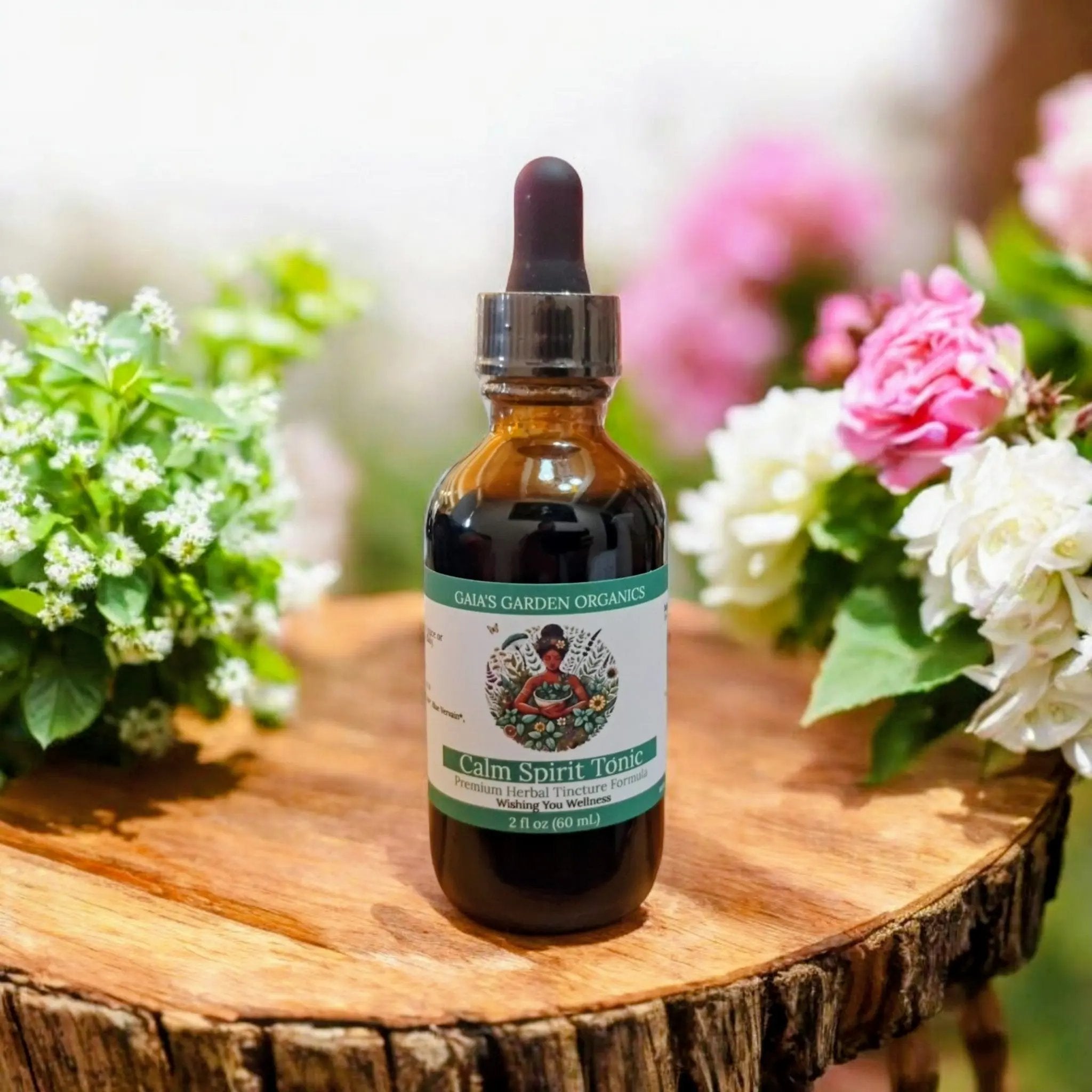
Heartful and Tranquility essences plus Calm Spirit Tonic, our three-piece postpartum kit.
Sources & further reading
Authoritative references consulted in writing this article. Open in a new tab.