In this article (7)▾
Mullein has become a social-media wellness darling, with viral videos claiming it "cleanses the lungs," reverses years of damage, and replaces medical treatment for respiratory conditions. As a clinical herbalist who has used mullein for years, I can say the herb is real and useful. The viral claims overshoot in some directions and miss what actually makes mullein effective in others.
This guide is the honest breakdown.
Before we get into mullein specifically, it helps to know how herbal teas actually work in the body.
What mullein actually is
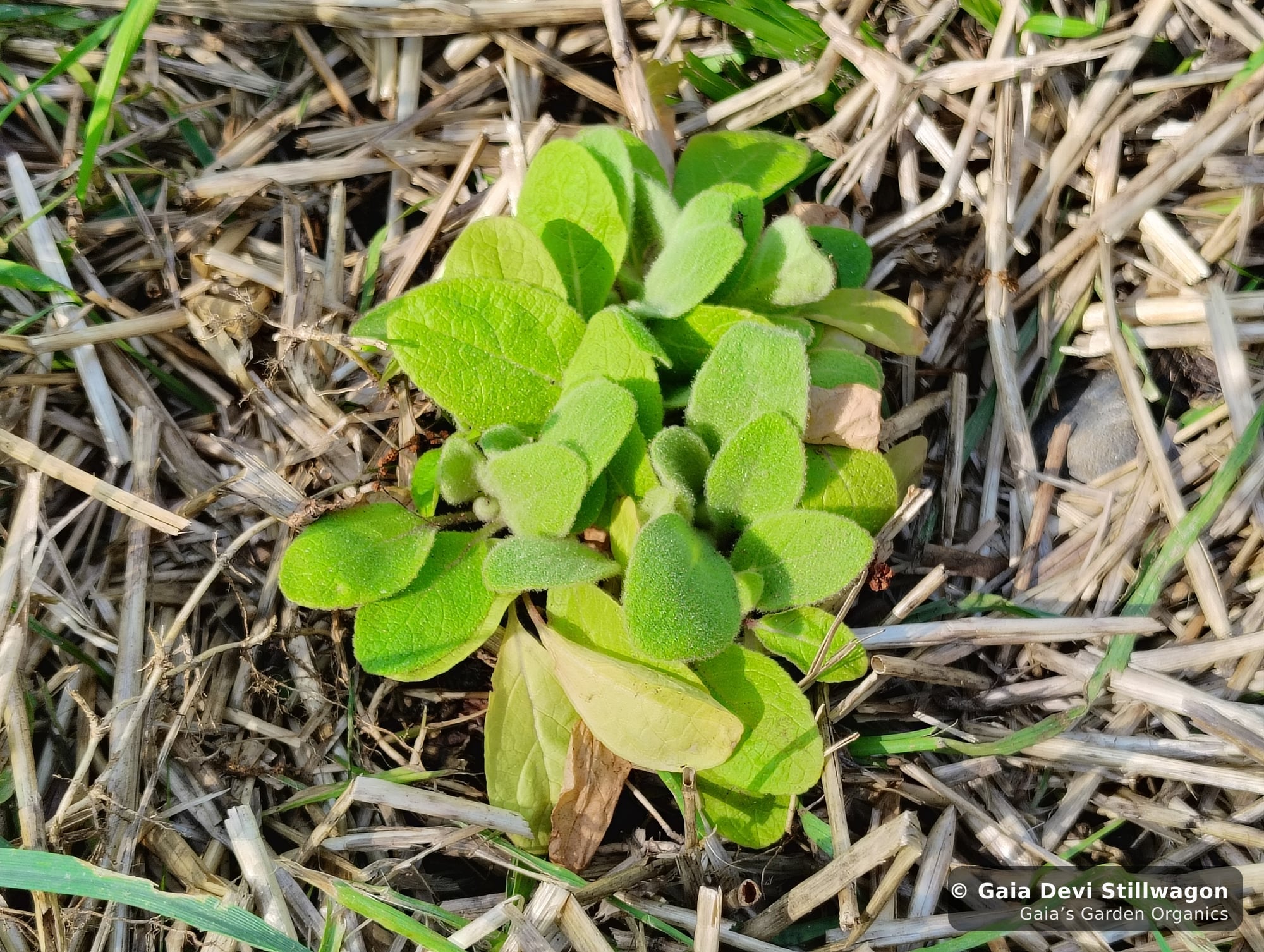
Mullein (Verbascum thapsus) is a biennial plant that grows wild across much of North America and Europe. The fuzzy gray-green leaves and tall yellow flower spikes are the parts used medicinally. Traditional use in American eclectic herbal medicine spans nearly 200 years for respiratory conditions.
The active components: mucilage (a soothing polysaccharide that coats irritated mucous membranes) and saponins (which help loosen and move congestion).
What mullein actually does
- Demulcent action: Soothes dry, irritated mucous membranes in the throat and bronchi. Real, observable, well-documented.
- Mild expectorant action: Helps loosen and clear congestion in the upper respiratory tract. Useful for the productive-cough phase of cold and flu.
- Gentle anti-inflammatory action: Modest reduction in inflammatory response in airway tissue.
- Traditional pediatric and respiratory tonic: Safe for children at adjusted doses; gentle enough for daily use.
What mullein does not do
- It does not "cleanse" or "detox" your lungs in any literal sense. Your lungs have built-in clearance mechanisms (cilia, macrophages); they don't need external cleansing.
- It does not reverse smoking damage or repair tissue scarring. Tissue damage healing depends on time, smoking cessation, and overall health; mullein can support the process but does not drive it.
- It does not replace asthma medication or treatment for COPD. The herb is supportive; primary respiratory care is medical.
- It does not cure chronic respiratory conditions in 30 days as the more enthusiastic social media claims suggest.
How to actually use mullein
- Standard infusion: 1-2 teaspoons of dried mullein leaf per cup of just-boiled water. Steep 10-15 minutes covered. Strain carefully through fine mesh or cheesecloth (the leaf hairs can irritate the throat if not strained).
- Daily for chronic respiratory support: One cup daily for 4-8 weeks. The benefit builds across weeks.
- Acute for cold or flu: Two to three cups daily during the acute respiratory phase.
- For chronic mild respiratory irritation: Combine with marshmallow root (more demulcent action), thyme (more antimicrobial), and elderflower (upper-respiratory).
What this is not for
- Severe asthma, COPD exacerbation, pneumonia, or severe respiratory illness. Medical care.
- Smoking cessation. Mullein does not help you quit smoking; quitting requires its own protocol.
- Persistent cough beyond 3-4 weeks. Get a medical evaluation; chronic cough has many causes.
The honest summary
Mullein is a real, well-established respiratory herb that has been in clinical herbal medicine for centuries. The viral claims overshoot what it actually does, which then sets people up for disappointment when "lung cleansing" doesn't happen. The herb is useful for what it actually does: soothing irritated respiratory mucous membranes, gentle expectoration, daily tonic support during respiratory-challenging seasons.
Use it for the patterns it suits. Skip the marketing claims about miracle cleansing. The herbal-medicine reality is more interesting and more practical than the social-media version.
Where to go from here
- Step 1 (free): Match your essence in 7 questions. Take the essence quiz.
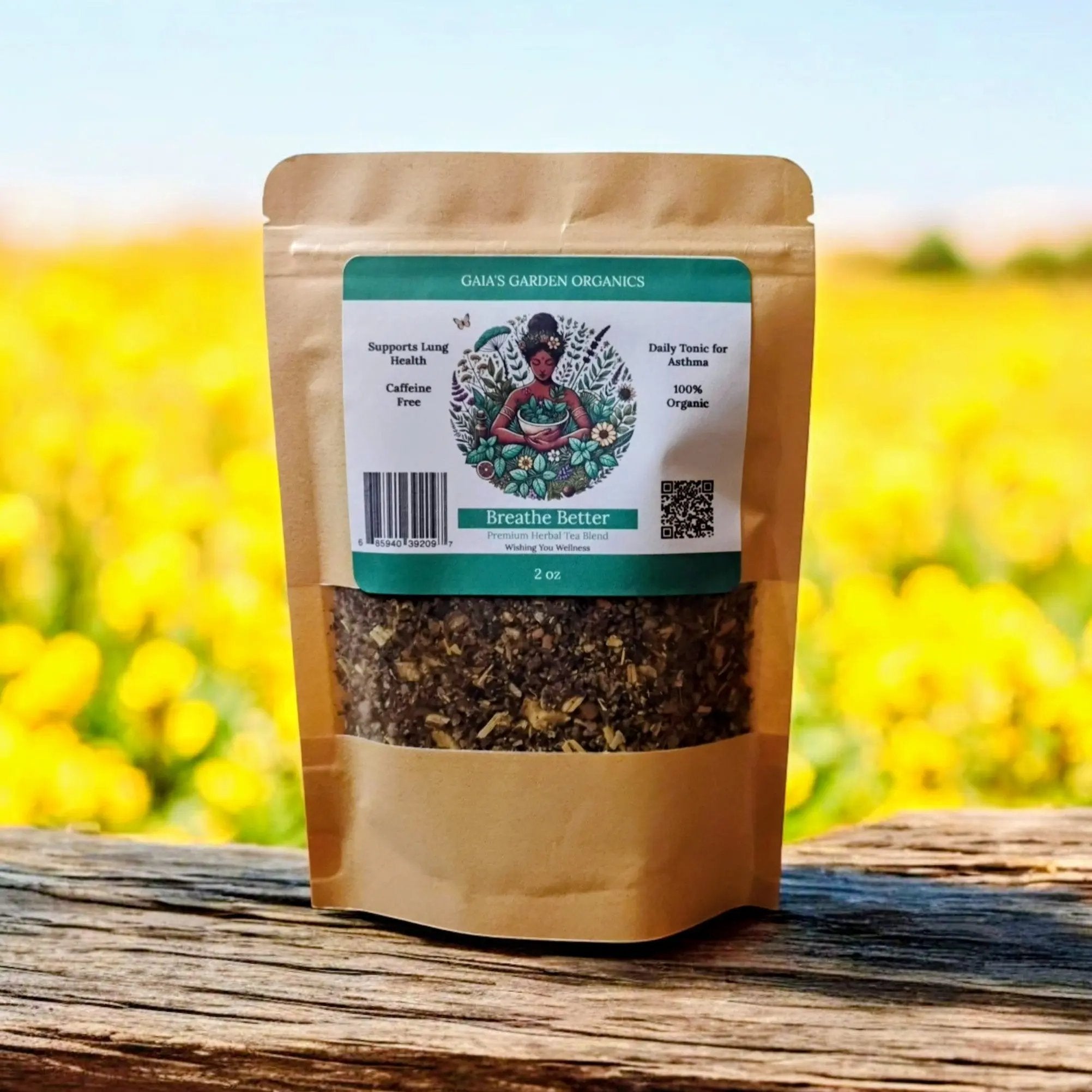
- Step 2 (30-night guarantee): Breathe Better Herbal Tea contains mullein alongside marshmallow root, thyme, and elderflower, the full respiratory framework rather than mullein alone.
- Step 3 (coming soon): Harmony Within, my Yoga Nidra book.
This guide is general respiratory-wellness education. Severe or persistent respiratory symptoms need medical evaluation.
Frequently asked
Will mullein help me quit smoking?
Not directly. Mullein supports respiratory mucous membranes and can soothe the cough that often accompanies the first weeks of smoking cessation, but it does not address the nicotine addiction or behavioral patterns that drive smoking. Quitting requires its own protocol (medical support, behavioral change, and often pharmacological aids); mullein can be supportive during the respiratory recovery phase.
Can I smoke mullein leaves?
Yes, and traditional use included smoked mullein for acute respiratory symptoms. However, smoking any plant material introduces combustion products to the lungs you're trying to support. For respiratory benefits without combustion exposure, tea is the preferred route. Vaporizing dried mullein is sometimes recommended as an alternative; the evidence base there is thin.
How long until I see lung benefits?
For acute respiratory symptoms (cough, congestion, sore throat), within 30-60 minutes of a strong cup. For chronic mild respiratory irritation, 2-4 weeks of daily use builds noticeable baseline support. For long-term lung health, the cumulative benefit builds across months; the herb is supportive, not transformative on a short timeline.
Is mullein safe with my asthma inhaler?
Generally yes. Mullein has no documented interactions with bronchodilator inhalers (albuterol) or steroid inhalers (fluticasone, budesonide). Many of my clinic clients with mild stable asthma use daily mullein tea alongside their prescribed inhalers. Never adjust asthma medication without your pulmonologist; the tea is adjunct support.
What's the right dose if I have chronic respiratory issues?
One to two cups daily of strong mullein tea (1-2 teaspoons of dried leaf per cup, steeped 10-15 minutes, strained) for 4-8 weeks before evaluating. For chronic issues, combine with other respiratory herbs (marshmallow root, thyme, elderflower) rather than mullein alone; the combination works the multiple layers of the chronic-respiratory picture together.
Products from this article
Handcrafted in Umpire, Arkansas by Gaia Devi, clinical herbalist.
Explore our apothecary
Learn more
Flower Essences 101
A clinical herbalist's plain-English guide to what flower essences are and how to take them.
Find your match
Browse the Free Practice Library
8 pattern-matched archetype entry points (sleep, anxiety, tension, heart, inner quiet, clarity, boundary, spark), each as a 5-question quiz, a 3-day mini-course, or a one-tap interactive tool.
Shop the apothecary
Medicinal Herbal Teas
Loose-leaf, clinical-herbalist-blended teas, each built around a specific job.
Sources & further reading
Authoritative references consulted in writing this article. Open in a new tab.
- PubMed (Turker & Camper, 2002)Biological activity of common mullein, a medicinal plant
- PubMed (review, 2022)Health-promoting and disease-mitigating potential of Verbascum thapsus L. (common mullein): A review
- PMC (folk medicine review)Searching for Scientific Explanations for the Uses of Spanish Folk Medicine: A Review on the Case of Mullein (Verbascum)
- NCCIHHerbs at a Glance (per-herb safety and evidence)
- Chestnut School of Herbal MedicineFlowering Herbs (article archive)