A pillar guide
Herbal Teas 101
A clinical herbalist’s plain-English guide to what herbal tea is, how it differs from tinctures and grocery tea bags, how to brew it for full medicine, and which herbs help which body systems.
By Gaia Devi Stillwagon, clinical herbalist · Updated May 2026
What is herbal tea?
Herbal tea, technically called a tisane, is a hot-water infusion of dried or fresh plant material that is not the tea plant (Camellia sinensis). It can be made from leaves, flowers, roots, bark, seeds, or fruit, and the plant kingdom has thousands of options. Most herbal teas are caffeine-free unless they include yerba mate, guayusa, or a similar caffeinated herb.
The infusion itself is one of the oldest forms of medicine known to humans. Boiling water is a remarkable solvent: it pulls flavonoids, mineral salts, mucilage, water-soluble alkaloids, and the volatile oils that give a herb its fragrance, all into a single warm cup. Every traditional culture that had access to fire and water developed a tea practice around the plants that grew nearby.
In Western clinical herbalism today, herbal tea is the most approachable preparation in the apothecary. It pairs the medicine with a few minutes of intentional pause, it hydrates while it works, and it carries the kind of broad, gentle plant chemistry that meets the body in a slow and cumulative way.
How is herbal tea different from black, green, or oolong tea?
Black, green, oolong, and white tea all come from one plant: Camellia sinensis. The differences between them are differences in oxidation, processing, and harvest, not differences in species. All four contain caffeine and a family of compounds called catechins.
Herbal teas come from a much wider botanical universe. Chamomile (Matricaria chamomilla), peppermint (Mentha x piperita), tulsi (Ocimum tenuiflorum), passionflower (Passiflora incarnata), and hibiscus (Hibiscus sabdariffa) are five entirely different plants from five different families, with five entirely different chemistries and clinical pictures. Calling them all “tea” is useful shorthand for the brewing method but obscures the fact that they are doing very different things in the body.
How is herbal tea different from a tincture or a flower essence?
Three different liquid herbal preparations show up in our apothecary. They reach the body by different pathways and they work on different timelines.
- Herbal tea is a hot-water infusion that pulls water-soluble compounds out of the plant. Gentle, slow-steeped, broad-spectrum, and best paired with the few quiet minutes a brew needs.
- Herbal tincture is an alcohol extract that reaches compounds water cannot (resins, certain alkaloids), absorbs faster (especially sublingually), and stays at full potency for years. See Herbal Tinctures 101 for the full guide.
- Flower essence is a vibrational preparation of a single freshly-opened bloom in spring water, then preserved with brandy. It contains no measurable plant compounds at all and works on the emotional level rather than biochemically. See Flower Essences 101.
Quick comparison
| Format | Onset | Strength | Shelf life | Best for |
|---|---|---|---|---|
| Herbal tea | 30-60 minutes | Gentle, broad-spectrum | 12 months for peak potency | Daily practice, hydration alongside the medicine, broader plant chemistry from a long covered steep |
| Herbal tincture | 20-40 minutes | Concentrated alcohol extract | 3-5 years | Acute support, on-the-go dosing, when consistency matters more than ritual |
| Flower essence | Hours to days for emotional shifts | No measurable plant compounds, works energetically | 5+ years (brandy and mountain water preserved) | Emotional patterns, grief, confidence, the part of the picture biochemistry cannot reach |
How do you brew loose-leaf herbal tea properly?
A good herbal tea is mostly about three small details: the water, the time, and the lid. Get those right and almost any quality dried herb will reward you. Get them wrong and even the best apothecary blend will brew flat.
- Boil clean filtered water. Just-boiled water is the right temperature for almost every herbal tea. Soft, mineral-rich water makes a noticeable difference in finished flavor; we use mountain water from our own spring for the same reason.
- Measure one heaping teaspoon of loose herb per cup. About 2 to 3 grams of dried herb per 8 oz cup is the clinical-herbalist starting point. Bigger cups, bigger doses, and richer flavor profiles all want a little more.
- Cover and steep. Cover the cup, French press, or teapot with a saucer or lid for the entire steep. The lid traps the volatile oils so they condense back into the brew instead of leaving with the steam. Five minutes for delicate aromatic leaves and flowers; 10-15 minutes for roots, bark, seeds, and berries.
- Strain and sip slowly. A second steep on the same herbs is often delicious and still medicinal, especially for roots and barks. The third cup of the same morning is where most herbs run out.
One detail clinical herbalists care about that home brewers often skip: keep the cup covered the whole time. The volatile oils that carry much of a herb’s aroma and a meaningful fraction of its medicine evaporate with the steam. A saucer, lid, or small plate over the cup catches that condensation and returns it to the brew.
Which herbal teas help which body systems?
Herbal teas have been used across cultures for thousands of years to support specific body systems. Below is the clinical-herbalist short list of teas we reach for first in our practice, organized by the system most often asking for support. Each links to a deeper deep-dive blog post.
Sleep and the nervous system
Passionflower, chamomile, lemon balm, and ashwagandha are the classic clinical-herbalist nighttime herbs. They support a body that is having trouble downshifting out of the alert state, especially when the trouble is a busy mind rather than a tired body. Our Healing Hypnotic Tea is built around exactly this picture.
The heart and cardiovascular system
Hawthorn, motherwort, and hibiscus form the foundation of clinical heart-supportive herbal tea blending. Hawthorn has been used in European herbalism for centuries for cardiovascular tone; motherwort steadies the emotional heart; hibiscus brings a gentle circulatory note. We do not currently blend a cardiovascular tea, so this section is here as herbal education rather than a pointer to a bottle.
The lungs and respiratory system
Mullein, licorice root, marshmallow, and cinnamon are the herbs we reach for during cold-and-cough season, smoke season, and the part of spring when allergies show up. Mullein is the leaf that built our Breathe Better Tea , a lung-supportive blend with a long traditional record.
Immune support and the cold-and-flu seasons
Yarrow, elderflower, and peppermint are the classic Western trio for the early stages of a cold. Elderflower and yarrow have been used together since at least the medieval period; peppermint adds a circulatory brightness. We do not currently blend an immune tea, so this section is here as herbal education rather than a pointer to a bottle.
Energy, mood, and gentle vitality
Lemon balm, calendula, hibiscus, and tulsi are the daytime brightness herbs in clinical practice, the ones that lift mood and steady energy without the caffeine spike. Our Magical Marvel Tea is the everyday version of that recipe.
The gut and digestion
Peppermint, ginger, fennel, chamomile, and licorice root have a long shared traditional record for after-meal digestive comfort, cramping, and the everyday slow-down. Most are gentle enough for daily use across long seasons.
Skin and inflammation support
Calendula, rose, hibiscus, and nettle are the everyday skin-supportive herbal teas in clinical practice. Their work is mostly internal and slow: hydrating, gently anti-inflammatory, and rich in flavonoids that the skin reads over weeks rather than days.
The 5 herbal teas in our apothecary
Every tea below is hand-blended from organic herbs grown by Gaia in our Umpire, Arkansas medicine garden, harvested by hand at peak potency, and packaged in 2 oz loose-leaf tins. Seed to bottle, all in the same hands, in the same place.
Healing Hypnotic Herbal Tea
Passionflower, ashwagandha, tulsi, rose
Bedtime tea for the busy-mind sleep onset, paired with the evening wind-down practice.
Magical Marvel Herbal Tea
Lemon balm, calendula, hibiscus
Daily-vitality blend for steady energy without caffeine.
Breathe Better Herbal Tea
Mullein, licorice root, cinnamon
Respiratory-support blend for clear breathing and lung comfort.
Why loose-leaf, organic, and small-batch matters
Most grocery-store tea bags are filled with the dust and fannings left over from larger leaf grading. Smaller particle size means faster oxidation, more degraded volatile oils, and a thinner extraction in the cup. Add the question of what the bag itself is made from (paper, plastic, or bioplastic with their own concerns) and the case for a whole-leaf loose-leaf format gets stronger.
Organic matters more for tea than for almost any other preparation: tea leaves are a thin sheet of plant tissue steeped directly in your drinking water, with no peeling, no cooking, and no rinsing in between. Pesticide residues that wash off a vegetable do not wash off a brewed leaf.
Small-batch matters because herbal teas lose volatile oils steadily once dried. A jar of mullein leaf that has been sitting in a warehouse for two years is no longer the same medicine that the same jar was when it was first ground. We blend in small quantities, often weekly, so what you brew is close to the harvest.
Frequently asked questions
What is herbal tea?+
Herbal tea, also called a tisane, is a water infusion of dried or fresh plant material that is not Camellia sinensis (the true tea plant). It can be made from leaves, flowers, roots, bark, seeds, or fruit. Unlike black, green, oolong, and white tea, herbal teas contain no caffeine unless yerba mate or another caffeinated herb is included, and they cover an enormous range of botanical chemistry across thousands of plants.
How is herbal tea different from a tincture?+
Both are liquid herbal preparations, but they extract very different parts of the plant's chemistry and reach the body on different timelines. A tea is a hot-water infusion that pulls out water-soluble compounds (flavonoids, mucilage, mineral salts, some alkaloids) and works gently across 30 to 60 minutes. A tincture is an alcohol-based extract that pulls out a wider range of compounds (including resins and oily alkaloids that water cannot reach) and works in 20 to 40 minutes. We use both formats in our apothecary because they reach different layers of the same person.
How long should I steep herbal tea?+
Most herbal teas benefit from a long covered steep. Five minutes is enough for delicate aromatic herbs like peppermint, lavender, lemon balm, or chamomile. Heartier roots, barks, and seeds (cinnamon, licorice, hawthorn berry) want 10 to 15 minutes. Mineral-rich nourishing infusions like nettle benefit from a four-hour to overnight steep in just-boiled water. Cover the cup or pot during the steep so the volatile oils condense back into the brew instead of evaporating.
Is loose-leaf tea actually better than tea bags?+
Yes, in most cases meaningfully so. Tea-bag herbs are usually milled into dust and fannings; the smaller particle size means faster oxidation, more degraded volatile oils, and a less complete extraction in the cup. Loose leaf preserves more of the original plant structure, more of the aroma and active compounds, and lets you see exactly what is in the blend. Loose-leaf herbal teas also tend to be a fraction of the cost per cup once you compare ounces of dried herb against tea-bag servings.
Can I drink herbal tea every day?+
Most well-made herbal teas are gentle enough for daily use. The water itself is supportive, the herbs add layered nourishment, and a daily practice keeps the nervous system meeting itself in a slower way. A few specific herbs (licorice root taken at high doses long-term, kava, and some adaptogens) want some consideration around daily use. The herb glossary at /learn/herbs flags those nuances per plant. For most of our blends, twice daily is a reasonable starting cadence.
Is herbal tea safe during pregnancy or while nursing?+
Some herbs commonly found in tea blends are traditionally considered safe during pregnancy and lactation; others are not, and individual sensitivities vary. Always consult your midwife, ob-gyn, or a clinical herbalist before adding a new herbal tea to your routine if you are pregnant, nursing, or trying to conceive. Each of our tea PDPs and the herb glossary entries flag specific pregnancy and lactation considerations per ingredient.
Can I give herbal tea to children or pets?+
Mild traditional herbs (chamomile, lemon balm, fennel, rose) are commonly used at child-friendly doses, with tea typically diluted and offered cool. Pets are a different conversation; some safe-for-humans herbs are not safe for dogs or cats. Always check with your pediatrician or veterinarian before introducing an herbal tea to a young child or animal companion.
What is the difference between herbal tea and a flower essence?+
An herbal tea is a measurable extract of physical plant chemistry. A flower essence is a vibrational preparation of a single freshly-opened bloom in spring water and brandy that contains no measurable plant compounds at all and works on the emotional level. They are wildly different preparations, even when made from the same plant. We use both in our apothecary because some pictures need biochemistry and some need the subtler emotional shift.
Continue your study
The herbal-tea cluster on the site connects to deeper guides on specific herbs, the related cluster of clinical tinctures, and the flower-essence pillar for the emotional-body work that pairs naturally with daily tea practice.
Deep dives on herbal tea
The full cluster of clinical-herbalist writing on herbal tea, organized by body system, herb, and clinical use case.
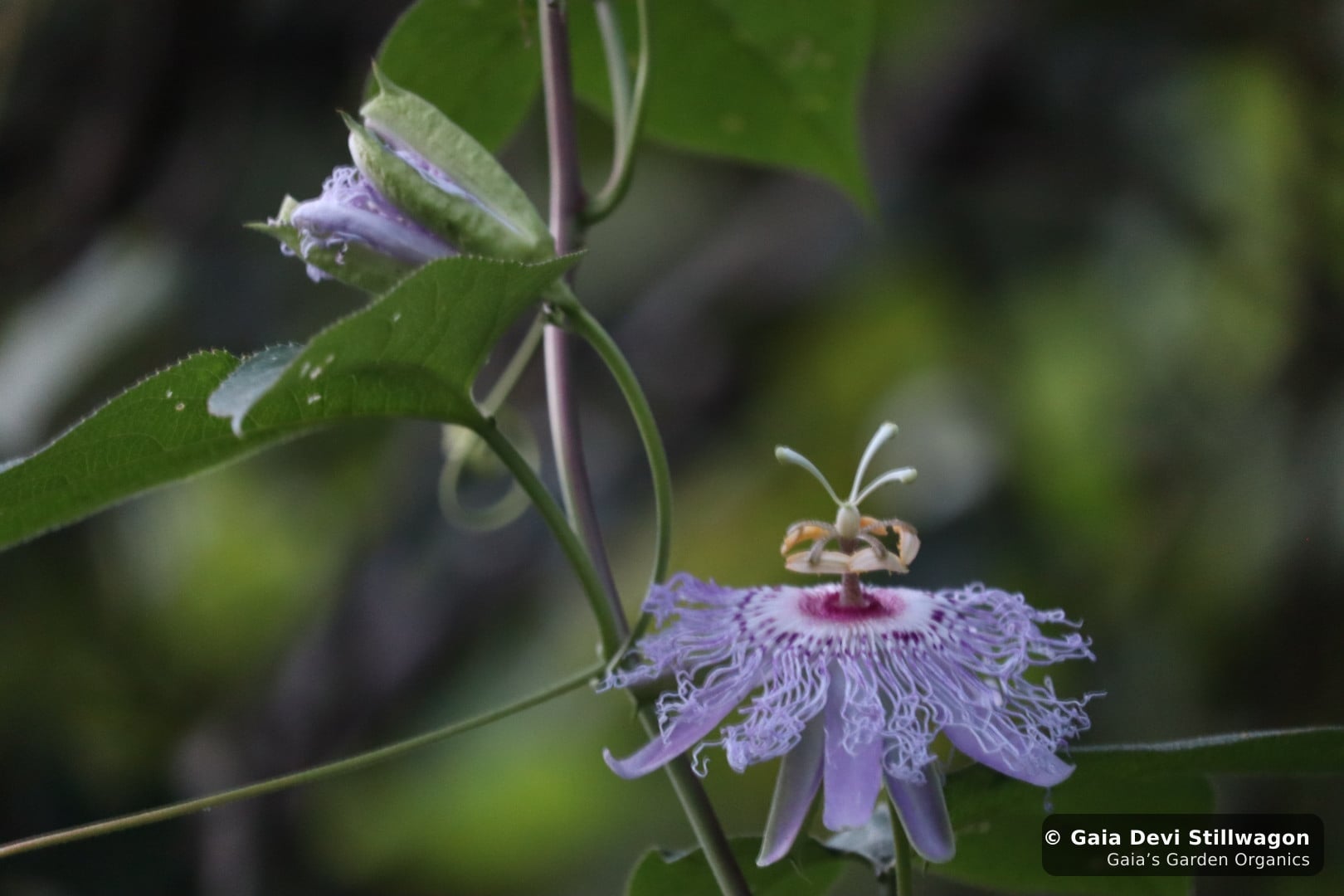
The 11 p.m. Wind-Down That Won't Come: Tea for Sleep
Sleep teas in the grocery store have too many herbs at too-small doses. Here's what an actually-effective bedtime infusion looks like.
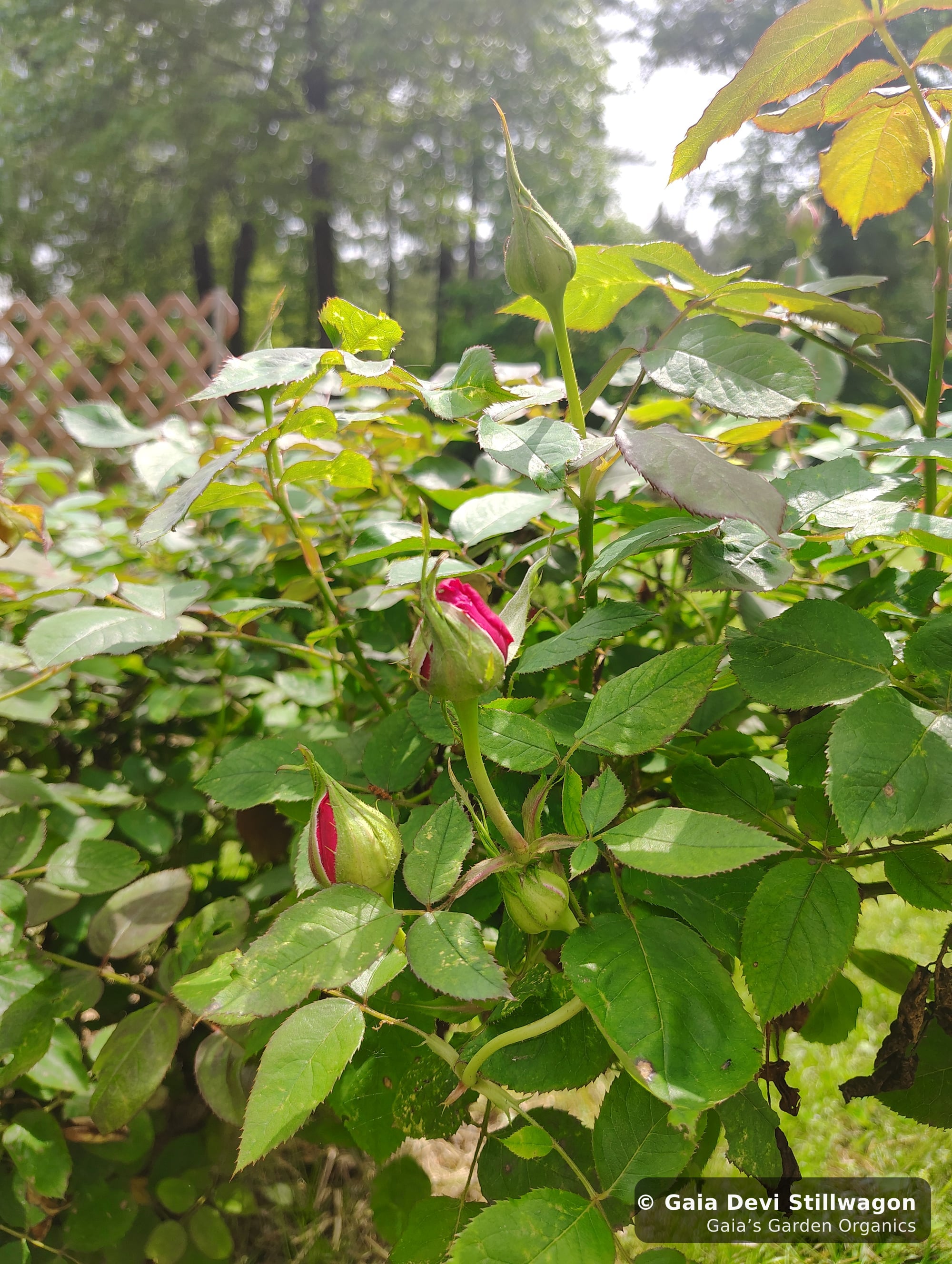
The Heart That Beats Too Fast, Too Hard, Too Long: Daily Tea
Hawthorn lowers blood pressure modestly. Hibiscus lowers it more. The right tea for your heart depends on which side of the cardiovascular picture you're on.
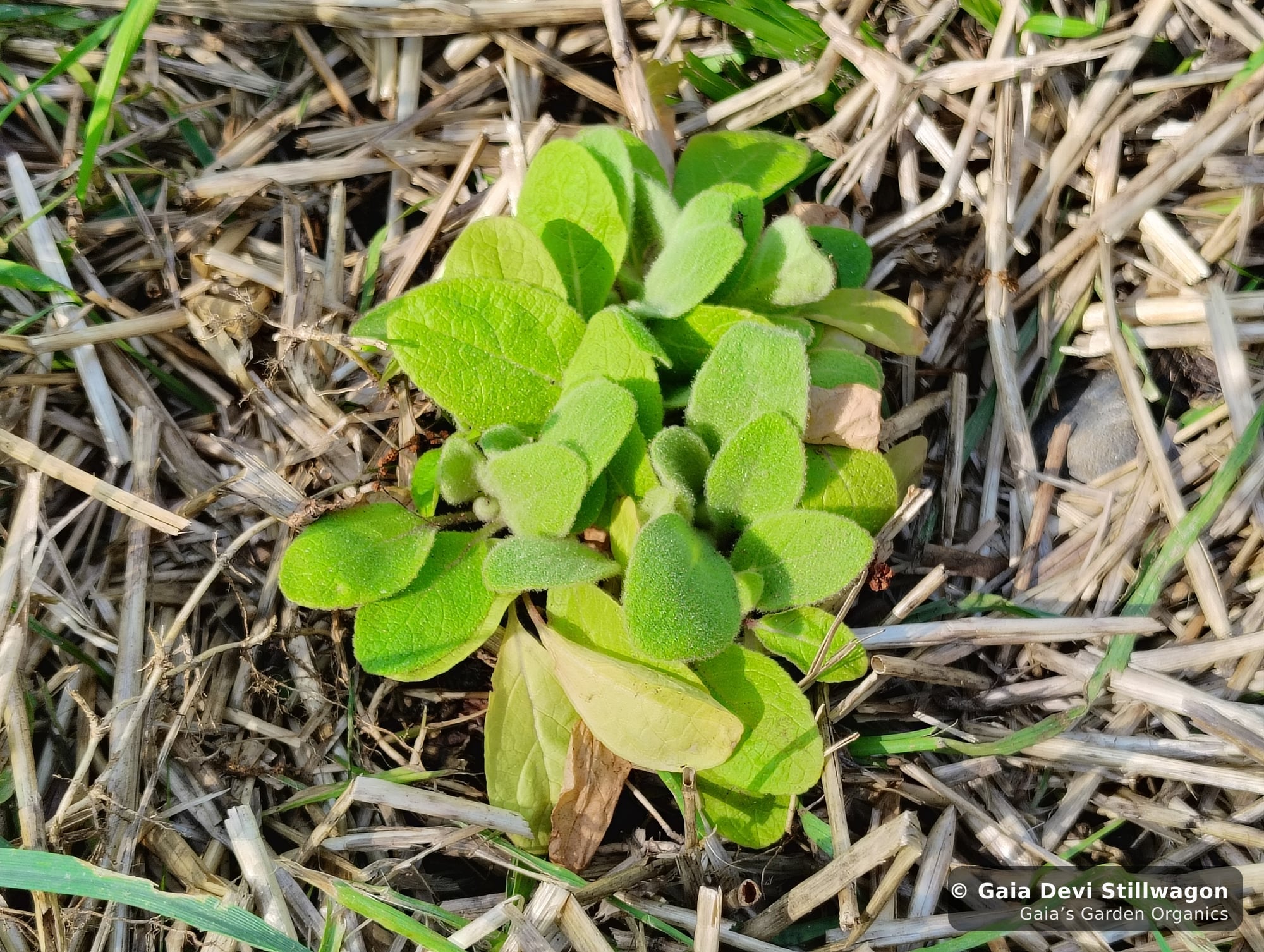
The Lingering Cough That Won't Clear: Tea for the Lungs
Your lungs are the most directly-exposed organs in your body. Here is the daily tea that supports them.
The Sniffle Before the Cold: A Daily Cup for Immune Defense
Your immune system runs on sleep, stress regulation, and nutrient availability. A daily tea supports all three. Here is what mine contains and why.
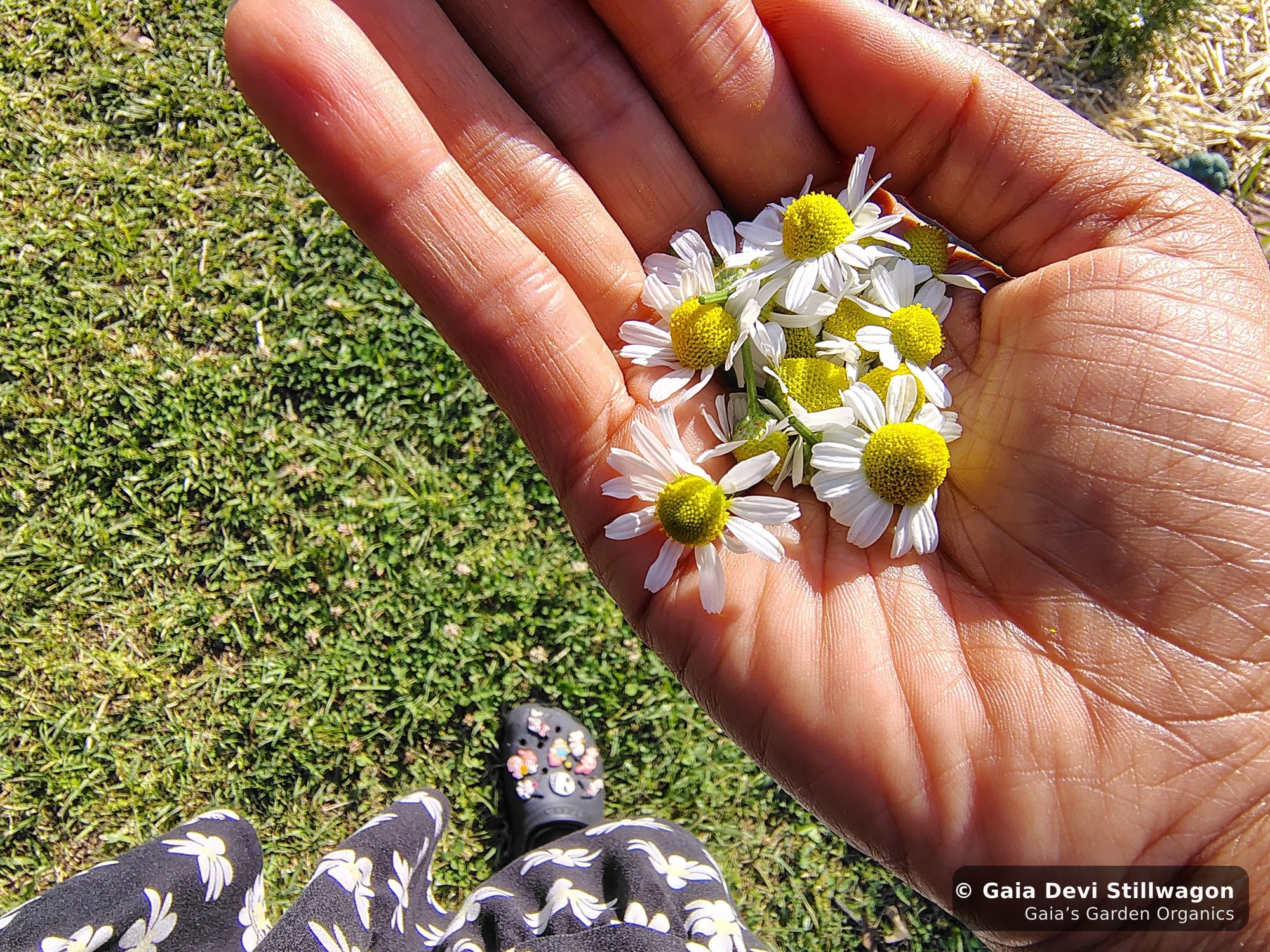
The Gut That Tightens After Meals: A Daily Cup for Digestion
Most gut symptoms come from the same handful of patterns. The herbs that match those patterns are the same handful, and they fit in a daily cup.
The Skin That Flares With Stress: A Daily Cup for the Glow
Topical skincare works the surface. Internal herbal medicine works the system. Here is what a daily cup actually does for your skin.
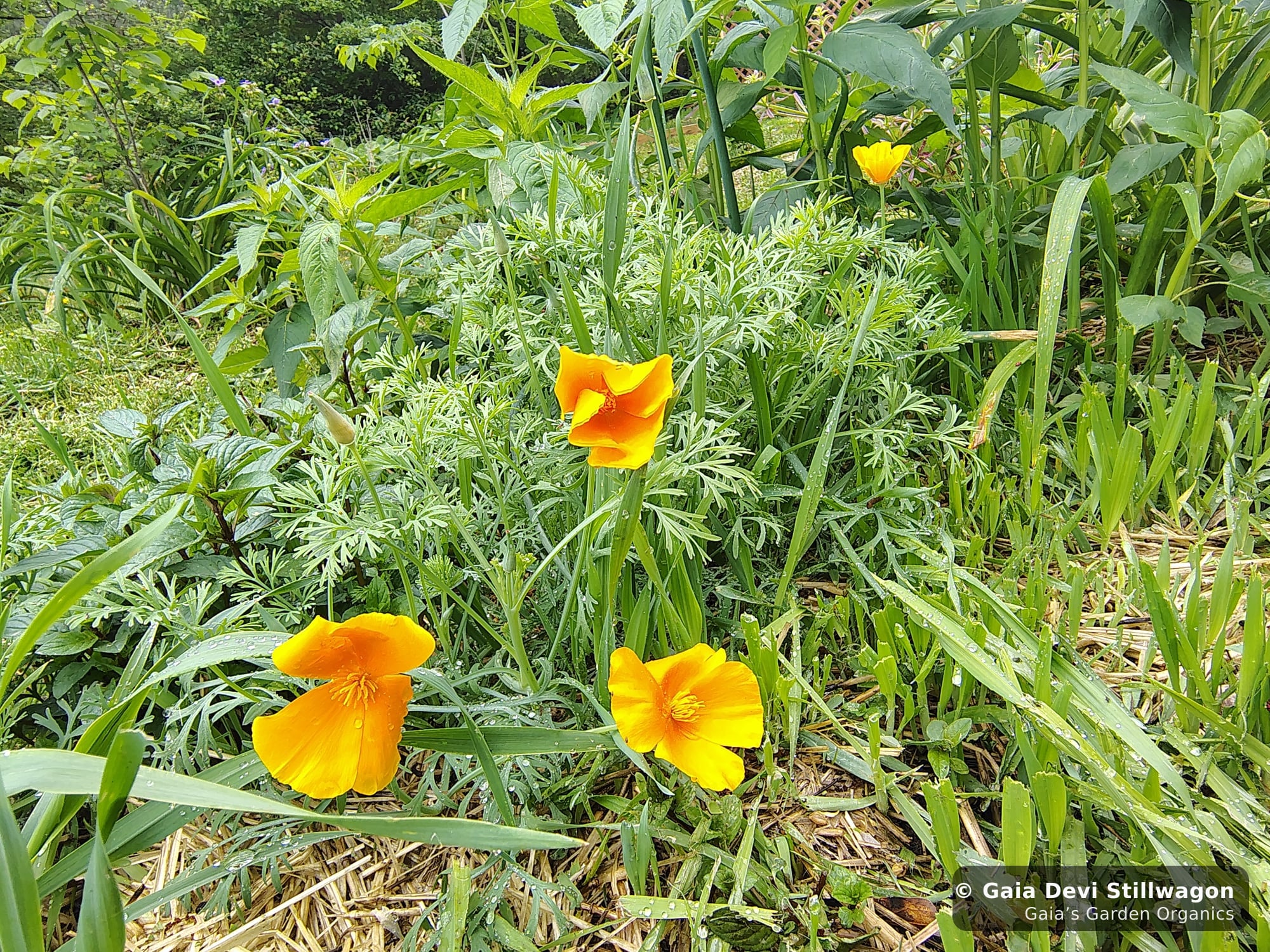
When the Spark Is Gone but Caffeine Won't Fix It: A Daily Tea
Coffee gives you energy and takes it back with interest. Here's what natural, sustained vitality actually looks like and the herbs that support it.
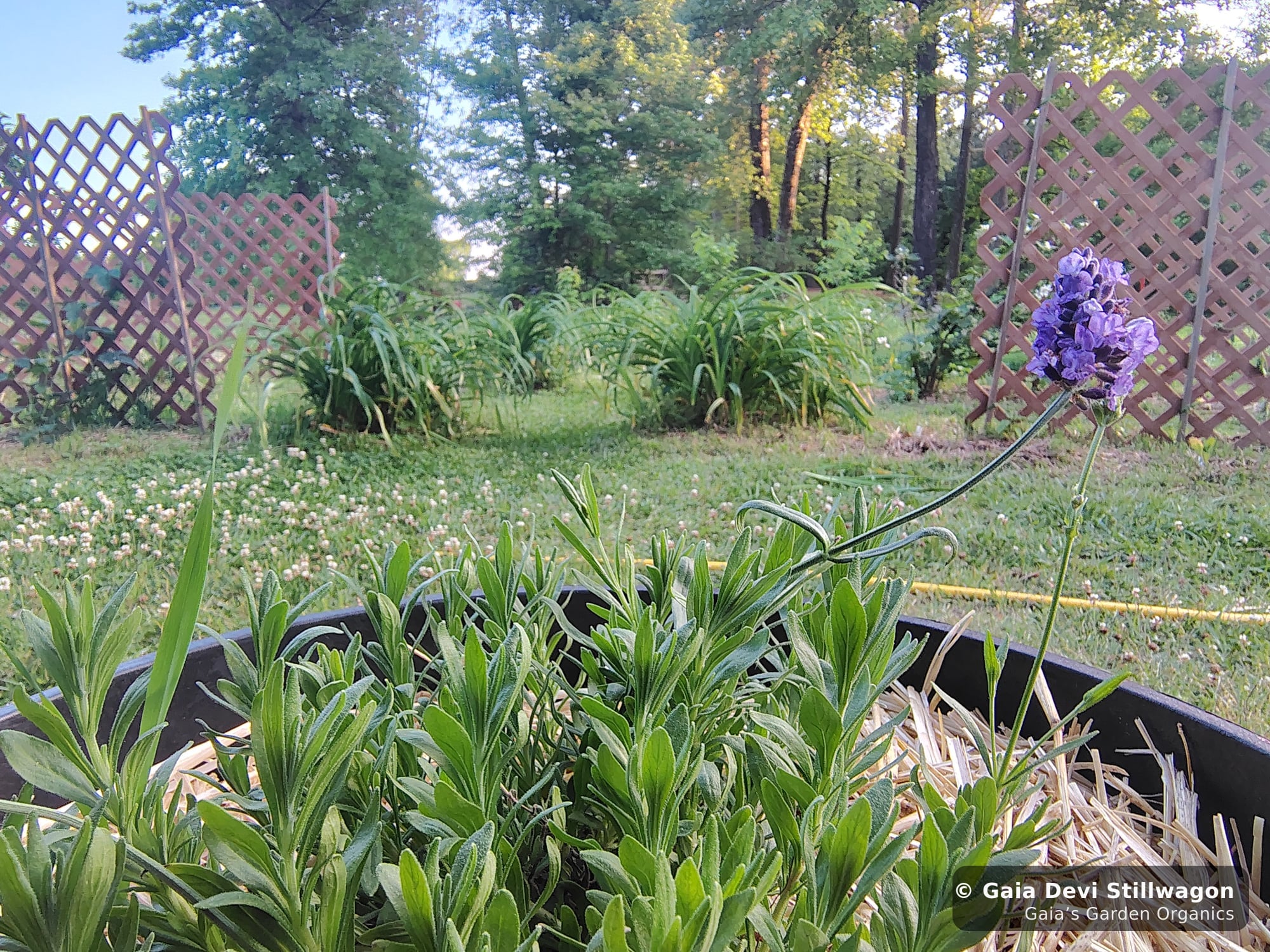
Mullein Tea Benefits, Beyond the TikTok Trend
Mullein is a real respiratory herb with two centuries of clinical use. The TikTok claims about it overshoot in some directions and miss in others. Here is the honest breakdown.
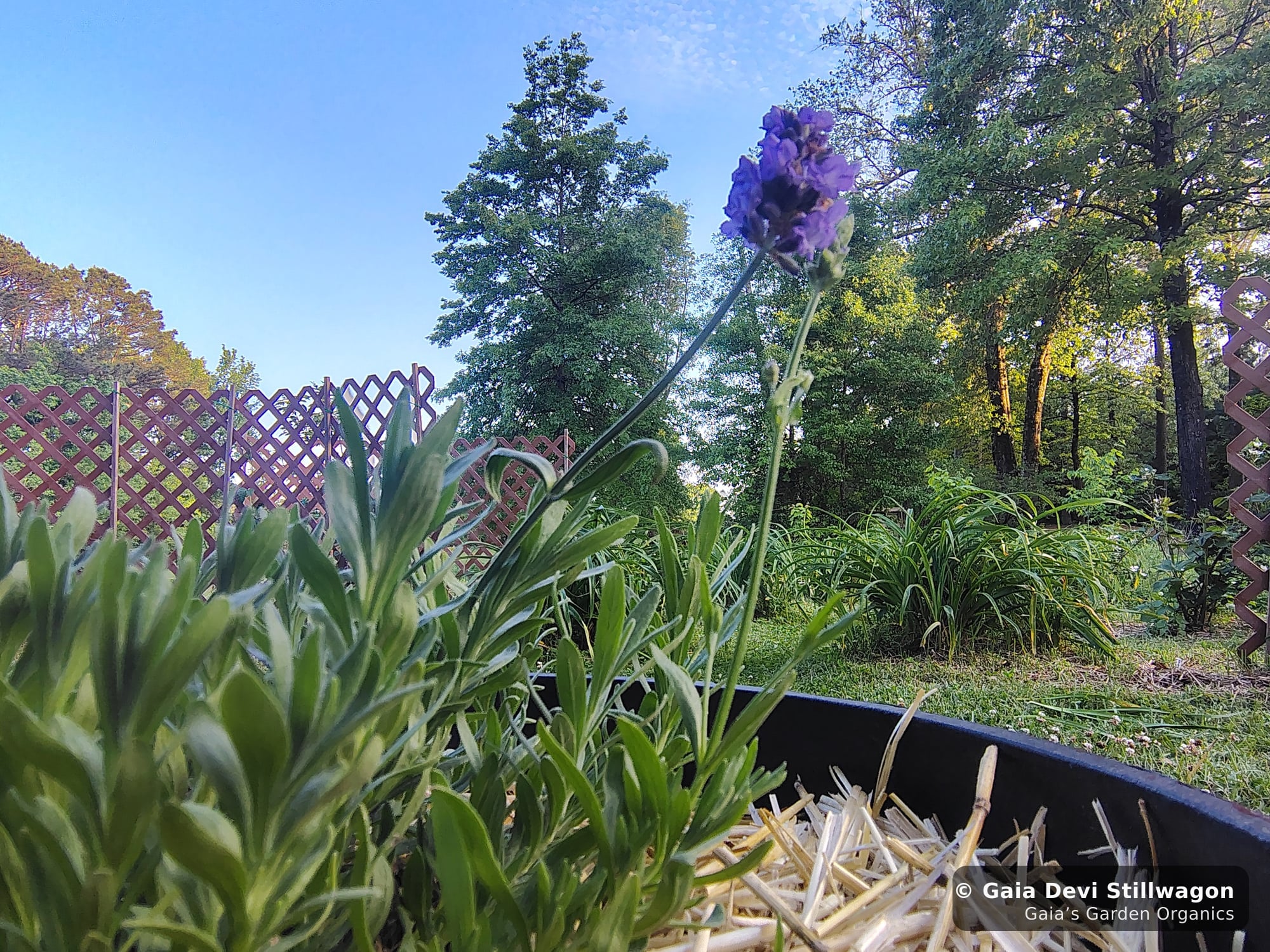
Spearmint Tea for PCOS, the Surprisingly Strong Evidence
Spearmint has stronger clinical trial evidence for women's hormonal health than most things in the wellness aisle. Here is what it actually does for PCOS.
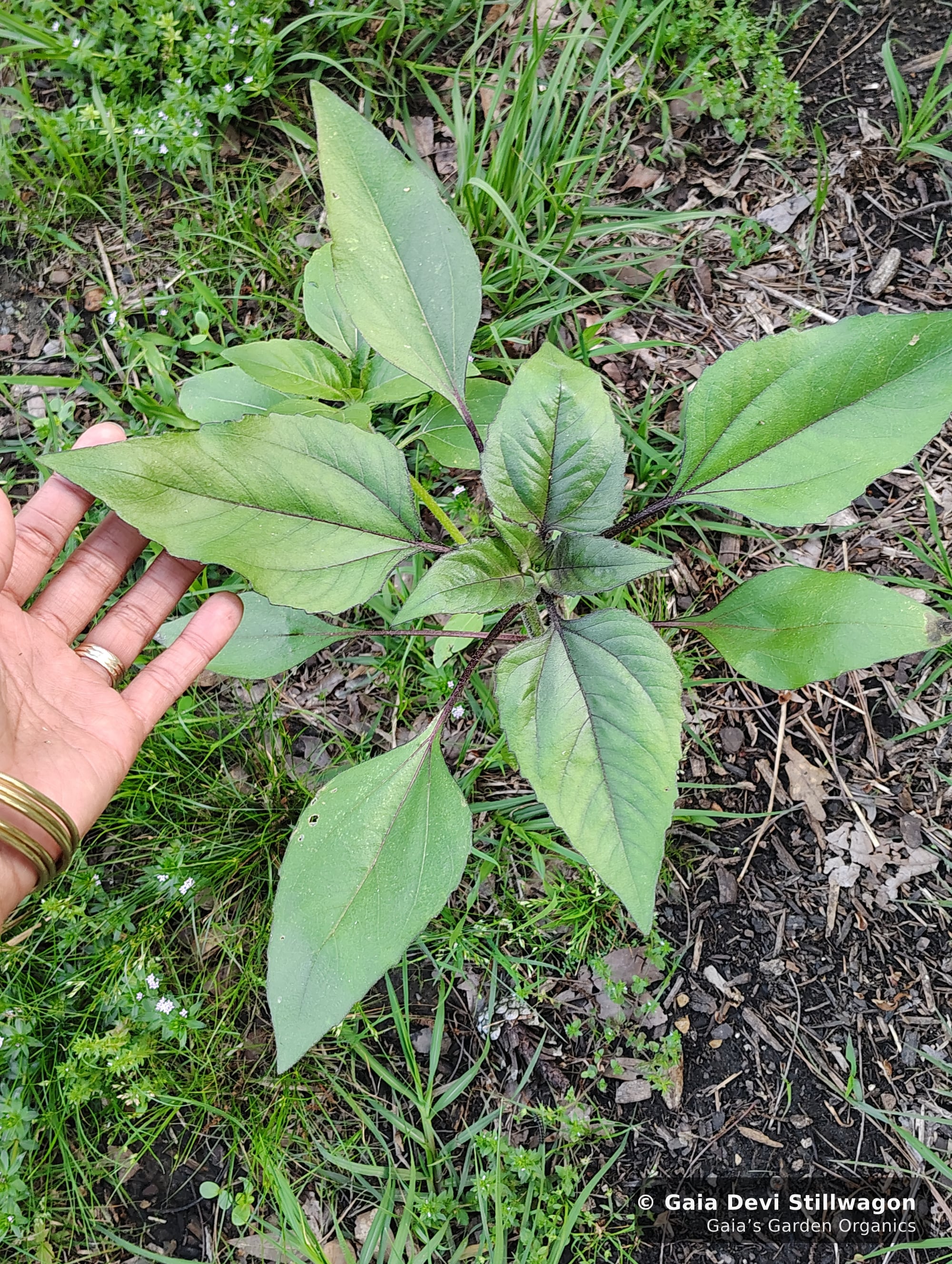
A Natural Spring Allergy Protocol: What a Clinical Herbalist Reaches For
Spring allergies are predictable. Build the protocol before they start. Here are the four herbs that actually move the dial.
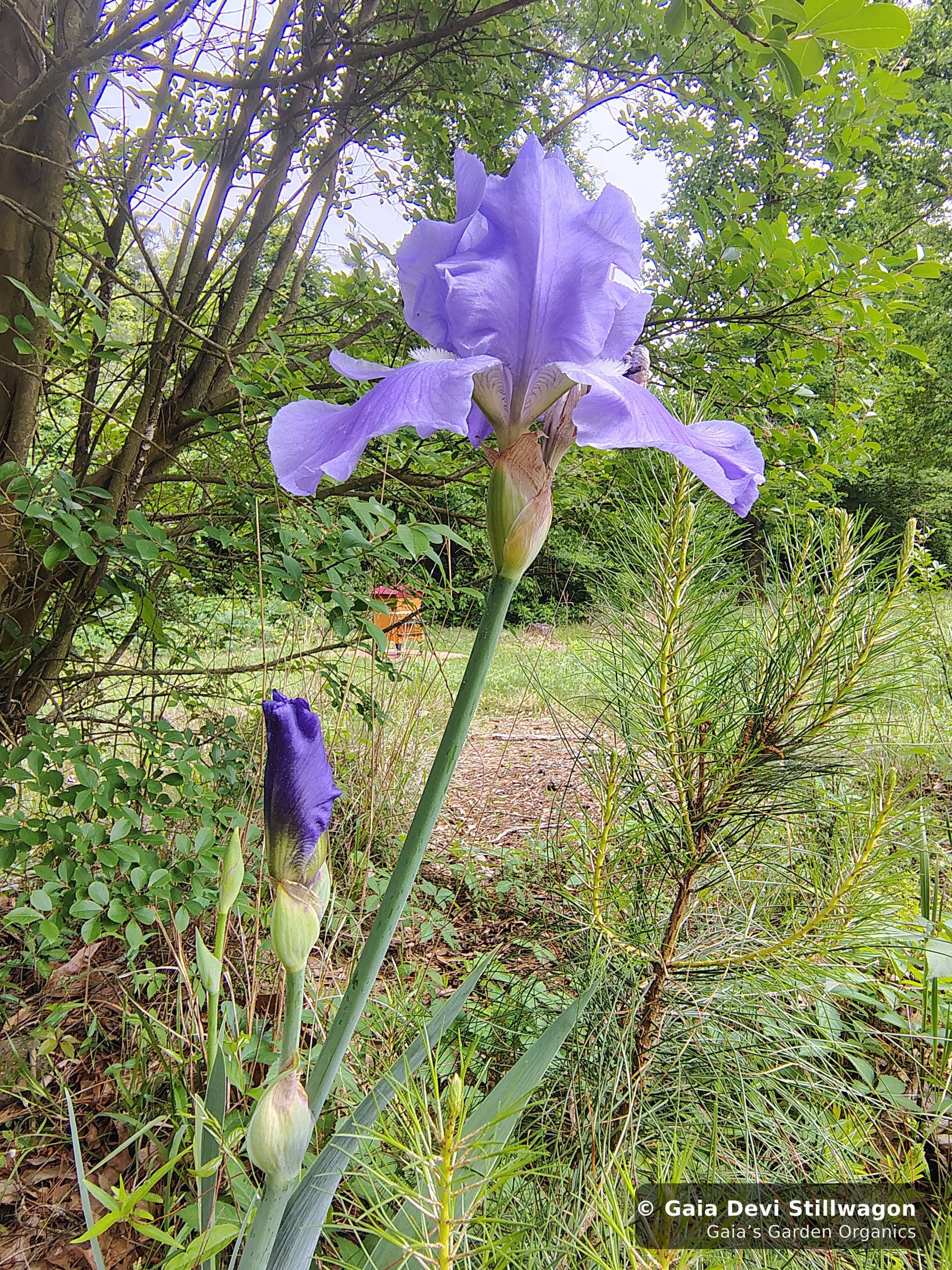
Back-to-School Immune Protocol: Herbal Support for the September Wave
Schools open, viruses circulate, the family runs a chain of colds for three months. Here is the herbal kit that breaks the chain.
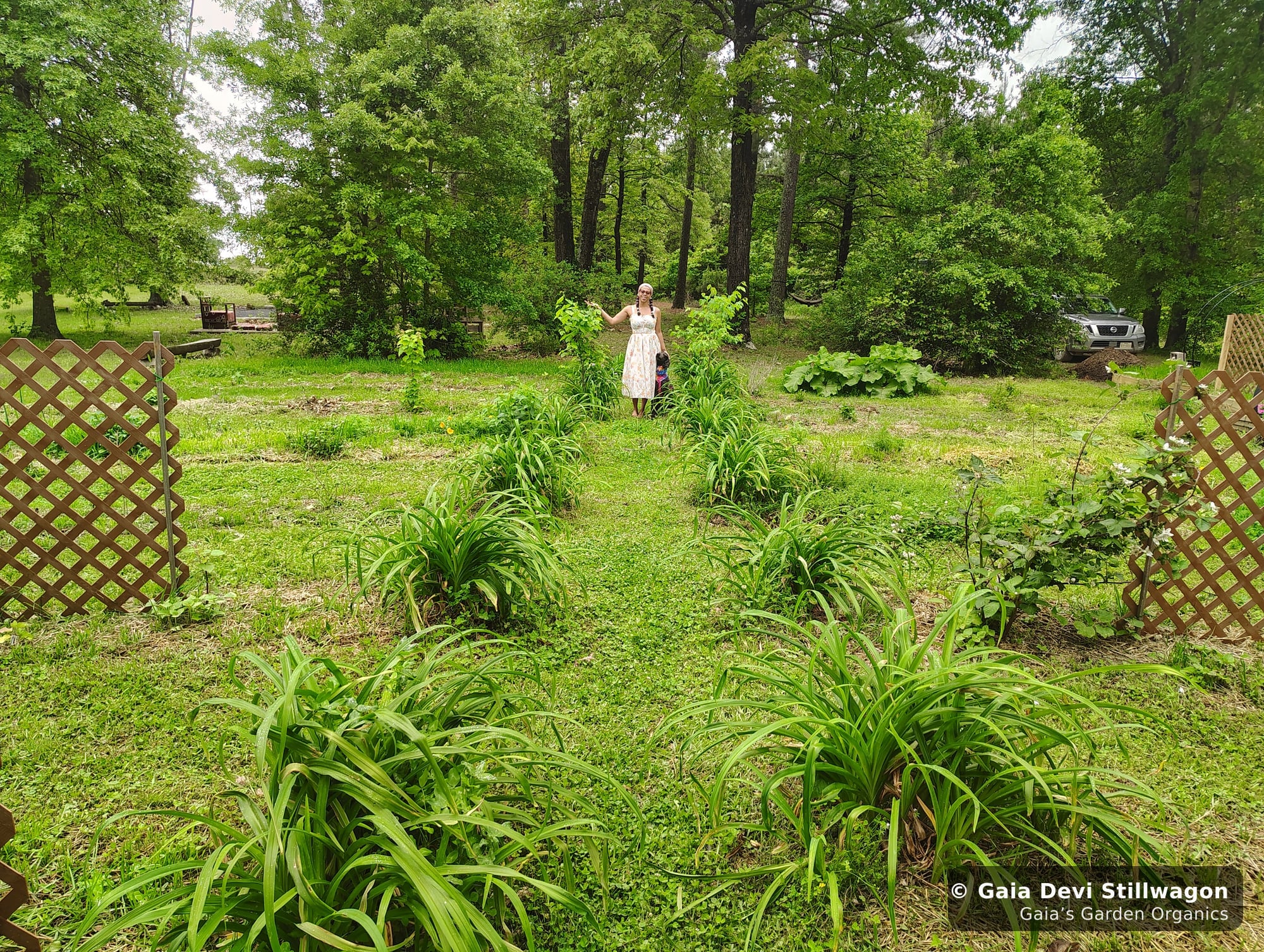
The Sacred Pause - Organic Herbal Tea
A daily tea ritual is not about a single mug. It is about the pause built around it. Here is why the pause is half the medicine.
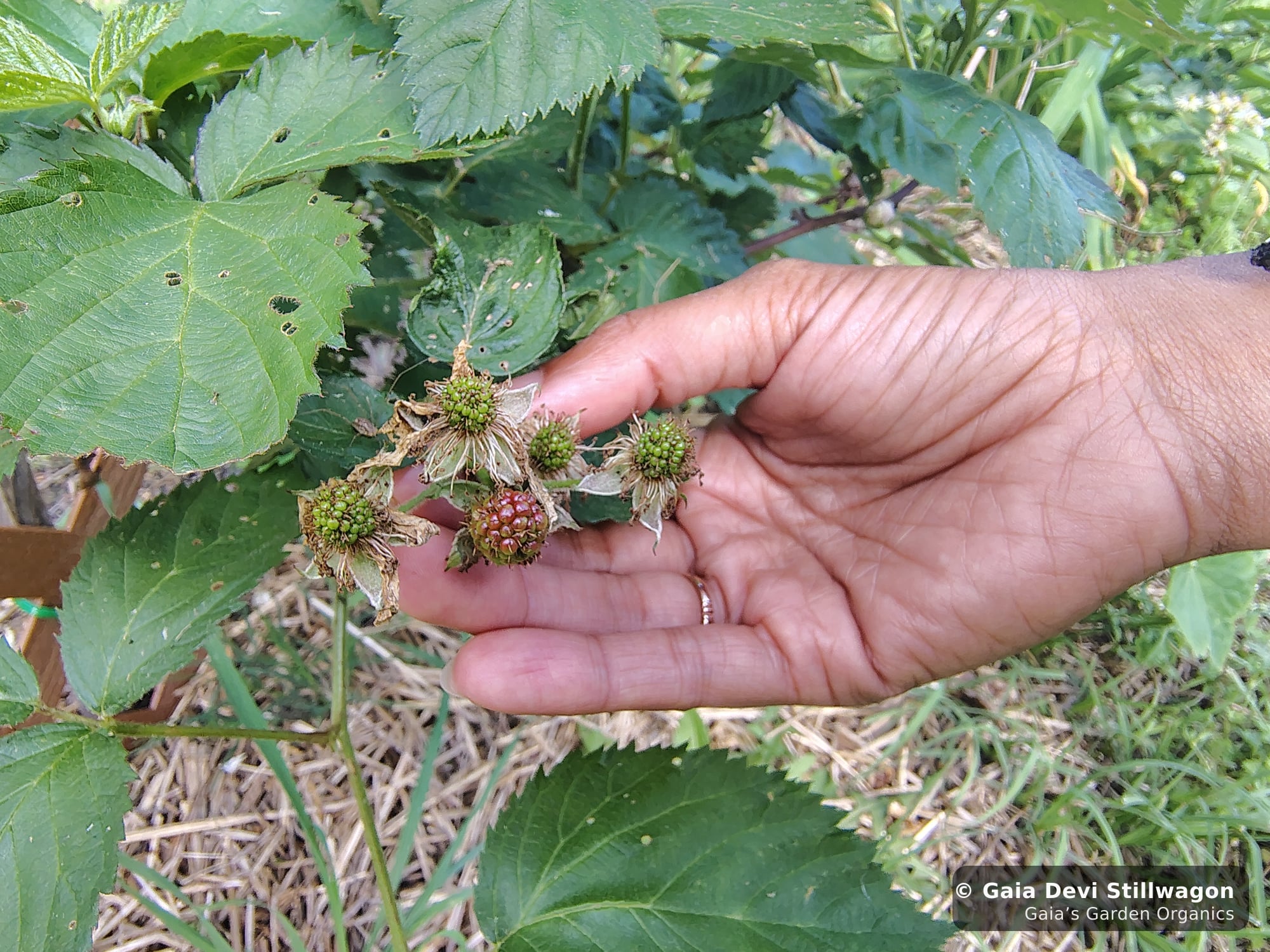
What's Actually in Your Cup: A Clinical Look at Tea Herbs
Herbal tea ingredients have changed less than you'd think across the past few hundred years. Here are the classical herbs that anchor most clinical tea formulas, and why they last.
Sources & further reading
Authoritative references consulted in writing this guide. Open in a new tab.
- NCCIHDietary and Herbal Supplements
- NCCIHHerbs at a Glance (per-herb safety and evidence)
- Chestnut School of Herbal MedicineFlowering Herbs (article archive)
- Chestnut School of Herbal MedicineThe Best Home Herbal Apothecary Books
- The Bach CentreWhat are the sun and boiling methods? (for the flower-essence cross-reference)
*Important: These statements have not been evaluated by the Food and Drug Administration. This product is not intended to diagnose, treat, cure, or prevent any disease. Individual results may vary.
Always consult a qualified healthcare provider before starting any herbal regimen, especially if you are pregnant, nursing, taking prescription medications, managing a chronic condition, or considering use for children or pets. For pets, use drop-size doses and consult your veterinarian for ongoing concerns.
Have a question about ingredients, interactions, or safety? Email our clinical herbalist →