In this article (11)▾
Your lungs filter every breath you take, around 20,000 a day for most adults. They are constantly exposed to pollutants, allergens, pathogens, and dry indoor air. They also have remarkable repair and clearance mechanisms that herbal medicine can support.
This guide is the daily respiratory tea framework I formulate, and the four-herb blend that supports lung function through the seasons.
For the bigger picture behind a daily cup like this, see my guide to how herbal tea supports the body.
What "tea for your lungs" actually does
Herbal tea cannot replace lung function. It can support three specific mechanisms that compound across weeks of daily use.
- Mucous membrane support: The lining of the respiratory tract is the first defense against pollutants and pathogens. Demulcent herbs (mullein, marshmallow) coat and soothe; antimicrobial herbs (thyme) support the lining's immune function.
- Mucous clearance: When congestion happens, certain herbs help loosen and move it (mullein, thyme).
- Inflammatory baseline: Chronic low-grade respiratory inflammation (from poor air quality, environmental allergies, post-viral residue) responds to daily anti-inflammatory and antioxidant herbal support.
The four-herb daily blend
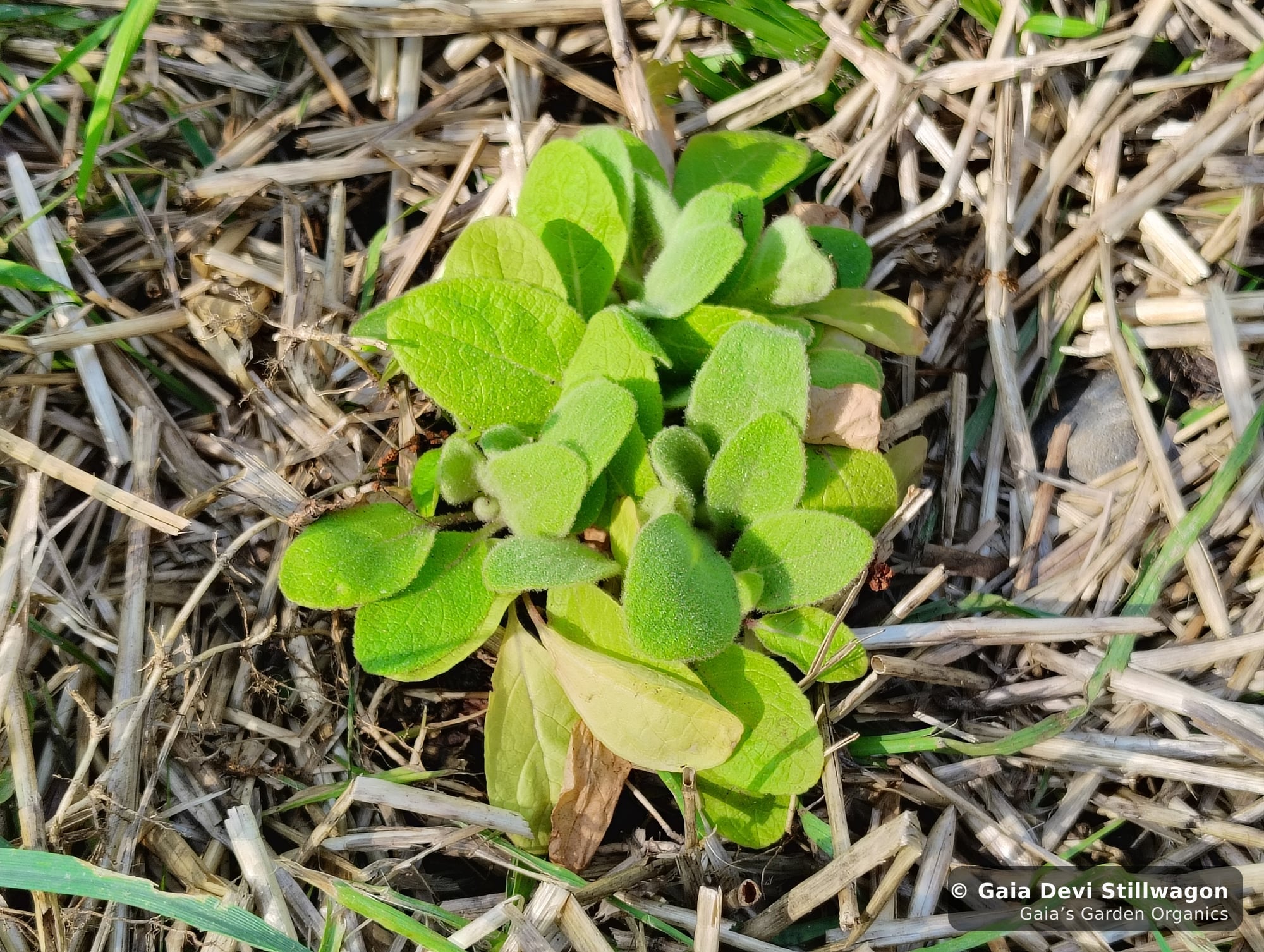
Mullein (Verbascum thapsus)
The classical respiratory tonic. Mucilage soothes irritated airways; saponins help clear chronic congestion. Daily mullein tea supports baseline lung function; acute mullein dosing supports recovery from upper-respiratory illness.
Marshmallow Root (Althaea officinalis)
The demulcent for dry, irritated mucous membranes. Daily marshmallow tea supports the lining of the entire upper digestive and respiratory tract.
Thyme (Thymus vulgaris)
The antimicrobial respiratory herb. Volatile oils provide background antiviral and antibacterial activity, plus support for the lung's mucous-clearing function.
Elderflower (Sambucus nigra)
The upper-respiratory ally for sinus, throat, and the gentle fever support that often accompanies respiratory illness.
The daily ritual
- One mug daily, ideally morning or mid-afternoon. Caffeine-free.
- One to two teaspoons of blend, hot water just off the boil, covered for 10-15 minutes (mullein needs longer extraction).
- Strain through fine mesh or cheesecloth to catch mullein hairs.
- Daily for 4-6 weeks for chronic respiratory baseline support; build the rhythm before the high-risk season.
What to expect
- Week 1-2: Subtle improvements in morning lung clearance; less throat tickle in dry indoor environments.
- Week 3-4: Chronic post-viral cough or seasonal congestion softens.
- Week 4-8: The respiratory baseline shifts; daily breathing feels easier in adults with chronic mild irritation.
- Month 2-3: Cold-and-flu season passes more easily; fewer infections, shorter durations.
What this is not for
- Asthma exacerbation. Use prescribed asthma medications; the tea is not a primary asthma treatment.
- Severe COVID, pneumonia, or respiratory crisis. Seek medical care.
- Chronic obstructive pulmonary disease (COPD). The tea can be an adjunct; pulmonology care is primary.
- New persistent cough. Get a medical evaluation; chronic cough has many causes.
Matching the herbs to the cough pattern
Respiratory irritation tends to cluster into three pictures, and the blend meets each one. A dry, tickly cough with no mucus leans on marshmallow's demulcent action; a wet, congested cough leans on thyme's volatile oils to support clearing; and a long-running bronchial cough leans on mullein as a daily lung tonic. Same four herbs, different emphasis depending on what your lungs are actually doing.
Where to go from here
- Step 1 (free): Match your essence in 7 questions. Take the essence quiz.
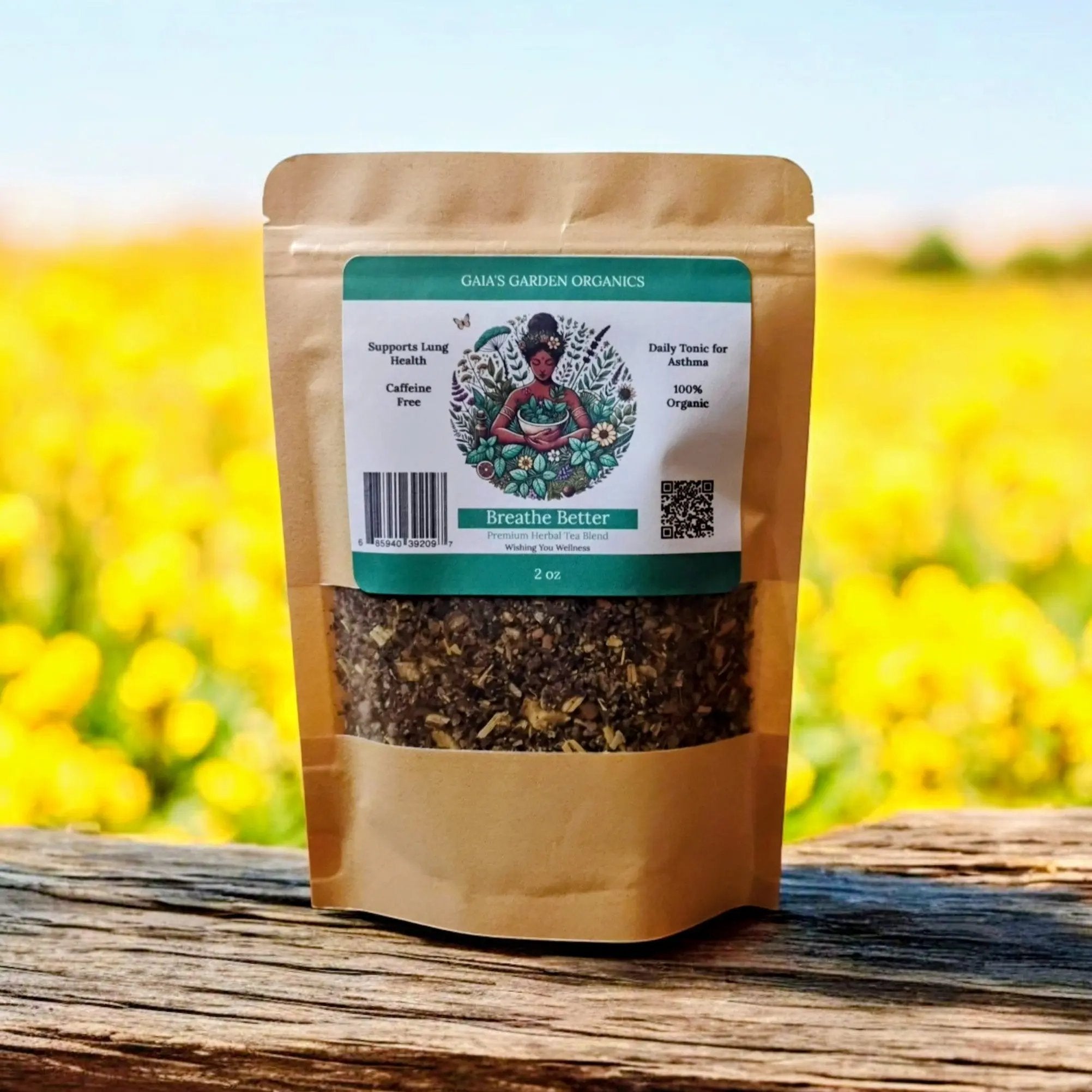
- Step 2 (30-night guarantee): Breathe Better Herbal Tea as the daily respiratory cup. Pair with Flu Fighter Tea during the cold-and-flu window.
- Step 3 (coming soon): Harmony Within, my Yoga Nidra book.
This guide is general respiratory-wellness education. Severe or persistent respiratory symptoms need medical evaluation.
Frequently asked
Will this help with seasonal allergies?
Modestly, as part of broader allergy support. The herbs support the respiratory mucous membranes and provide gentle anti-inflammatory action that complements specific allergy protocols (nettles for histamine modulation, elderflower for sinus, our spring allergy protocol). For severe allergies, work with an allergist as primary; the tea is adjunct support.
Can I use this for my chronic asthma?
The tea can be adjunct support for stable mild asthma alongside your prescribed asthma medication, but it is not a primary asthma treatment. Continue your inhaler protocol; never adjust asthma medication without your pulmonologist or primary care physician. The herbs in the blend support general respiratory function; they do not address the bronchospasm component of asthma.
Does mullein really work for lung issues?
Mullein has nearly two centuries of clinical use in Western herbal medicine for respiratory issues, with consistent traditional documentation across multiple sources. Modern research is limited but supportive for its demulcent and expectorant actions. The TikTok-era enthusiasm around mullein 'cleansing the lungs' overstates the case; the herb is real respiratory medicine for the specific patterns it suits, not a detox miracle.
Is this safe in pregnancy or for kids?
Mullein, marshmallow root, and elderflower are generally considered safe in pregnancy at culinary tea doses. Thyme should be moderated. For children, the blend works at half strength from age 4 up. For respiratory issues in younger children, single-herb marshmallow root tea is the safest starting point.
How long should I stay on this tea?
Daily through respiratory-challenging seasons (fall, winter, allergy seasons). Year-round daily use is also fine; the herbs are gentle and have no long-term safety issues at culinary tea concentrations. Many clients use it 6-8 months a year (October through April) and then reduce to occasional use in summer.
Products from this article
Handcrafted in Umpire, Arkansas by Gaia Devi, clinical herbalist.
Explore our apothecary
Learn more
Flower Essences 101
A clinical herbalist's plain-English guide to what flower essences are and how to take them.
Find your match
Browse the Free Practice Library
8 pattern-matched archetype entry points (sleep, anxiety, tension, heart, inner quiet, clarity, boundary, spark), each as a 5-question quiz, a 3-day mini-course, or a one-tap interactive tool.
Shop the apothecary
Medicinal Herbal Teas
Loose-leaf, clinical-herbalist-blended teas, each built around a specific job.
Sources & further reading
Authoritative references consulted in writing this article. Open in a new tab.
- PubMed (review, 2022)Health-promoting and disease-mitigating potential of Verbascum thapsus L. (common mullein): A review
- PMC (folk medicine review)Searching for Scientific Explanations for the Uses of Spanish Folk Medicine: A Review on the Case of Mullein (Verbascum)
- NCCIHHerbs at a Glance (per-herb safety and evidence)
- Chestnut School of Herbal MedicineFlowering Herbs (article archive)