In this article (9)▾
Most "respiratory" teas in the wellness aisle are pleasant blends of mint and licorice that do not specifically target the lungs. The herbs that actually work the respiratory layer are well-evidenced, traditional, and have specific roles in the cough-cold-congestion picture.
This guide is the four-herb respiratory framework I formulate, and where each herb earns its place.
The respiratory pattern
Respiratory issues cluster into three patterns. Matching the herbs to the pattern is the difference between "vaguely soothing" and "the tea actually helps."
- Dry, irritated cough: Tickle in the throat, no productive mucus, often worse at night. Mucous membranes are dry and irritated.
- Wet, congested cough: Productive mucus, sinus congestion, the cold-and-flu picture. Mucous membranes are over-producing and need clearing.
- Chronic bronchial: Long-running cough, asthma, post-viral lingering cough. The lungs need ongoing tonic support.
The four herbs
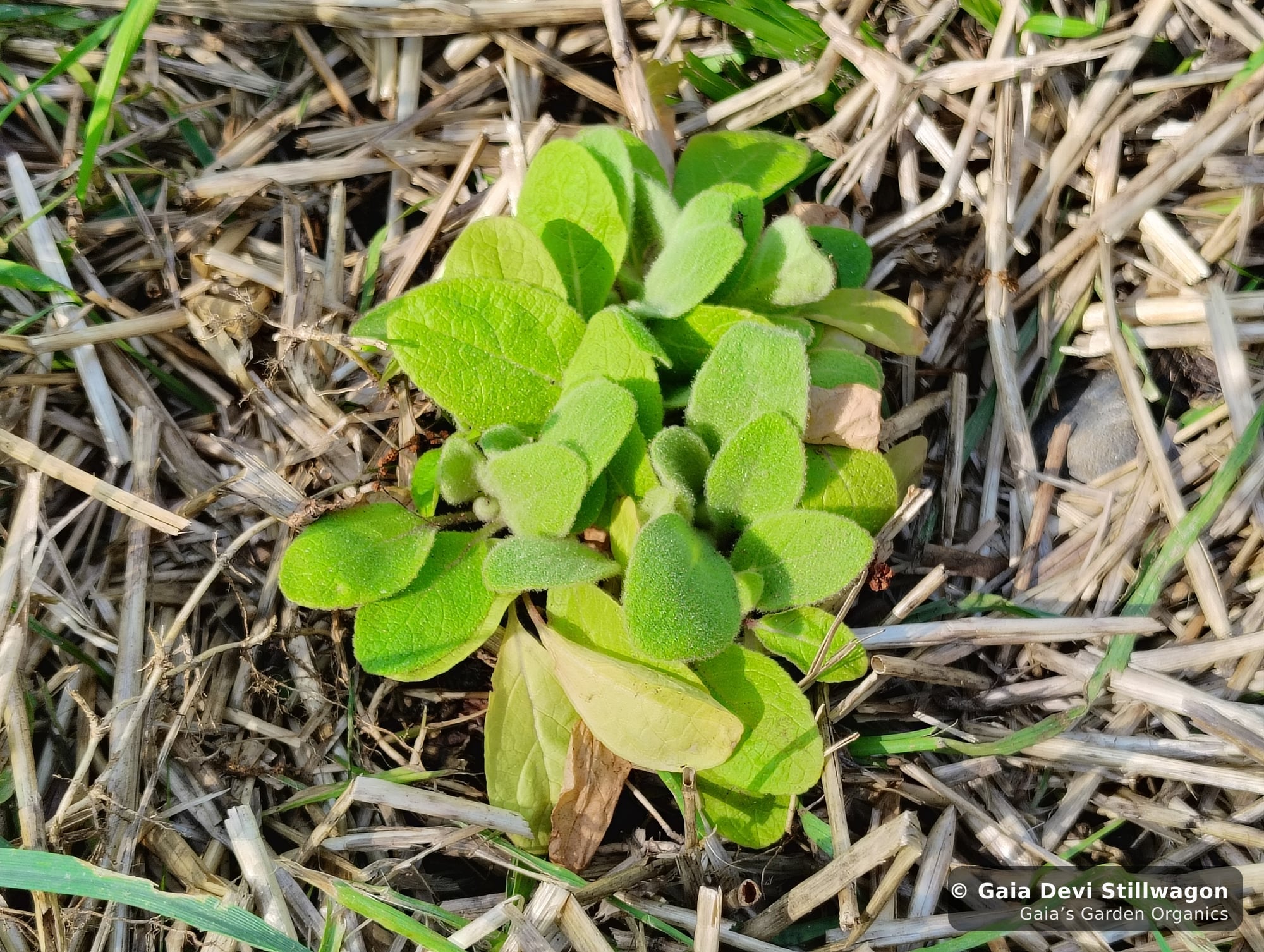
Mullein (Verbascum thapsus)
The classical lung herb. Traditional use spans American and European herbal medicine for chronic and acute respiratory issues. The leaves contain mucilage that soothes irritated airways, plus saponins that help loosen and clear congestion.
Best for: chronic bronchial irritation, post-viral cough, daily lung tonic. The recent TikTok trend around mullein is genuinely supported by traditional use; it is not just internet wellness.
Thyme (Thymus vulgaris)
The antiviral and antimicrobial respiratory herb. Volatile oils (thymol, carvacrol) have antimicrobial activity in clinical and laboratory studies. Steam inhalation of strong thyme tea is one of the older respiratory remedies in Western herbal medicine.
Best for: acute cold and flu, sinus congestion, productive cough. Especially useful for the wet, congested pattern.
Marshmallow Root (Althaea officinalis)
The demulcent that soothes dry, irritated mucous membranes. Marshmallow contains polysaccharides that coat and soothe inflamed tissue, providing relief for the dry-cough, scratchy-throat pattern.
Best for: dry irritated cough, sore throat, the tickle-in-the-throat pattern. Daily use supports overall mucous membrane integrity.
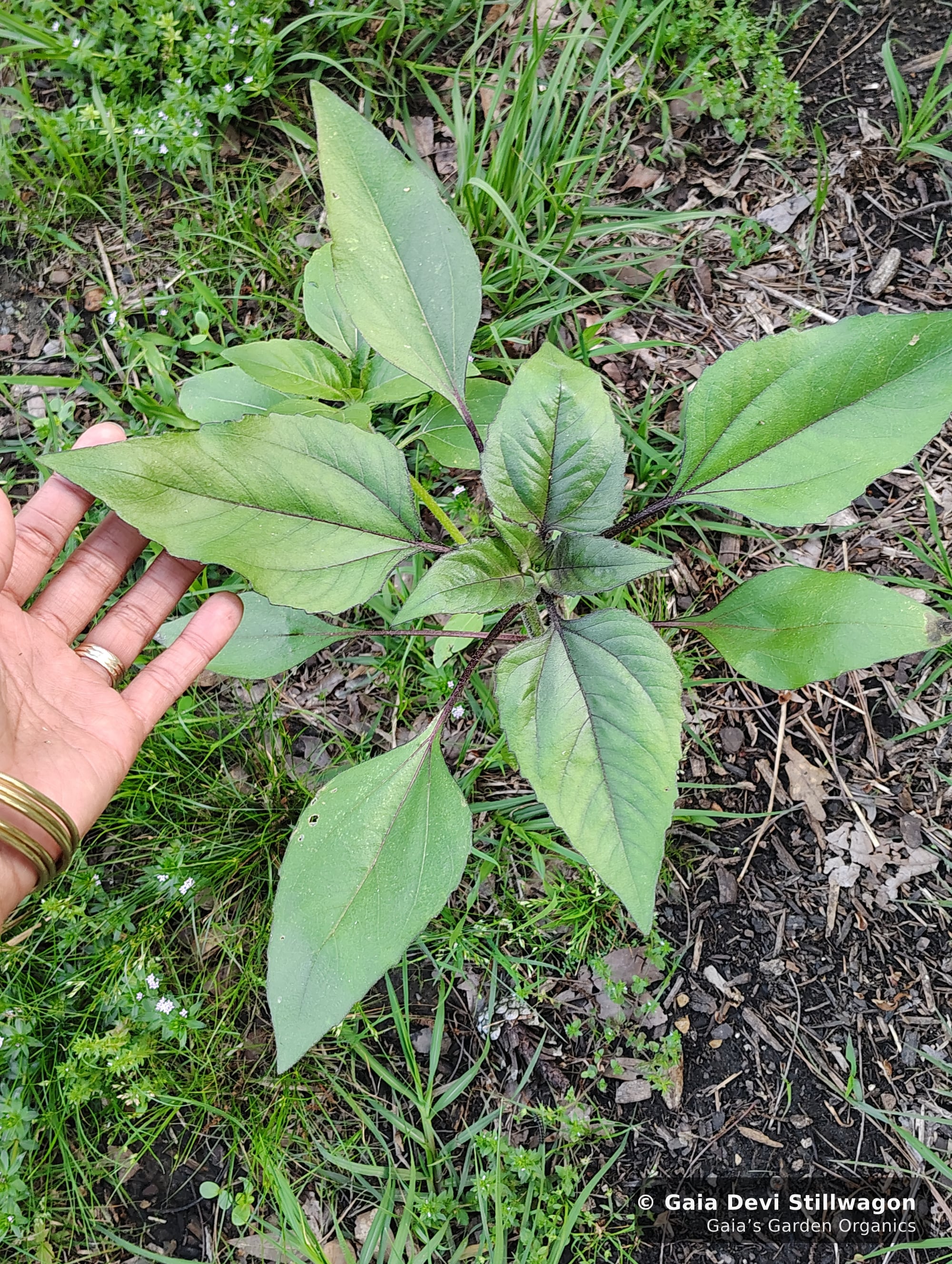
Elderflower (Sambucus nigra)
The upper-respiratory ally for the watery-eyes, runny-nose, congested-sinus picture. Traditional use spans European, North American, and Eastern European herbal medicine. Best as hot tea during acute symptom moments.
Best for: acute upper-respiratory symptoms, sinus pressure, fever support.
The blend and the daily ritual
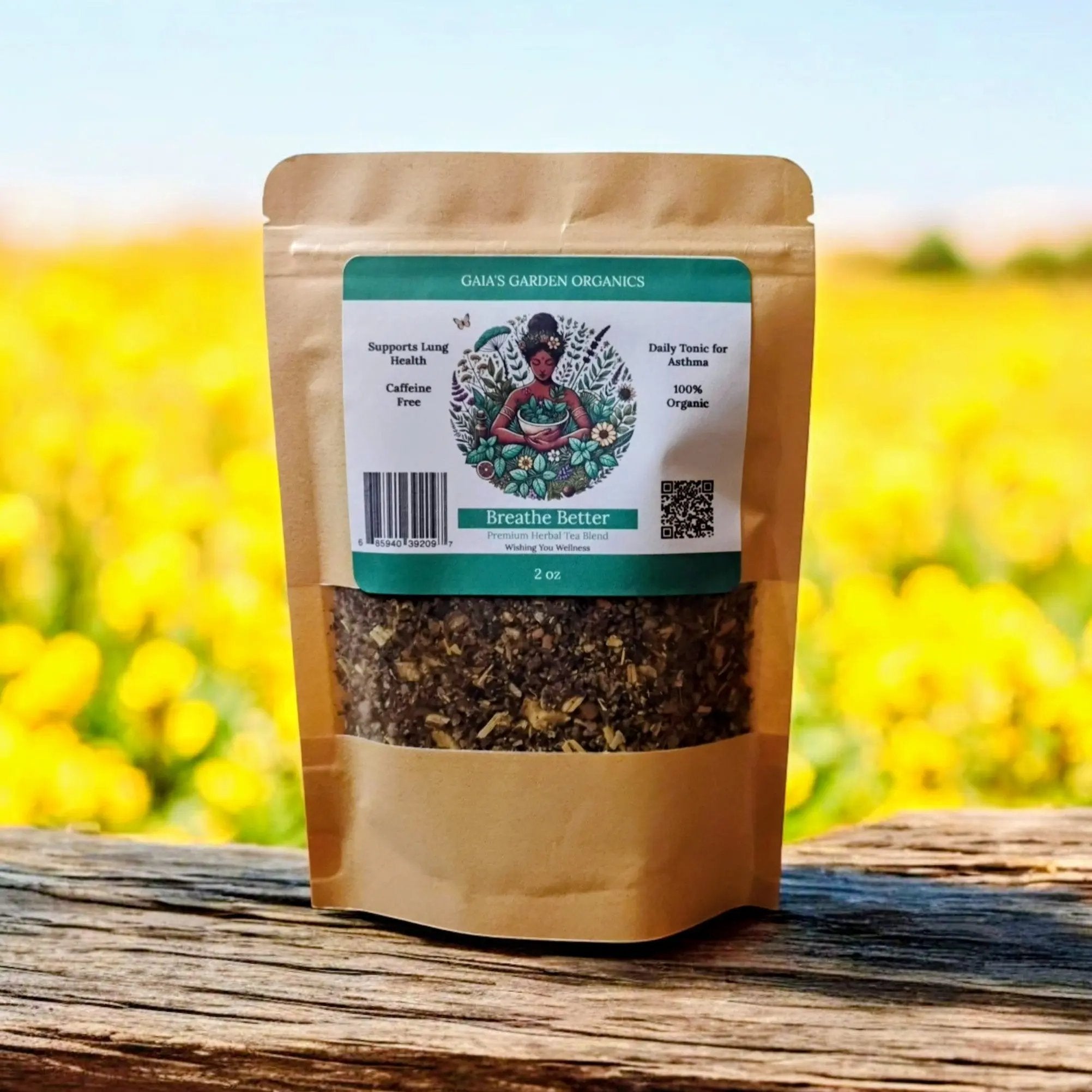
Our Breathe Better Tea combines mullein, thyme, marshmallow root, and elderflower. One mug daily during high-respiratory-risk windows (cold and flu season, allergy seasons), and stepped up to 3-4 mugs during acute symptoms.
Steeping: hot water just off the boil, covered for 10-15 minutes (mullein needs longer extraction than most herbs). Strain through cheesecloth or a fine strainer; mullein leaves have small hairs that can irritate the throat if not strained out.
What this is not for
- Asthma exacerbation, severe breathing difficulty, or COVID-related respiratory symptoms. Seek medical care.
- Persistent cough beyond 3-4 weeks. Get a medical evaluation; chronic cough can have many causes that need diagnosis.
- Children under 4 without herbalist or pediatrician guidance. Some respiratory herbs need adjusted protocols for young children.
Where to go from here
- Step 1 (free): Match your essence in 7 questions. Take the essence quiz.
- Step 2 (30-night guarantee): Breathe Better Herbal Tea as the daily respiratory cup. Pair with Flu Fighter Tea during the broader cold-and-flu window.
- Step 3 (coming soon): Harmony Within, my Yoga Nidra book.
This guide is general respiratory-wellness education. Severe symptoms or persistent cough need medical evaluation.
Frequently asked
How does mullein actually work?
Mullein leaves contain mucilage (a soothing polysaccharide that coats irritated mucous membranes) and saponins (which help loosen and move congestion). Traditional and modern use both support its role in chronic and acute respiratory issues. The trend around mullein on social media is real to the extent it reflects the herb's actual traditional respiratory use; the marketing exaggerations around it (cures everything, etc.) are not.
Can I drink this tea daily?
Yes, especially during cold-and-flu season. All four herbs have favorable long-term safety records at daily-tea concentrations. Mullein is the herb in the blend most often used as a chronic respiratory tonic; daily use through high-risk seasons is well-established.
Is this safe in pregnancy?
Mullein, marshmallow root, and elderflower are generally considered safe at culinary tea doses in pregnancy. Thyme at high doses has some uterine effects and should be moderated. As always, consult your prenatal provider before adding herbs in pregnancy.
Can kids drink this?
Yes, at half strength for children 4 and up. Mullein, marshmallow root, and elderflower all have traditional pediatric use. Thyme tea at children's strength is also fine. For coughs in younger children, consider single-herb marshmallow root tea or a children's elderberry syrup instead of the four-herb adult blend.
Should I strain this tea differently?
Yes. Mullein leaves have small hairs that can irritate the throat if they end up in the cup. Strain through cheesecloth, a fine mesh strainer, or a coffee filter rather than a standard tea infuser. The hairs are not dangerous; they're just irritating to the throat you're trying to soothe.
Products from this article
Handcrafted in Umpire, Arkansas by Gaia Devi, clinical herbalist.
Explore our apothecary
Learn more
Flower Essences 101
A clinical herbalist's plain-English guide to what flower essences are and how to take them.
Find your match
Browse the Free Practice Library
8 pattern-matched archetype entry points (sleep, anxiety, tension, heart, inner quiet, clarity, boundary, spark), each as a 5-question quiz, a 3-day mini-course, or a one-tap interactive tool.
Shop the apothecary
Medicinal Herbal Teas
Loose-leaf, clinical-herbalist-blended teas, each built around a specific job.
Sources & further reading
Authoritative references consulted in writing this article. Open in a new tab.
- PubMed (review, 2022)Health-promoting and disease-mitigating potential of Verbascum thapsus L. (common mullein): A review
- PMC (folk medicine review)Searching for Scientific Explanations for the Uses of Spanish Folk Medicine: A Review on the Case of Mullein (Verbascum)
- NCCIHHerbs at a Glance (per-herb safety and evidence)
- Chestnut School of Herbal MedicineFlowering Herbs (article archive)